
Understanding the central challenges shaping employment and workforce dynamics in the united states today.

The U.S. labor market faces a complex array of challenges that influence employment, wages, and workforce participation. Persistent wage stagnation, skill mismatches, automation, and evolving work arrangements reshape opportunities and job security for many. Trends such as the gig economy and remote work introduce new benefits and risks, while structural issues like unequal pay and declining union influence persist. Insight from the Bureau of Labor Statistics, Federal Reserve, and international organizations highlights these ongoing dynamics shaping today’s workforce.
1. Wage stagnation continues to challenge workers across various industries.

Wage stagnation has been a persistent issue, affecting workers in multiple sectors despite economic growth. While productivity has risen, average wages have not kept pace, leaving many individuals struggling to make ends meet. Retaining skilled employees becomes difficult when compensation does not reflect their contributions.
Compounding the problem, wage stagnation can erode purchasing power over time, limiting consumer spending and slowing economic progress. Even industries experiencing booms may find their workforce facing stagnating salaries, widening the gap between executive and worker compensation. Local economies can suffer extreme impacts if stagnation persists unchecked.
2. The rising cost of living outpaces many Americans’ salary growth.

Housing, healthcare, and education costs have surged, leaving wages trailing behind and straining budgets. Many households experience financial stress as their expenses increase faster than their income grows, forcing some to compromise on essential needs or accumulate debt.
Even modest hikes in essential costs can significantly impact those living paycheck to paycheck. Regions with rapid cost-of-living increases see residents grappling with difficult choices between housing affordability and proximity to work. Financial planners often note stagnant salaries widen regional disparities in economic stability.
3. A persistent skills gap limits employment opportunities for many candidates.

A skills gap emerges when available job openings outnumber qualified applicants, creating employment challenges across the U.S. As technology advances, certain sectors demand increasingly specialized knowledge, leaving those with outdated skills at a disadvantage.
Tech-driven industries, in particular, constantly evolve, complicating the job search for less adaptable workers. Employers may struggle to fill high-tech positions, stunting growth prospects and productivity. Addressing the skills gap often requires collaborative efforts between education providers and industry leaders.
4. Automation and technology displace certain job categories regularly.
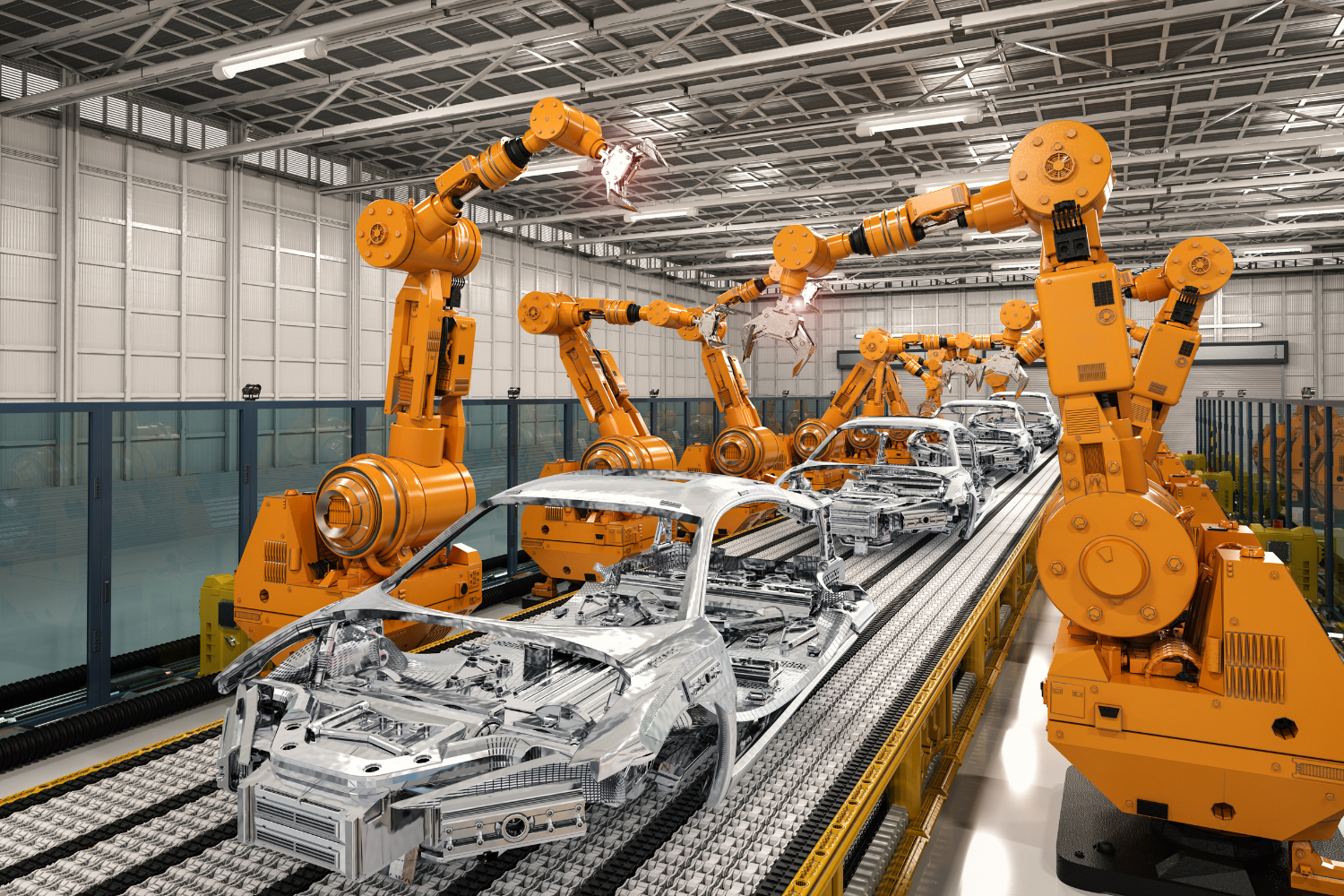
Automation replaces repetitive tasks in fields like manufacturing and customer service, as machines and software continuously enhance efficiency. Robots assembling products and algorithms handling inquiries can lower costs for businesses but also leave human workers displaced.
For those affected, the transition can mean reskilling or facing prolonged job searches, redefining entire career paths. As automation becomes more prevalent, sectors like retail and transportation prepare for shifts that could reshape labor market landscapes. Understanding the automation impact is vital for shaping future workforce strategies.
5. Inadequate access to affordable childcare affects workforce participation.

Lack of affordable childcare remains a formidable barrier for many parents aiming to join the workforce, as high costs and limited options leave them without viable support. Working parents often face difficult decisions balancing work and family responsibilities.
For families with lower incomes, childcare decisions directly influence employment, sometimes limiting job opportunities to those with flexible or part-time hours. When parents cannot rely on quality care, workforce participation diminishes, affecting productivity and economic stability. Childcare accessibility often becomes a decisive factor in career advancement.
6. Job insecurity drives anxiety and instability among many employees.

Shifting economic landscapes lead to job insecurity, causing many employees to worry about their employment status. Factors like company restructuring or changing market demands add to the unease, fostering stress and potential instability in families reliant on steady income.
Concerns over job tenure affect both financial planning and personal well-being, prompting employees to seek positions with perceived minimization of risk. Still, security is elusive in rapidly evolving industries. Residents of economically volatile regions feel heightened stress, influencing local consumer confidence.
7. Unequal pay and discrimination remain prevalent in many workplaces.

Unequal pay endures as a complex issue in workplaces, with disparities often seen along gender and racial lines. Employers continuously face challenges in implementing effective measures to rectify pay gaps, which can foster low morale and hinder company culture.
Visibility into pay inequalities prompts some businesses to reassess salary structures, aiming for transparency and equity. Meanwhile, discrimination, overt or subtle, remains a concern, with marginalized groups experiencing unique challenges. Addressing workplace discrimination requires systemic change and commitment from leadership.
8. The decline of labor unions weakens workers’ collective bargaining power.

Labor unions, historically crucial for advocating worker rights, have seen a decline, weakening collective bargaining power. This shift impacts wage negotiations, job conditions, and employee benefits, areas once fortified by union strength in many industries.
Despite union membership drops, movements advocating for improved conditions persist, modeled on union principles. As management attempts to balance cost-savings with employee satisfaction, the diminished union presence leaves workers with fewer tools for organized representation. Changing dynamics prompt reflection on labor future directions.
9. Gig economy jobs often lack traditional benefits and protections.

Jobs within the gig economy, such as delivery or freelance work, often provide flexibility that appeals to modern lifestyles. However, these positions typically lack traditional benefits like healthcare or retirement plans, leaving workers susceptible to economic uncertainties.
Without the safety nets of full-time employment, gig workers shoulder risks independently, from inconsistent income to lack of protection against workplace issues. Municipal regulations attempt to address these gaps, but gig workers frequently navigate legal and financial landscapes alone, impacting long-term stability.
10. Remote work presents challenges in employee engagement and collaboration.

Remote work redefines how employees engage and collaborate, presenting unique challenges in maintaining efficacy and cohesion. Virtual environments often require adapting communication strategies to nurture team dynamics and sustain productivity.
Although remote setups provide scheduling freedom, they can also blur work-life boundaries, introducing potential burnout risks. Tools and technologies facilitate connection, yet geographical dispersion may hinder spontaneous idea exchanges. Balancing autonomy with accountability becomes a nuanced challenge in fostering a unified remote culture.
11. Underemployment leaves many workers in roles below their skill level.

Underemployment leaves many in positions not fully utilizing their skills, leading to dissatisfaction and potential stagnation in careers. Highly educated individuals can find themselves in roles undervaluing their qualifications due to limited market opportunities.
For recent graduates, accepting interim positions might offer experience but without aligning with long-term career aspirations. Persistently underemployed workers may seek alternative pathways for growth, which can involve retraining or shifting industries entirely. Underemployment impacts workforce morale and economic mobility.
12. Mismatched education and labor market demands hinder long-term employment.

Education and market demand often misalign, posing a unique challenge in achieving cohesive labor connectivity. Students pursuing degrees may enter sectors without immediate needs, complicating job searches post-graduation and raising concerns about education return-on-investment.
Industries requiring specific skill sets may attract less focus in academic paths, leading to talent shortages and proactive recruitment strategies. Bridging educational preparation with market demands necessitates ongoing dialogue between academic institutions and industry sectors. Realigning educational goals with evolving job landscapes could optimize employment prospects.