11 States That Contribute More in Federal Taxes Than They Receive in Federal Aid

Understanding which states pay more in federal taxes than they receive in aid reveals fiscal imbalances.
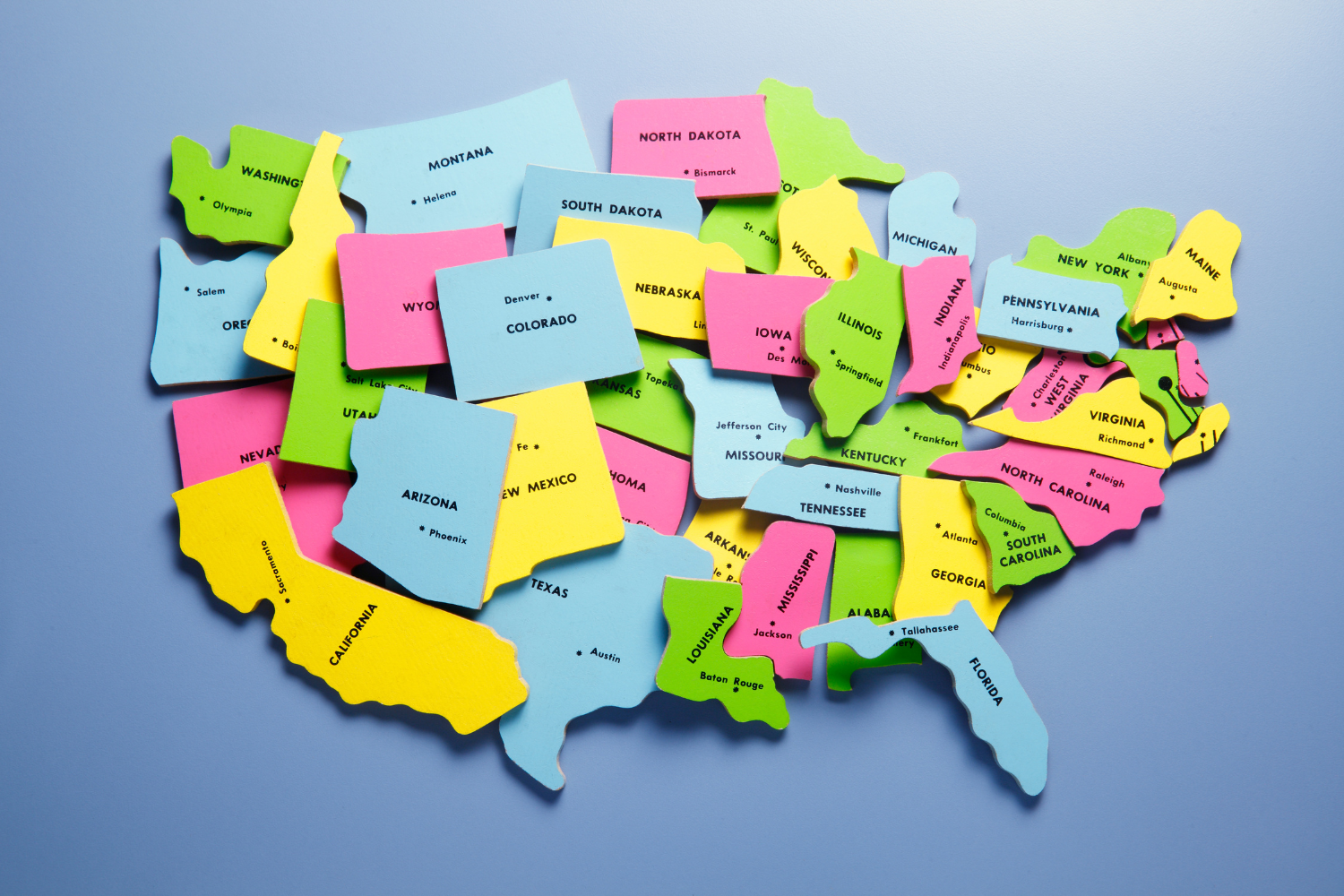
©Image license via Canva

Several U.S. states consistently contribute more money to the federal government in taxes than they receive back in federal aid. This fiscal imbalance is shaped by factors such as economic diversity, industrial strength, and demographic profiles. Recognizing which states are net contributors helps clarify ongoing debates about federal spending priorities and state budget strategies, highlighting the complex nature of interstate economic relationships and national fiscal policy.


Read more

9 Western Countries With Lower Debt-to-GDP Ratios Than the U.S.

Explore nine Western nations with notably lower debt-to-GDP ratios than the United States economy.

©Image license via Canva

Comparing national debt requires looking beyond absolute figures to the debt-to-GDP ratio, which measures debt relative to economic output. Several Western countries maintain lower ratios than the U.S., indicating different approaches to fiscal policy and economic management. Understanding these comparisons sheds light on how diverse economic structures and governance impact fiscal health, offering a nuanced view of sovereign debt beyond headline numbers.

Read more

12 European Countries With a Better Work-Life Balance Than the U.S.

European nations demonstrate stronger employee protections and leisure policies than the u.s.

©Image license via Canva

Several European countries consistently outperform the United States in achieving a healthier work-life balance, thanks to shorter working hours, more generous vacation policies, and robust labor laws. These nations emphasize employee rights and cultural attitudes that prioritize personal time alongside professional duties. Understanding these differences sheds light on how work-life harmony can be thoughtfully cultivated through policy and societal values rather than reduced productivity.

Read more

7 States with the Highest Rates of Alcohol-Involved Fatal Crashes

Several US states have significantly higher rates of fatal crashes linked to alcohol than others.

©Image license via Canva

Understanding which states experience the highest rates of alcohol-involved fatal crashes provides insight into the ongoing challenges of impaired driving. Factors such as rural geography, law enforcement capacity, and local culture contribute to these variations. By examining data from authoritative sources like the National Highway Traffic Safety Administration and the CDC, we can better appreciate the nuances behind state comparisons and the importance of targeted prevention efforts to improve road safety.

Read more

9 Vintage ‘Treasures’ That Look Expensive but Collectors Avoid

Understand which vintage collectibles look costly but lack true value to avoid costly mistakes.

©Image license via Canva

Many vintage items may seem valuable at first glance due to their appearance or age, but collectors often avoid them for valid reasons. Factors like poor craftsmanship, common reproductions, condition issues, and low market demand can greatly reduce an item’s collectibility. Knowing how to spot these less desirable pieces helps enthusiasts make informed decisions and invest wisely in truly authentic, valuable collectibles.

Read more

These States Have the Highest Obesity Rates in the Nation

Explore the factors and trends behind the states with the highest obesity rates in the US.

©Image license via iStock

Obesity rates vary widely across the United States, with certain states consistently showing higher levels of this public health concern. These differences result from a mix of lifestyle, economic, and environmental factors that influence diet, physical activity, and access to healthcare. Understanding which states have the highest obesity rates helps shed light on broader health risks and the importance of targeted prevention efforts informed by expert research from institutions like the CDC and Harvard T.H. Chan School of Public Health.

Read more

These Ultra-Processed Food Swaps Will Fill You Up and Save Money

Simple swaps for ultra-processed foods that cut costs and keep hunger at bay.

©Image license via Canva

Ultra-processed foods often appeal because of convenience and taste, but they can be costly and leave you feeling hungry sooner. By choosing budget-friendly, minimally processed alternatives, you can enjoy meals and snacks that satisfy longer without stretching your wallet. Making informed swaps allows better control over nutrition, helping you stick to a wholesome eating routine that supports both health and financial goals.

Read more

These Grocery Items Tend to Stay Affordable Despite Tariff Tax

Certain grocery staples largely resist price hikes despite tariffs and trade disruptions.

Grocery store aisle, woman in green apron, shelves packed with goods, bright lighting, editorial travel photo, single person.
©Image license via Canva

When tariffs raise import costs, some grocery items remain surprisingly affordable. This stability often stems from domestic production and low dependence on imported materials. Understanding which products resist price inflation can help consumers stretch their budgets. Staples like rice, pasta, and peanut butter typically show less price volatility, offering reliable options even when trade policies change. These selections highlight how local supply and storage longevity contribute to steady pricing.

Read more