
Pet ownership is becoming an impossible luxury for many.

Economic strain in the U.S. and Canada has pushed dog and cat owners to admit defeat: shelters are seeing a flood of surrenders. In Chicago, for example, Chicago Animal Care and Control reports handling an average of 56 animals per day—a surge that’s overwhelming staff and space.
That rising tide isn’t limited to Windy City shelters. It reflects deeper stress points—housing rules, vet bills, food costs—that force people to choose between caring for a pet and keeping their household afloat.
1. Unexpected veterinary bills break budgets.

One of the most frequent heartbreaks involves emergency medical costs. A treatable illness or injury can demand thousands in care—far beyond what many owners expected. When insurance isn’t available or the expense would derail monthly bills, surrender becomes an anguished option.
Shelters now see more animals arriving with untreated issues. Many were surrendered specifically due to medical burden, not behavioral problems or neglect. It’s a trend that magnifies how fragile pet ownership becomes when life’s smallest shocks weigh too heavily.
2. Soaring food and supply costs squeeze owners.

Pet food, treats, medications, grooming, toys—these ongoing costs have inflated significantly in recent years. Many owners struggling with rent, utilities, or groceries find that maintaining a pet feels like an extra burden they can no longer afford.
As the prices climb, households cut back where they can. That often means “optional” expenses like vet checkups or supplements. Over time, small sacrifices accumulate until owners conclude they’d be kinder to their pet by giving it away—despite the emotional toll.
3. Housing restrictions force tough choices.

More apartments and landlords now impose pet restrictions, size limits, or extra deposits. Some don’t allow dogs at all. As renters lose options, they may feel forced to give up beloved pets for lack of acceptable housing.
Even when landlords permit pets, rising insurance or fee demands can make keeping an animal untenable. Owners who once saw a dog as part of their family must finally confront the reality that not every living space welcomes furry companions.
4. Behavioral issues emerge without support.
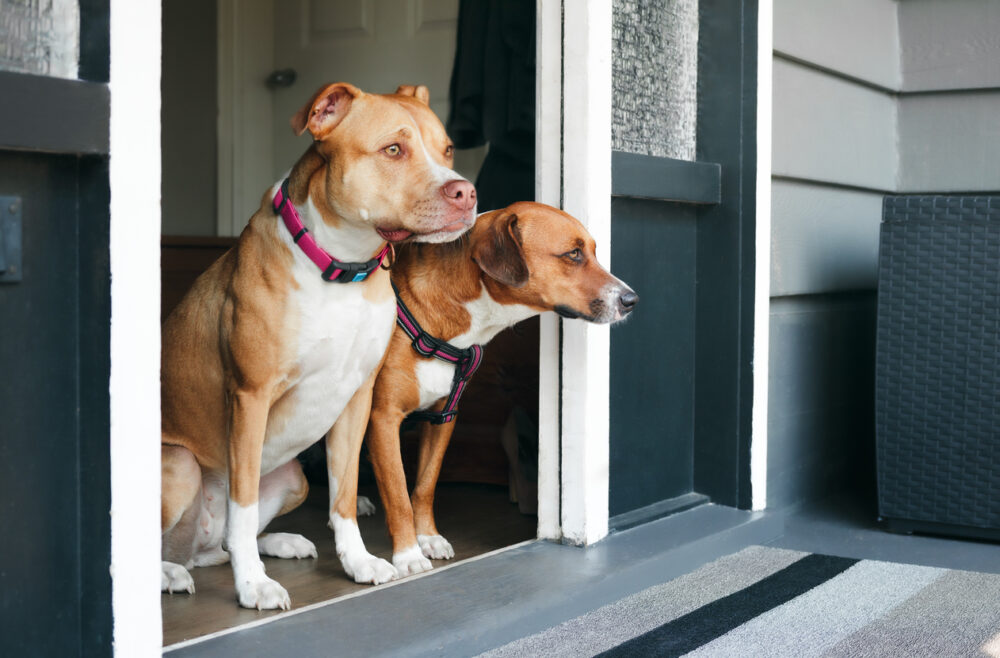
Pets sometimes act out due to stress, lack of training, separation anxiety, or shifting routines. Without easy access to behaviorists or training resources—costly luxuries for many—owners feel unequipped to manage. That frustration leads to surrender in too many stories.
Shelters increasingly absorb animals surrendered for aggression, chewing, barking, or other problematic behavior. While some of these issues might be remediable, the lack of access to early intervention turns what might have been fixable into a final farewell.
5. Life changes force painful decisions.

A job loss, then a move, then a family crisis—life transitions often trigger rehoming. When circumstances shift suddenly, pets are sometimes seen as unmanageable liabilities—especially if owners face tighter budgets or must downsize.
These decisions are rarely bullet-proof rational ones. They carry guilt and grief. Pet surrender often sits at the intersection of love and necessity, when owners feel they have no other viable path.
6. Lack of accessible assistance leaves owners powerless.

Many surrenderers say they tried alternatives—calls to rescues, begging for help—but encountered long waitlists, bureaucratic barriers, or refusal. When no help is forthcoming, handing over a pet seems like the only option left.
Some shelters and nonprofits run support programs—pet food banks, low-cost clinics, behavior hotlines—but demand often outpaces supply. Owners who might have persisted with a little assistance instead feel pushed to abandon.
7. Rising overwhelming intake makes shelters desperate.
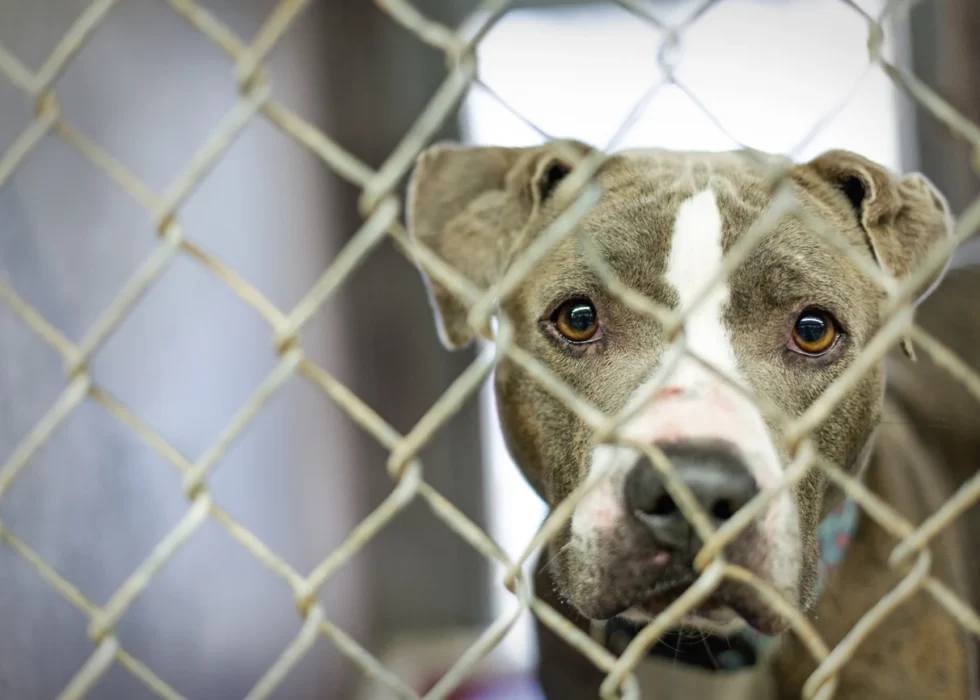
Shelters like Chicago’s are reaching breaking point: they never planned for such volumes. Overcapacity strains staff, resources, and space, prompting faster turnover or euthanasia for unadoptable animals. (Chicago estimates show euthanasia increasing, particularly among dogs. )
That pressure affects how surrenders are handled. Some animals arrive with fewer safety nets or interventions. The emotional cost hits shelter workers too—many feel they’re choosing between lives under impossible constraints.
8. Pet owners often feel judged and ashamed.

Admitting defeat with a pet carries intense stigma. Many surrenderers dread being seen as irresponsible or uncaring. That shame delays action until the situation feels unmanageable.
By the time the decision is made, heartbreak has often been brewing for months. The emotional burden compounds the practical one—and owners frequently say it feels like giving up a member of the family.
9. The pandemic adoption bubble faded.

During lockdowns, pet adoptions surged—but many new owners underestimated long-term responsibilities. As life returned to normal, some owners found that a pet simply didn’t fit their schedule or budget. That “pandemic puppy” era left many shelters grappling with returns.
The enthusiasm of isolation gave way to real costs: vet checks, training, socialization. What seemed manageable during extra free time felt overwhelming once work, travel, and expenses resumed.
10. Systemic inequalities magnify risk.

Lower-income households, communities of color, and renters bear a disproportionate burden. They typically have less savings, more volatile income, and fewer supportive options. Pets in those circumstances often become collateral in financial distress.
When systemic pressures rise—job instability, housing insecurity, medical debt—pet upkeep becomes a secondary casualty. The rising trend of surrender is a mirror of larger economic fragility, not a failure of affection.