
Some faiths see psychedelics as spiritual shortcuts to transcendence.
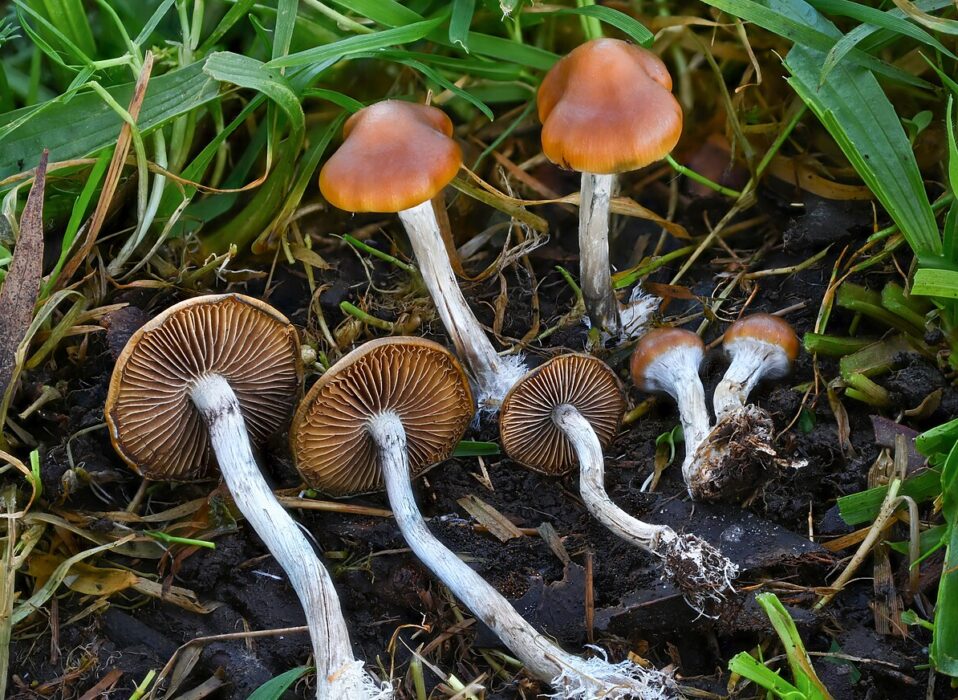
In recent years, certain religious groups have started framing substances like psilocybin, ayahuasca, and peyote as pathways to divine connection. According to Double Blind, clergy and congregations are blending ancient sacramental traditions with modern psychedelic understanding. This year the Gaia Church in Spokane, WA, became one of the first churches in America to receive a DEA exemption.
These shifts reflect deeper questions about ritual, meaning, and how we experience the numinous. For believers, the medicine isn’t just a chemical—it’s a doorway, and faith is at a turning point.
1. Psychedelics are viewed as sacramental tools.

In these growing movements, psychedelics are more than spiritual supplements—they’re sacraments, treated with reverence and ritual. Leaders argue that the compounds awaken divine awareness, helping practitioners access mystical states traditionally reserved for saints, prophets, or sages. They become central rather than peripheral to worship.
This approach transforms religious practice. Instead of sermons and scripture being the main bridge to the sacred, the sacrament experience becomes the conduit. Worshippers claim it can intensify prayer, deepen devotion, and shift the landscape of faith itself.
2. The appeal fills gaps left by institutional religion.
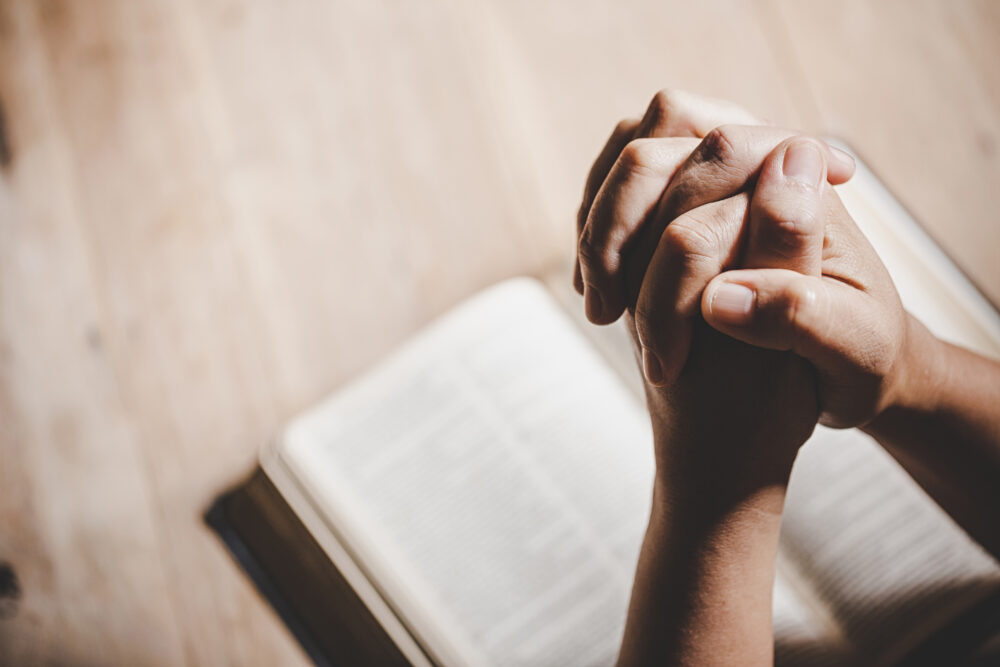
Many people feel spiritual hunger unmet by conventional religious institutions. In a world of fractured faith, these psychedelic-infused groups promise something experiential and direct—a way to “meet God” beyond doctrine. The mysticism bypasses intermediaries and brings the divine into raw, felt experience.
For seekers disillusioned with dogma, psychedelics can seem like a shortcut: a path to feeling rather than believing. It’s less about creed and more about encounter, which appeals to those craving intimacy with mystery rather than a rigid belief system.
3. Some clergy are converting after personal experiences.
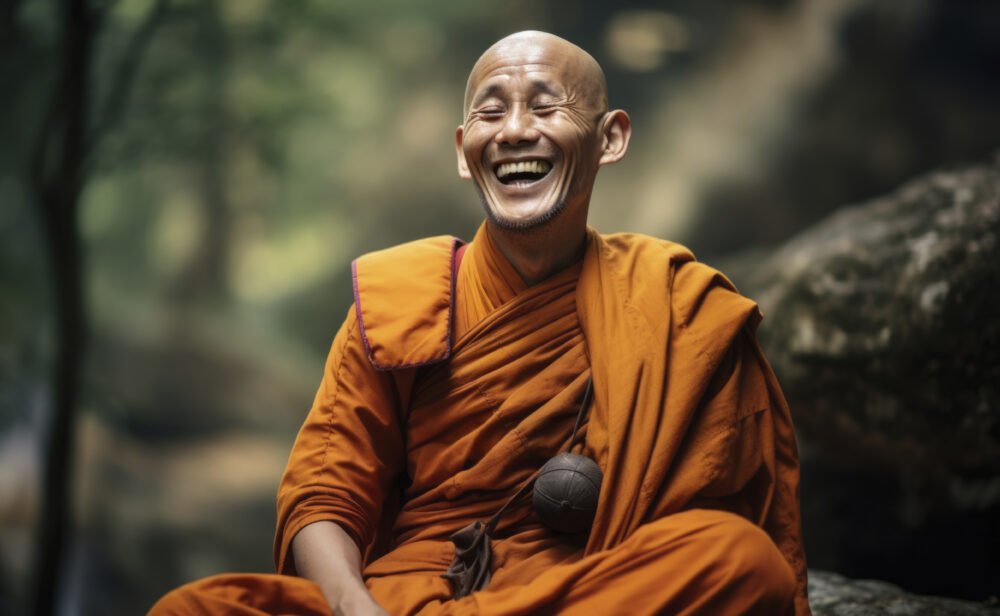
Interestingly, clergy themselves—priests, monks, rabbis—are among proponents of psychedelic sacramental use. In a study cited in the analysis, many participating religious leaders described the experience as one of the most spiritually significant of their lives. After such encounters, they often begin advocating for responsible use within a sacred framework.
This flips roles. Religious authority isn’t solely top-down anymore; some clergy speak from their own altered states. Their personal testimony can grant legitimacy and open doors for congregations willing to explore new sacramental practices.
4. Legal protections for sacred use are being tested.

Religious groups often cite laws that protect sincere religious practice when advocating for access to psychedelics. They argue that sacramental status justifies use under freedom of religion frameworks. Legal battles to carve out exemptions are already emerging, especially in the U.S. context.
These debates matter deeply. If courts recognize psychedelic use as religious ritual, it could shift how law handles these substances altogether. Advocacy becomes spiritual and legal, intertwined in shaping what’s permissible.
5. Risks and tensions emerge in pursuit of the divine.

Sacramental status doesn’t erase danger. Psychedelics can provoke anxiety, psychosis, or traumatic experiences if not mediated by care, context, and integration. Critics warn that spiritual fervor might lead to pressure to consume or overstate benefits.
Organizers within these groups often emphasize safety protocols, preparation, and aftercare. Still, the blending of high risk and high spiritual reward creates tension. The question becomes whether religion can provide the guardrails that medicine and psychology traditionally offer.
6. Psychedelic use may reshape theology and doctrine.

When mystical experiences flood beyond the margins, they challenge established dogma. Some groups may reinterpret scripture, sacrament, and authority in light of psychedelic insight. Theology may evolve to account for new visions, direct revelation, or communion beyond words.
That potential invites both excitement and resistance. Traditionalists may chafe at unpredictable experiences. Reformers will push for theology that honors the experience without falling into chaos. The negotiation between structure and mystery lies ahead.