
Making noise doesn’t require shouting—it just takes strategy, presence, and a little backbone.

It’s easy to feel drowned out in a country full of opinions, headlines, and constant arguments. But raising your voice doesn’t mean raising your volume. If you care about something—your community, your rights, your future—there are ways to speak up that are thoughtful, effective, and impossible to ignore. You don’t need a bullhorn or a massive following. You need consistency, courage, and a way to engage people that feels true to who you are.
Too many people stay silent because they think they’re not loud enough, educated enough, or connected enough to make a difference. But everyday folks have shaped laws, changed minds, and redirected national conversations simply by showing up and refusing to back down. These 10 peaceful strategies are how you step into that role—not as a disruptor for the sake of it, but as someone who’s ready to be heard without starting a fight. The tools are already in your hands. It’s just about using them on purpose.
1. You can write personal letters to your elected officials.

Emails are quick and convenient, but an old-fashioned, handwritten letter still grabs attention, according to Rachel Meltzer at Grammarly. Politicians and their staff notice the time you took and the emotion behind your message. It’s not just noise—it feels personal, and that makes it powerful.
Keep it brief but heartfelt. Mention why the issue matters to you specifically, how their vote or position will affect real people, and ask for a direct response. You don’t need fancy language—just honesty. That alone can separate your voice from the digital avalanche.
2. You can speak during public comment periods at local meetings.

City councils, school boards, and town hall meetings have time carved out for the public to speak, as reported by the experts at the Foundation for Individual Rights and Expression. Most people don’t use it, which makes it a goldmine for regular citizens to be heard. Just showing up makes you stand out.
You don’t need to be a policy expert. Talk about what you see, what you’ve experienced, and what you hope changes. People listen more when it’s clear you’re talking with heart, not just headlines. And when others hear you speak, it often inspires them to raise their voices too.
3. You can use social media as a tool—not a weapon.

A single well-crafted post can reach more people than a rally, as stated by the authors at She Should Run. But it’s not about posting constantly or getting into fights in the comments. It’s about sharing clear, honest ideas that get people thinking—not yelling.
Use your platform to elevate stories that matter, spotlight local efforts, or challenge misconceptions in a respectful way. If you’re thoughtful and consistent, people start tuning in. And when your voice earns trust, that’s when real influence begins.
4. You can organize peaceful gatherings with a clear message.
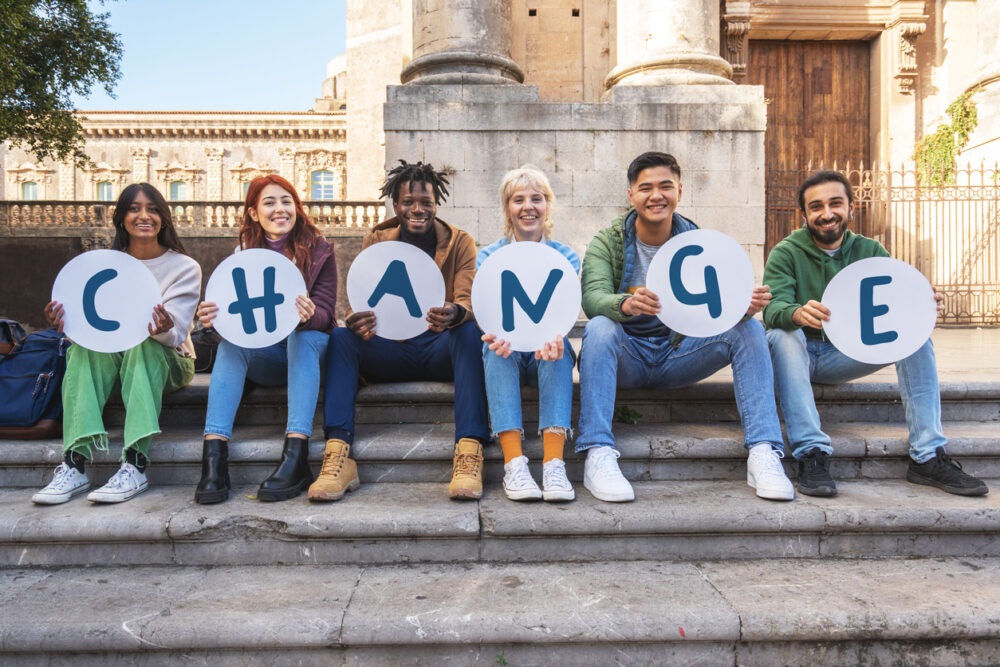
Protests don’t have to be chaotic or confrontational. A well-organized, peaceful demonstration with signs, chants, and a clear focus sends a message louder than anger ever could. And when it’s local, it feels even more powerful.
Getting a permit, spreading the word, and working with local leaders can help keep everything safe and impactful. When people gather with purpose, even in small numbers, it shows the issue can’t be ignored—and neither can the people behind it.
5. You can call in to local radio shows or podcasts.

Local stations love hearing from everyday people. Whether it’s a call-in segment or an invitation to speak on a podcast, these platforms let you voice your views in ways that feel conversational, not confrontational.
Make your point clearly, stay respectful, and bring personal insight to the topic. People remember stories, not lectures. A thoughtful call can leave a mark on listeners—and sometimes lead to invitations for future conversations.
6. You can start or sign a petition that matters.

Online petitions are everywhere, but the ones that stick around have a personal touch. Create one that speaks to a real issue in your community, or add your name to one that aligns with your values. It’s a quick way to show support, but it also builds momentum when others see it gaining traction.
Pair the petition with an action—emailing officials, attending meetings, or sharing updates. Numbers are nice, but impact comes when those names represent real people ready to stand behind the cause.
7. You can wear your message literally on your sleeve.

T-shirts, pins, bumper stickers—they’re conversation starters. They show people what you believe without saying a word. And if someone asks about it, that’s your opening to talk, not argue.
The key is choosing something that makes people curious, not combative. Humor, hope, and honesty stick with folks more than outrage. That one shirt could spark a hundred quiet conversations that change how people think.
8. You can talk to your neighbors and actually listen.

Sometimes, the biggest impact happens across the fence, not online. Knock on a door. Chat at a community event. Ask questions. Share why something matters to you and give space for them to share too. It’s not about convincing—it’s about connecting.
When people feel heard, they’re more likely to hear you out. And those small conversations often echo out further than you realize. Real change usually starts close to home, with people you see every day.
9. You can support local journalism that holds power accountable.

Independent reporters and small-town newspapers are often the only ones digging into local issues. Subscribing, sharing, and supporting their work keeps those voices alive—and keeps you informed with facts instead of noise.
When local journalism thrives, corruption has fewer hiding spots. And when you boost their reach, you’re not just being heard—you’re helping others hear the truth too. That’s real influence, even if it’s behind the scenes.
10. You can vote in every election—not just the big ones.

Your vote doesn’t just count during presidential elections. Local and midterm races often come down to razor-thin margins—and those are the leaders who affect your daily life the most. Showing up every time sends a message that you’re paying attention.
And when you encourage friends and family to vote too, your voice multiplies. Change doesn’t start at the top—it starts with people who show up when others don’t. That’s where your voice starts making waves.