
The fascinating features and innovations behind SpaceX’s Falcon 9 rocket technology.

SpaceX’s Falcon 9 rockets have revolutionized spaceflight with their innovative design and capabilities. Known primarily for their partial reusability, these two-stage launch vehicles deliver payloads efficiently to orbit while significantly reducing costs. Equipped with nine Merlin engines, Falcon 9 supports a wide range of missions, from satellite deployment to cargo resupply for the International Space Station. Understanding these key facts sheds light on how Falcon 9 shapes the future of commercial space exploration.
1. Falcon 9 rockets are partially reusable to reduce space launch costs.

Falcon 9 rockets stand out for partial reusability, a design choice to cut launch costs significantly. By recovering and reusing the first stage, SpaceX dramatically decreases the price of accessing space, much like repurposing a bicycle reduces the need to buy a new one.
The reduced costs enable more frequent launches, broadening access to space for various projects. From launching commercial satellites to facilitating research missions, reusable rockets open doors, much as affordable flights might lead to new travel opportunities or experiences.
2. Each Falcon 9 rocket consists of two stages for orbital delivery.
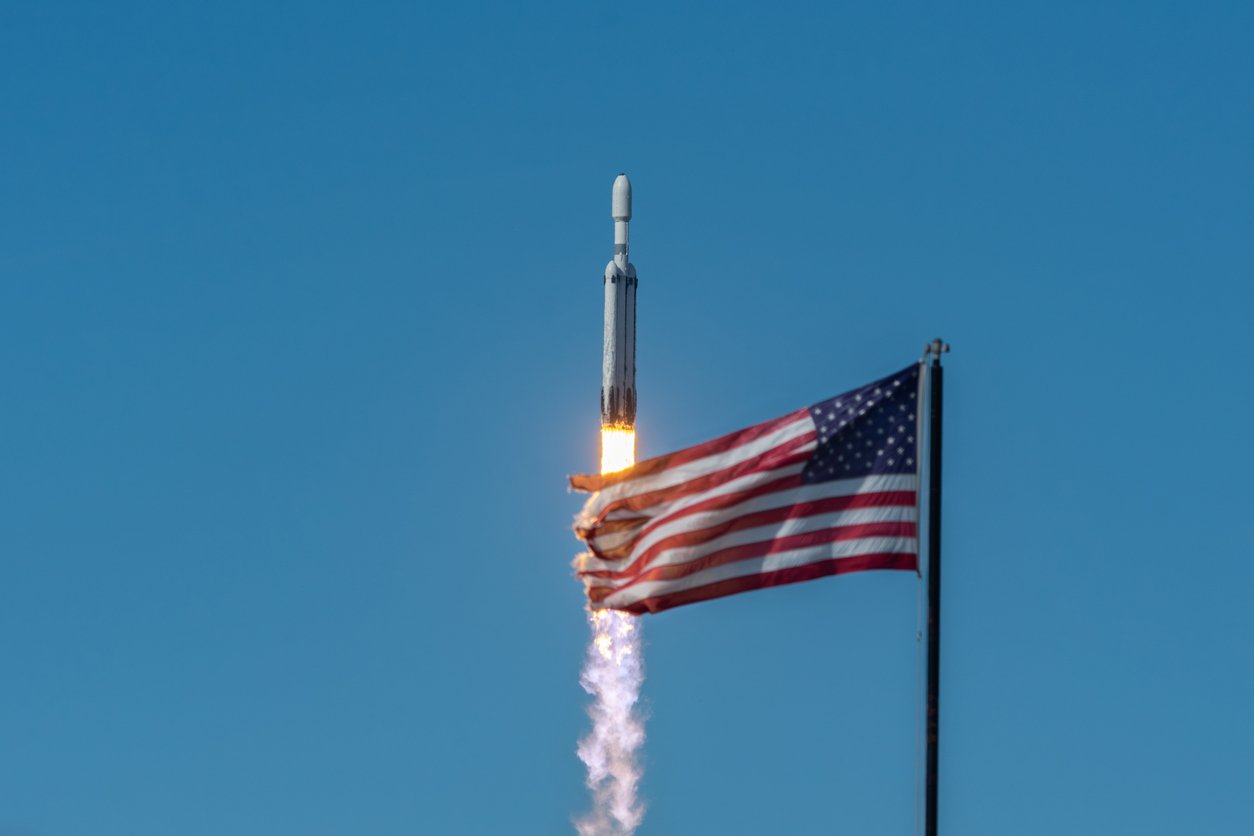
A two-stage design is fundamental to Falcon 9’s architecture, ensuring efficient payload delivery to orbit. The first stage provides the initial thrust to escape Earth’s atmosphere, while the second stage carries the payload toward its destination with precision.
This setup, succinct and effective, allows the rocket to reach a myriad of orbits and accomplish diverse missions seamlessly. Eliminating unnecessary stages streamlines operations, akin to reducing clutter in a workspace to enhance productivity and focus.
3. The first stage is powered by nine Merlin engines for propulsion.

Nine Merlin engines power the Falcon 9’s first stage, providing robust propulsion to lift the rocket skyward. Each engine’s capability is finely tuned for optimal performance and efficiency, much like a well-oiled machine functioning at full tilt on a factory floor.
These engines work in concert to achieve a thrust that propels payloads beyond Earth’s atmosphere, forming a critical component for mission success. Engine reliability is paramount, as any failure could jeopardize the entire operation, mirroring the indispensable role of a conductor in a grand orchestra.
4. They have a payload capacity suitable for diverse missions.
Falcon 9 offers substantial payload capacity, enabling it to serve a wide range of missions. Its design allows it to deliver payloads to various orbits, from low Earth orbit to geostationary transfer orbit, accommodating diverse needs with versatile efficiency.
Such capability supports an array of projects, from deploying communication satellites to transporting equipment for scientific endeavors. This versatility is akin to a multipurpose tool that can handle different tasks seamlessly, enhancing project flexibility and reach.
5. The rocket’s design prioritizes rapid reusability and quick turnaround times.

Rapid reusability and quick turnaround are priorities in the Falcon 9 rocket’s design. This focus allows components to be refurbished efficiently, minimizing downtime between launches and maximizing the fleet’s productivity, much like quick turnovers in a bustling restaurant service.
Such innovation demands rigorous engineering and careful planning, reflecting SpaceX’s commitment to evolving space travel. Reducing turnaround time enables multiple launches annually, fostering a busy cadence akin to a well-coordinated orchestra’s performance schedule.
6. SpaceX conducts regular tests to ensure Falcon 9’s flight reliability.

SpaceX’s regular testing regime ensures Falcon 9’s reliability on each flight, reflecting a commitment to safety and excellence. Thorough checks and pre-flight assessments confirm readiness and performance, promising successful missions akin to thorough rehearsals ensuring a play’s flawless premiere.
Extensive testing not only guarantees engine and system performance but instills confidence in clients entrusting their payloads to the vehicle. Benchmarks and stress tests simulate real-flight conditions, much like practice trials sharpen an athlete for competition.
7. Falcon 9’s landing technology helps recover the rocket’s first stage.
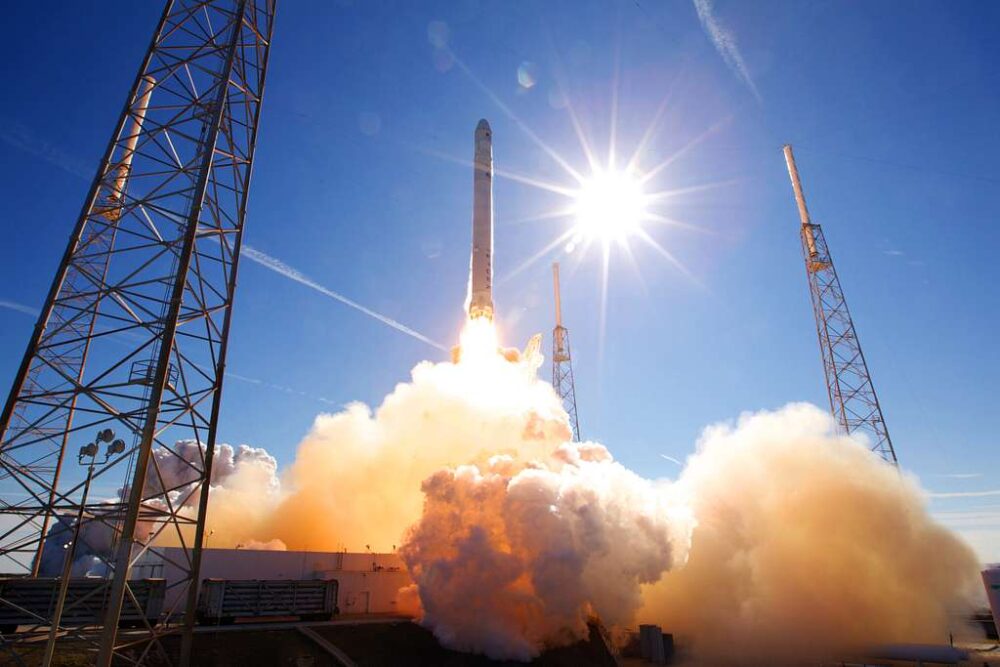
The innovative landing technology of Falcon 9 contributes to significant cost savings by recovering its first stage. These landings on droneships or landing pads demonstrate engineering prowess, akin to a gymnast performing a complex routine with pinpoint precision.
Successful recoveries allow the first stage to be refurbished and reused, lowering overall expenses and guiding a path toward sustainable space travel. This remarkable ability is transforming the economics of space exploration, similar to reusable bags replacing disposable ones for environmental benefit.
8. The rockets support a variety of missions, from satellites to cargo.
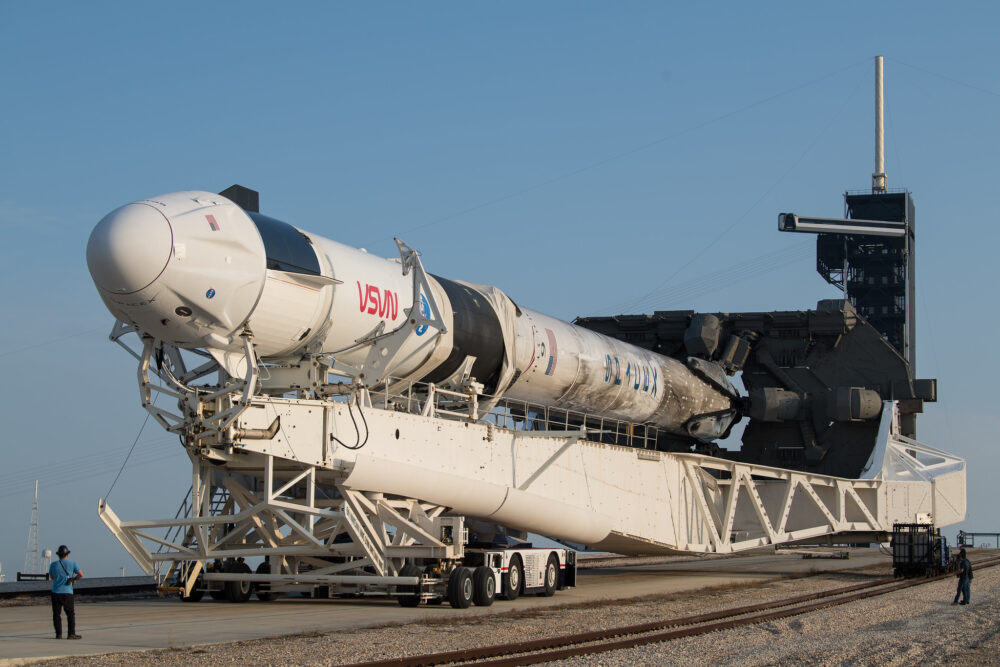
Falcon 9 rockets support diverse missions, from launching satellites to delivering cargo to the International Space Station. This dynamic capability accommodates commercial, scientific, and governmental payloads, illustrating their versatility like a multi-talented performer on a grand stage.
Such flexibility broadens the scope of space exploration, enabling frequent access for varied initiatives and partnerships. From telecommunications to scientific advancement, the Falcon 9 platform is crucial, creating opportunities akin to shared rides reducing traffic congestion.