
A detailed look at jobs rapidly losing ground in the evolving us labor market.

The United States labor market is witnessing significant shifts as various occupations decline in demand due to technological advancements, automation, and changing economic landscapes. Jobs once common in manufacturing, communication, and traditional services now face reduced opportunities. Understanding these trends is essential for workers and policymakers alike, drawing on data from authoritative sources such as the Bureau of Labor Statistics and the National Employment Law Project to inform career and economic decisions.</p>
1. Telephone Operators Face Reduced Demand Due to Automated Technologies.

Telephone operators experience diminishing demand as automated technologies streamline communication. Tasks once requiring manual intervention now happen effortlessly through software or voice response systems. The familiar sound of a switchboard remains a memory, echoing a time when human operators routed calls and managed connections.
As technology advances, carriers increasingly rely on automated systems, further pushing these roles into obsolescence. For those employed, the transition means shifting their skills to areas less susceptible to automation like customer service, where human touch still holds value in complex interactions beyond basic dialing functions.
2. Textile Machine Operators Are Experiencing Steady Job Decline Nationwide.

Textile machine operators witness a downward trajectory largely due to advancements in manufacturing technologies. Modern machines handle tasks with greater speed and precision, requiring fewer human operators. In this realm, looms once guided by skilled hands are now mostly governed by digital commands.
The decline isn’t uniform across every city; regions with strong textile traditions might still offer sporadic positions. However, as global markets favor large, automated facilities, these roles contract, encouraging workers to acquire new skills beyond traditional craftsmanship to remain relevant in evolving industries.
3. Print Press Operators See Shrinking Roles Amid Digital Media Growth.
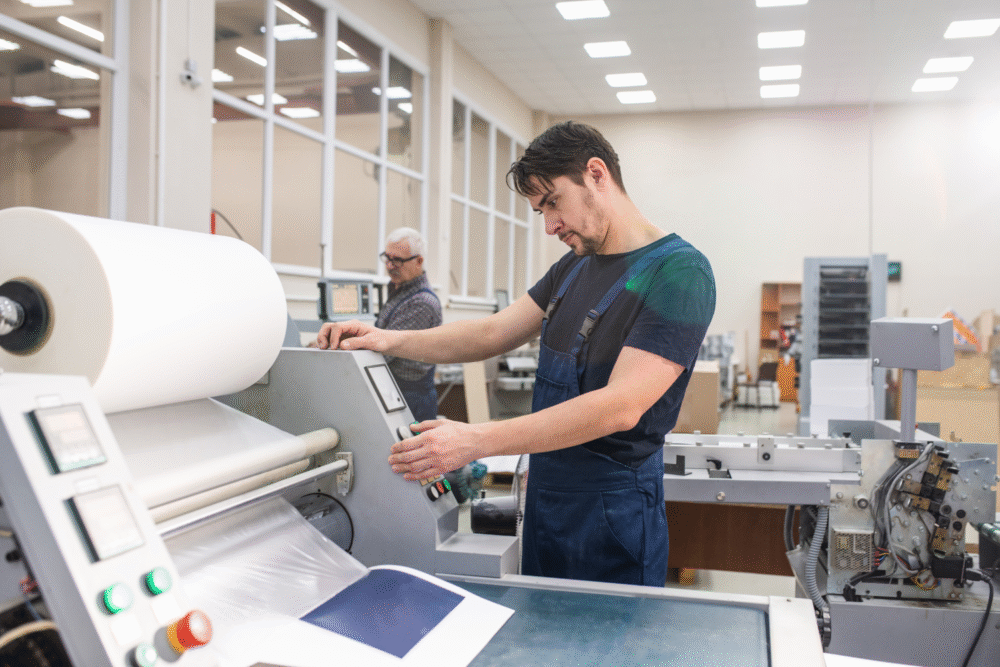
Print press operators encounter diminished roles as digital media gains prominence. With newspapers and magazines increasingly available online, the tactile experience of flipping pages becomes rarer. Short runs and custom jobs persist but offer fewer opportunities compared to the industry’s heyday.
Urban centers, with higher internet penetration, see the most profound shifts. This transition changes not just employment figures but also how stories are told, creating a demand for digital expertise over traditional print skills, nudging workers toward digital production avenues.
4. Postal Service Workers Encounter Fewer Openings with Electronic Communication.

Postal service workers navigate a landscape rife with electronic alternatives. Email, digital billing, and online communication intercept what was once a stream of letters and parcels. Letter-sorting machines replace some manual roles, altering the workforce dynamics inside bustling mailrooms.
Rural areas, where internet access is limited, might sustain postal roles longer. Yet, nationwide, the move toward electronic correspondence reduces job openings, prompting reevaluation of postal operations and broader organizational restructure to accommodate modern communication trends.
5. Travel Agents Are Losing Ground as Online Booking Becomes Standard.

Travel agents confront a shifting domain as online booking platforms rise. With the click of a button, travelers can secure flights, hotels, and more, bypassing traditional agents. Personal travel planning becomes a solitary, user-driven experience rooted in digital empowerment.
Although niche segments, such as luxury or bespoke travel, still rely on agents’ expert guidance, mass-market travel increasingly occurs without intermediary assistance. The pressing need for personalized, face-to-face consultation declines, inviting agents to explore niches or develop specialized knowledge for unique travel requests.
6. Data Entry Clerks Decline as Automation Handles Repetitive Tasks.

Data entry clerks see dwindling roles as automation optimizes repetitive tasks. Software solutions ingest and process vast information volumes with speed and accuracy unattainable through manual effort. Keyboards once tapping away see less action as data processing models evolve.
Routine data tasks dissolve into the background, overshadowed by sophisticated systems. This shift emphasizes the importance of problem-solving or analytical skills over mere input prowess, encouraging adaptation toward emerging tech-centric roles that capitalize on data beyond basic entry.
7. Assembly Line Workers Experience Decreased Opportunities from Robotics Integration.

Assembly line workers experience fewer prospects due to robotics integration. Automated machinery now executes repetitive tasks with precision, minimizing human intervention in manufacturing processes. The line once buzzing with synchronized labor now hums with the rhythm of mechanized arms.
In industries where consistency matters more than human dexterity, robots hold sway. This adaptation compels workers to retrain for supervisory or maintenance roles, overseeing the machines that reduce their need for hands-on assembly, enhancing productivity while altering workforce composition.
8. Meter Readers Face Obsolescence with Smart Meter Technology Implementation.

Meter readers face dwindling presence with the rise of smart meter technology. These devices report real-time usage directly to utility providers, eliminating manual readings. The streets, once a domain for secure jobs, evolve with technology’s relentless march forward.
Smart meters streamline operations and reduce overhead while promoting energy management efficiency. Consequently, the shift encourages former readers to consider roles in tech support or installation, aligning with new infrastructure demands where face-to-face visits become vestiges of the past.
9. Photographic Process Workers See Less Need Following Digital Photography Adoption.

Photographic process workers notice shrinking demand as digital photography becomes mainstream. Techniques once learned in darkrooms now exist in software, shifting focus from chemical processes to digital imaging. The tactile craft of developing photos fades as bytes replace physical prints.
While artistic photography still treasures analog methods, commercial needs increasingly embrace digital efficiency. Photographic workers explore roles in digital editing or conceptual shoots, where creative visions adapt to electronic mediums without forsaking artistic integrity at photography’s heart.
10. Switchboard Operators Are Becoming Rare Due to Automated Phone Systems.

Switchboard operators grow scarce as automated phone systems handle call-routing. Where operators once linked callers through switchboards, technology now seamlessly connects lines. The sound of clacking switches has given way to efficient, electronic systems that operate uninterruptedly.
Corporate switchboards once lined with blinking lights now function autonomously, signifying a pivotal industry shift. The human element, while less central, finds niches elsewhere, possibly exploring roles where nuanced communication or customer care demands personal interaction beyond mere call connection.
11. Bank Tellers Encounter Reduced Roles Because of Online Banking Services.

Bank tellers face role reduction amid the rise of online banking. Transactions once carried out across counters now occur via smartphones or computers. The clatter of coins exchanged by hand shifts to digital clicks managing accounts from afar.
Traditional teller tasks become less prevalent as self-service kiosks and digital platforms address basic banking needs. Personal finance engagements grow in complexity, directing human resources toward advisory roles, ensuring continuity where interactive guidance transcends simple transaction processing.
12. Newspaper Reporters Face Challenges as Print Circulation Continues to Fall.

Newspaper reporters encounter hurdles as print circulation dwindles. Digital news sources reshape the industry, prioritizing real-time updates over printed headlines. The experience of holding up a fresh newspaper in bustling streets feels nostalgic as screens replace paper.
While major cities boast extensive newsrooms, smaller outlets feel the squeeze most acutely. Journalists pivot, developing digital competencies that resonate with shifting readership habits, ensuring stories reach audiences where news consumption intersects with the immediacy of the digital age.