

You pictured a place waiting for you each year. A warm resort, familiar staff, drinks by the pool. It sounds like the dream of retirement done right. Honestly, the idea is beautiful on paper. The problem is what actually happens once the ink dries on that contract, and what that signature quietly costs for decades to come.
Thousands of retirees across the country are waking up to a financially painful truth. The numbers are staggering, and the stories are heartbreaking. Let’s dive in.
The Shocking Statistic Nobody Talks About at the Sales Presentation

Here’s the number that should stop every retiree cold: a 2025 analysis by Alpha Timeshare Consultants revealed that roughly nine out of ten timeshare owners regret their decision, largely due to average annual maintenance fees exceeding $1,200. That’s not a fringe opinion. That’s a near-universal verdict from the people who actually lived it.
According to various surveys cited by Lonestar Transfer, a staggering 87% of timeshare owners regret their purchase, with many citing high maintenance fees, difficulty in reselling, and long-term financial strain as key reasons for their dissatisfaction. Think about that for a moment. Nearly nine out of ten people who bought what was sold to them as a dream are now calling it a nightmare.
A study by the University of Central Florida found that roughly 85% of buyers regret their purchase. Whether the exact number lands at 85% or 87%, the message is the same. The vast majority of owners wish they had never signed. That is not a product problem. That is an industry problem.
What You Actually Pay Upfront – And Why That’s Just the Beginning

As of 2024, a timeshare’s average initial purchase price is $24,170 when bought directly from timeshare property developers. That’s a serious chunk of retirement savings, often financed at high interest rates. Let’s be real, most people don’t walk in with $24,000 in cash, and the financing terms are rarely kind.
With an average purchase price of $22,000 to $24,000, the cost may seem approachable for a lifetime of vacations. What many don’t realize is the upfront cost is just the beginning. You’re also signing up for loads of hidden fees, like maintenance fees and annual fees.
Finn Law Group estimates average owners pay approximately $44,484 in maintenance fees alone over 20 years, beyond the initial purchase price averaging $23,160. Add those figures together and you’re looking at a total outlay that could easily fund a decade of luxurious independent travel. That’s the comparison no salesperson will ever put on the whiteboard.
The $1,480 Annual Fee Bombshell: How Maintenance Costs Have Exploded

Average timeshare maintenance fees increased an eye-watering 17.5% in 2024. The average maintenance fee rose to $1,480 in 2024, up from an already sizeable $1,260 in 2023. That jump happened in a single year. Not over a decade. In twelve months.
According to a 2025 study conducted by Ernst & Young LLP, the average timeshare maintenance fee rose to $1,480 per weekly interval equivalent, a record high for the industry. The data shows a 36% increase in average timeshare maintenance fees over five years. Rising property costs, resort renovations, and inflation have all contributed to this spike.
Timeshare maintenance fees increase every year, typically between 5% and 10%, depending on the resort and ownership type. Over a decade, that means a $1,500 annual fee in 2025 could easily reach $3,000 or more by 2035. For a retiree living on a fixed income, that trajectory is nothing short of terrifying.
The Perpetual Fee Trap: You Pay Even When You Don’t Go
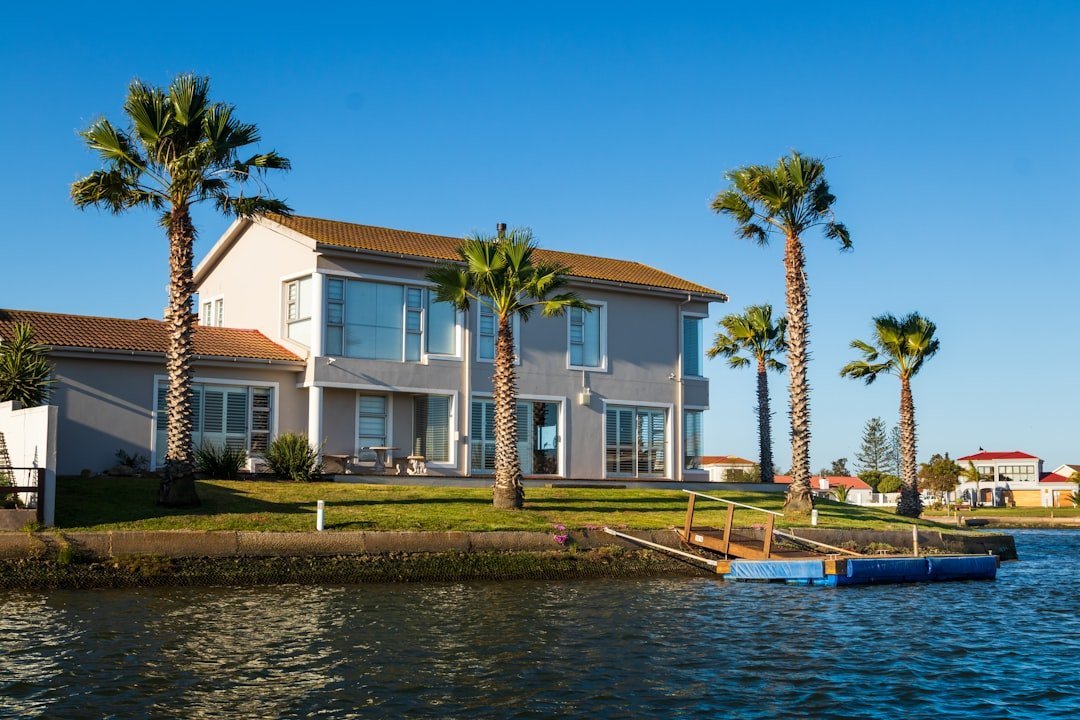
Timeshare maintenance fees are annual payments that almost every owner is contractually obligated to pay, whether they use their timeshare or not. I know it sounds crazy, but that’s the reality buried inside the contract. Didn’t travel this year? Doesn’t matter. Your bill is still coming.
Fees are mandatory whether or not you use your timeshare. Skip your vacation? You’ll still get a bill. Even if you’ve paid off the purchase price, the fees keep coming. Think of it like a gym membership you can never cancel, at a gym you can only visit during a narrow window each year.
According to industry data, roughly two thirds of consumers who wished to exit a timeshare wanted to do so because the maintenance fees were too high, with nearly half of respondents noting it as their most important reason for exiting. Additionally, nearly a third of respondents could no longer afford the timeshare maintenance fees. These are not minor inconveniences. They are retirement-altering financial burdens.
Special Assessments: The Bill Nobody Warned You About
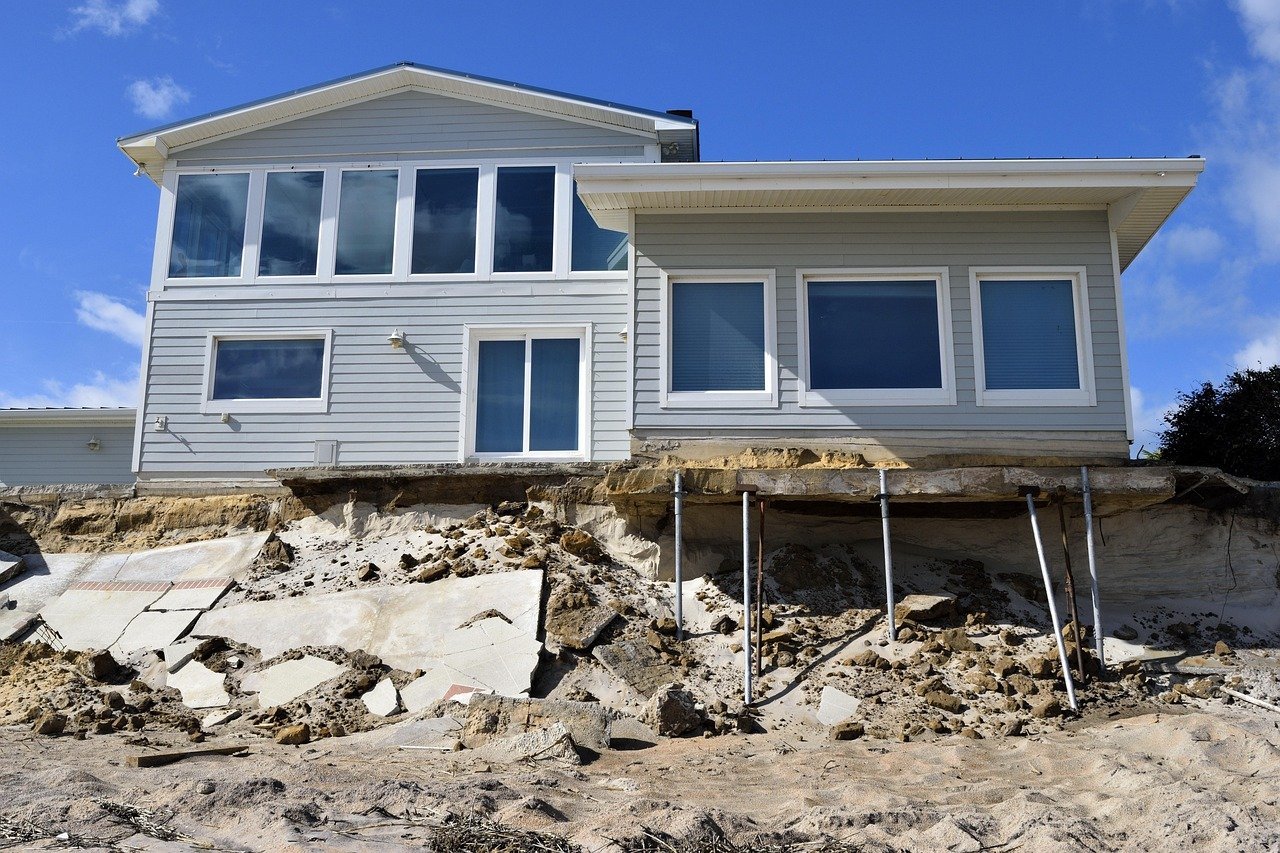
In addition to regular maintenance fees, timeshare owners may occasionally face special assessment fees. These are extra charges separate from your standard annual dues, typically used to cover unexpected costs – think major repairs after a hurricane or significant updates that go beyond regular maintenance. Special assessments aren’t billed every year, but when they do arise, all owners are responsible for paying their share.
Annual maintenance fee increases of 4 to 6%, surprise special assessments averaging $800 to $2,000, and interest on financed timeshares create escalating costs that make waiting progressively more expensive. These charges arrive with no warning and no ability to negotiate. You pay, or you face collections.
Special assessments hit owners when major repairs or renovations become necessary. Hurricane damage, roof replacements, or facility upgrades can add $500 to $5,000 in unexpected costs within a single year. Your contract legally obligates you to pay these fees even if you never visit the property again. This is a detail that almost never comes up during that sunny afternoon sales presentation.
The Resale Market Illusion: Why You Can’t Just Sell It

The problems start with the purchase itself. You’ll rarely sell a timeshare back for what you bought it for, usually recovering just pennies on the dollar if you can sell it at all. Beyond the thousands paid upfront, annual maintenance fees, utilities, and taxes quickly erode retirement savings. The oversaturated resale market makes exit strategies nearly impossible without incurring significant financial losses.
One reason for this drastic depreciation is that there are far more timeshares available for resale than there are interested buyers. This imbalance drives down prices, making it difficult for owners to sell their units for anywhere near the original purchase price. In many cases, owners can only sell their timeshares for a fraction of what they initially paid. They may also discover that they cannot sell it at all.
The timeshare industry generated over $10.5 billion in sales during 2023, yet resale values typically drop 50 to 70% the moment you leave the sales office. That’s staggering. The value collapses the instant you walk out the door. Like driving a brand-new car off the lot, except far worse and with no way to give it back.
High-Pressure Sales Rooms: How Retirees Get Locked In

The sales presentation will last much longer than promised. Timeshare presentations are notorious for going much longer than expected. While you may technically be free to leave, you don’t want to lose your free gift. You might have been promised a 90-minute meeting, but it’s more likely you’ll be stuck in that room for hours.
You will most likely be facing an entire sales team rather than one person. If they sense you’re not responding to a particular person or tactic, they’ll switch to one that works better for them. It’s a coordinated effort, not a casual conversation. There’s a reason the closing rate is significant – these are trained professionals, and you are, in many cases, a retiree on vacation and slightly off guard.
Because of the reputation of the timeshare industry, salespeople often misrepresent the ease of exiting the contract. Potential buyers are told about the possibilities of rental income or resale value that will never come to pass. By the time the promises dissolve into reality, the rescission window has already closed and the commissions have already been collected.
The Delay Trap: Why Waiting to Exit Costs You Even More

Timeshare owners across the US delay exit decisions for an average of 7 to 12 years after recognizing they want out. During this period, they pay tens of thousands in maintenance fees, special assessments, and interest charges while their exit options deteriorate and costs escalate. Seven to twelve years. That’s a long time to keep paying for something you’ve already decided you don’t want.
Owners wait too long because of fear, false hope for resale value, and belief that fees will stabilize. Each year of delay increases total costs while reducing available exit pathways and negotiation leverage. It’s a compounding problem in the worst possible direction, and it hits hardest during retirement, the one phase of life where financial recovery is most difficult.
An owner paying $1,200 annually in maintenance fees who waits 10 years to exit spends an additional $15,600 on a timeshare they never wanted, not including special assessments. Delayed action creates compounding financial damage. That’s money that could have funded healthcare, grandchildren’s education, or genuine travel freedom. Instead, it funds a resort the owner stopped visiting years ago.
Scams, Fraud, and the Exit Industry Minefield

Timeshare resale scams have exploded since 2024, with the FBI’s Internet Crime Complaint Center receiving nearly 900 complaints totaling over $50 million in losses. The people who got burned by the original purchase are now the top targets of a second wave of fraud. It’s a cruel double hit.
Scammers access public records to target owners, especially older adults who may not use their properties frequently. They pose as real estate agents with ready buyers. Immediate red flags include unsolicited contact promising quick sales, upfront fee requests before closing, and high-pressure tactics creating artificial urgency.
On average, U.S. victims lost $28,912 per transaction, with median losses at $10,000 – amounts that can devastate savings and retirement funds. It’s hard to say for sure how many people fall for these every year, but the FBI data suggests it’s far more than the public imagines. Anyone desperately wanting out of a timeshare is a potential target, and scammers know exactly how to exploit that desperation.
New Consumer Protections – And What They Still Can’t Fix

The Federal Trade Commission enforces rules under Section 5 of the FTC Act to combat deceptive practices in timeshare sales. Starting May 12, 2025, the FTC’s Junk Fees Rule mandates clear and upfront disclosure of all mandatory fees tied to lodging and vacation services. That’s a meaningful step forward, even if it came several decades too late for millions of current owners.
The Federal Trade Commission’s December 2024 Junk Fees Rule is a major step toward protecting consumers, with an estimated $11 billion in savings expected over the next ten years. Still, no regulation changes the contracts already signed. The new rules protect future buyers, not the retiree already locked into a 30-year agreement with perpetuity clauses and ever-rising fees.
Purchasing a timeshare can be a lifetime commitment or, at the very least, a long-term obligation lasting decades. Timeshare agreements often come with perpetuity clauses attached, meaning it could be yours for the foreseeable future. Regulation can make the industry more transparent going forward. What it cannot do is hand back the retirement savings that have already been consumed. That is perhaps the most sobering reality of all.
Conclusion: A Dream Sold, A Reality Paid For

The timeshare industry is worth well over $10 billion, built largely on a product that the vast majority of its own customers end up regretting. The math is not subtle. When nearly nine in ten owners wish they had never signed, something is fundamentally wrong with what is being sold and how it is being sold.
Retirees deserve better than a high-pressure room, misleading promises, and a contract that follows them for life. The $1,200-plus annual fee is not the whole story, it’s only the beginning of a much longer financial chapter that too many people never saw coming.
If you own a timeshare and feel trapped, you’re in by far the majority. The most important step is to stop waiting and to work with verified, licensed professionals to explore every legal exit option available. And if you’re considering buying one? Read this article again – and then ask yourself if the dream is really worth the decade of regret that follows for so many.
What do you think? Have you or someone you love been caught in the timeshare trap? Share your experience in the comments below.