
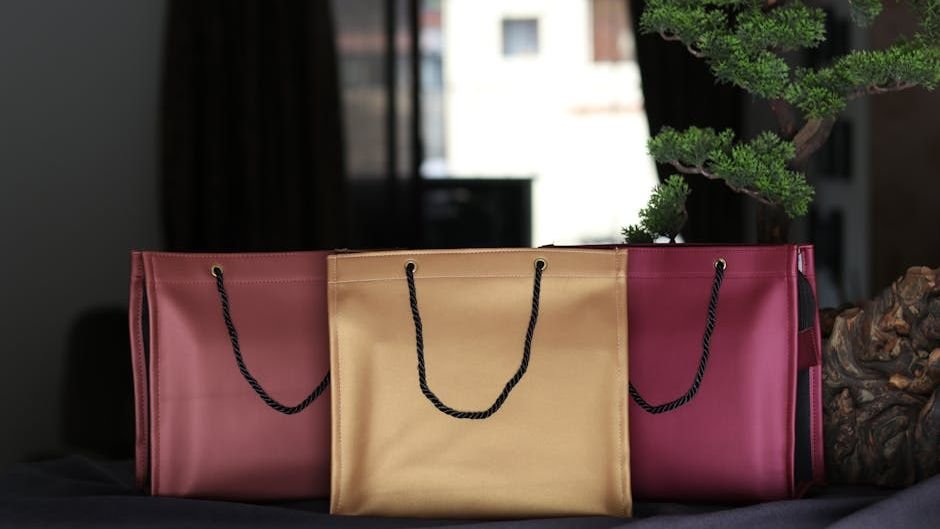
There is a deeply satisfying kind of rebellion in discovering that the product you paid a fraction of the price for is just as good, or honestly, sometimes even better than its luxury counterpart. We have all been conditioned to believe that a higher price tag means higher quality. Luxury brands have spent billions of dollars making sure you believe exactly that. But the truth? It’s messier, more interesting, and far more useful to your wallet than most people realize.
From fragrances to food, skincare to eyewear, a quiet revolution has been underway. The “cheap” version is no longer automatically the inferior version. In several categories, it has quietly overtaken the original. Let’s dive in.
1. Designer Perfume vs. Affordable Fragrance Dupes
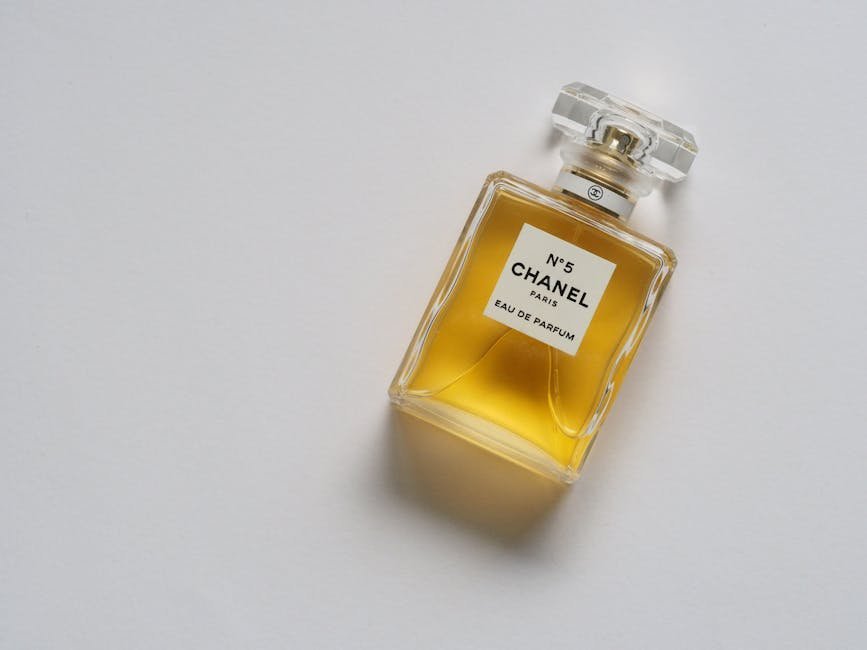
The global dupe fragrance market was valued at $2.71 billion in 2024, growing rapidly, with average dupe prices ranging from $8 to $49 compared to $150 to $335 for originals, creating roughly 70 to 85 percent in cost savings for consumers. That is not a niche trend. That is a full-blown industry shift.
Some dupes now last longer and smell better than their more expensive versions since the formulas have gotten better, and people have learned more about how to layer scents. Zara’s Red Temptation, for example, is a widely celebrated dupe for Maison Francis Kurkdjian’s Baccarat Rouge 540. At less than £23 for 100ml, the swap is described by fragrance enthusiasts as a no-brainer compared to the original’s price of over £245 for 70ml.
In some tested cases, dupe versions are not just competent copies but actually better than the originals, crafted with similar high-quality ingredients yet without the luxury price tag, and interestingly, they don’t trigger skin reactions the way some original designer perfumes do. I know it sounds crazy, but that is just the reality of modern fragrance chemistry.
With AI-powered scent research, digital mapping of fragrance notes, and data-driven feedback loops, dupe brands can now mimic the complexity of designer blends with stunning accuracy. The game has genuinely changed.
2. Luxury Handbags vs. Quality Mid-Range Bags

Although it’d be understandable to assume that most affordable fashion brands focus on keeping up with trends over crafting timeless staples, it’s not entirely true. A few labels have made it their mission to find magic in minimalism. Brands like COS, for instance, have become the go-to for well-made wardrobe staples with clean-cut tailoring at accessible prices.
Owned by the same parent company as H&M, COS was founded in 2007 to provide a place where consumers could shop for wardrobe staples with quality materials and contemporary touches. For many fashion people, COS has become the place to shop for a well-made winter coat, stylish suiting, or elevated bits and bobs to round out their wardrobes.
That whole quiet luxury thing, the clean cuts, the decent fabrics, the stuff that doesn’t shout about its price, is way more doable these days than it used to be. There are brands out there offering nice pieces made from proper materials, we’re talking cashmere, wool, linen, not the sort of polyester that sticks to your back when you sweat. Honestly, the only thing missing from these pieces is the logo. For many buyers, that turns out to be a feature, not a bug.
Luxury watches remain one of the best investments in 2025, with the Knight Frank Luxury Index reporting a 1.7% appreciation in 2024 and an extraordinary 125.1% increase over the past decade. Still, for everyday wear, a well-made mid-range alternative serves most people far better than a precious timepiece they’re afraid to scratch.
3. Name-Brand Medications vs. Generic Drugs

Here is the thing that will genuinely surprise most people: the “cheap” pill on the pharmacy shelf is, in most cases, medically identical to its luxury-branded counterpart. A generic drug is a medication created to be the same as an already marketed brand-name drug in dosage form, safety, strength, route of administration, quality, performance characteristics, and intended use. These similarities help to demonstrate bioequivalence, which means that a generic medicine works in the same way and provides the same clinical benefit as the brand-name medicine.
A large majority, roughly 84 percent of Americans, said they believe that generic medications are just as effective as brand-name options. Yet nearly two thirds still reach for the brand-name version out of habit, social conditioning, or simple distrust. On average, generic medications cost approximately 79 percent less than brand-name medications. That is an enormous financial gap for something that works the same way.
A study of 38 published clinical trials showed no evidence that brand-name heart medicines worked any better than generic heart medicines. The science is remarkably consistent on this point. Use of generics was associated with comparable clinical outcomes to use of brand-name products. The expensive box simply costs more because of branding, marketing budgets, and patent protection, not because of superior chemistry.
4. Premium Grocery Brands vs. Store-Brand Food

Next time you reach for the name-brand cereal, consider this: contrary to popular belief, private-label products often come from the same factories that produce name-brands. Manufacturers may simply adjust the recipe slightly or use different packaging to fulfill a contract with a particular retailer. The factory is the same. The packaging is cheaper. The savings are real.
In 2025, total sales of store brands reached $282.8 billion, an increase of $9 billion year-over-year and a new record, across brick and mortar and online supermarkets, drug chains, and mass merchandisers. Total sales of store brand units were up almost half a billion to 68.7 billion, also a record. Consumers have clearly figured something out here.
For a majority of shoppers, store brands represent quality and performance as good as or better than national brands while offering meaningful savings. Think of Costco’s Kirkland Signature line. The private label was created in 1995, and in 2023, it earned Costco $56 billion in revenue, putting the warehouse store $10 billion ahead of Coca-Cola for the year. People are voting with their wallets, loudly.
Sugar, flour, and baking products are processed and stored the exact same way. Sugar is sugar, and flour is flour. The only difference between the store and major brands is price and packaging. Let that sink in.
5. Luxury Skincare vs. Affordable Drugstore Alternatives
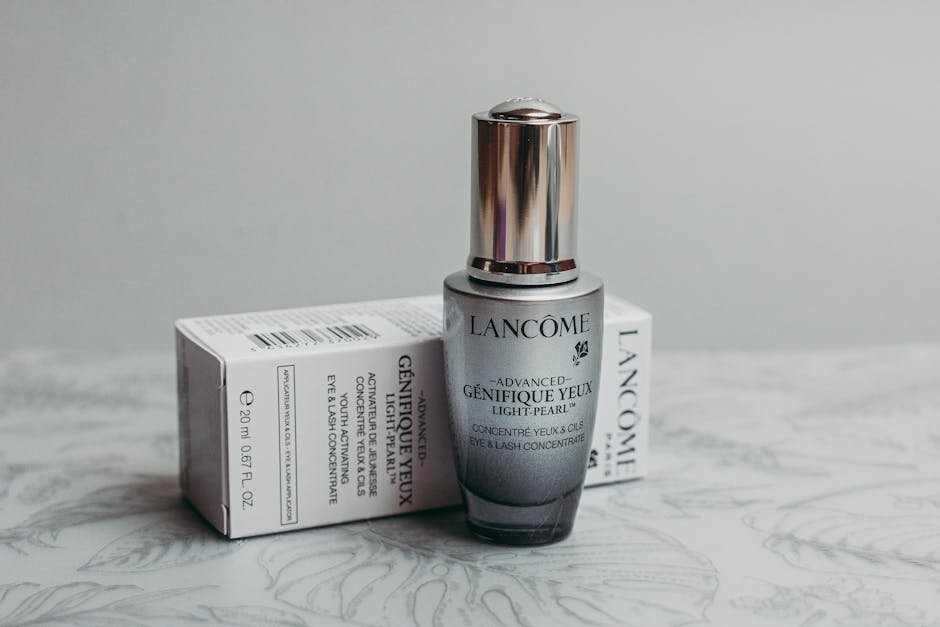
The skincare world is one of the most marketing-inflated categories in all of consumer goods. A moisturizer from a luxury brand can cost ten times more than a drugstore equivalent with nearly the same active ingredients. For everyday items like household cleaners, basic groceries, and over-the-counter medications, generic options often offer excellent value without compromising on quality. Skincare falls solidly into that same territory.
Consumers have discovered that NYX lip products regularly outperform their luxury counterparts at a tiny fraction of the cost. Reviews confirm that NYX Fat Oil is described as better than lip oils from Dior and other brands costing $20 or more, with the same consistency but slightly more color, which users consider a positive. That kind of honest, side-by-side comparison is increasingly how modern shoppers make decisions.
The real power move is understanding which ingredients actually do the work. Retinol, niacinamide, and hyaluronic acid cost relatively little to formulate. The choice between brand name and generic products really boils down to your individual preferences, needs, and budget. While brand name products may provide a sense of trust and quality, generic products offer cost-effective options with generally the same functionality.
6. Designer Sunglasses vs. Quality Affordable Eyewear
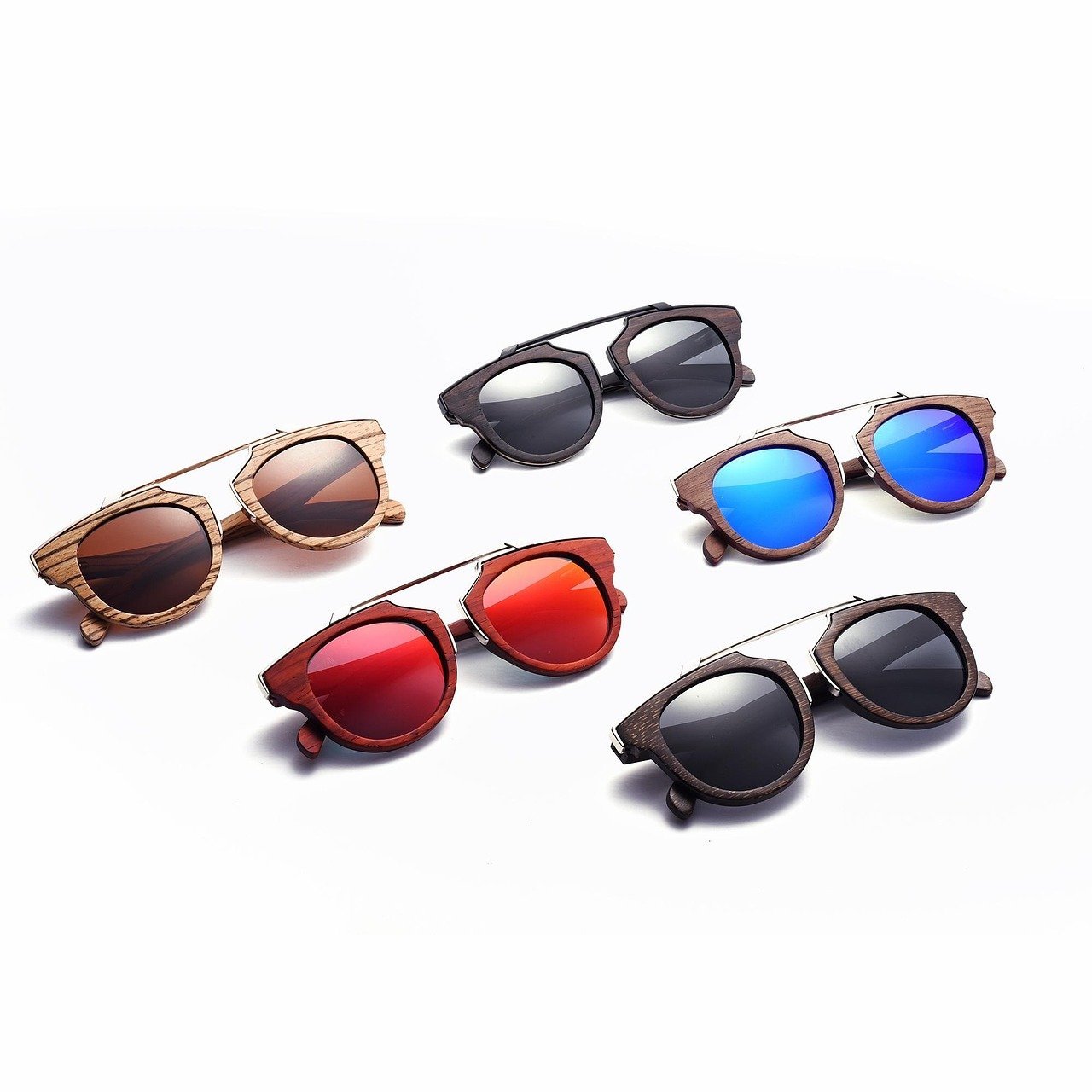
Here is a genuinely shocking truth about the luxury eyewear industry: a huge portion of designer sunglasses, including many of the most famous brands, are manufactured by a single Italian conglomerate. The brand name on the frame is largely what you are paying for, not fundamentally different engineering or superior lens technology.
Affordable polarized eyewear brands have quietly built a devoted following among people who once spent hundreds on name-brand frames. The quality of polarized lenses available at a fraction of luxury prices has improved enormously. For everyday items like household cleaners, basic groceries, and over-the-counter medications, generic options often offer excellent value without compromising on quality. Sunglasses fall into this category more than almost any other product.
Let’s be real: if you’ve ever lost or broken a pair of expensive sunglasses, you know the feeling. A pair of quality affordable frames you can replace without grief often brings more actual daily enjoyment than a fragile designer pair you’re terrified to scratch. That peace of mind has real, practical value.
7. Premium Coffee Brands vs. Store-Brand Coffee
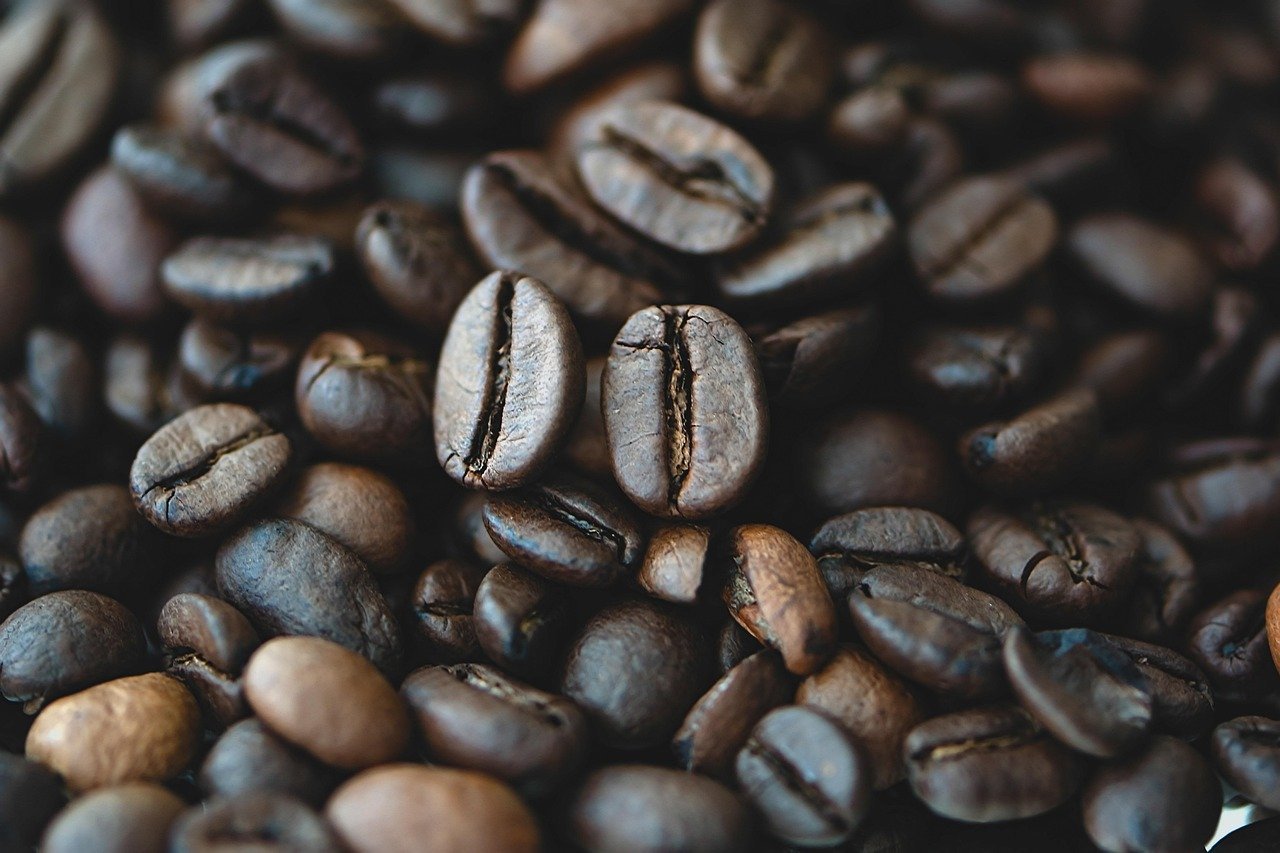
Packages of Kirkland’s coffee used to say they were roasted by Starbucks Coffee Company. Since 2023 and 2024, some packaging has changed to remove that wording, though some Kirkland coffee is still roasted by Starbucks, with others coming from brands like Green Mountain and San Francisco Bay Coffee. Either way, you are often getting a premium roast for a fraction of the cost.
Regardless of which major brand is making Kirkland’s, you’re getting a great deal by snagging the Costco store brand. A 40 oz bag of Kirkland Signature House Coffee starts around $12.99, whereas a 12oz bag of Starbucks Coffee sells for $8.99 at Target. The math is almost embarrassing when you lay it out like that.
Coffee is particularly interesting because taste is so subjective. Blind taste tests consistently reveal that consumers rate coffees very differently depending on whether they know the brand. Strip away the label, and the preference gap shrinks dramatically. One key theme from testing is that if a product did not use a lot of ingredients, such as coffee or sugar, the generic version typically was rated the same as the premium brand.
8. Luxury Fashion Labels vs. Mid-Range “Quiet Luxury” Brands
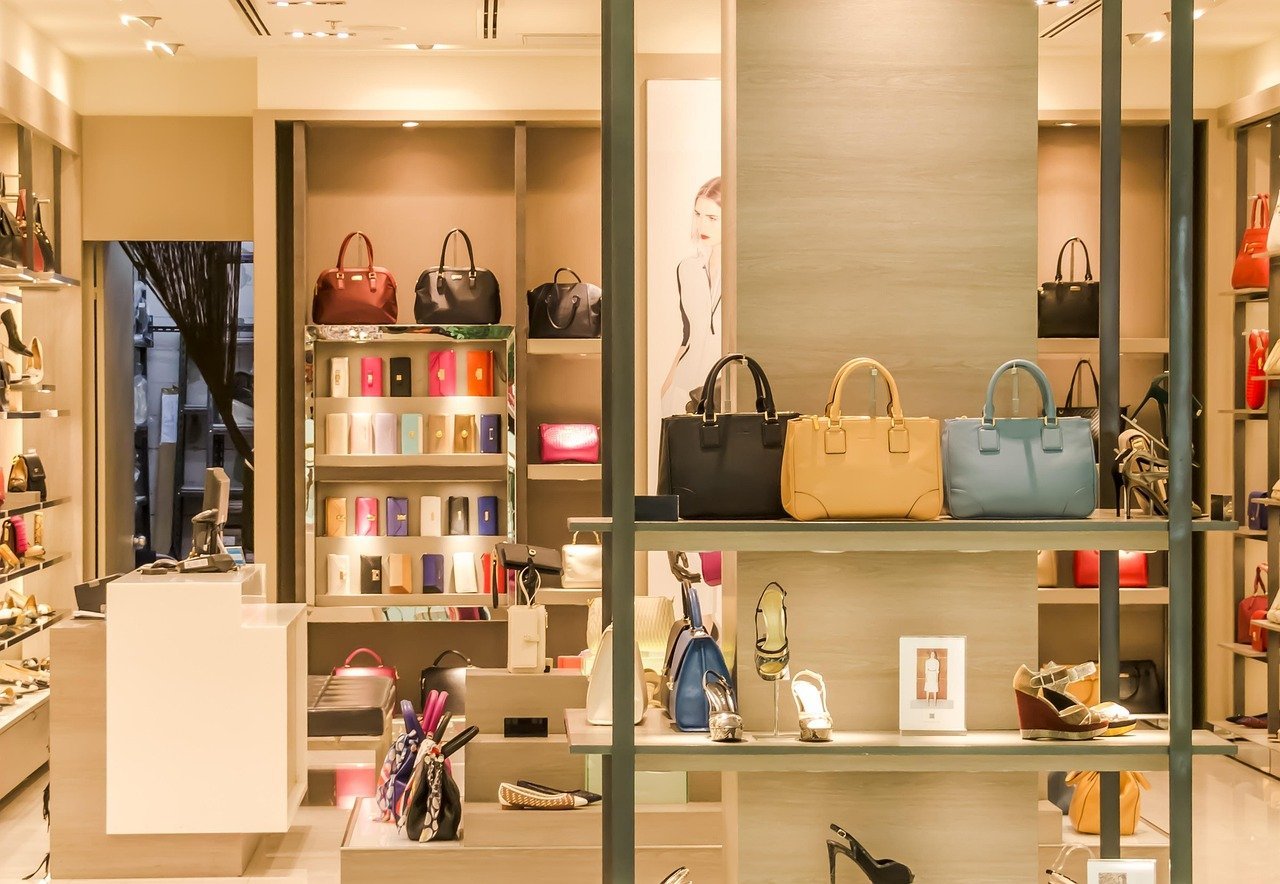
There’s long been a commonly held belief that one should opt for clothing that can stand the test of time. It’s a principle that very much guides Reformation. Founded in 2009, the Los Angeles-based fashion brand draws inspiration from vintage pieces to inform its contemporary collections. That perspective is reflected in pieces as simple as a black satin minidress or a pair of indigo blue mid-rise straight jeans.
Luxury fashion symbolizes status, exclusivity, and timeless style, yet it often comes with eye-watering price tags. As fashion evolves, consumers increasingly seek affordable alternatives that capture the elegance and sophistication of high-end brands without breaking the bank. The trend is structural, not a passing moment.
Coach, for instance, has positioned itself beautifully in this space. Coach and Gen-Z go together like matches and candles. Creative Director Stuart Vevers has his finger firmly on the pulse where trends are concerned, continuously reinventing the brand and keeping it relevant to today’s times. It’s not just Gen-Z approved, either, as you’ll find plenty of bags and leather goods geared toward women of all ages. The quality is often indistinguishable from bags costing three to four times more.
9. Expensive Wines vs. Budget Bottles

The wine world is perhaps the single greatest example of label mythology overpowering actual taste. Numerous blind-tasting experiments conducted by researchers and sommeliers over decades have consistently shown that people cannot reliably distinguish expensive wines from affordable ones without seeing the label first. It’s a finding that has embarrassed the wine establishment every time it surfaces.
Aldi’s own wine range is a remarkable case study. Aldi is known for putting a lot into making sure the wines that make it to their shelves are outstanding, affordable, and in some cases, award-winning. The Winking Owl line in particular often gets a shout-out as one of the factors helping Aldi grow so fast in the U.S., getting attention for not only being affordable but being accessible and easy-to-drink.
In 2024, one bride went viral for heading to Aldi and spending just around $200 to buy wine for her wedding. When commenters wondered if it was wedding-worthy wine, the response was that it definitely was. That story kind of says everything, doesn’t it?
10. High-End Headphones vs. Affordable Audio Brands

Premium audio brands charge extraordinary sums for wireless headphones. Yet the gap between a $400 pair of luxury headphones and a well-reviewed $80 alternative has collapsed in recent years, thanks to significant advances in Bluetooth audio technology, noise-cancellation chips, and battery engineering at the mid-range level.
It’s hard to say for sure that budget headphones will always match premium performance in every test environment. However, for the average commuter or remote worker, the sonic difference between a well-reviewed budget option and a luxury pair is genuinely marginal. When deciding between brand name and generic products, consider the specific item and its intended use. Some products may need more careful consideration since differences in ingredients or manufacturing processes can impact efficacy. Audio gear is a case where intended use matters enormously.
Most people are not professional audio engineers. They are listening to podcasts, streaming playlists, or taking video calls. For those use cases, a budget pair from a reputable mid-range brand often delivers precisely what you need without the premium markup that exists primarily to fund celebrity endorsement campaigns.
11. Designer Cosmetics vs. Affordable Makeup Dupes
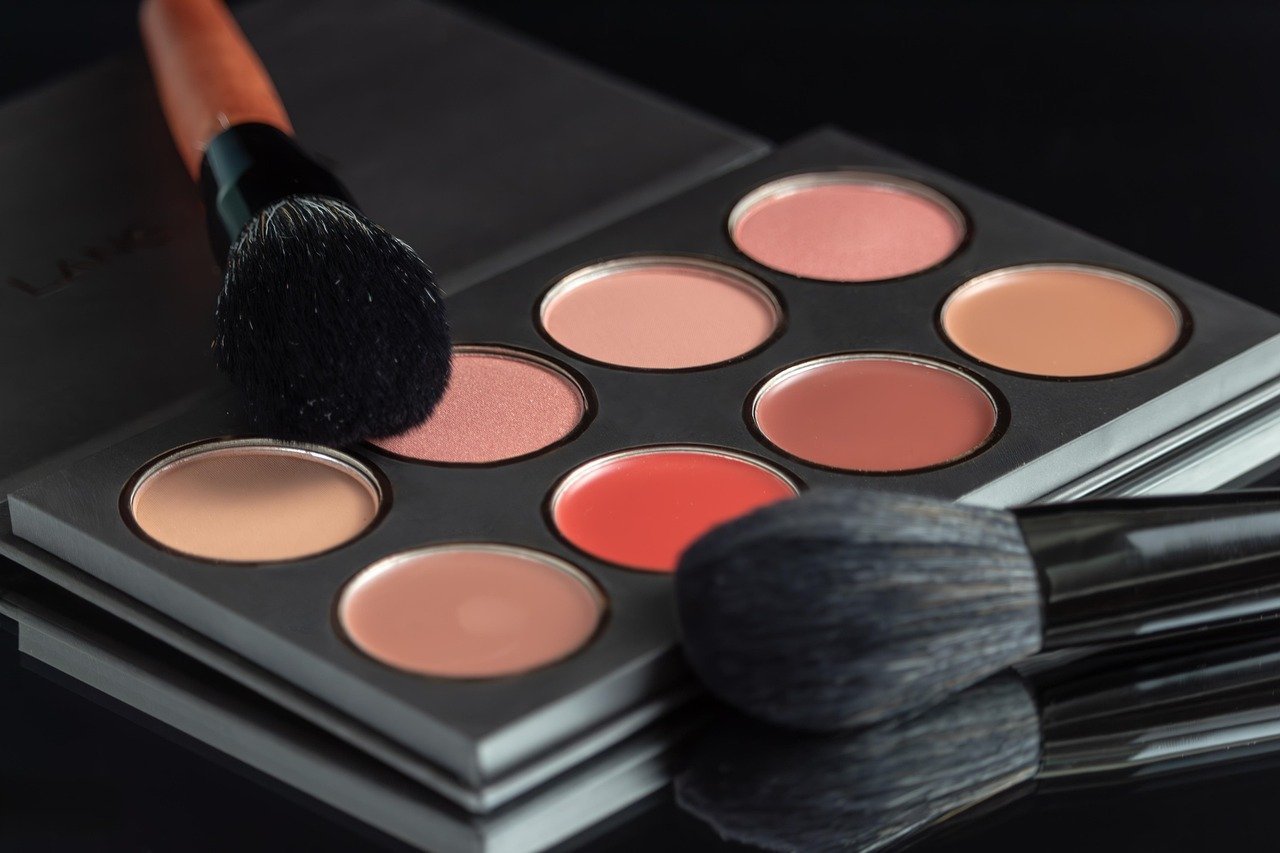
The beauty industry is one of the most aggressively marketed sectors in consumer goods, and it’s also one where the gap between perceived and actual quality is widest. Luxury foundations, lip glosses, and mascara routinely get beaten in side-by-side tests by drugstore alternatives at a tenth of the price.
NYX Fat Oil has been described as better than a lip oil from Dior and several other brands that cost $20 or more, with the same consistency but a little more color, and about as long-lasting as any other thick lip gloss. That is not a one-off finding. It reflects a broader pattern across the affordable makeup world.
The active ingredients in many makeup products, including niacinamide, hyaluronic acid, and shea butter, are identical across price points. What you are often paying for in luxury cosmetics is packaging, brand heritage, and retail location. The quality of store brands has improved so much that many people can’t tell the difference between them and name brands. In makeup, that statement rings especially true.
12. Luxury Watches vs. Japanese Movement Timepieces
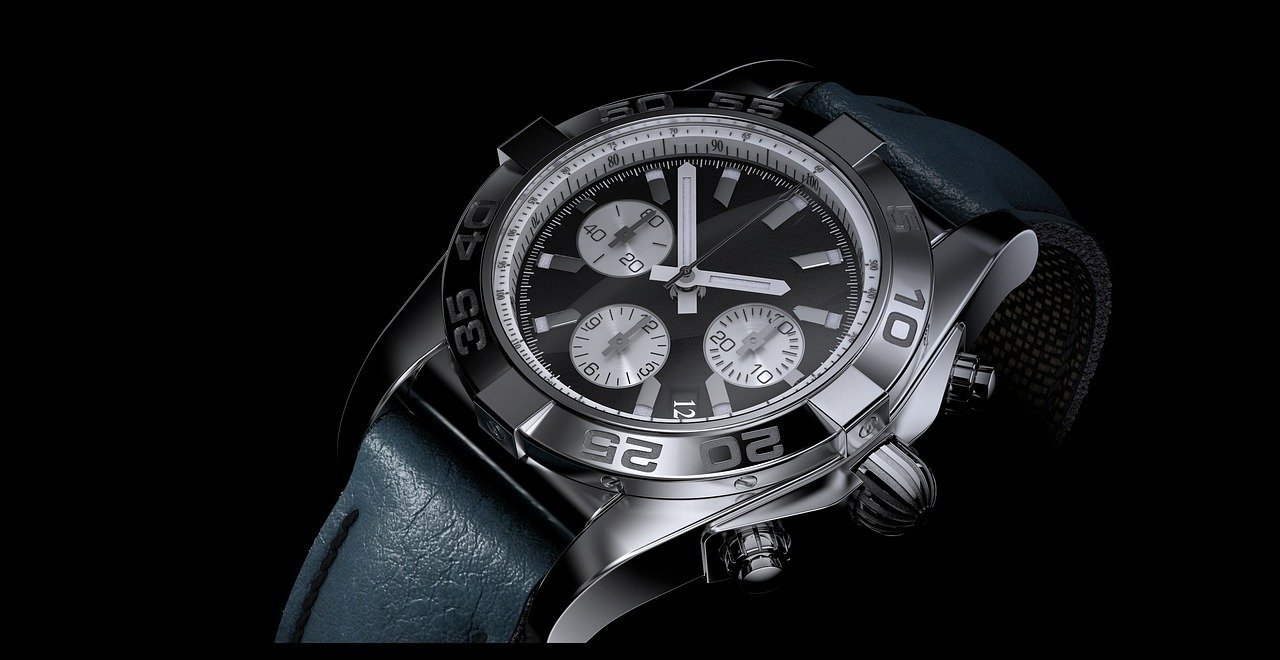
Swiss luxury watches are breathtaking objects, genuinely. Nobody is denying the craft involved in producing a handmade mechanical movement inside a prestigious Swiss house. Luxury watches remain one of the best investments in 2025, with the Knight Frank Luxury Index reporting a 1.7% appreciation in 2024 and an extraordinary 125.1% increase over the past decade. As investment vehicles, they hold unique value.
However, for everyday timekeeping, Japanese-movement watches from brands like Seiko and Citizen often outperform their Swiss counterparts in precision, durability, and reliability. Japanese quartz movements are among the most accurate in the world, requiring almost no maintenance, and they are available in beautifully crafted cases for a few hundred dollars at most.
The honest truth is that most people wearing a luxury watch in daily life are primarily paying for status signaling. That is a perfectly legitimate reason to buy something. But if what you actually want is a great, reliable, attractive watch, the affordable Japanese alternative frequently delivers that better. Striking the right balance between brand name and generic options can help you make the most of your shopping dollar, ensuring you get the best value while still buying products that meet the requirements that you care about most.
The Bigger Picture: What This All Means for How You Shop

The luxury premium is real in some cases and entirely imaginary in others. The challenge is knowing which category you’re in before you open your wallet. Store brands have set all-time highs in market share metrics, moving up to 21.3% in dollar share and 23.5% in unit share for the period ending December 2025, per Circana Unify+ data from PLMA. Consumers are increasingly applying scrutiny to where the premium actually lives.
Store brands used to be seen as the cheaper, lower-quality option, but that’s changing fast. More shoppers are choosing store brands over name brands, and grocery stores are responding by making their own brands better than ever. The same dynamic is playing out across fashion, fragrance, electronics, and beauty simultaneously.
The most empowering shift you can make as a consumer is to separate the product from its packaging. Ask yourself what the product actually does, not what the brand wants you to feel about it. In many categories covered here, that question leads straight to a better, cheaper answer. What would you have done with all that saved money? That’s probably the most interesting question this article leaves behind.