

You’ve probably never thought about it this way. You sat down, ordered your food, enjoyed a great meal with friends, and then the check arrived. What happens next – in that oddly tense two minutes – can either make a server’s night or quietly ruin it. Most diners have no idea that their payment habits ripple far beyond the table.
The stakes are real for restaurant staff. Their income depends on gratuities in ways many customers genuinely don’t understand. And when a table mishandles the bill, it’s not just an inconvenience. It can shape morale, stress levels, and even whether someone shows up to work next week. Let’s get into the 10 habits that are making restaurant staff quietly resent your table.
1. Asking to Split the Check Among Eight Different Cards
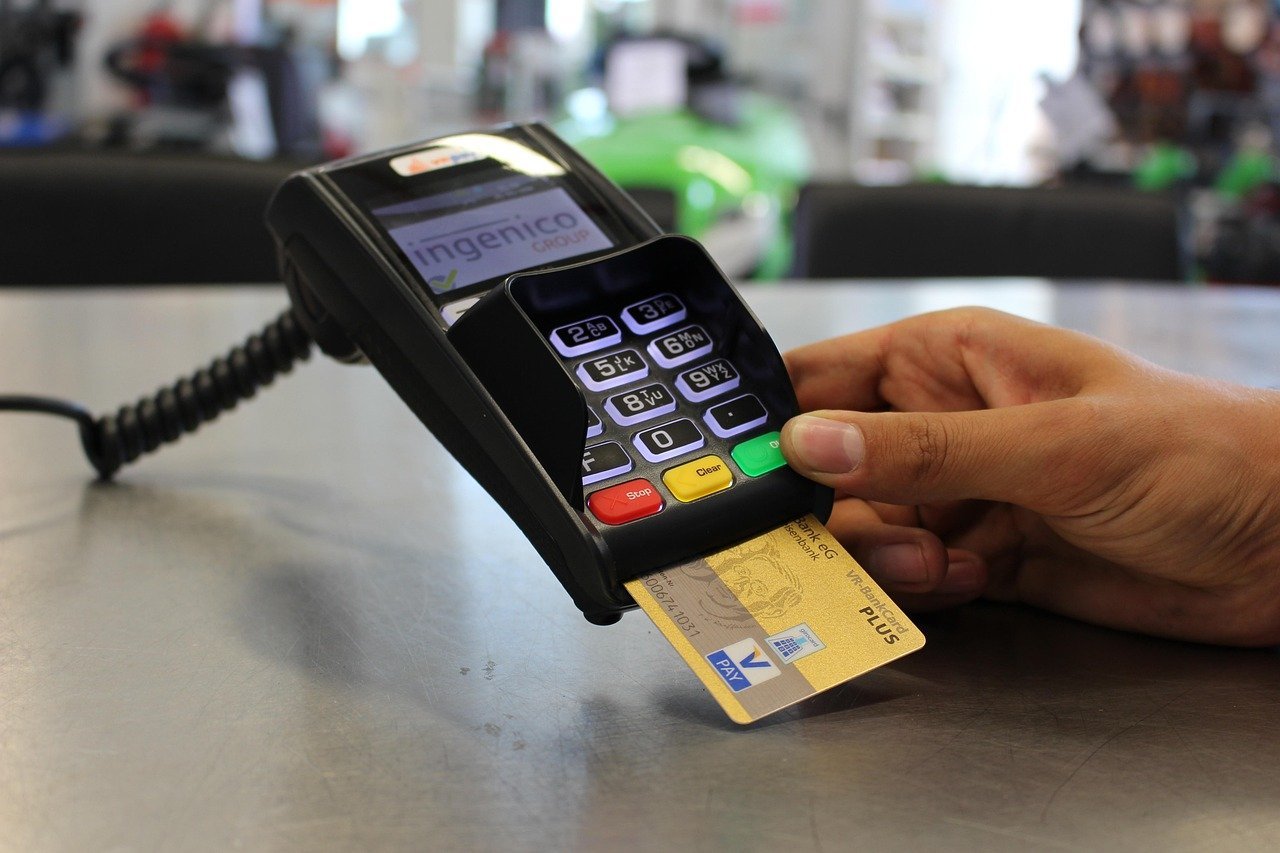
There’s a common way people split the check that drives servers absolutely up the wall. Experienced restaurant professionals with both server and bartender backgrounds recommend a maximum of two to four credit cards, noting that servers “have enough to deal with” when working with a large party, especially on a busy night. Running card after card through a POS system isn’t just time-consuming – it freezes up the server’s workflow entirely during what might be the busiest hour of service.
Running several cards with different tip percentages isn’t ideal, and the practical solution suggested by industry experts is simple: if you’re a party of six, just put down two credit cards and then Venmo each other what you owe. Think of it like a team sport – two players handle the ball while the rest sort their finances on the sideline. That’s a setup servers can actually work with.
2. Tipping Below 15 Percent – or Not Tipping at All
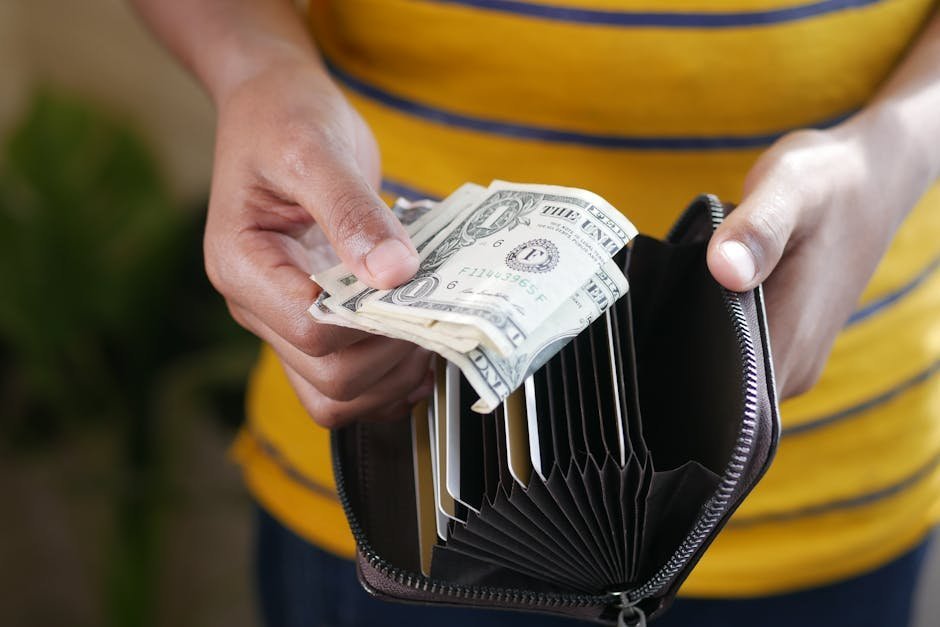
Just 35% of Americans now say they typically leave a 20% tip, down from 37% the previous year, reflecting tighter budgets and rising menu prices. That sliding number is felt by real people trying to pay real bills. Honestly, the math here is brutal, and it’s getting worse over time.
The average tip size has shrunk from 15.5% in 2023 to 14.9% in the second quarter of 2025, leaving workers with less pay, according to a July report from Square. Statistics show that roughly 58.5% of a waitstaff member’s hourly earnings come directly from tips. That means a table that leaves a stingy tip isn’t just being cheap. They’re literally cutting into someone’s rent money.
3. Requesting Separate Checks After the Meal Has Already Been Rung Up

Here’s the thing: there’s a right moment to ask for separate checks, and it’s not when the server is already holding the bill. While pay-at-the-table machines can handle multiple payments and make things easier, they work best if you ask for separate checks from the beginning. Asking after everything has been consolidated into one bill is like asking a baker to un-bake a loaf of bread.
Many restaurants now have updated point-of-sale systems that make it easier for servers to split the check in myriad ways, but that doesn’t always mean you should ask them to do so. The moment to speak up is when you sit down, not after you’ve eaten three courses and shared two bottles of wine. Staff won’t say this out loud, but they notice – and they remember.
4. Calculating the Tip on a Split Card That Doesn’t Cover Your Full Share

Whether you’re eating family-style at a Korean barbecue joint or having a three-course meal at a fancy restaurant, there should be “a sense of equality in how the check is divvied up” when the meal ends. That principle extends straight to the tip. When one person calculates their tip based on their card’s lowered amount after someone else covered the shared appetizers, the server ends up with a tip that reflects a phantom version of the bill.
It’s easy to see how this happens accidentally. Someone puts $40 on their card for their portion, tips 20%, and thinks they’ve done well – without realizing the bottle of wine, the shared dessert, and the extra bread all landed on somebody else’s tab. Current restaurant tipping guidance from Pew Research analysis recommends a minimum acceptable tip of 15% for restaurant service, with the standard expectation being 20% for full-service restaurants. Always tip on what the full experience was worth, not just what your card shows.
5. Leaving Cash on the Table Without Factoring the Full Bill
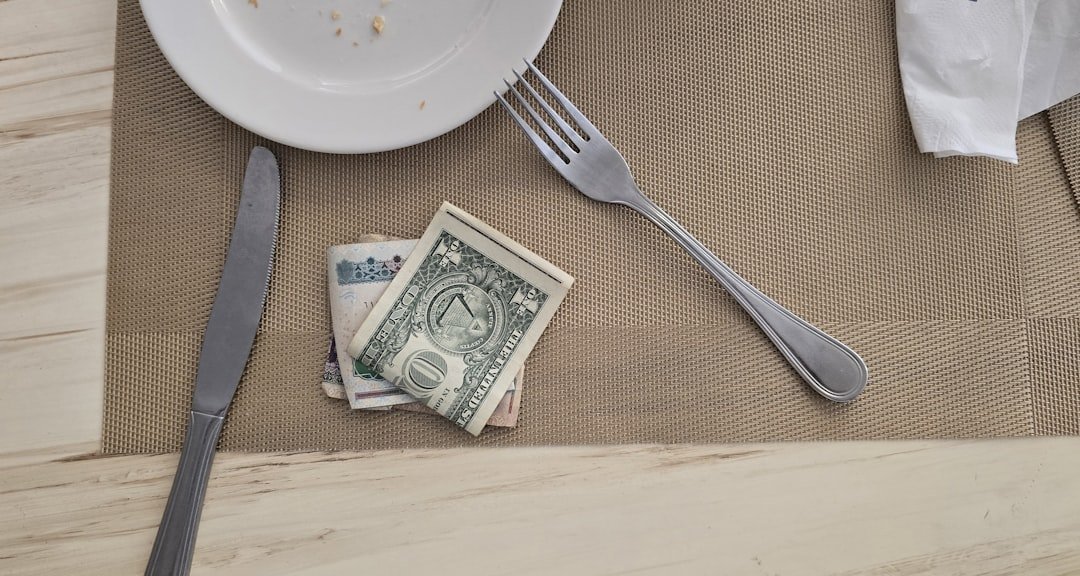
Cash tips seem generous until the math doesn’t add up. A table might leave what looks like a respectable pile of bills, but if the check was large and the cash doesn’t reflect the right percentage, the server walks away short. Research confirms that the size of the tip increases with income, with 55% of consumers with household incomes of $75,000 or higher reporting that they tip 20% or more. For lower-income diners, that number drops significantly, and it shows in the nightly earnings of staff.
The problem gets worse when servers share tips with support staff. In many U.S. restaurants, line cooks or dishwashers see very little of the tips, even though their speed and accuracy greatly affect the dining experience, which is why tip-outs or partial pooling exist – to acknowledge those contributions. A weak cash tip doesn’t just hurt the server. It ripples through the whole kitchen crew that made your meal possible.
6. Completely Ignoring the “Split” Impact on the Tip Pool

Most diners don’t realize that when their tip is split unevenly across multiple cards – each with its own arbitrary tip percentage – the total gratuity for the table often ends up lower than it would have been from one card. This isn’t a theory. When tip distribution feels arbitrary or biased, it can sow resentment among staff. When a struggling employee perceives that certain servers always get prime tables and bigger tips, friction arises quickly.
Tip pooling works by collecting tips earned during a shift into a shared pot and redistributing them among staff, from food runners to bussers, so that everyone gets a slice of the pie. If busser or bar staff isn’t properly included in tip distribution but they see how their efforts consistently lead to higher checks, frustration can build, threatening teamwork and staff retention. Your fragmented payment at table seven affects people you never even saw during your dinner.
7. Staying at the Table Long After Paying – Especially During a Rush
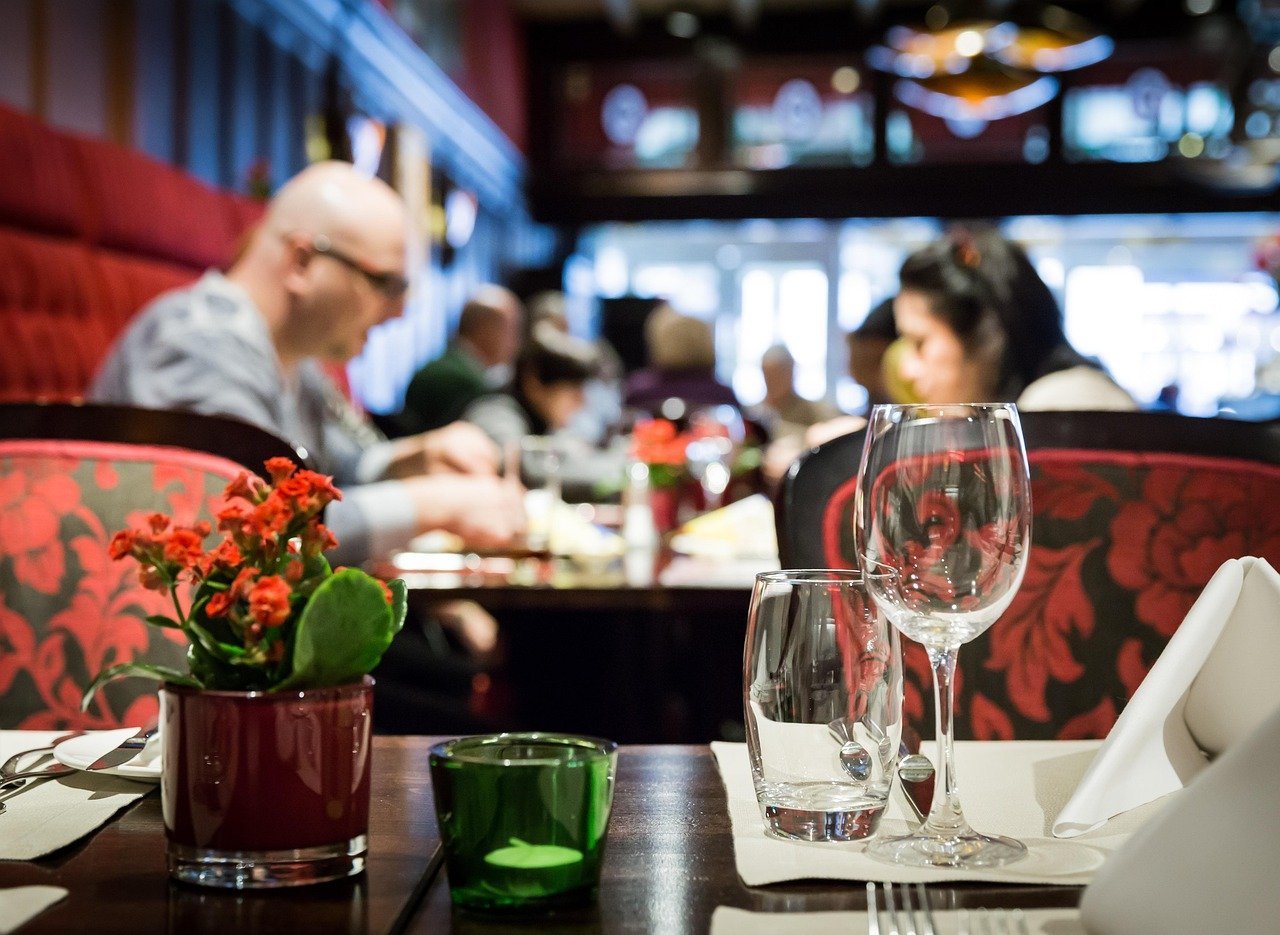
Paying the bill and lingering for another hour feels harmless from your side of the table. From the server’s perspective, it’s a dead table – no revenue, no turnover, and no opportunity to earn. At least eight in ten Americans think it’s unacceptable for diners to stay past closing time, according to a YouGov survey of 1,000 American adults. Still, the unwritten expectation extends well before closing: once the bill is paid, moving along reasonably quickly is simply good form.
Hiring and training new employees costs restaurants $2,300 every time someone leaves. Front-of-house positions such as servers, hosts, and bartenders experience an annual turnover rate of 41%, driven by factors like reliance on tips and high customer interaction. Every missed table turn during a busy Friday night is another chip in an already shaky financial ecosystem. Servers who lose table rotations can lose a meaningful portion of their nightly earnings in one sitting.
8. Paying With a Gift Card and Then Forgetting to Tip on the Full Amount
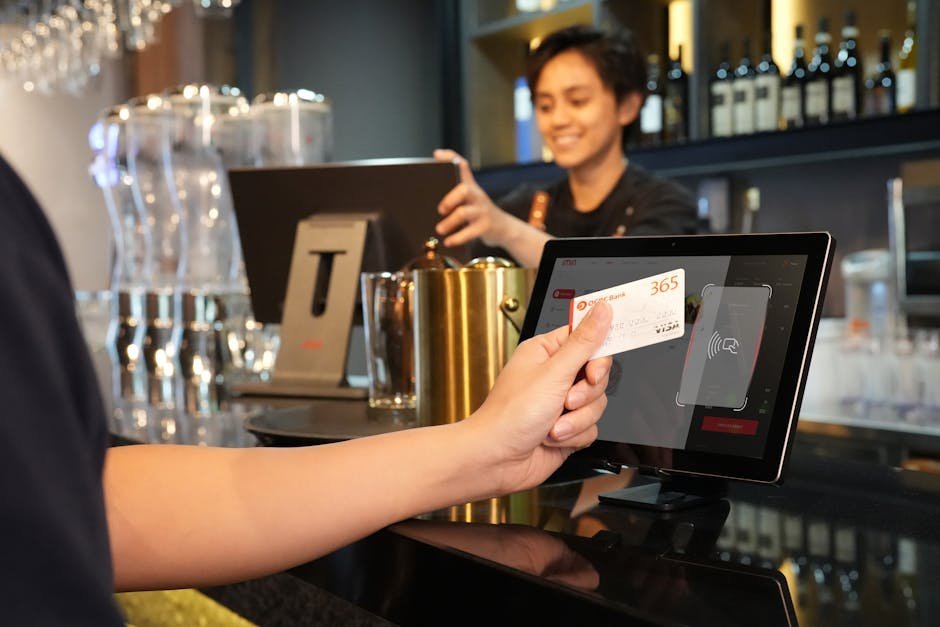
Gift cards create a peculiar psychological blind spot. The meal feels “free,” so the tip instinct fades. The reality is that your server worked exactly as hard as if you’d paid cash. Research from a Popmenu survey found that 60% of consumers say they are tired of tipping for services, and roughly 61% of consumers say they feel pressured to tip even when they feel it wasn’t warranted. That culture of tip fatigue is starting to hurt servers on tables where a gift card makes the payment feel imaginary.
The correct approach is simple: tip on the full pre-discount bill, not just on the remaining balance after the gift card is applied. Restaurant employees continue to rely heavily on gratuities, and in 2024, the average full-service worker earned $23.88 per hour, with base pay now accounting for 43% of total income, up from 35% in 2020. That improvement is meaningful, but tips remain a critical part of income. Cutting that number short because a gift card made your meal feel costless is a real hit to a real paycheck.
9. Arguing Over the Bill at the Table – Loudly and for Too Long
Let’s be real. A table that turns into a negotiation chamber is exhausting for everyone involved – including the entire dining room watching. A YouGov survey of 1,000 American adults found that 84% of Americans think it’s unacceptable for diners to debate menu prices at the table. Debate over who ordered what, who owes more for the shared appetizer, or whether the service charge was fair can stretch for uncomfortable minutes while the server hovers awkwardly.
Reliance on tips results in unpredictable income streams, dependent on factors like customer generosity, seasonality, and even biases – which can lead to significant financial instability for service workers, making it difficult to plan for the future or meet basic needs. When that predictability gets shredded at the payment moment by a group that can’t agree, it’s genuinely stressful. Table drama at checkout is one of the quietest reasons servers dread certain party sizes.
10. Tipping Based Only on the Food – Not the Actual Service
If the kitchen sent out the wrong order, that’s rarely the server’s fault. If the food was cold, the kitchen timed it wrong. Yet tipping behavior is often punitive in ways that miss the actual culprit completely. While 58% of Americans say the amount they tip is most influenced by the quality of service, that figure has actually dropped from 64% the year before – meaning more people are tipping on vague impressions rather than on the actual service they received.
Two-thirds of consumers say they are fed up with tipping altogether, up from 60% the previous year and 53% in 2023. That growing exhaustion is making diners more likely to reflexively under-tip without much thought. According to a Legion 2025 State of the American Hourly Workforce report, 54% of restaurant and hospitality workers plan to leave their jobs within the next 12 months. Connecting those two facts isn’t a stretch. When payment habits feel arbitrary and punitive, the people on the receiving end start asking whether it’s all worth it – and increasingly, the answer is no.
One Final Thought Worth Keeping
The restaurant industry is genuinely holding together under serious pressure right now. Employee turnover in the hospitality industry outpaces every other major employment sector in the United States, and as of mid-2024, the leisure and hospitality category averaged 5.8% monthly separations – the highest rate across all industries. That’s not an abstract statistic. That’s the person who refilled your water glass last Thursday, who may not be there next month.
Payment habits feel like a small thing. A card here, a split there, a percentage shaved off in a moment of distraction. Low wages and inconsistent income are two of the main drivers of restaurant staff turnover, and although rising minimum wage laws aim to improve worker pay, many employees still face significant uncertainty. The way a table handles its check is part of that uncertainty. It either adds to the stability of someone’s night – or quietly takes from it.
So next time the bill arrives, ask yourself: is the way I’m paying making things harder for the people who just spent two hours taking care of me? The answer might surprise you. What do you think? Let us know in the comments.