
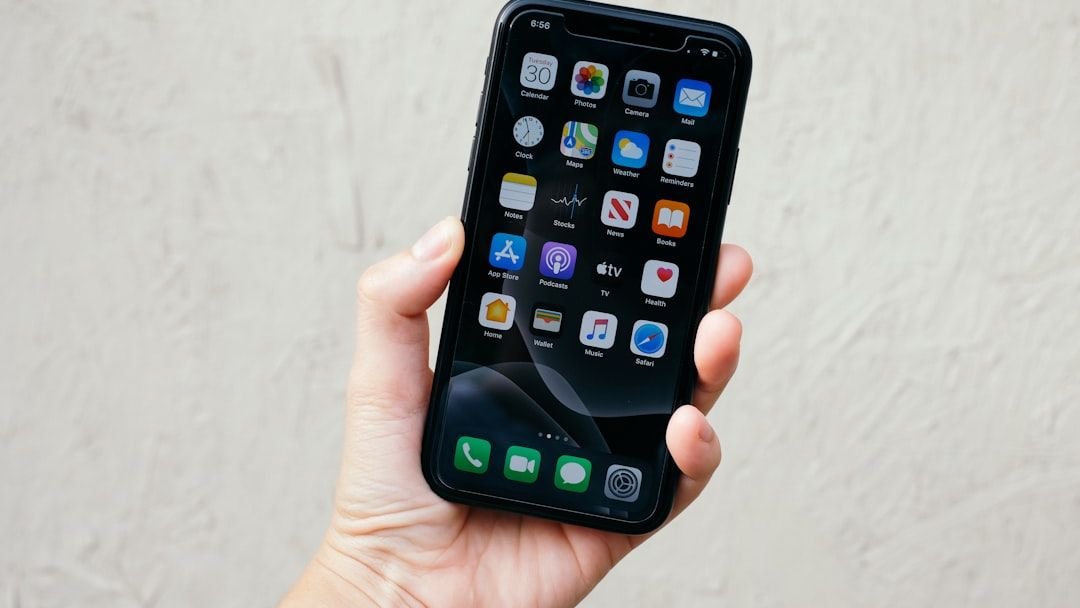
You probably glance at your phone’s home screen dozens of times a day without giving it a second thought. It’s just a grid of icons, right? Actually, no. That little arrangement of apps is basically a financial fingerprint. It tells a quiet, detailed story about where your money goes, what you value, what you’re trying to avoid, and what tempts you most.
Think about it this way: a budgeting app sitting next to a shopping app is a contradiction in plain sight. Your home screen holds that tension every single day. The combination of apps you keep, the ones you download on impulse, and the ones you bury in folders all carry meaning. Let’s dive in.
1. Your Social Media Apps Are Fueling More Spending Than You Think

If Instagram, TikTok, or Facebook are parked on your home screen, you’re one scroll away from an impulse buy at any given moment. This isn’t speculation. Nearly half of all social media users have impulsively bought something they first saw on a social media feed, and more than half of TikTok users specifically make impulse purchases directly on the app. That’s a staggering number of unplanned transactions triggered by a few seconds of mindless scrolling.
The average consumer spent roughly $282 per month on impulse buys in 2024, which adds up to over $3,300 annually, and the average person made nearly 10 impulse purchases every single month. Social media apps are a primary engine behind those numbers. According to eMarketer data, the average U.S. social buyer was expected to spend around $937 annually through social platforms alone in 2024. If those apps are front and center on your home screen, your wallet already knows what they cost you.
2. The Presence (or Absence) of a Budgeting App Says Everything
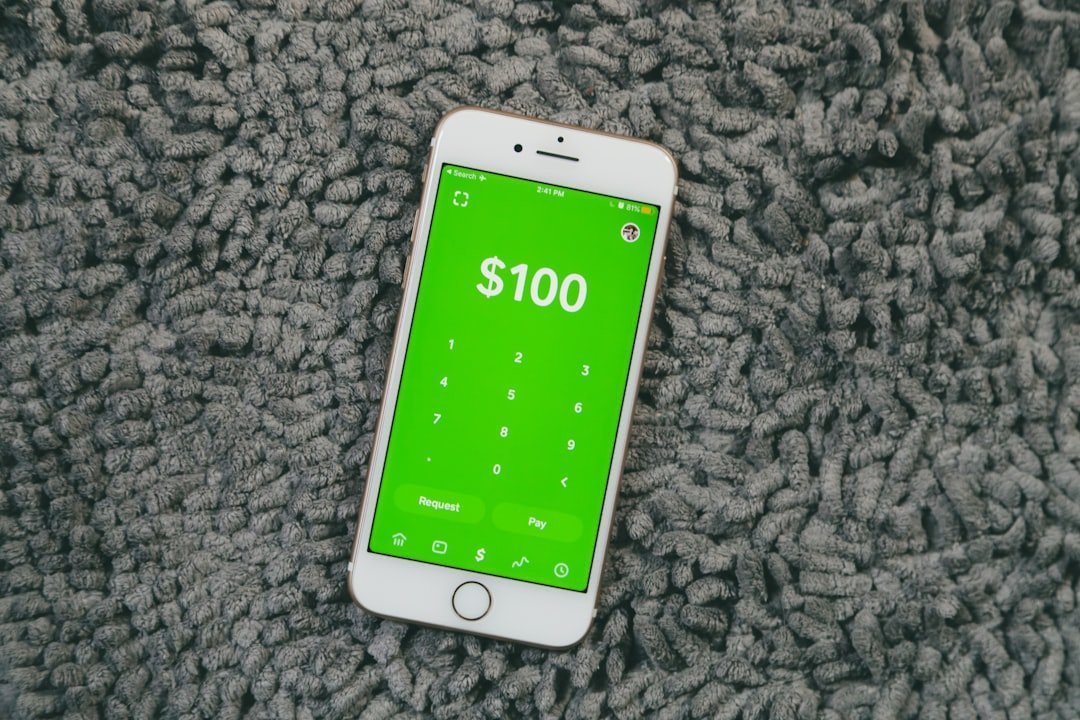
Here’s the thing: whether or not you have a budgeting app on your home screen is itself a powerful signal. It separates people who are actively managing their money from those who are, well, winging it. Nearly 80% of budgeting app users engage with these platforms at least weekly, which suggests that keeping the app visible actually encourages consistent use. Out of sight, out of mind – and out of budget.
The global smart budgeting apps market was valued at $1.21 billion in 2024 and is expected to reach $6.6 billion by 2034, a trajectory that shows just how many people are waking up to the value of structured financial tracking. In surveys, more than half of respondents identified overspending as their biggest financial challenge, suggesting that temptation and poor tracking remain ongoing problems. A budgeting app on your home screen is a small but meaningful declaration of financial intent. Its absence might mean the opposite.
3. Shopping Apps Signal Your Impulse Buying Personality

How many shopping apps are on that first screen? One? Five? The number matters more than you might expect. Smartphones now drive about 77% of all retail website traffic and generate around 68% of orders globally, according to a Statista report. The phone itself has become the primary shopping channel. When a retailer app lives directly on your home screen, the friction between desire and purchase drops to almost zero.
Roughly four in ten shoppers say they are more likely to purchase impulsively when shopping online, compared to just over a third who feel the same pull in physical stores. What’s fascinating is that this impulse dynamic is amplified when the shopping app is just one tap away. Data from a 2024 Salsify report found that about a third of shoppers bought a viral or trending product in the past year, nearly double the rate from the year before. If Amazon, ASOS, or a flash-sale app is sitting right there on your home screen, you’re essentially leaving the candy jar open on the counter.
4. A Mobile Banking App Signals Financial Awareness
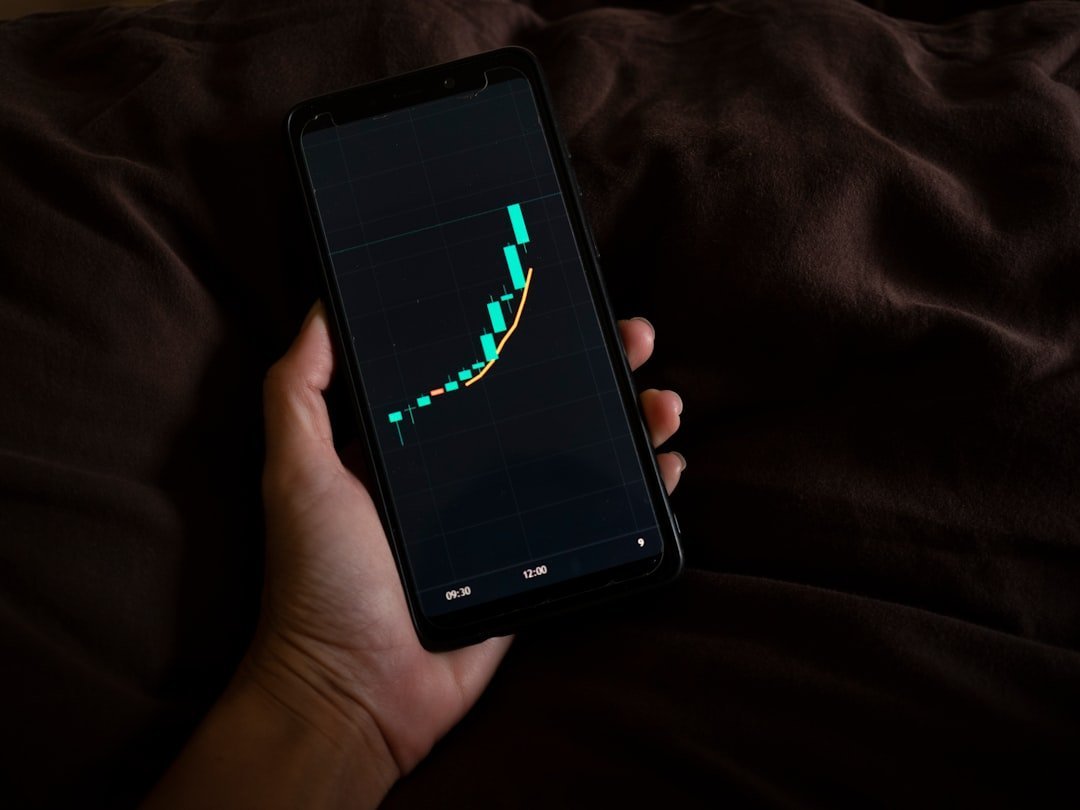
Having your bank’s app prominently placed on your home screen correlates strongly with active financial monitoring. People who check their balances regularly are generally better at catching overspending before it spirals. Traditional bank branch visits dropped by more than half in 2025 while mobile banking transactions surged by 67%, and roughly nine in ten millennials now use mobile banking as their primary method. The shift to mobile is total and irreversible at this point.
According to Insider Intelligence, approximately 89% of U.S. respondents now use mobile banking. Yet having the app installed and having it visible on your home screen are two different things. Mobile banking apps in 2025 increasingly offer advanced analytics tools with detailed reports on spending habits, savings progress, and investment performance, designed to empower users with actionable insights for smarter financial decisions. People who keep their banking app on their home screen tend to treat it more like a daily dashboard than an emergency tool.
5. Food Delivery Apps Reveal Your Convenience Spending Trap

Honestly, few things drain a budget faster than a food delivery app sitting at thumb-reach on your home screen. The sheer ease of ordering dinner with three taps is psychologically dangerous for anyone trying to manage discretionary spending. Online shopping and digital payment options have made spending feel almost painless and effortless, and that very ease predisposes people to impulse purchases, with a lack of budgeting often leading to serious financial problems.
Food delivery apps are a perfect case study in friction-free spending. When DoorDash or Uber Eats is icon number one on your screen, the default answer to “What’s for dinner?” isn’t what’s in the fridge. It’s whatever your favorite restaurant delivered last time. The average smartphone user actively uses about 10 different apps daily and 30 apps every month, and for many people, food delivery apps make that daily rotation without question. The monthly bill adds up quietly and quickly.
6. Subscription App Icons Are a Quiet Drain You’ve Stopped Noticing
Netflix, Spotify, Disney+, Apple TV, a meditation app, a fitness app, a news paywall. Sound familiar? Each of those icons on your home screen represents a recurring charge that leaves your account automatically, often without a second thought. Only about 5% of apps worldwide offer subscriptions, yet they accounted for nearly half of all app revenue across both major app stores, which tells you how profitable the “set it and forget it” billing model really is.
In 2024, global consumer spending in mobile apps and games reached $127 billion across the App Store and Google Play, a jump of more than 15% from the prior year. A big portion of that growth came from subscriptions. The average person has more active subscriptions than they can readily recall by name. Global in-app purchase revenue across iOS and Google Play hit $150 billion for the first time in 2024, including spending on subscriptions, in-app purchases, and paid apps. Every subscription icon on your home screen is money leaving your account on autopilot.
7. Investing and Savings Apps Show a Forward-Thinking Money Mindset
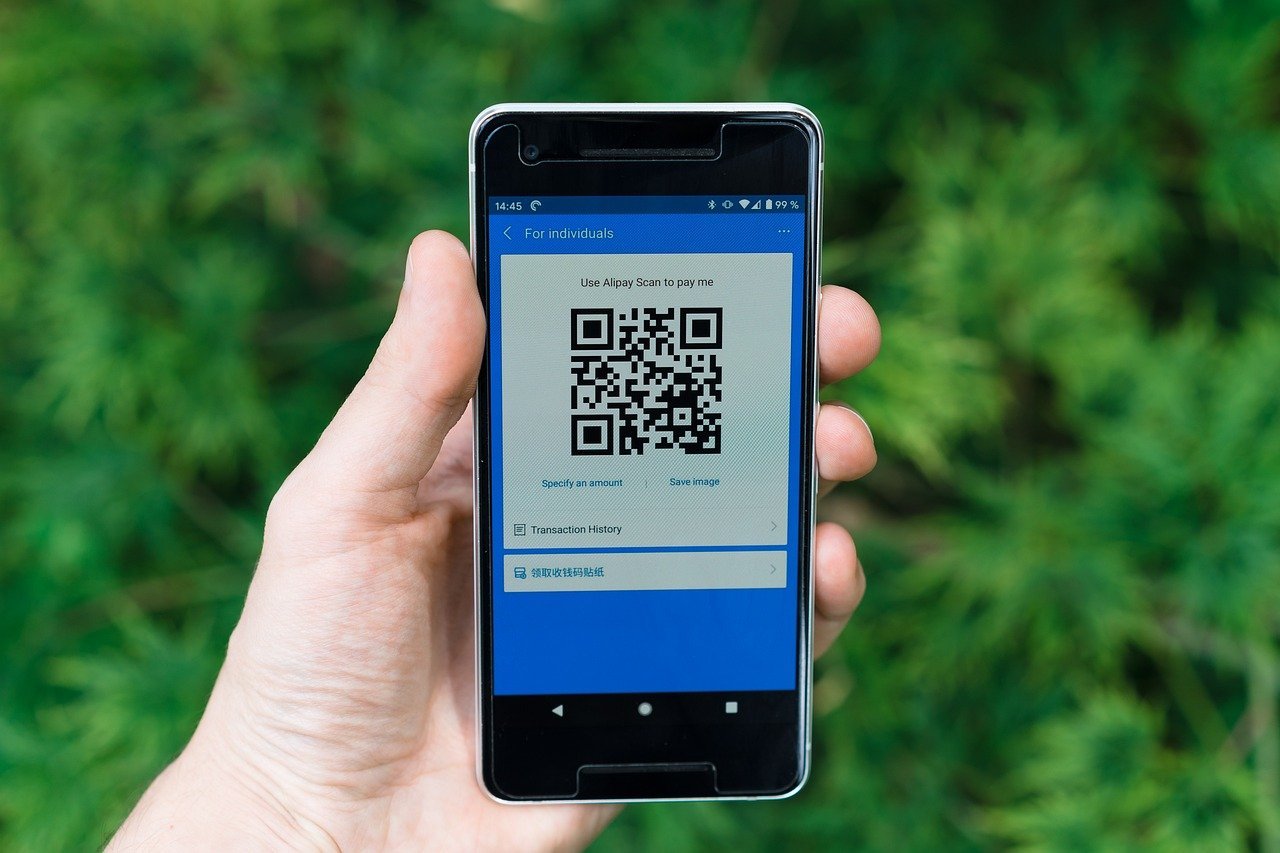
It’s genuinely encouraging to see apps like Robinhood, Acorns, or a dedicated savings tool on someone’s home screen. It signals a different relationship with money. Rather than spending reflexively, the user is at least thinking about future value. Approximately 60% of users prioritize budgeting features when selecting a personal finance app, suggesting that consumers are increasingly aware of their financial health and actively seeking tools to help them track expenses and savings.
The personal finance mobile app market was estimated at $25.8 billion in 2024 and is projected to grow to $202 billion by 2035, a staggering rate of growth that reflects a cultural shift toward proactive money management. Modern banking and finance apps now employ sophisticated machine learning algorithms that analyze thousands of data points, including transaction history, spending patterns, and income fluctuations, to provide personalized financial guidance. When those apps are on your home screen, you’re more likely to engage with them daily. That visibility builds habits that compound over time, much like interest.
8. Gaming Apps and Microtransaction Traps Are Easy to Miss
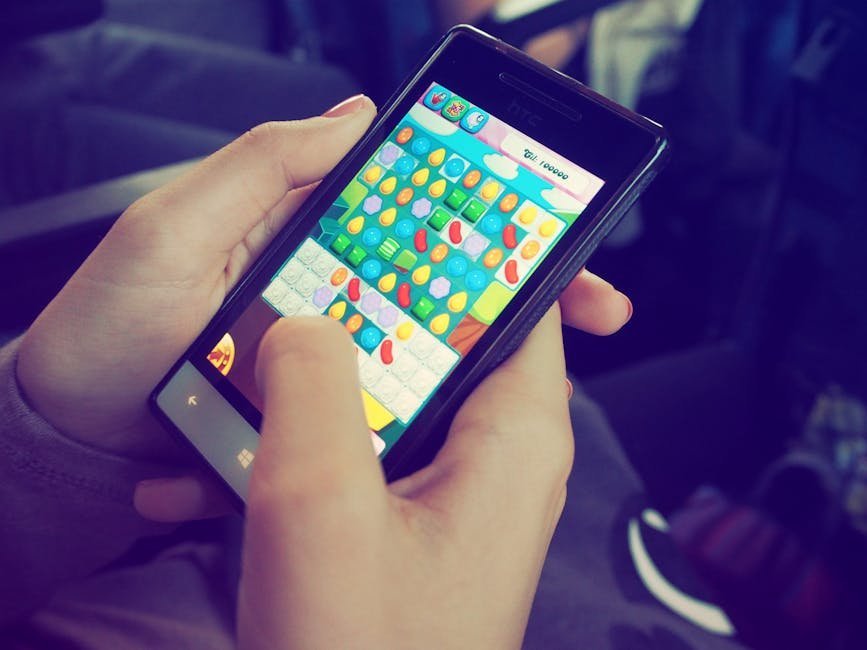
A game icon on your home screen might look innocent enough, but the revenue model behind it rarely is. In-app purchases and subscription models account for a striking 72% of app store expenditure within the mobile gaming sector. Free-to-play games are designed to be compelling. The first few levels are always free. The monetization starts once you’re hooked, and it happens in small, incremental charges that feel trivial in the moment.
In 2024, in-app purchase revenue from mobile games alone grew to $81 billion globally. That’s an almost incomprehensible amount of money spent inside apps that were downloaded for free. About 15% of millennials report opening their apps more than 50 times per day, and heavy gamers often fall into this pattern. I think most people genuinely don’t track what they spend on in-app purchases because each transaction feels small. But a $2.99 “coin pack” bought three times a week is over $450 a year.
9. Rideshare and Travel Apps Expose Your Lifestyle Spending Priorities
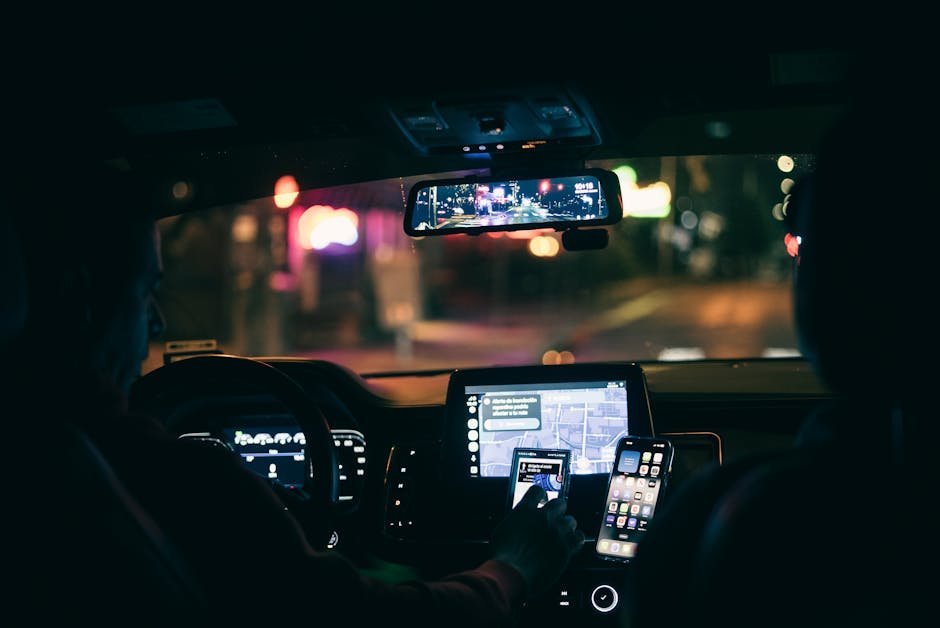
If Uber, Lyft, or a travel booking app is front and center on your home screen, it says something about how you value convenience and experience over cost savings. Global mobile e-commerce sales reached approximately $2.07 trillion in 2024, accounting for more than half of all e-commerce revenue, according to Statista data. Rideshare and travel booking are a significant slice of that figure, driven by users who default to their phones for every logistics decision.
The presence of multiple travel or transport apps can also hint at lifestyle aspirations. Someone who keeps Airbnb, Skyscanner, and Uber all on their first home screen page is likely spending a larger share of income on experiences and mobility. A study released by Reviews.org in January 2025 found that the average person checked their phone 205 times a day, and for those with travel and transport apps prominently placed, many of those check-ins are connected to spending decisions. It’s not just lifestyle, it’s a spending pattern encoded in icons.
10. The Overall App Count and Organization Tell a Deeper Story
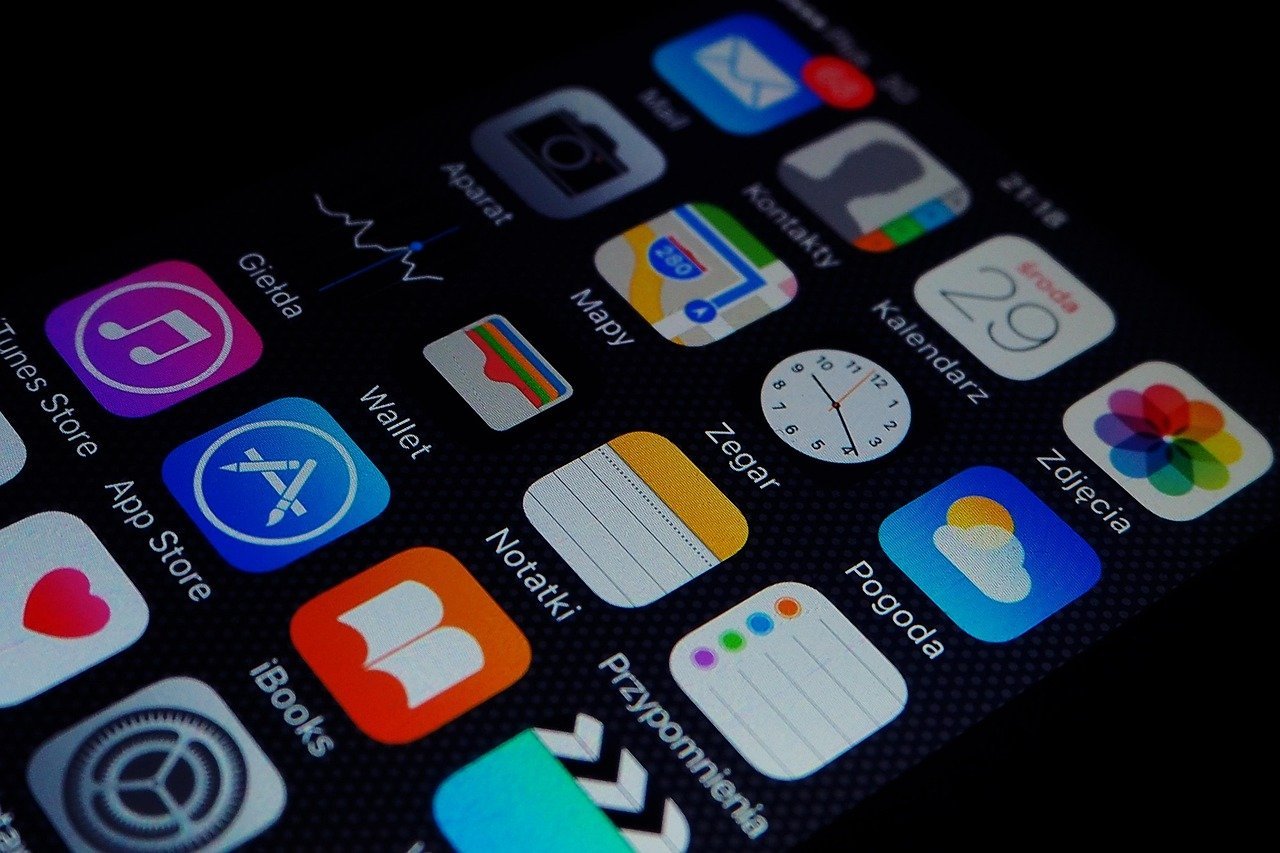
Here’s something worth pausing on: the sheer number of apps on your home screen, and how they’re organized, mirrors how in control you feel about your finances. A cluttered home screen full of shopping, gaming, social, and delivery apps with no budgeting or banking tools in sight is a visual representation of reactive, impulse-driven spending behavior. Americans now spend an average of more than five hours per day on their phones, a 14% increase from the prior year, with younger generations spending considerably more time.
A 2024 Reviews.org survey found that more than 43% of Americans admit to feeling addicted to their phones, while more than three quarters said they feel uneasy when they leave their phone behind. That emotional dependency doesn’t just affect screen time. It shapes financial behavior in profound ways. Mobile apps now account for roughly 70% of all digital media time in the U.S., and the apps given the most prominent placement on the home screen tend to be the ones that see the most use. That’s the real digital paper trail: not a bank statement, but a grid of icons staring back at you every morning.
Conclusion: Your Home Screen Holds More Honesty Than You Might Want
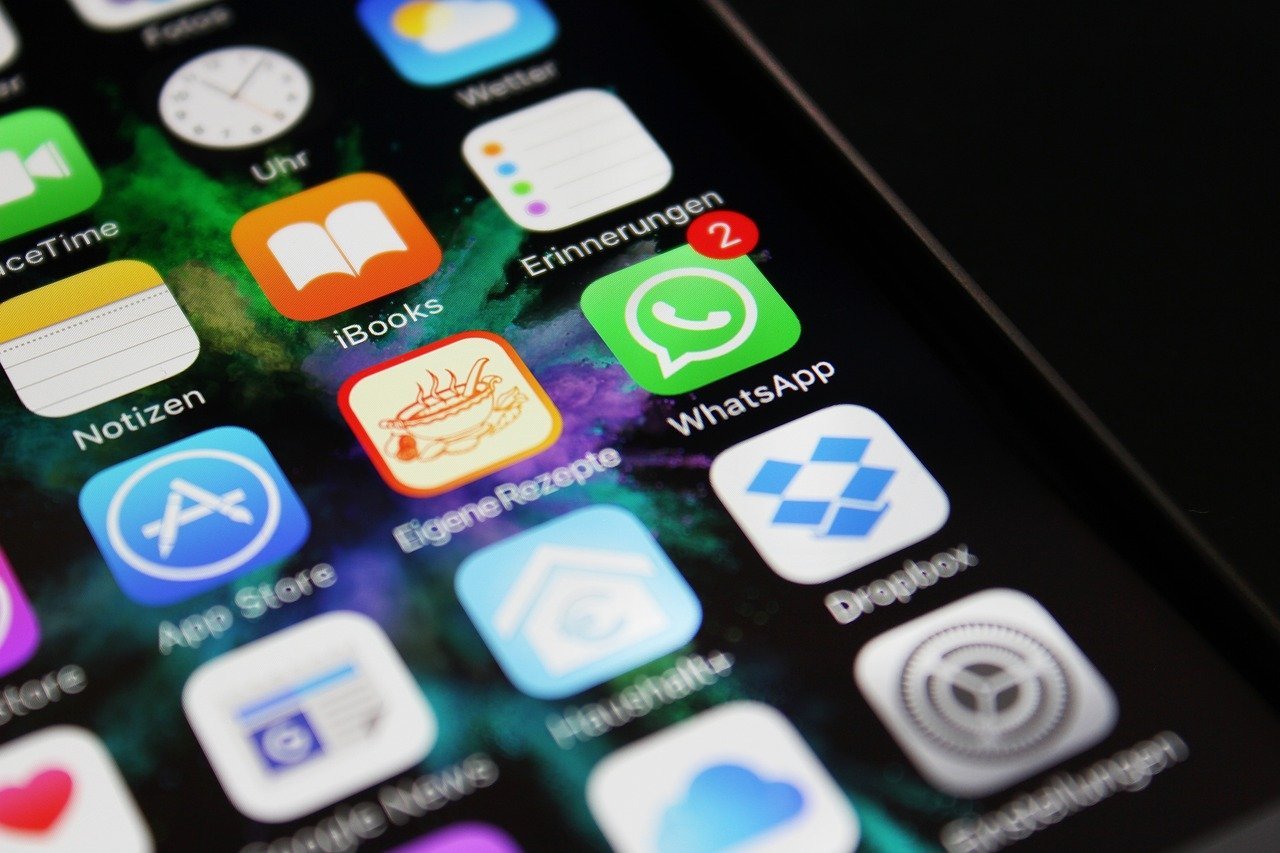
Take a long look at your home screen right now. What does it say about you? The icons you’ve chosen to keep within one tap tell a remarkably complete story about your money psychology. Social apps that trigger spending, banking apps that encourage awareness, budgeting tools that signal discipline, subscription icons that quietly bleed your balance. It’s all there.
The home screen is, in many ways, the most honest financial document most of us will never read. Rearranging it to keep financial tools visible and impulse-spending apps buried might seem like a trivial hack, but research consistently shows that what we see most often, we use most often. Your phone is already tracking everything. The question is: are you paying attention to what it’s telling you about yourself?
What would you change on your home screen after reading this? Drop your thoughts in the comments.