

There is something quietly radical happening to the way humans spend their money. Slowly, steadily, and with growing conviction, people around the world are choosing to pour their hard-earned cash into moments rather than into boxes and bags. Not a new television. Not another handbag. A trip. A concert. A dinner under the stars in a city they’ve never visited before. It sounds obvious when you say it out loud, yet for decades, we were told that owning things was the whole point of working hard.
The science, the data, and the sheer cultural momentum of the past few years tell a very different story. Millions of people are waking up to the idea that a memory lasts far longer than any shiny object ever will. So if you’ve ever felt a twinge of guilt for blowing your savings on a weekend festival instead of a new couch, this one’s for you. Let’s dive in.
What the Experience Economy Actually Is
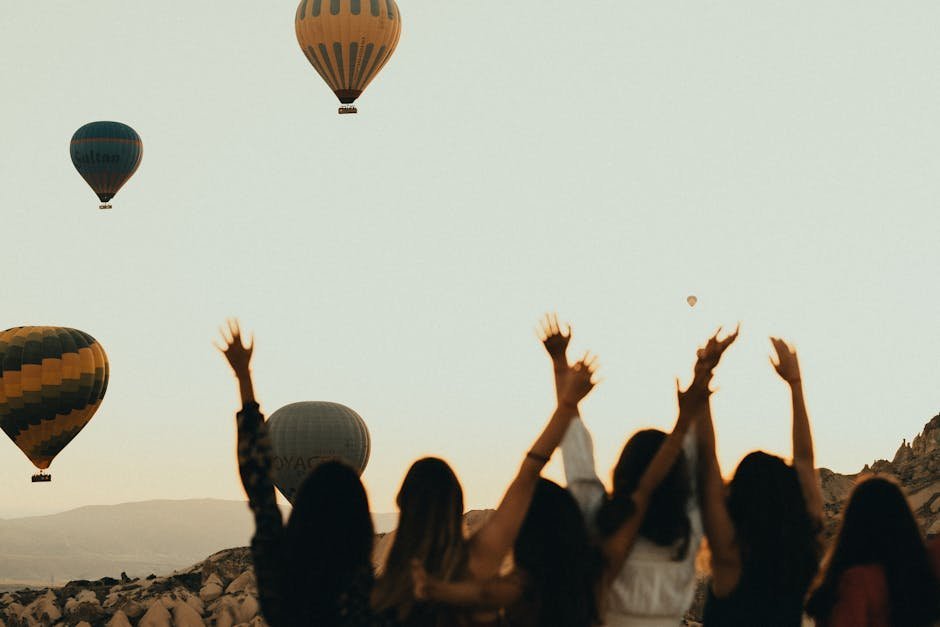
The experience economy is, at its core, a fundamental shift in where people direct their spending. After the Great Recession, the “experience economy” emerged as consumers shifted spending away from material goods and toward meaningful, memorable experiences like travel, dining out, and live events. Think of it like this: previous generations saved up to buy a house or a car as symbols of success. Today’s consumers are more likely to save up for a safari, a music festival, or a month-long slow travel adventure through Southeast Asia.
In lieu of collecting material possessions, many consumers are putting their money where the memories are, opting to invest their disposable income in traveling, going to restaurants, concerts, and music festivals, or immersing themselves in other authentic experiences that resonate emotionally. This approach to memory-making is fueling a global events industry that is projected to reach $2.1 trillion by 2032. That is not a niche trend. That is a fundamental restructuring of how human beings relate to spending.
The Numbers Don’t Lie: A Global Spending Shift
Research from the Mastercard Economics Institute indicates that across Europe, spending on experiences such as travel and dining out increased to roughly a fifth of total spending in 2023, up from about a sixth in 2019. In contrast, spending on material goods has remained stable. Stable. Not growing. Just sitting there while experiential spending quietly takes over the share of the consumer wallet.
The Mastercard Economics Institute data reveals that in 2024, nearly a third of European consumer spending on experiences, excluding travel and restaurants, went to Live Events, up from around 30.7% in 2019. Honestly, that trajectory is striking. Research reveals significant trends in American consumer behavior, emphasizing a strong shift towards a growing preference for experiential spending over material goods. American consumer spending on experiences during the period ending in August 2024 surpassed pre-pandemic levels, growing by 32% compared to the previous benchmark period.
Science Confirms What Your Gut Already Knows

Researchers concluded that people are happier with experiential purchases over material ones irrespective of when you measure happiness: before, during, or after consumption. Experiences also provoke more satisfaction even though people typically spend more time using their material possessions. A possible explanation is the endurance of experiences in people’s memories, while the perceived value of material goods weakens over time.
Much research finds that consumers derive more happiness from experiences than from possessions in retrospect, in prospect, and in the moment. This work provides a straightforward lesson to brighten people’s everyday lives: tilt consumption such that a bit less is spent on material goods and a bit more is spent on experiences. When researchers studied thousands of participants in real time, sending them random texts to check their emotions and spending habits, the result was clear. Happiness was higher for participants who consumed experiential purchases versus material ones in every category, regardless of the cost of the item.
The Hedonic Treadmill: Why That New Phone Stops Making You Happy

Here’s the thing. You buy a new phone, a new pair of trainers, or that sleek coffee machine you’ve been eyeing for months. You feel incredible for about two weeks. Then it becomes furniture. Just another thing in your life. This phenomenon has a name. Hedonic adaptation is the psychological process where humans quickly return to a relatively stable level of happiness despite major positive or negative life changes. When applied to material goods, the initial joy of a new purchase rapidly fades as it becomes the new normal. The brain habituates to the stimulus, requiring a new, often more expensive, purchase to achieve the same level of temporary happiness.
Experiences, however, are less susceptible because they are unique, memorable, and often recalled and re-enjoyed, continually refreshing their psychological value. The memory of watching the sun rise over Machu Picchu, or dancing at a festival with strangers who became friends, doesn’t fade the way a gadget’s novelty does. If anything, it gets richer with time. Experiences are less prone to adaptation, providing unique memories, fostering social connection, and becoming part of one’s identity, leading to more lasting happiness.
Gen Z and Millennials: Leading the Charge
It would be too easy to call this a millennial thing and move on. Younger generations are not just leaning into experiences; they are making extraordinary financial sacrifices to access them. Nearly two in five Gen Z and Millennial travelers have spent between $500 and $5,000 or more on tickets alone for destination live events. To afford this, approximately two in five Millennial and Gen Z travelers are willing to dip into their savings to pay for travel costs for a live event.
Approximately three in five Gen Z and Millennial respondents confirmed they have traveled and/or plan to travel for in-person events like concerts, sporting events, comedy shows, and book readings more than 50 miles from home. This compares to less than half of Gen X and just over a quarter of Baby Boomers. McKinsey reports that Millennials and Gen Z travel more frequently than older cohorts, averaging close to five trips per year compared to fewer than four among Gen X and Baby Boomers. The generational gap in experience-seeking is real and wide.
The Social Media Effect and FOMO’s Complicated Role
Social media has elevated the role of entertainment, transforming nights out, concerts, and live events into shareable moments that help define identity and status. That part is fascinating and worth sitting with. Experiences have become currency in a deeply social sense. People are not just buying the concert ticket; they are buying a story, an identity, a place in a shared cultural moment.
Naturally, this creates pressure. FOMO, or the fear of missing out, plays a substantial role in influencing live event ticket purchases, with more than a third of all travelers admitting it played a role in their decision. While Gen Z travelers most often feel compelled to make event travel purchases based on FOMO, the vast majority of Baby Boomers say they resist such pressures. As many as roughly nine in ten Gen Z admit to overspending on live events, driven by FOMO. It’s hard to say for sure where healthy enthusiasm ends and anxiety-driven spending begins, but the pressure is clearly real.
The Rise of Live Events: Concerts, Sport, and the New Cultural Economy
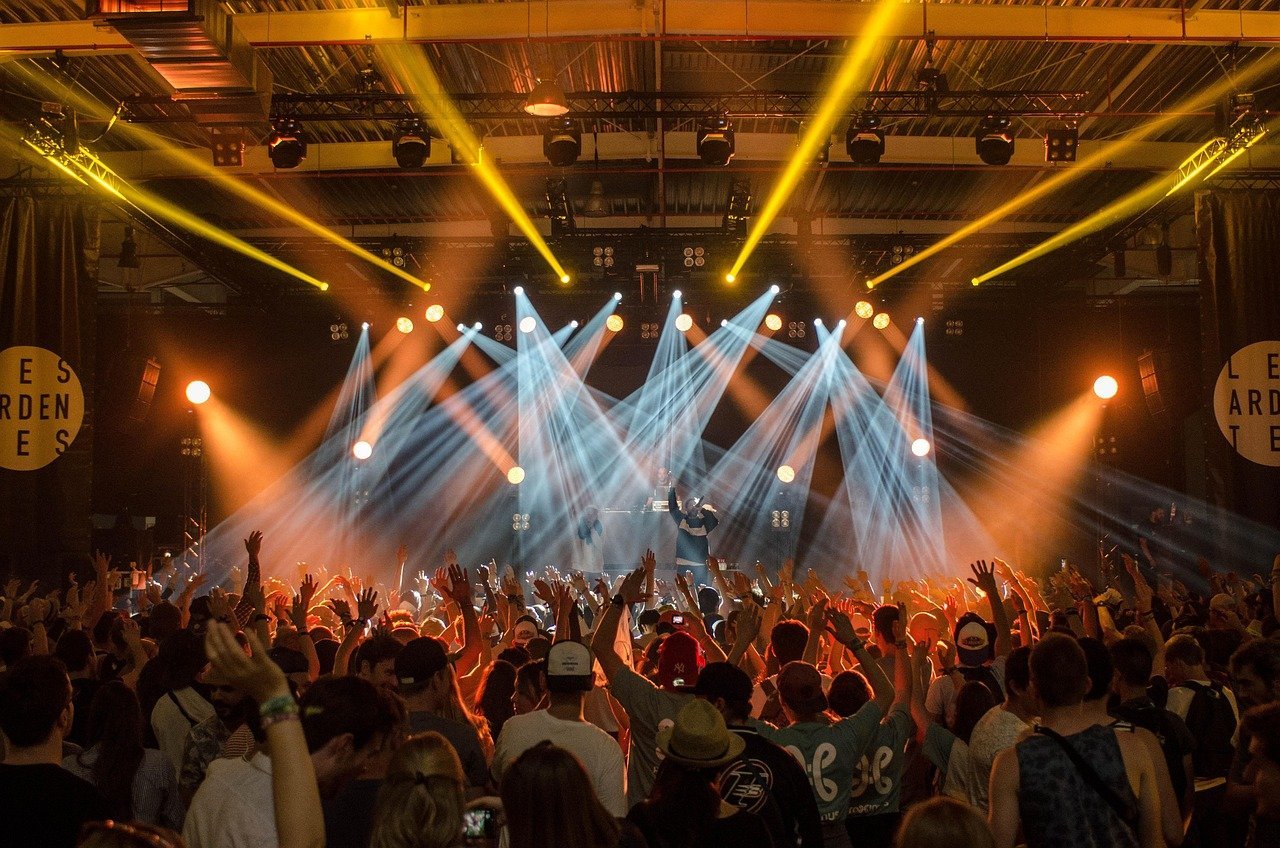
Sporting events are seeing a surge in demand, with more than half of Europeans planning to attend at least one in 2025, a jump of more than 150% compared to 2024. Let that sink in for a moment. Live events have become a cultural pillar of how people want to spend both their time and their money. Many plan to increase their spending on experiences over the next year, often influenced by social media where live events are highly visible. Music tourism was worth nearly $6 billion in 2023 and could top $9 billion by 2030.
The economic ripple effects are staggering. According to the U.S. Travel Association, the Taylor Swift Eras Tour’s impact on U.S. destinations was the equivalent of 53 Super Bowls, with visitors spending an average of $1,300 each in local economies. The total estimated impact on travel surrounding the concerts reached $10 billion. One artist’s tour generated the economic power of dozens of America’s biggest sporting events. That is the experience economy at full throttle.
The Value Question: Are Experiences Actually Worth More?
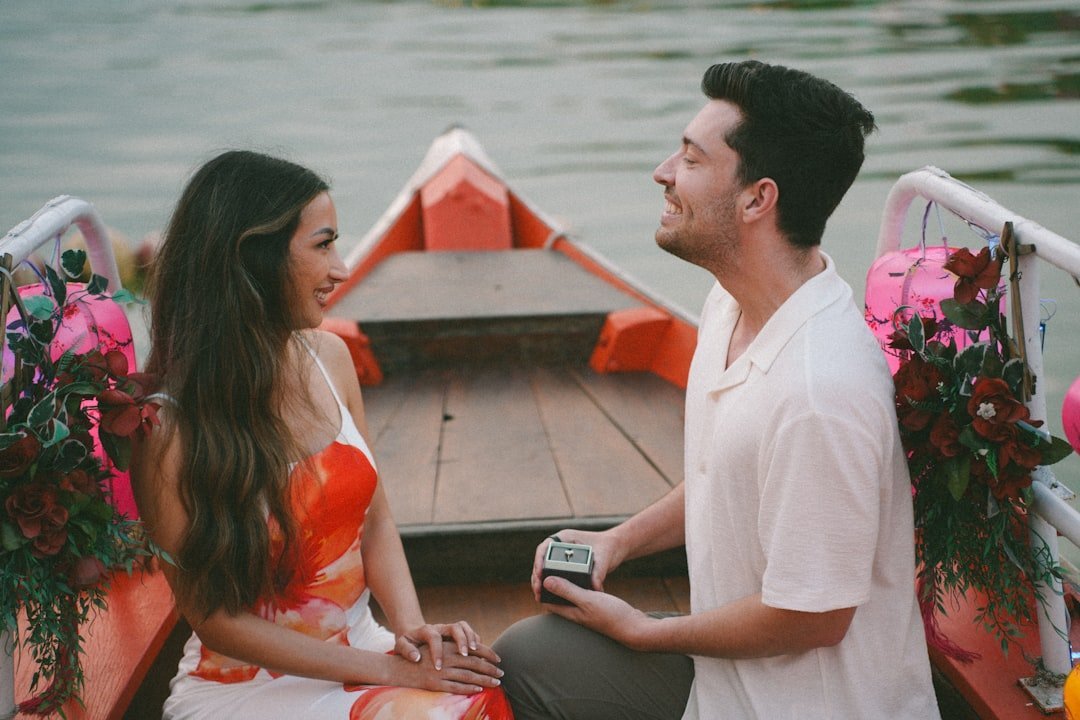
Three quarters of respondents who increased their experiential spending say they feel they get more value for money with experiences than products. That is a strikingly pragmatic reason, not just a romantic one. People have done the math and concluded that experiences simply deliver more per dollar. More than half of those who prefer experiences also say that they have too many things already, and would thus prefer to spend their money on experiences.
Notably, a meaningful portion of UK consumers say they feel less guilty about spending on experiences, while others prefer gifting experiences to physical items. For many, the memories matter most, with nearly two thirds saying they would rather talk about something they did than something they bought. A recent Affluent Consumer Research Company survey shows that roughly three quarters of luxury consumers prioritize spending on experiences over things. Across income brackets and cultures, the pattern holds.
The Slow Travel and Bucket-List Revolution

According to a Mastercard survey of over 15,000 consumers across Europe, about two thirds of respondents say checking off bucket-list activities is a top priority, with the main motivators being the desire to create lifelong memories, to see the world in a whole new way, and to share experiences with loved ones. These motivations are deeply human. They speak to something that no product launch or retail therapy session can easily replicate.
The draw is not just about finding a destination or event. It can also be about finding the right community to share in and savor the moment. Almost three quarters of travelers are seeking out authentic, local experiences, according to Hilton’s 2025 trends report, a practice dubbed “slow travel.” Travelers are also spending longer at their destinations, with trip lengths increasing from an average of 4.5 days in 2020 to 5.5 days in 2024. This is especially apparent for trips to Europe and Africa, which were on average two to three days longer in 2024. People aren’t just going. They’re staying, absorbing, and connecting.
What This Means for How You Should Think About Spending

Research consistently shows that investing in experiences leads to more enduring happiness and life satisfaction than purchasing material goods. The psychological case is solid, the consumer data is persuasive, and the cultural momentum is undeniable. None of that means you should never buy anything. It means it’s worth asking, before every major purchase, whether a thing or a moment would serve you better.
Survey findings reveal that in 2025, bucket-list experiences are the ultimate investment, and European consumers are getting savvy about how they fund them. Instead of splurging on fleeting luxuries, many are cutting back on clothing and other material goods to free up budget for experiences that matter more. A vast majority of Americans say that their love of life comes from experiences, and more than half of people say financial happiness is being able to pay for experiences with people they cherish, according to Empower findings. The shift is not just economic. It is personal, psychological, and in many ways, deeply liberating.
Conclusion
We live in an era that is quietly recalibrating what it means to spend well. The experience economy is not a fad dressed up in festival wristbands. It is backed by a compelling body of psychological research, massive consumer spending data from organizations like Mastercard, Barclays, and McKinsey, and a genuine cultural shift across generations. The objects we accumulate gather dust. The memories we collect grow richer with every retelling.
Let’s be real: the next time you’re choosing between a new gadget and a plane ticket, the research is firmly on the side of the plane ticket. Not because things are worthless, but because time, connection, novelty, and story are the currencies of a life well lived. So the question worth sitting with is this: when you look back ten years from now, what will you be glad you chose?