
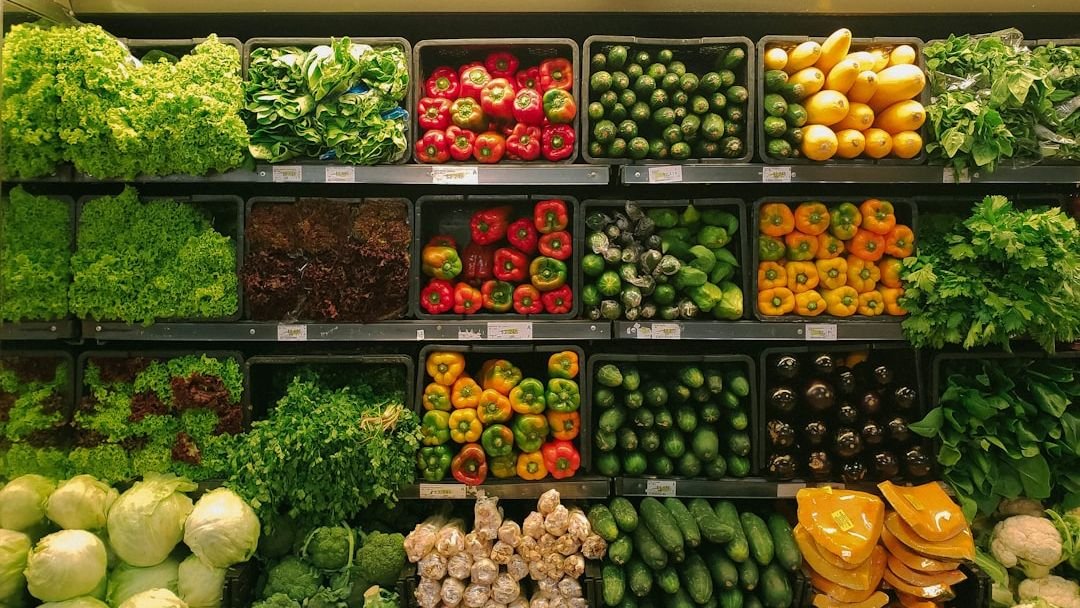
Walk into any grocery store and you will see what looks like a level playing field. Everyone grabs a cart. Everyone strolls the same aisles. Everyone ends up in the same checkout line. But look a little closer, and the differences between how wealthy people shop and how the rest of us shop are surprisingly striking – and they reveal a lot more about money mindsets than most people expect.
It is not just about what ends up in the cart. It is about how decisions are made, where people choose to shop, how much attention they pay to labels, and whether time or price matters more at the register. The gap between high-income and low-income grocery behavior is a kind of quiet economic test playing out every single day across every supermarket in America. Here is what the research actually shows.
1. They Prioritize Fresh Over Shelf-Stable
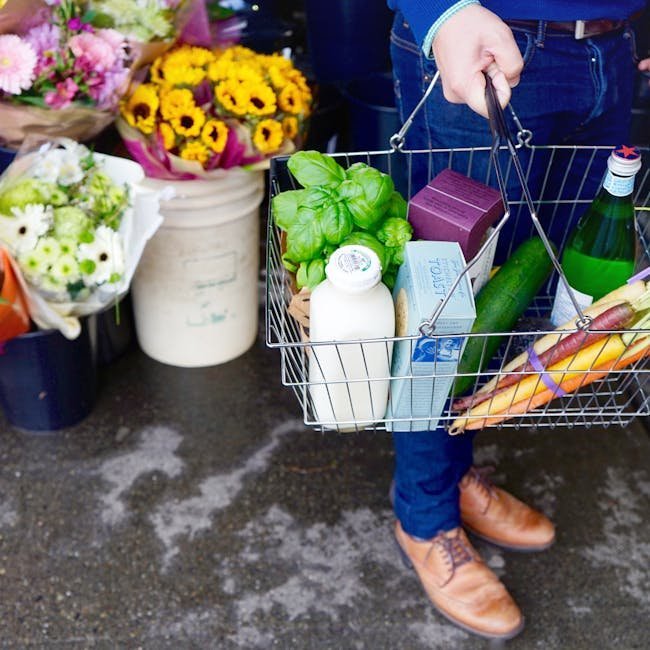
Higher-income shoppers tend to purchase fresh foods, while people with less money often direct their grocery spending toward shelf-stable products, according to NielsenIQ findings shared by the Food Industry Association (FMI). Think about that for a second – it is not just a lifestyle preference. It is a direct reflection of what different income levels can afford to prioritize when budgets are tight.
Shoppers with household incomes above $150,000 are particularly drawn to fresh fruit, beverages, vegetables, and meat, and have significantly boosted their spending in those categories. Meanwhile, people with incomes below $50,000 are cutting back in some areas, even on basic goods like baking supplies. Frozen dinners and canned goods are not villains, but for millions of Americans, they are the budget’s default answer.
2. They Spend More Per Person – By a Wide Margin

Higher-income households spent significantly more dollars per person per month from both home and eating-out sources compared with lower-income households – roughly $163 versus $100 per person monthly, a substantial gap. That difference compounds over a year into thousands of dollars of additional food investment.
Compared with lower-income households, higher-income households spent significantly more home source dollars on both fruits and vegetables as well as on sweets and snacks. Honestly, the sweets and snacks gap is surprising. Wealthy shoppers are not simply buying more health food – they are buying more of everything they want, full stop.
3. They Gravitate Toward Premium and High-Cost Supermarkets

Roughly a third of the higher occupational social class group shopped in high-cost supermarkets, compared to only about one in eight from the lower social class group. That is a massive difference in store choice, and it shapes everything from product quality to the shopping atmosphere itself.
Fresh-format grocers have now taken the lead as the fastest-growing grocery segment, posting the strongest year-over-year traffic gains in 2025. This segment, anchored by players like Sprouts, appeals to the highest-income households of any grocery category, signaling a growing influence of affluent shoppers on the competitive grocery landscape. Put simply, premium health-focused stores are booming precisely because wealthy consumers are driving them there.
4. They Are the Engine Behind Organic Food’s Explosive Growth

U.S. sales of certified organic products accelerated in 2024 with an annual growth rate of more than five percent, more than double the overall marketplace, which grew at around two and a half percent in the same period. Dollar sales for organic reached a new high of $71.6 billion in 2024, according to the Organic Trade Association. That kind of growth does not happen without serious money behind it.
For the third year in a row, organic grew faster than the total market, with organic food sales totaling $70.1 billion in 2025 and growing three times as fast as the overall food market. Higher-income shoppers willing to pay a premium for clean, nutrient-dense products are largely driving this surge. Research also shows that higher-income shoppers place considerably more emphasis on nutritional value and sustainability when choosing food products.
5. They Think Differently About Diet Quality

Higher-income households report better diet quality scores across the board, though all income groups still fall short of recognized healthy diet targets, according to Purdue University researchers. That nuance matters. Nobody is perfectly eating, but the gap in diet quality between income brackets is real and consistent.
According to Purdue’s Center for Food Demand Analysis and Sustainability, the vast majority of U.S. consumers – roughly four in five – modified their grocery shopping behaviors in 2025. Notably, households earning over $100,000 were actually more likely to cite food prices as their reason for change than lower-income households, while nearly one in five low-income households indicated that reduced income or job loss was what truly forced their hand. The motivations behind change are very different even when the behavior looks similar on the surface.
6. They Have Conquered the Warehouse Club
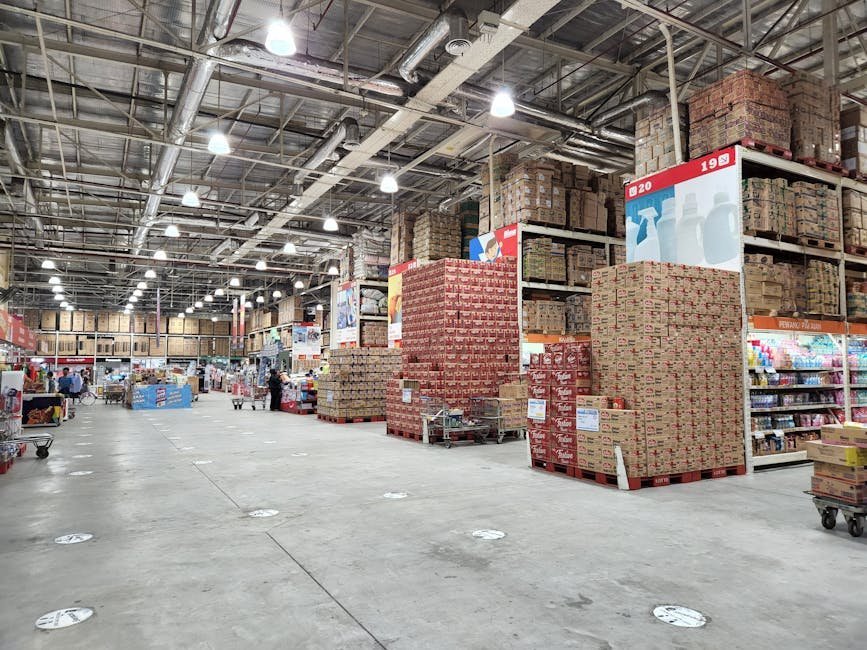
According to NielsenIQ data, warehouse clubs are growing their share of food spending across income groups, especially among those with higher incomes. Those retailers saw growth of more than one-third among shoppers with household incomes above $150,000, representing a meaningful share gain. Let’s be real – Costco has become something of a status symbol, not just a savings play.
The warehouse club has doubled its share as a primary grocery destination overall, climbing from three percent to six percent, suggesting that a growing number of households are turning to bulk buying as a deliberate strategy. For wealthy shoppers, buying in bulk at a warehouse club is less about necessity and more about efficiency. They have the storage space, the upfront cash, and the planning mindset to pull it off.
7. They Are Leading the Online Grocery Revolution
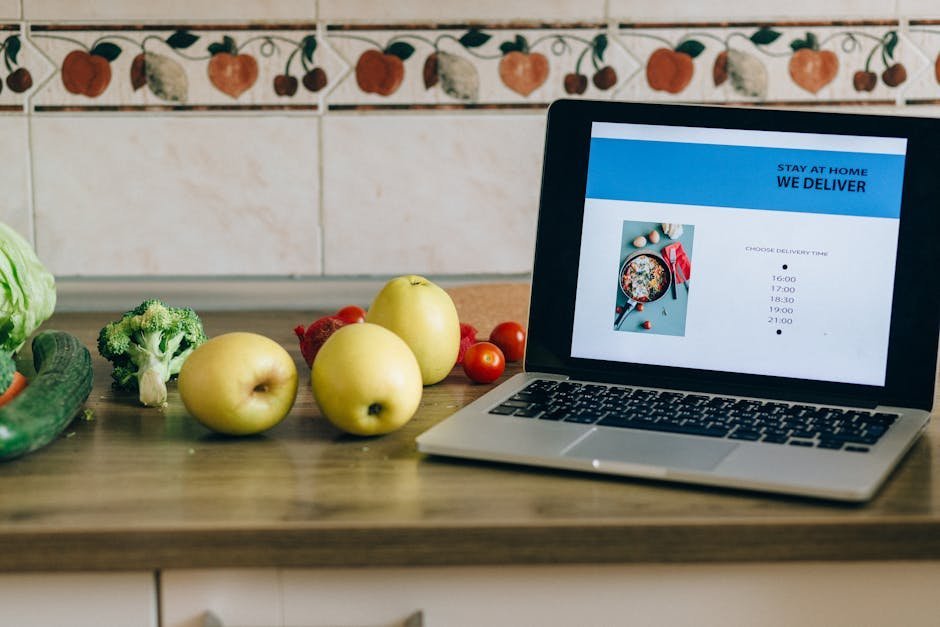
About a third of all online grocery shoppers come from high-income households earning over $100,000 annually, and roughly a third of consumers in that income bracket actually prefer online shopping over visiting a store in person. Convenience, it turns out, is something wealthy consumers are willing to pay handsomely for.
Research confirms that younger, higher-income, and higher-educated respondents are more likely to report prior online grocery shopping. As of mid-2025, about 61 percent of U.S. households – roughly 81 million homes – bought groceries online, a record for e-grocery household penetration. The wealthy did not just adopt this trend first; they built the demand that made the entire industry scale up.
8. They Shop Less Frequently – But More Strategically
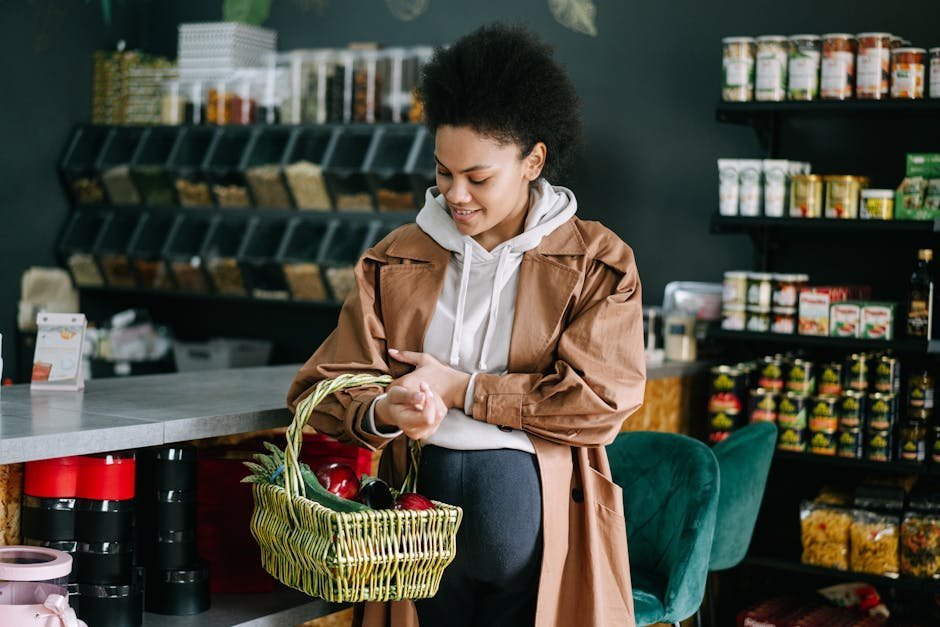
Higher-income households, often cited as a key growth engine for discretionary retail, actually contribute less to grocery visit growth. This trend likely reflects more stable shopping patterns, a greater ability to consolidate trips, or a shift to online spending. In other words, wealthy people are not running to the store every other day. They plan ahead.
Research from the USDA Economic Research Service found that lower-income and SNAP participants had a more difficult time getting to the grocery store than higher-income shoppers, with a notably higher share reporting it takes them more than 30 minutes to reach a store. Lower-income shoppers are also less likely to shop weekly and more likely to shop once a month or less. The contrast is sharp. Wealth buys not just food, but the logistics of getting it easily and often.
9. They Treat Sustainability as a Non-Negotiable
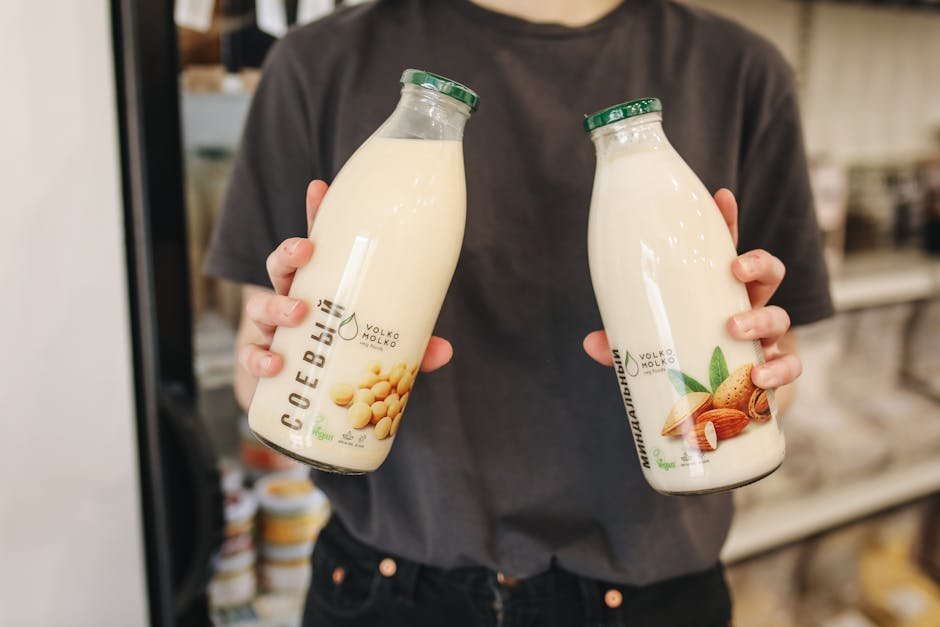
Consumer research shows that organic products are more popular than ever, with new and emerging claims around regenerative agriculture, carbon footprint, water footprint, and responsibly sourced ingredients all growing rapidly in grocery stores. Sustainability is a growing factor particularly among higher-income households. For wealthier shoppers, buying ethically sourced food is not a bonus feature – it is part of their identity.
Price has become a more important factor for all consumers, and organic products are typically on the higher end of that price scale. Ingredient sourcing is essential for building consumer trust, and transparency is a major part of what higher-income shoppers demand from brands. Lower-income shoppers may share the same values, but the price point on ethical products still puts most of them out of reach for the average household budget.
10. They Have Quietly Shifted – Even as Some High Earners Feel the Pinch
Being a six-figure earner once felt like an exclusive club with the promise of a lavish life, but many making over $100,000 are now feeling the financial squeeze – some even buying groceries at dollar stores. More than half of six-figure earners no longer feel financially successful, according to a recent report from Clarify Capital. This is the plot twist nobody expected.
More than seven in ten of these high earners are now being forced to shop at discount grocery chains to save cash. Around three in four say they’re cutting back on dining out, and more than half are pulling back on entertainment and clothing spending too. The fact that value grocers and fresh-format grocers are the two categories driving the most growth underscores how the bifurcation of consumer spending is playing out in the grocery space. On one end, price-sensitive shoppers seek affordable options, while on the other, affluent consumers are fueling demand for premium, health-oriented formats – and this dual-track pattern highlights how widening economic divides are reshaping competitive dynamics in grocery retail.
What the Grocery Cart Really Tells Us
Here is the thing – the grocery store is one of the most honest mirrors a society has. Strip away the brand labels, the loyalty cards, and the self-checkout screens, and what you see is a very real picture of economic inequality playing out in real time, aisle by aisle. Wealthy shoppers are not just buying more expensive food. They are buying time, convenience, better health outcomes, and peace of mind.
The research is consistent across institutions from Purdue University to NielsenIQ to the USDA: income shapes grocery behavior far more profoundly than most people realize. It affects where you shop, how often you get there, what you put in the cart, and even how healthy your diet turns out to be. The difference is not just financial – it is structural.
Next time you push a cart through those automatic doors, it might be worth asking: what does your basket say about the choices you actually have? That question, it turns out, lands very differently depending on where you sit on the income ladder.