

Most people walk into a grocery store thinking they’re being careful with money. They stick to a list, hunt for the sale tags, and maybe even use a store loyalty card. Yet somehow, month after month, the grocery bill keeps climbing. It’s not entirely your fault, honestly. The system is built in a way that makes it genuinely difficult to know what you’re actually paying for what you’re actually getting.
According to the latest data from the U.S. Bureau of Labor Statistics, the price of food at home climbed nearly 30 percent between March 2020 and December 2025. That’s a stunning number. These higher food costs have pushed the average monthly household grocery budget to nearly $700. Yet most shoppers are still making purchasing decisions based on the total shelf price alone, missing the single most powerful tool sitting right in front of them: the unit price.
Here Is What You Need to Know Before You Shop Again

The following points break down exactly how the unit price system works, how it gets manipulated, where shoppers go wrong, and what you can do right now to protect your budget. These are not vague tips. They are grounded in real research, current data, and documented retail behavior. Read each one carefully because the details matter more than you might expect.
Some of what follows may genuinely surprise you. The unit price label is one of the most underused tools in personal finance, and the gap between those who use it and those who don’t is quietly reflected in their monthly spending totals.
1. What Unit Pricing Actually Means and Why Most Shoppers Ignore It
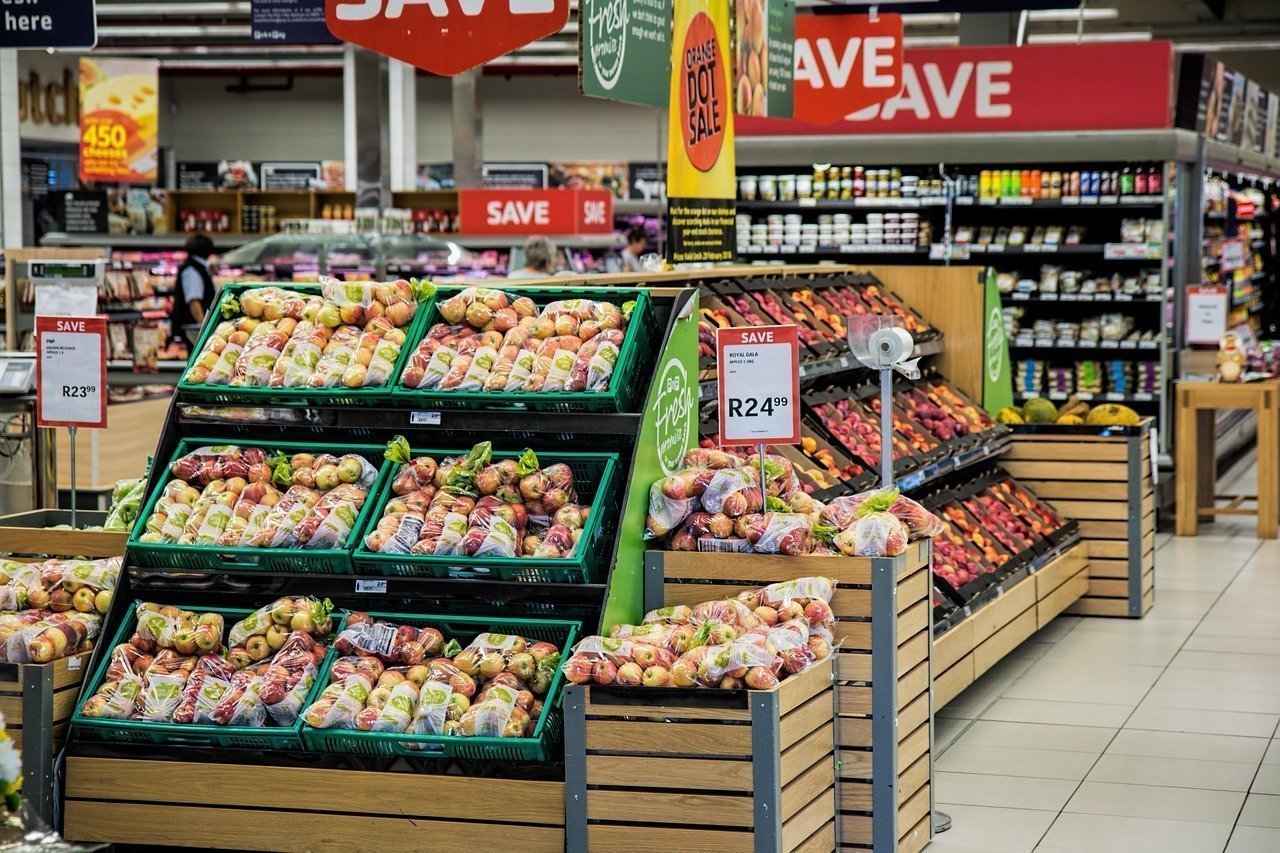
Unit pricing is a term that describes pricing goods to determine what the cost is per unit of measure, such as pounds, ounces, or quarts. Finding the unit price of an item allows consumers to find the “best buy” and determine any advantages to buying in bulk or switching brands. It sounds simple. In practice, most people scroll right past it.
While research shows that roughly four out of five consumers “often” or “always” check the price of food items before buying, far fewer consumers “often” or “always” check for unit price (51%) or weight (44%). Think about that gap for a second. You’re checking the price, but not necessarily what that price is buying you. That’s a meaningful distinction, and it costs households real money every single week.
2. The Law Does Not Require Stores to Show You Unit Prices in Most States

There is no federal legislation mandating that stores display unit prices. It has been left up to the states. According to the National Institute of Standards and Technology, 19 states have enacted unit pricing laws or regulations, and of those, only nine states mandate that stores provide consumers with this information. The United States is one of the largest consumer economies on the planet, and yet a clear, standardized unit pricing system simply does not exist at the federal level.
Although unit pricing has been around since the early 1970s, its use is still voluntary in 41 states. If retailers in those states do decide to unit price, there is little guidance on how it should be done, leaving consumers with a hodgepodge of approaches. This patchwork system is not an accident. Inconsistency benefits the seller far more than the buyer, and if you live in one of those 41 states, you are largely on your own when it comes to comparison shopping.
3. Shrinkflation Is the Reason Unit Price Matters More Than Ever Right Now
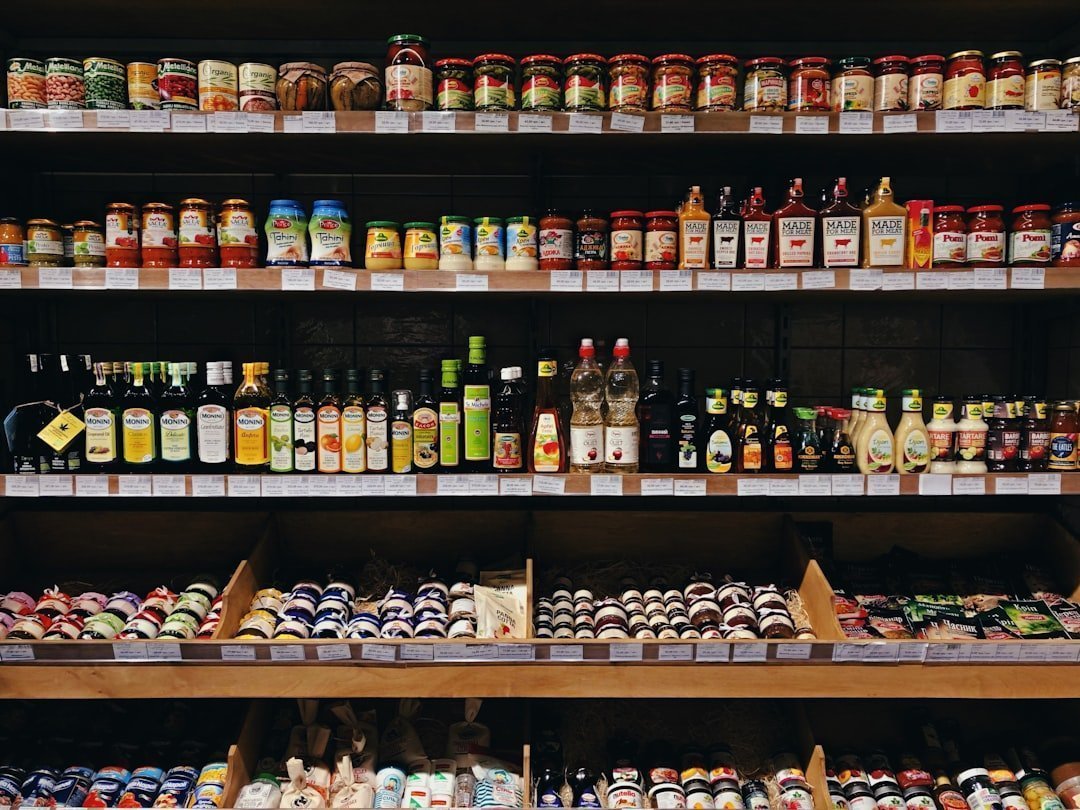
Shrinkflation is also known as product downsizing. It occurs when manufacturers decrease, or shrink, the quantity of an item without a corresponding price drop. It is, in the bluntest possible terms, a hidden price increase dressed up in the same familiar packaging. It is a sneaky form of inflation where, instead of just raising prices, companies shrink the amount of stuff they provide in packages.
In Purdue University’s October 2024 Consumer Food Insights Report, 77 percent of consumers surveyed said they noticed shrinkflation while grocery shopping over the month. Awareness is growing. But noticing it and knowing what to do about it are two different things entirely. Consumer awareness of these changes requires comparing unit prices rather than shelf prices, a practice that becomes more important as shrinkflation examples continue appearing across multiple product categories.
4. The Numbers Behind Shrinkflation Are Bigger Than the Industry Wants to Admit
Research findings shed light on the non-trivial magnitude of adjustments in package sizes and unit prices: the median product is reduced by 11 percent in package size, leading to a meaningful increase in unit price by 9 percent. That is not a rounding error. That is a systematic repricing strategy that flies under the radar of most household budgets.
On average, the per-unit price increase among downsized products ranged from 12 percent for paper towels to 32 percent for coffee. Those price increases could have a meaningful impact on households that continue to purchase these products regularly and at similar volumes. Coffee alone, for instance, saw prices rise 18.8 percent from December 2024 to December 2025, compounding the effect of smaller package sizes on top of outright price hikes. You are getting hit twice.
5. Consumers Are Wired to React to Price Changes, Not Size Changes
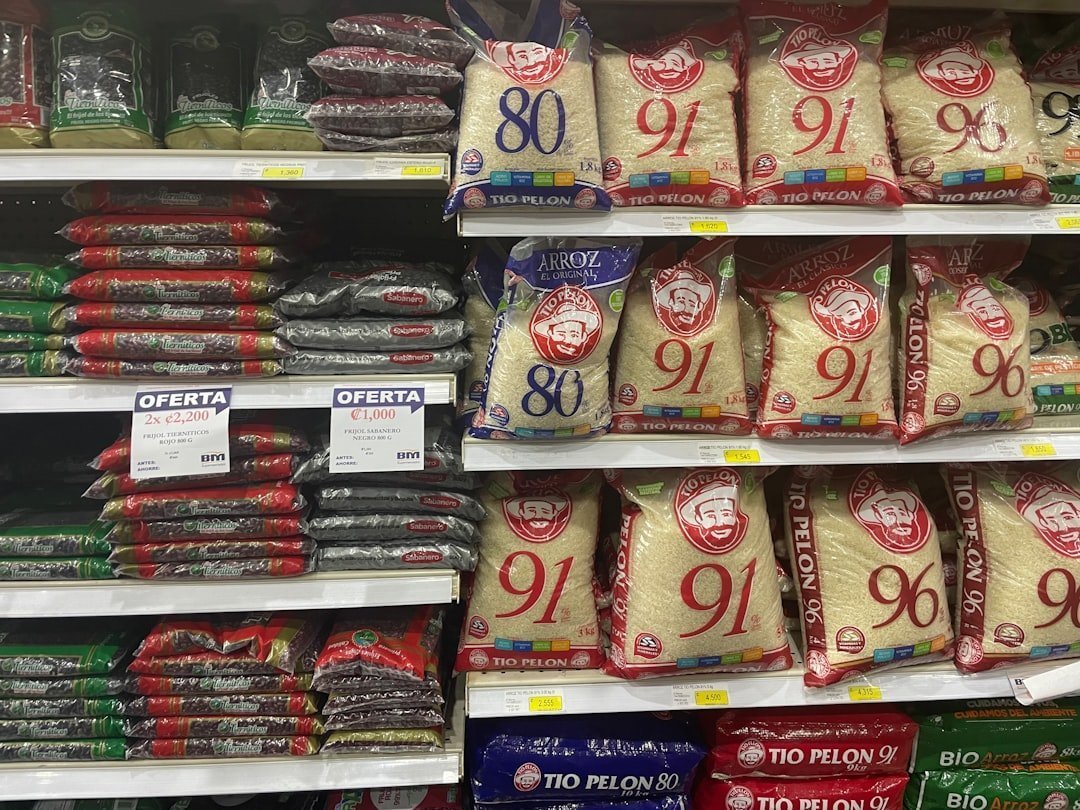
Research shows that shrinkflation is widespread in the U.S. retail market and consumers tend to react more strongly to price changes than to changes in size. This divergence is likely due to limited consumer attention to size changes, which are typically less salient than prices. In other words, your brain is trained to notice a price jump from $3.99 to $4.49. It is far less likely to notice that the package quietly went from 16 ounces to 14 ounces.
Research suggests that consumers tend to be less responsive to downsizing than to equivalent price increases and that downsizing has limited effects on purchase behavior. This limited responsiveness could stem from lack of awareness of subtle packaging changes, infrequent purchases, or strong consumer preferences for certain products and brands. Manufacturers know this. It is not a coincidence that shrinkflation is the preferred tool when costs rise. It is a calculated exploitation of a documented cognitive blind spot.
6. The “Family Size” and “Bulk” Assumption Can Actually Work Against You
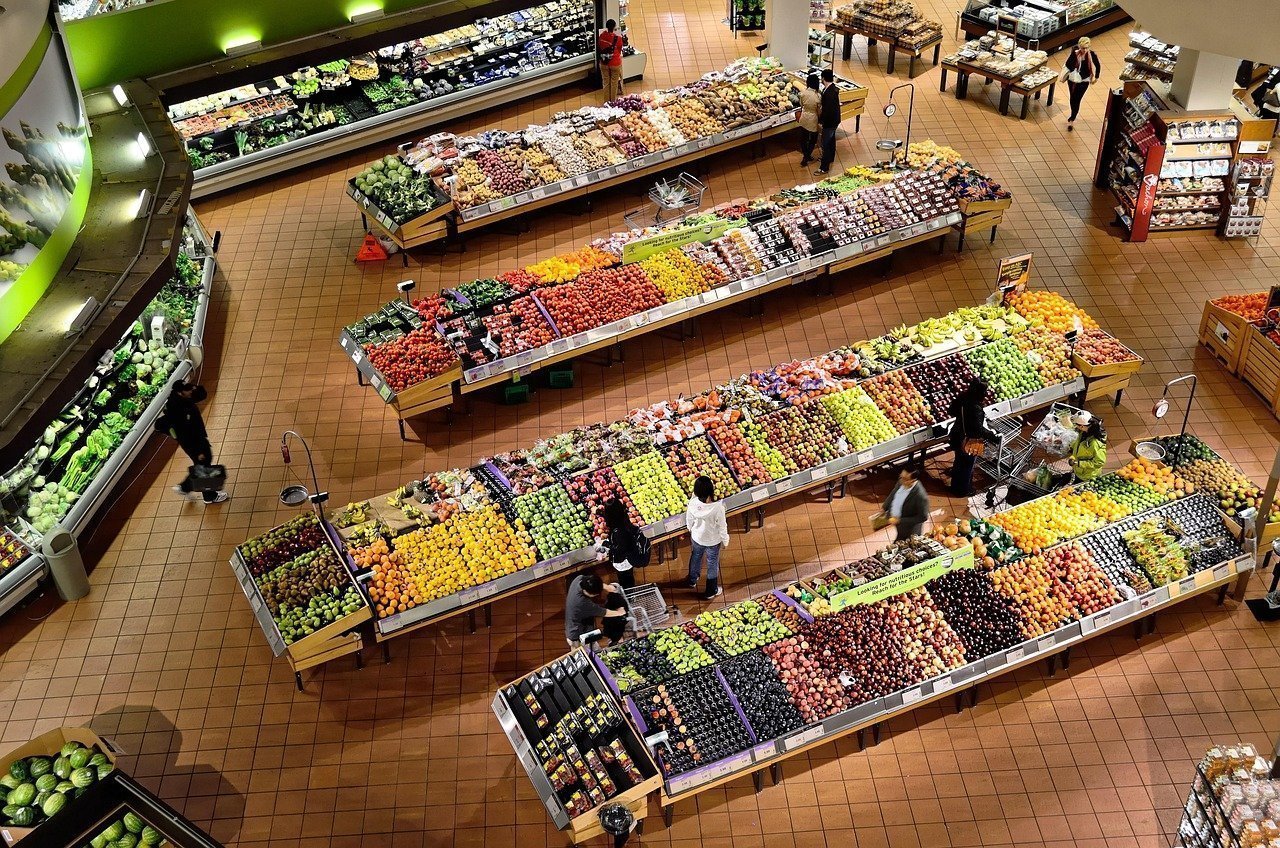
Here is a common misconception worth calling out directly. Most shoppers assume that the bigger the package, the better the deal. It has been argued that unit pricing reduces time spent comparing brands, eliminates confusion relating to price calculations, and ultimately allows shoppers to save money at the register. Unit pricing enables consumers to rationally evaluate the most economic package size and brand. The key word there is “rationally.” Without the unit price, that rationality goes out the window.
Even though households buy more on a given shopping trip when bulk buying, they pay lower unit prices and reduce their overall spending. However, despite the substantial savings available from quantity discounts, low-income households are less likely to buy in bulk than high-income households. The irony is sharp: the families who most need to stretch their food budget are least likely to access the savings that bulk buying can offer, partly because of upfront cost and partly because consumers may not be aware of the quantity discount or how valuable it is because they do not compute unit prices when making purchases.
7. Inaccurate Unit Price Labels Are a Real and Documented Problem
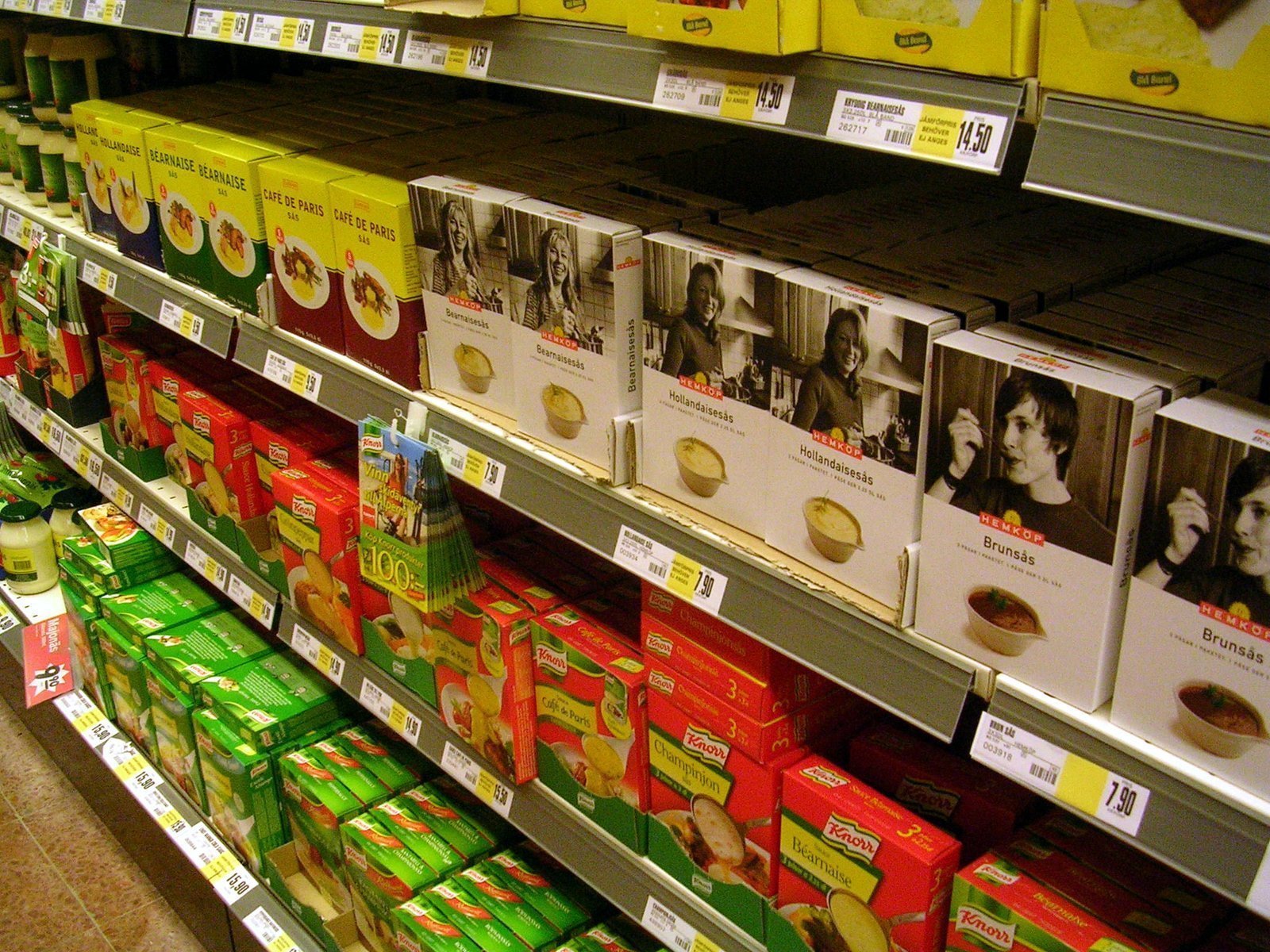
Even when unit prices are displayed, you cannot always trust them. New Jersey regulators fined Walmart over $1.5 million after inspectors found more than 2,000 inaccuracies in displayed unit prices at New Jersey stores. That is just one state, one retailer, and one round of inspections. The scale of the problem across stores that are not legally required to display unit prices at all is impossible to fully measure.
Downsizing is not typically disclosed on packaging, and consumers may not remember unit prices or notice small changes in sizes. But just because they didn’t notice doesn’t mean consumers shouldn’t know about downsizing. The GAO has noted that a federal unit price labeling policy could help consumers compare prices using consistent unit price displays, even when downsizing goes unnoticed. Until that policy exists, the burden of verification falls on you as the shopper.
8. Grocery Inflation Is Still Eating Into Your Budget in 2025 and 2026
The Consumer Price Index for all items rose 2.7 percent from December 2024 to December 2025. Food prices increased 3.1 percent, reflecting a 2.4-percent increase in prices for food at home and a 4.1-percent increase for food away from home. That may sound modest compared to the spike of 2022, but it is still outpacing what many household budgets can easily absorb, particularly for lower-income families.
The price of groceries is up 30 percent since January 2020, and the typical family of four is now spending more than $1,000 per month at the grocery store. In 2026, overall food prices are predicted to rise an additional 3.1 percent. This is not a moment where you can afford to ignore unit pricing. The environment demands sharper, more deliberate decision-making at the shelf.
9. The Fix Is Simpler Than You Think, But Requires Changing a Habit
The Food Marketing Institute found that 78 percent of consumers use unit prices if they are displayed. However, they are still not available at many stores around the country. So if you can see the unit price on the shelf tag, use it every time. It takes about two seconds and it is genuinely the most reliable way to compare two products regardless of how different their package sizes are.
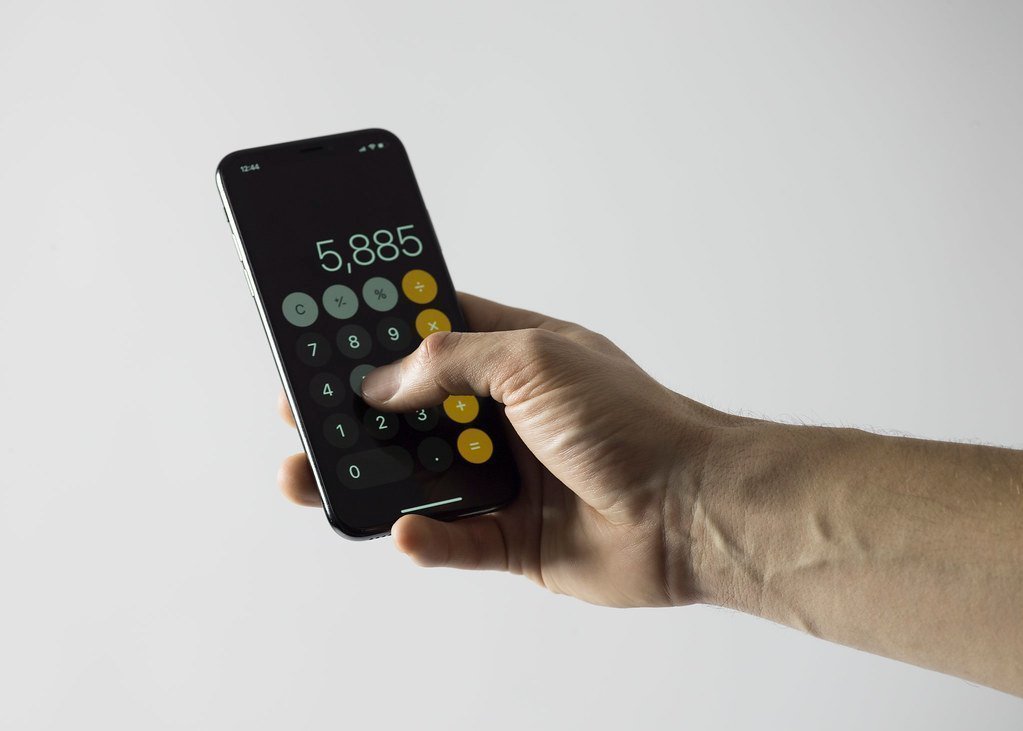
If the unit price is not displayed, the math is straightforward. Take the total price, divide it by the amount in the package, and you have the unit price. Do it again for another product, and now you can do an apples-to-apples comparison to figure out what’s the best value. Your phone’s calculator does this in seconds. While individual savings will vary, you may be able to save anywhere from 25 to 50 percent by buying in bulk when the unit price supports it. Over 12 months of grocery shopping, that is a meaningful number.
10. Policy Is Slowly Catching Up, But Shoppers Cannot Afford to Wait

Shrinkflation has attracted attention from consumer protection agencies and policymakers worldwide. France enacted a law in 2024 requiring retailers to warn consumers about shrinkflation practices. In the U.S., progress has been slower. The “Shrinkflation Prevention Act,” introduced on February 28, 2024, serves as a legislative measure to curb shrinkflation, where companies reduce the size of their products, increasing their per-unit prices. As of now, it has not been enacted into federal law.
A federal unit price labeling policy could help consumers compare prices using consistent unit price displays, even when downsizing goes unnoticed. However, enforcement of such a policy may rely on U.S. states and would need to consider states’ potential roles and resources. In plain terms: this reform will take years. Data from 84.51 degrees shows that roughly 69 percent of consumers in November 2024 reported looking for sales, deals, and coupons more often. That instinct is good, but without unit price awareness to anchor it, deal-hunting can still lead you astray.
The One Habit That Could Change Everything at the Checkout
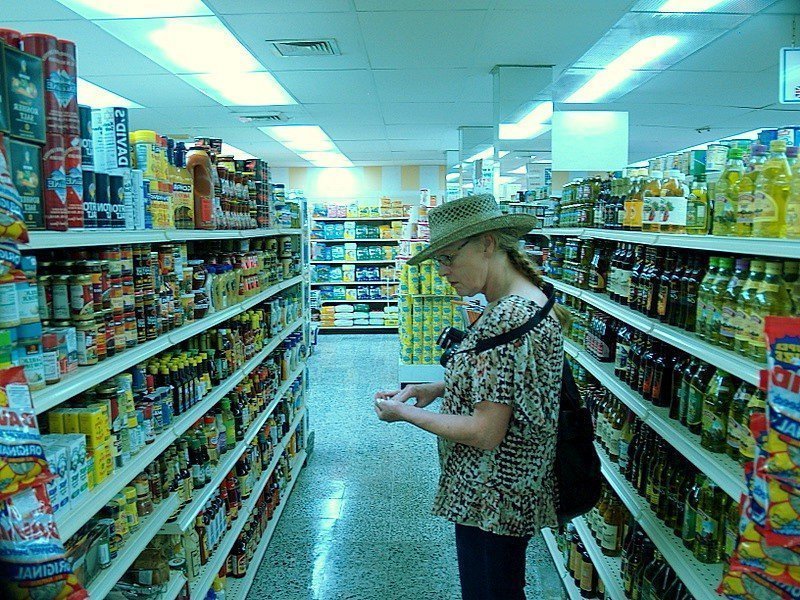
Here is the bottom line: the grocery store is not a neutral space. It is an environment carefully engineered to influence purchasing decisions, and the unit price is one of the few tools you have that cuts through all of it. It does not care about brand loyalty, clever packaging, or sale tag psychology. It just tells you the truth: what something actually costs per ounce, per gram, per sheet, or per count.
Experts advise consumers to compare unit prices on shelf tags and explore alternatives to keep budgets in check. The unit price and weight in particular are key indicators of shrinkflation. Without checking weight or unit price, consumers may not notice reductions in the quantity or value of their typical grocery products. Starting this habit on your very next shopping trip costs you nothing and could save you hundreds of dollars over the course of a year. The question is not whether unit pricing works. The question is why more people are not using it. What would you say if you realized you had been overpaying for the same products for years?