

Most people think of fitness as a way to look better, feel better, or maybe live a little longer. Fair enough. But what if your morning run was quietly doing something more – building your bank account, sharpening your career edge, and protecting you from financial ruin? That is not wishful thinking. The connection between physical fitness and personal wealth is one of the most underreported intersections in modern economics, and the data is stacking up fast.
Researchers, economists, and workplace scientists are now pointing in the same direction. Being fit is not just a lifestyle choice. It is, in every measurable sense, a financial strategy. So let’s dive in.
The Wage Premium: Active Bodies, Fatter Paychecks

Here’s the thing that surprises most people: working out regularly appears to make you genuinely richer. Not metaphorically. Literally. Engaging in regular exercise yields a wage increase of roughly six to ten percent, and while even moderate exercise produces a positive earnings effect, frequent exercise generates an even larger impact.
One major study found that participants in the group with regular exercise behavior increased their income by nearly four percent compared to those not exercising regularly, and for the group with no regular exercise behavior, switching to regular exercise could increase their income by over thirteen percent. That is not a rounding error. That is a genuine, measurable pay raise – earned not in the boardroom, but in the gym.
People who engage in low-intensity workouts earn an average of roughly $54,000 annually, compared to people who engage in medium or high-intensity workouts, who earn about $67,000 and $83,000 a year, respectively. Think about that the next time you consider skipping a session.
Lifetime Earnings: The Long Game Nobody Talks About

A study published in the journal Clinical Orthopaedics and Related Research, by doctors from the National Institute of Arthritis and Musculoskeletal and Skin Diseases, part of the NIH, investigated whether individuals who stayed active would earn more money as a result of their active lifestyle. The researchers found that staying active not only resulted in higher present earnings, but also predicted increased future income throughout one’s life.
The researchers found that for each decrease in the mobility category, individuals lost out on an average of $3,000 in annual income compared to their peers. Those who were active were also significantly more likely to remain working for longer than the other group. That is compounding interest, but for your body.
Active individuals showed an overall income level that was $6,500 higher, along with higher rates of employment. Over a career spanning several decades, those numbers become truly staggering. The gym membership almost pays for itself just in the wage differential alone.
Your Brain on Exercise: The Cognitive Edge Worth Millions

Honestly, the brain benefits of regular exercise might be the most underrated financial argument of them all. Research has consistently shown that physical activity improves brain function, enhances memory, and boosts overall cognitive performance. Exercise increases blood flow to the brain, sharpening focus and increasing mental endurance.
A study published in the Journal of Clinical and Diagnostic Research found that just thirty minutes of moderate-intensity exercise can significantly improve cognitive function, including better decision-making skills and increased attention span. In a world where decisions drive dollars, this is not a small deal.
Research found that when people effectively managed their energy levels across four areas – body, emotions, mind, and spirit – roughly seventy-one percent reported increased productivity. Similarly, a University of Bristol study found that on days they exercised, seventy-four percent of people reported greater job performance and output. These are not soft numbers. These are career-defining advantages.
The Global GDP Argument: Nations Get Richer When People Move

Zoom out for a moment. The fitness-wealth link is not just personal. It operates at a national and global economic scale that is genuinely jaw-dropping. Research published in the British Journal of Sports Medicine found that meeting at least 150 minutes of moderate-intensity physical activity per week would lead to an increase in global GDP of between 0.15 and 0.24 percent per year by 2050, worth up to hundreds of billions of dollars per year and trillions cumulatively over a thirty-year horizon.
If people walked just an extra fifteen minutes each day, the world economy could grow by about $100 billion a year. Gains are attributed to improved productivity, reduced mortality rates, lower sick leave, and lower healthcare costs. A daily walk, worth a hundred billion dollars annually. Let that land.
One major report estimated that encouraging physical activity across the population could save roughly four percent on healthcare costs, boost productivity by over two percent, and create additional economic benefits equal to more than one and a half percent of GDP. Physical fitness, at scale, is essentially an economic policy tool.
Presenteeism: The Invisible Cost of Being Unfit at Work

Most people have heard of absenteeism – missing work because you are sick. Far fewer people talk about presenteeism, which is actually the bigger financial villain. A breakdown of GDP gains from reducing physical inactivity suggests that reduced presenteeism drives the highest proportion of economic gain – about seventy percent – with reduced mortality and reduced sickness absence responsible for only about thirty percent of the overall projected gains.
One Brigham Young University study found that employees with nutritious diets were roughly twenty-five percent more likely to have higher job performance, and those who exercised regularly were fifteen percent more likely to perform better at work than their less-healthy peers. Overall, workers who ate healthily and exercised regularly had about twenty-seven percent lower levels of presenteeism and absenteeism.
Think of it like a car running on bad fuel. The car shows up, but it is sputtering. Over ninety percent of workers say their physical wellbeing impacts their productivity, meaning the overwhelming majority of employees know that working out regularly can have a massive impact not just on physical but also mental wellbeing, which translates into more productive days at work.
Employer ROI: Wellness Programs That Print Money

Let’s be real – corporations are not investing in employee wellness out of pure generosity. They are doing it because the return on investment is remarkable. In a critical meta-analysis of the literature on costs and savings associated with such programs, researchers found that medical costs fall by about $3.27 for every dollar spent on wellness programs and that absenteeism costs fall by about $2.73 for every dollar spent.
Employee wellness programs have been proven to significantly reduce absenteeism. Research has found that on average, these programs reduce absenteeism by just over twenty-five percent. Companies are effectively buying back lost productivity at a fraction of the cost of losing it.
DuPont managed to reduce employee disability days by fourteen days a year after implementing an employee wellness and fitness program. Pacific Bell Telephone Company lowered absenteeism-related costs by about two million dollars per year and disability leave costs by about $4.7 million by implementing an employee wellness program. These are not theoretical projections. These are real corporate balance sheets, and the fitness column is in the black.
Healthcare Costs: The Bill You Avoid by Staying Fit

Healthcare is expensive. Catastrophically so for many people, particularly in the United States. The Centers for Disease Control and Prevention reports that productivity losses linked to absenteeism cost employers $225.8 billion annually in the United States, or roughly $1,685 per employee. A substantial portion of that mountain of loss is tied directly to preventable, lifestyle-driven illness.
Physical inactivity contributes to higher incidence of chronic disease such as heart disease, type 2 diabetes, and certain cancers, which drive long-term treatment costs. Inactive individuals experience higher rates of absenteeism and lower workplace efficiency, leading to billions more in lost economic output. Every skipped workout carries a latent price tag.
Consistent exercise reduces healthcare expenses over time. People who work out four to seven hours a week between the ages of forty and sixty, for example, incur annual medical bills later in life that are nearly $1,600 less than inactive adults every year. That is not just a health win. That is a recurring savings account, built entirely with sweat.
Youth Sports and the Career Pipeline: Fitness Starts Early

I know it sounds crazy, but your childhood fitness habits may already be shaping your adult bank account – without you even realizing it. A higher level of leisure-time physical activity at the ages of nine, twelve, and fifteen was associated with an increase of roughly twelve to twenty-five percent in average annual earnings over a ten-year period in adulthood.
Research shows that sports participation in youth is associated with earnings in adulthood. Using large-scale data linked to administrative records, researchers investigated whether sports attitudes at age thirteen are related to income at ages thirty to thirty-six. They found that a one standard deviation increase in sports attitudes is related to a ten percent increase in income.
Individuals who exercise regularly are more educated than those who do not and have more social capital. It is a compounding effect. Exercise builds discipline, discipline builds skills, skills build careers, and careers build wealth. The whole chain starts younger than most parents realize.
Social Capital, Confidence, and the Networking Advantage

There is a quieter, softer financial benefit to being fit that rarely makes it into economic papers but shows up everywhere in real life. Regular exercise can enhance the interaction between individuals, promote social contact, and relieve stress, which can generate social capital. In business, social capital is currency.
Studies have found that exercise can directly affect people’s appearance and body condition, reducing individual obesity, which in turn generates a psychological incentive to maintain a healthy lifestyle. Interestingly, these traits can translate into higher earnings through the improved ability to work. Confidence, presence, and energy are hard to quantify but impossible to ignore in a job interview or boardroom negotiation.
Aerobic workouts improve oxygen flow to the brain, enhancing problem-solving abilities and reducing cognitive fatigue. Physical activity strengthens the prefrontal cortex, the area of the brain responsible for emotional regulation, helping leaders remain composed under pressure. In high-stakes professional settings, that composure is worth real money.
The Macro Opportunity: Fitness as National Economic Policy
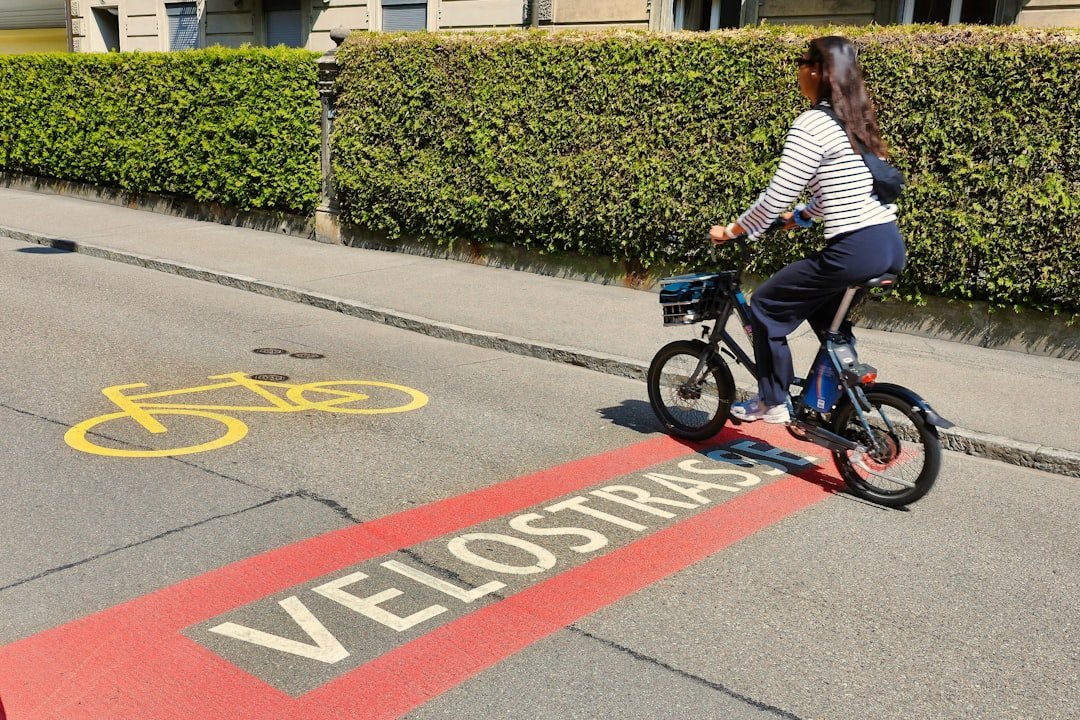
When governments invest in physical activity infrastructure – parks, cycling paths, public sports facilities – they are not just spending money on lifestyle perks. They are investing in economic output. Research demonstrates a return on investment of between 1.5 and four times through reductions in chronic disease prevalence, improved public health outcomes, and productivity savings. That is a rare ROI for any public investment.
New research by the Health and Fitness Association highlights the important role affordability plays in addressing the global physical inactivity crisis. Covering ten diverse markets, the study demonstrates how reducing financial barriers to structured exercise could help drive substantial health, social, and economic benefits. Access to fitness, in other words, is also an equity issue with direct economic consequences.
Estimates suggest that by achieving even partial global activity targets, more than $25 to $36.5 billion could be added to global GDP annually by 2030. It’s hard to say for sure exactly how quickly governments will act on this, but the economic case has never been clearer. Regular physical activity leads to healthier populations, more productive workforces, and a stronger economy. Physical activity is more than just a personal health choice – it is an economic asset that can benefit society as a whole.
Conclusion: The Wealthiest Investment You Can Make Is in Your Own Body

The evidence is overwhelming and increasingly hard to dismiss. Physical fitness is not a luxury enjoyed by the already-wealthy. It is one of the most accessible, high-return investments any person – or nation – can make. From wage premiums and sharper cognition to lower healthcare bills and longer careers, the financial rewards of staying active are real, measurable, and compounding.
It is tempting to think of the gym as a cost center in your life. Monthly membership fees, time carved out of a busy schedule, the occasional sore muscle. Flip that framing entirely. Every workout is a deposit into a financial account that pays dividends in salary, productivity, health savings, and longevity. No stock, no index fund, no side hustle offers that same multi-dimensional return.
The richest investment you will ever make may not require a brokerage account. It may just require a pair of running shoes. What would you do differently tomorrow morning if you truly believed your workout was building your wealth?