
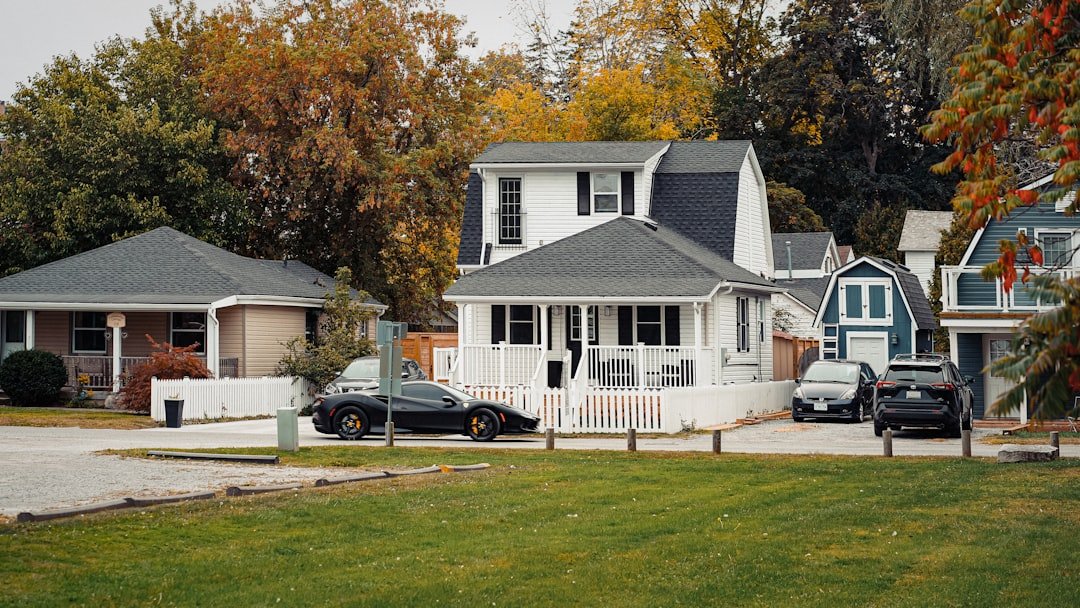
There is something quietly painful about watching someone drive a brand-new leased BMW into a parking lot, then struggle to find a spare $20 for dinner. It happens more often than anyone admits. The modern middle class has become a master class in spending money to look like it has more money. The gap between appearance and reality has never been wider.
You can afford some extras, yet you still feel one surprise bill away from stress. Status symbols get loud in that space. They promise safety, respect, and a sense of arriving. Honestly, that promise is one of the most expensive lies of our time. Let’s pull back the curtain on the 10 things people buy to signal success, that actually signal the opposite. Be ready to recognize yourself.
1. The Leased Luxury Car You Don’t Own

Let’s be real. Nothing screams “I want to look wealthy” quite like showing up in a leased luxury vehicle you’ll hand back in three years with nothing to show for it. The car may look impressive in the driveway. The monthly payment, however, is quietly hollowing out your savings account.
Auto loan debt in America now sits at a shocking $1.66 trillion. Delinquencies, defaults, and repossessions are skyrocketing. Subprime delinquency is worse than in the 2008 financial crisis. Many Americans love the feeling of driving a new car, but the price of that thrill is pushing household budgets to the edge.
Figures show the typical monthly payment is $745, and roughly one in five buyers are saddled with monthly bills of at least $1,000. Think about that for a moment. That’s like paying rent on a car you’re not building equity in. Car prices rose by 21% from 2020 to 2025 before inflation, and are expected to continue climbing. The vehicle depreciates. Your debt does not.
2. Designer Logomania That Shouts Across the Room
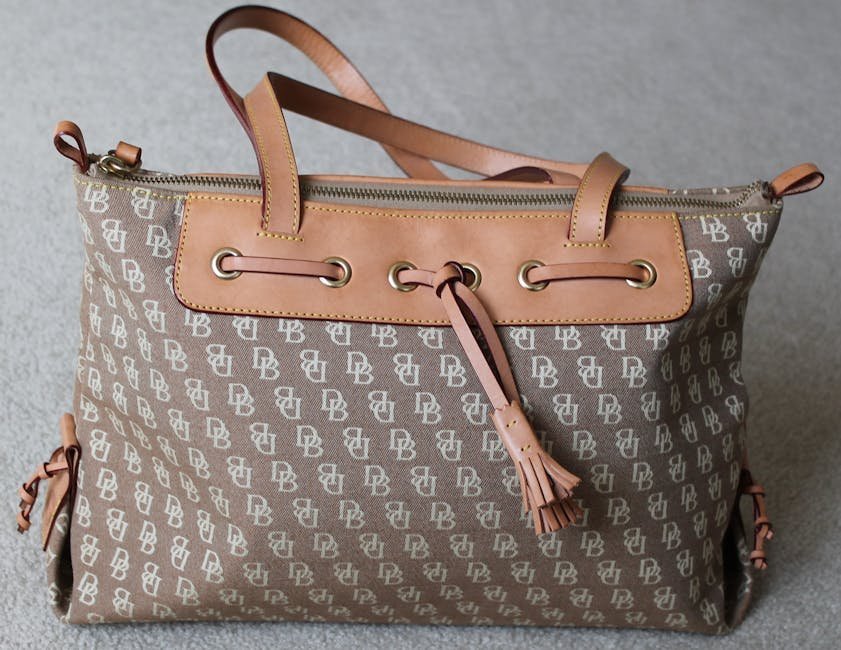
You know the look. Giant interlocking letters across a handbag. A logo belt buckle the size of a dinner plate. It’s the fashion equivalent of saying out loud, “I spent a lot of money on this.” Here’s the thing though: the people who can actually afford it without flinching rarely wear the logo at full volume.
Huge logos splashed across bags, belts, or shoes are meant to say “Look how expensive this is.” Among those with real wealth, logos tend to shrink. This is not an accident. Quiet luxury has been the aesthetic of actual old money for decades. The loud logo is mostly a message aimed at peers, not a signal of real financial security.
American luxury shoppers are far more likely than the national average to only buy the best-known brands (roughly half versus about a third) and to pay more for luxury brands (nearly three out of five, versus about one in three). Most of that aspirational buying is status performance, not investment. The bag does not grow in value. Your credit card balance does.
3. The Oversized House With Empty Rooms
There is something almost romantic about the idea of a big house. Wide hallways. A home office. A guest room that nobody ever visits. It feels like success made physical. Except once the mortgage lands every month, the romance exits quickly.
A big, expensive home doesn’t necessarily equate to success or happiness. In fact, it can often lead to feelings of isolation and unnecessary financial stress. That extra square footage costs more to heat, cool, furnish, insure, and maintain. It’s a status symbol that keeps billing you long after the initial excitement fades.
Median home prices in many metropolitan areas have surged by roughly one fifth to a quarter over the past three years, and rents have followed a similar trajectory. In states like Florida, the median home price exceeds $400,000, and rental prices for a modest apartment average $2,500 per month. High mortgage rates have driven up the cost of housing even as real estate values have plateaued. Stretching into a home far beyond your needs is one of the fastest ways to ensure financial fragility.
4. Maxed-Out Credit Cards Used for “Treats”
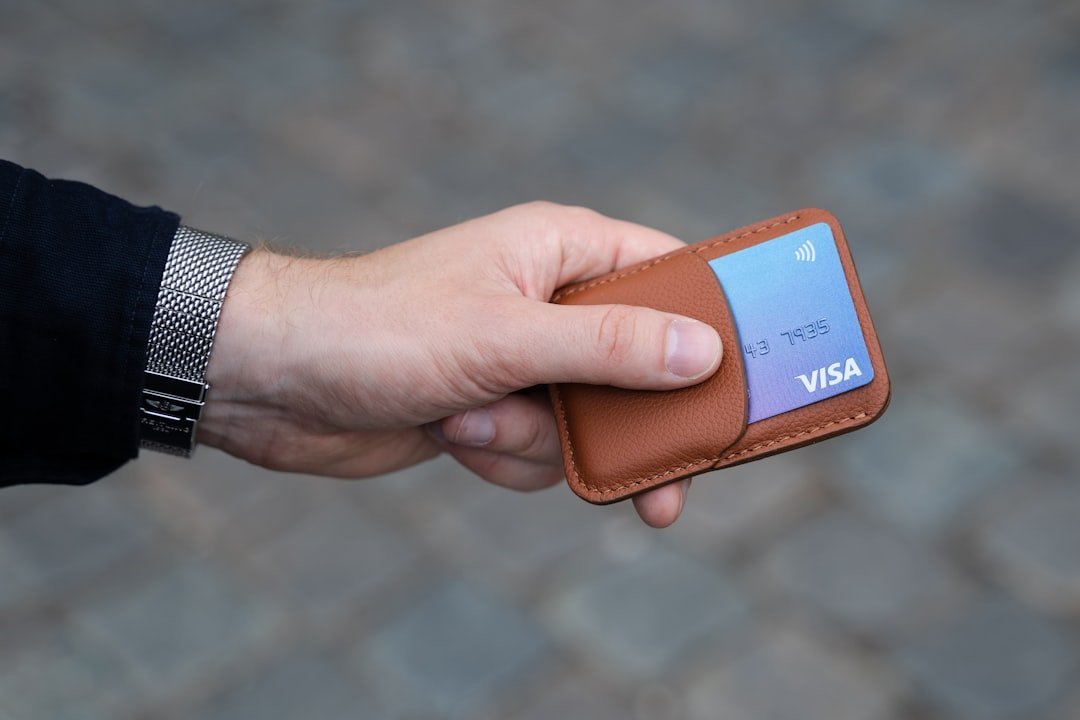
Swiping a credit card at a nice restaurant, a weekend getaway, or a luxury skincare haul feels empowering in the moment. It creates the illusion of abundance. The bill, arriving 30 days later, brings an entirely different feeling.
Americans’ total credit card balance reached $1.277 trillion as of the fourth quarter of 2025, according to the latest consumer debt data from the Federal Reserve Bank of New York. That’s the highest balance since the New York Fed began tracking in 1999. This is not an economy where people are spending carefully. It is one where people are spending publicly, and suffering privately.
About three in five Americans with card debt have been in debt for at least a year, up from about half in late 2024. About one in five debtors don’t think they’ll ever pay it off. Treating yourself with borrowed money at interest rates above 20 percent is not a reward. It is a tax on looking prosperous. The dinner gets digested. The debt does not.
5. The Yearly Smartphone Upgrade Ritual
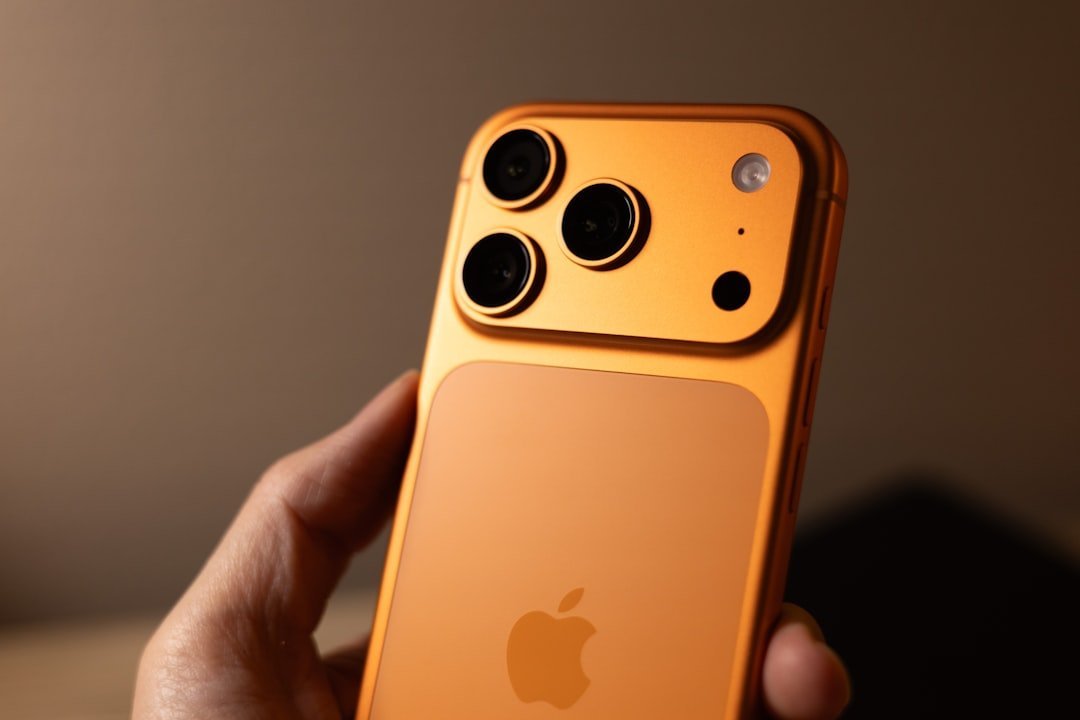
Every September, like clockwork, a significant portion of the middle class lines up or clicks frantically to order the newest phone model. It’s a $1,000 plus purchase that feels completely normal now, which might be the most troubling thing about it.
New models of iPhone and Android are released yearly, and upgrading each time is a financial trap because the devices are so expensive. You’ll pay between $700 and $1,500 to purchase them outright, and leasing leads to monthly payments of around $30 to $50 or even more. Phones depreciate quickly, so it’s a high-cost item that offers no return. These purchases can strain your budget and limit your ability to save or invest.
The phone in your pocket two years ago likely still works perfectly. It takes photos. It sends messages. It navigates. Yet the social pressure to have the latest model is enormous, particularly among younger demographics. One minute you’re holding the latest iPhone, and the next, it’s already outdated. It’s easy to feel like you need to keep up, to own the latest gadgets as a validation of success. Validation rented for $1,200 per year is not wealth. It is its opposite.
6. The Lavish Wedding That Launches a Marriage in Debt

The wedding industry has done a masterful job convincing people that spending a year’s salary on a single day is a reasonable, even necessary, expression of love. It’s a beautiful trap. The flowers die. The debt stays for years.
Weddings can cause overwhelming financial stress, and many people go into debt to cover the high costs. It’s a status symbol that ultimately is only to impress those you invite to your wedding. Rethinking a lavish wedding could leave you with more funds to make money moves like buying a home, investing, or saving for the future.
It’s hard to say for sure exactly where social expectation ends and genuine desire begins, but when couples start their life together with $30,000 in wedding debt, the romantic glow fades fast. Financial stress is one of the leading causes of relationship conflict, and ironically, the very celebration meant to honor a partnership can undermine it from day one. The party lasts eight hours. The loan lasts much longer.
7. The Premium Gym Membership Nobody Uses

Joining an expensive boutique gym or a high-end wellness studio has become one of the most socially acceptable ways to spend money without result. It signals health. It signals ambition. It signals the lifestyle. Except for the weeks, and let’s be honest, months where you just don’t go.
Whether that be investing in $40 Pilates classes, at-home IV drips, lip filler, organic produce, or weight-loss drugs, celebrities and the wealthy tout all the ways they were “reversing the biological clock.” Being slim signaled that one had more “self control,” or had access to healthy foods and boutique workout memberships. Health has become a performance category. The membership itself signals something, even if the treadmill gathers dust.
The middle class has followed this trend enthusiastically, spending on premium fitness memberships as aspirational identity purchases. One of the most telling signs of middle-class stress is the lack of emergency savings. Studies show that most Americans don’t have even $1,000 set aside for emergencies, and that’s terrifying. Paying $150 a month for a gym while having no financial cushion is the definition of prioritizing appearance over reality.
8. Over-the-Top Children’s Activities and Designer Kid Gear

Parents want the best for their children. That is beautiful and completely understandable. Where it turns into a status trap is when every child must be enrolled in four extracurricular activities, wear branded clothes, and carry a designer backpack to daycare. The kids don’t notice. The parents absolutely do.
Living the “busy soccer mom” lifestyle can drain your finances and prevent you from building wealth. Driving kids to activities leads to spending money on gas and causes wear and tear on your vehicle. Plus, you’ll spend money eating out with the kids because there’s no time to cook at home. These costs quickly add up, in addition to the activities and required equipment costs.
Considering young children and toddlers grow out of their clothes within a year, it’s not surprising that many low-income families aren’t spending money on designer or luxury brands focused on longevity. However, branded clothing for toddlers is one of the things the middle class think are status symbols. A $200 toddler outfit is not an investment in the child. It is an investment in the parent’s image, which is both expensive and, honestly, a little bittersweet.
9. The Luxury Watch Bought on a Payment Plan

A Rolex or a Tag Heuer on the wrist says “I’ve made it.” It’s a powerful symbol, deeply embedded in the culture of achievement. The problem is when that symbol is sitting on a wrist belonging to someone who financed it over 24 months at a double-digit interest rate.
Middle-class people buy Rolexes and Tag Heuer watches as significant purchases. They’re marking success, celebrating promotions, or treating themselves. There is nothing inherently wrong with buying a beautiful watch. The issue is doing it to signal a financial status that does not yet exist, and then actually making that status worse in the process.
The things middle-class people stress about as status markers don’t register at all to people with actual wealth. The genuinely wealthy person is not looking at your watch. They are thinking about their investments, their time, and their freedom. Real wealth is usually quiet. When someone talks about money constantly, what they’re often really asking for is validation. A watch bought to impress is a confession, not a flex.
10. The Constant “Treat Yourself” Vacation Financed by Debt

The Instagram-worthy vacation to Bali or the Maldives. The all-inclusive resort. The business-class upgrade charged to a card with a 23 percent APR. Travel is genuinely one of life’s great pleasures. Yet when it is systematically financed with debt and performed for social media, it crosses into something else entirely.
More than half of middle-class households are at least somewhat concerned about the risk of a serious decline in their financial situation. These figures closely reflect sentiments captured in 2024. Almost half of middle-class households also report they are not confident they will be able to build sufficient retirement savings. Yet the vacations keep getting booked, the photos keep getting posted, and the savings keep staying flat.
The middle class performs status constantly. They buy things and display things and talk about things specifically to signal where they stand economically. It’s exhausting and expensive and often misses the point entirely. A vacation charged to a card at 22 percent interest does not mean you are thriving. It means you paid significantly more than the ticket price for a photo opportunity. The experience is real. The financial damage is realer.
The Real Flex Nobody Talks About

Here’s what all ten of these status symbols have in common. They are performances directed at an audience that is mostly too busy performing its own status to notice. The truly financially secure are not watching. They never were.
The truly wealthy, the ones with generational wealth or deep financial literacy, usually don’t flash their status. They don’t need to. The real markers of financial health are invisible. An emergency fund. A growing investment account. No anxiety when an unexpected bill arrives. These things are genuinely boring to post about, and genuinely powerful to have.
For many Americans, being middle class has become a financial balancing act with no margin for error. The lifestyle that once symbolized stability is now defined by hustle, sacrifice, and anxiety. That truth is uncomfortable. The first step out of the trap is admitting you might be in one. What would you give up first?