

There is a striking disconnect in America’s retirement picture. Millions of people are working toward a number in their head – a figure they believe will unlock a comfortable retirement – while the actual financial reality paints a very different story. The gap between perception and fact isn’t just a minor miscalculation; for many, it represents the difference between financial security and years of anxiety in old age.
What does it actually take to retire with dignity in 2026? The answer depends on who you ask, and that is precisely the problem. Surveys, government data, and financial planning studies all tell different parts of the story. Read on to find out what the numbers really say, and how far off most Americans actually are.
1. The “Magic Number” Americans Believe They Need

Americans’ “magic number” to retire comfortably in 2025 is $1.26 million, which is $200,000 less than the $1.46 million reported in 2024, and nearly flat with 2022 and 2023 estimates. That drop sounds like good news on the surface. Honestly, it is more of a reflection of changing economic sentiment than any real improvement in people’s financial situations.
The inflation rate retreated from roughly six percent in 2023 to about three percent in 2024, and now in 2025, Americans are adjusting their perceptions about their future financial needs. In other words, as inflation cooled, people simply revised their expectations downward. That is not the same as actually being better prepared. The perception shifted; the reality did not change nearly as much.
2. What People Have Actually Saved vs. What They Think They Need

The “magic number” Americans think they need to retire comfortably in 2025 is $1.26 million, but the median retirement savings for those aged 55 to 64 stands at just $185,000, and for those aged 65 to 74 it is just $200,000 – far below that target. Think about that for a moment. The people who are literally on the doorstep of retirement are sitting on a fraction of what they believe is necessary.
According to the Federal Reserve’s “Economic Well-Being of U.S. Households in 2024” report, roughly two thirds of Americans either believe their retirement savings are off track or aren’t sure. For those who do have retirement accounts, the median savings balance stands at $87,000. That $87,000 figure is sobering when placed next to a $1.26 million goal. The math simply does not work for most Americans.
3. The Half With Nothing at All

Over half of American households report having no dedicated retirement savings, according to the Federal Reserve’s Survey of Consumer Finances, yet the total 401(k) savings rate remained steady at 14.2 percent in Q3 2025. These seemingly contradictory numbers indicate that the gap between non-savers and savers is growing. It is a tale of two Americas: a shrinking group doing everything right, and a majority falling further and further behind.
Only 64 percent of non-retirees have a retirement account, like a 401(k), IRA, or defined benefit pension through an employer – and 36 percent don’t have any retirement savings at all. That is more than one in three working Americans with absolutely nothing set aside. It’s hard to overstate how vulnerable that position is, especially as healthcare costs and living expenses continue to climb in later years.
4. The Fear of Outliving Your Money Is Very Real

More than half of Americans think it is somewhat or very likely that they will outlive their savings, according to the Northwestern Mutual 2025 Planning and Progress Study. In contrast, only 16 percent feel confident enough to say the prospect of outliving their wealth is “very unlikely.” That fear is not irrational. It is grounded in the math. Living 20 to 30 years past retirement age with insufficient savings is a genuinely terrifying financial scenario.
Meanwhile, more than a third of Americans say they have not taken any steps to address that potential outcome. Knowing the risk exists and doing nothing about it is a dangerous combination. Think of it like knowing your car’s brakes are soft and continuing to drive on a mountain road anyway. The awareness alone doesn’t protect you.
5. What the Wealthiest Americans Believe They Need

Wealthy Americans now estimate they will need an average of $4.1 million to retire comfortably, and $6.3 million to both retire and pass on wealth. Despite these higher targets, savings have stayed flat at $1.6 million in both 2024 and 2025. Even among the financially privileged, there is a major gap between what people think they need and what they actually have.
The average anticipated retirement age among this group has risen from 64 to 65 since last year’s report. More than a quarter of respondents lack confidence in their ability to retire on time, which is evidence that even significant wealth doesn’t ensure certainty. If wealthy people are delaying retirement and feeling unsure, it puts into sharp relief just how anxious the average American must feel about their situation. Money buys options, but it does not buy peace of mind automatically.
6. How Retirement Readiness Differs by Generation

Overall, working-age Americans say they started saving for retirement at age 31 and plan to retire at age 65. Across every generation, Americans report they are saving sooner, planning to retire earlier, and expecting to live longer. Gen Zers started saving at 24 and aim to retire at 61. Baby Boomers started saving at 37 and aim to retire at 72. The generational contrast here is dramatic. Younger generations have clearly absorbed the lesson about starting early.
The generation with the most confidence they’ll be financially prepared for retirement is Gen Z. Conversely, Gen X is the only generation with a majority of respondents saying they do not think they will be ready to retire. Gen X, sandwiched between the pension-era Boomers and the digitally savvy younger generations, may be the most financially vulnerable cohort heading into retirement in the coming decade. That deserves far more national attention than it currently gets.
7. The Social Security Wildcard

If the Social Security program continues to roll forward in its current trajectory and no action is taken by Congress, Social Security will only be able to cover 81 percent of promised benefits starting in 2034, according to the latest estimates of the Social Security trust funds report. This is a massive variable that most retirement planning conversations barely account for. Millions of Americans are building their retirement plans around a program that may pay less than expected within a decade.
The average benefit paid to a retired worker in 2025 is about $1,900 per month. That works out to roughly $22,800 a year. For someone expecting to live on $50,000 to $70,000 annually in retirement, Social Security alone covers less than half the bill. The rest has to come from personal savings, and as we’ve already seen, most people are woefully underprepared for that reality.
8. The Location Factor: Where You Live Changes Everything
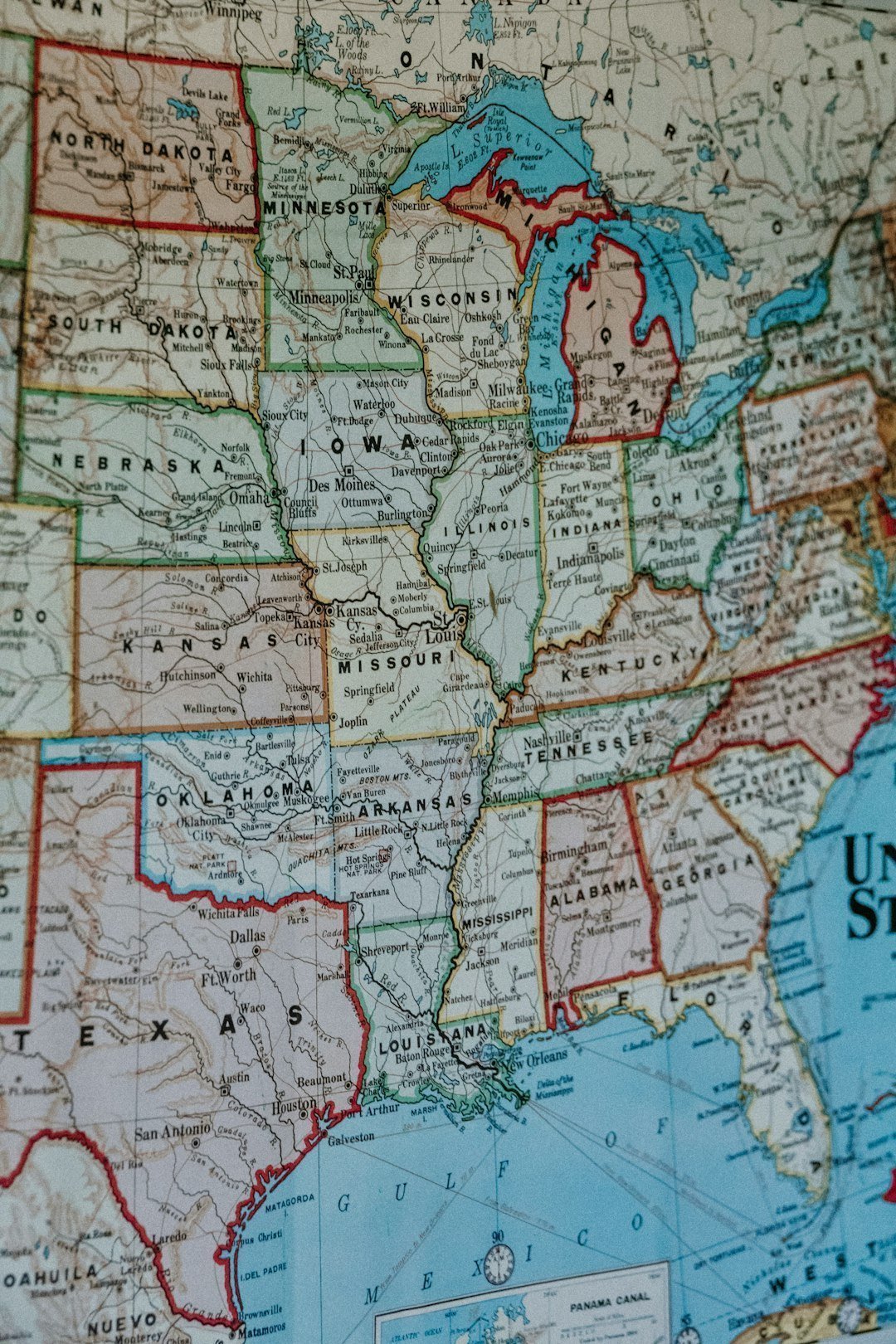
In California, you need about $1.41 million to retire comfortably. In Hawaii, the number crosses the $2 million mark, according to a May 2025 GoBankingRates study. The national “magic number” conversation almost completely ignores this geographic dimension. Retiring in rural Mississippi is an entirely different financial proposition than retiring in San Francisco or Honolulu.
Retirement planning today poses unwelcome challenges such as the funding shortfall for Social Security and Medicare, an aging population, rising prices on many essentials, and inflation. For those reasons and more, how much Americans believe they will need to retire comfortably is all over the place. State taxes, housing costs, local healthcare expenses, and climate all factor into how far your retirement dollar stretches. A standardized national benchmark simply cannot capture the full picture.
9. The Psychological Toll of Retirement Anxiety

A 2024 Harvard Business Review study revealed that 28 percent of investors surveyed experience depression and significant anxiety about their retirement readiness, with worries about their health, leaving a legacy, investment choices, and taxes all playing a part. This is worth sitting with for a moment. More than a quarter of people who are actively investing – the ones supposedly doing things right – are dealing with serious psychological distress about retirement. Imagine the anxiety levels among those who have barely saved anything.
Nearly two in five Americans said “not having enough saved for retirement” was a financial concern in an April 2025 NerdWallet survey. Retirement anxiety is not an edge case or a niche worry. It is a mainstream, widespread emotional burden that affects the way people spend, save, and plan every single day. I think we tend to underestimate just how much this financial stress bleeds into quality of life well before retirement even begins.
10. The Long-Term Care Cost Nobody Is Planning For

Longer lives and lower savings are fueling a retirement security crisis for millions of Americans. It is worsened by inflation, rising healthcare costs, and the fact that someone turning age 65 today has almost a 70 percent chance of needing some type of long-term care services and supports in their lifetime. Long-term care is expensive and not covered by Medicare. This is the cost most retirement calculators quietly leave out. People plan for travel and leisure. They often forget that a single health event can erode years of savings with terrifying speed.
About 20 percent of Gen Zers and 26 percent of millennials feel they are behind in saving for retirement, while only 45 percent of Gen Xers and 30 percent of baby boomers have confidence in retiring when and how they want. Given that 11,000 Americans will turn 65 every day through 2027, only around half of all boomers and Gen Xers believe they’ll be financially ready for retirement when the time comes. With thousands of Americans crossing that threshold every single day, the scale of this problem is not abstract. It is an active, rolling national crisis.