

There is something quietly alarming happening in America’s most desirable cities. People who earn what used to be considered a very comfortable income are stretching every dollar just to stay afloat. We are not talking about minimum wage workers or recent graduates living with roommates. We are talking about engineers, lawyers, managers, and skilled professionals pulling in $150,000 a year who still feel financially squeezed.
The gap between what you earn and what your money actually buys has never been more dramatic. Housing inflation, state and local taxes, sky-high grocery bills, and a chronic shortage of homes have combined into a financial pressure cooker that is reshaping what it means to be “well off” in America. If you think earning six figures puts you in the clear, these ten cities are about to change your mind. Let’s dive in.
1. New York City, New York – Where Even Six Figures Barely Covers the Basics

New York City is the kind of place that eats salaries alive, and the data backs this up brutally. It takes the most money to live comfortably as a single person in New York City, which breaks down to roughly $66 in hourly wages, or an annual salary of $138,570. That figure is just for a single adult without children. A family? The numbers get staggering fast.
For a family with two working adults and two children in New York City, the combined salaries needed to live comfortably climb to $318,406 per year. So if you are pulling in $150,000 and supporting a family, you are effectively living below the “comfortable” threshold for New York by a very wide margin.
Over the past five years, the most significant rent increases in the country have been in New York City, where rents went up by nearly 47%. The average one-bedroom rent has ballooned by $854, with an apartment that used to cost $1,801 in the Big Apple now costing $2,655. Then pile on New York State and City income taxes. New York has nine income tax rates ranging from 4% all the way up to 10.9%. A $150,000 earner faces some of the heaviest combined tax burdens in the entire country once federal, state, and city taxes are factored in.
2. San Jose, California – The Highest Salary Requirement in the Nation
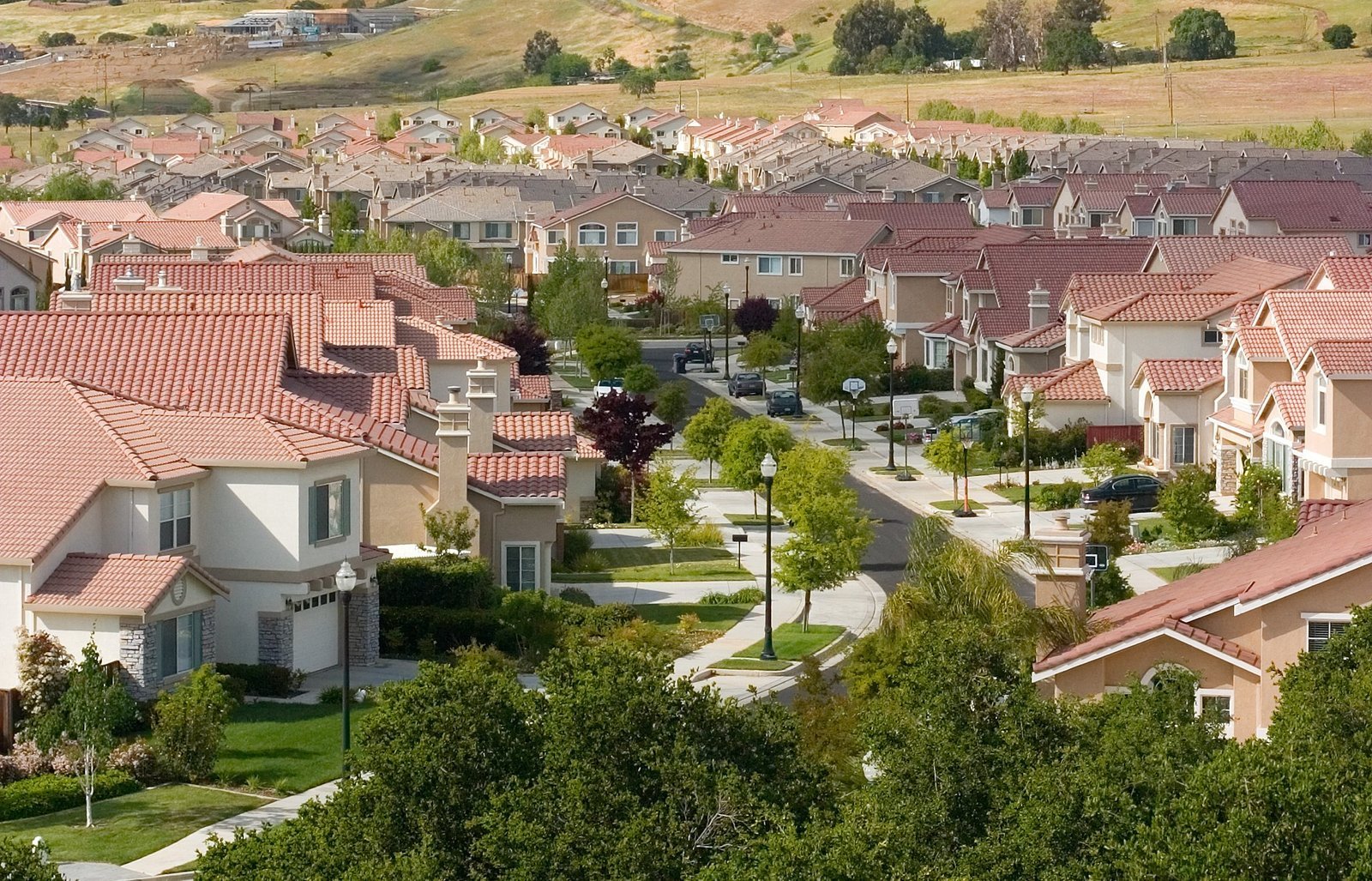
San Jose, California has overtaken New York City for the highest salary needed to live comfortably among major U.S. cities. This is a city synonymous with wealth and Silicon Valley success, yet even tech workers earning six figures routinely feel financially strained. Honestly, it sounds absurd, but the numbers don’t lie.
In the San Jose metro area, a single adult needs to earn $163,045 per year to live comfortably. For a two-parent household with three children, that figure climbs to $478,630, over $200,000 more than the national average for the same family type. Your $150,000 salary doesn’t even cover the comfort threshold for one person in San Jose.
San Jose commands the highest income requirement to afford a median home at $454,296 per year, according to Zillow data. The median home price in San Jose is $1.2 million. Think about that for a second. A seven-figure price tag for what many would consider a modest, ordinary home in a decent neighborhood.
3. San Francisco, California – The City That Turned “Rich” Into “Barely Surviving”
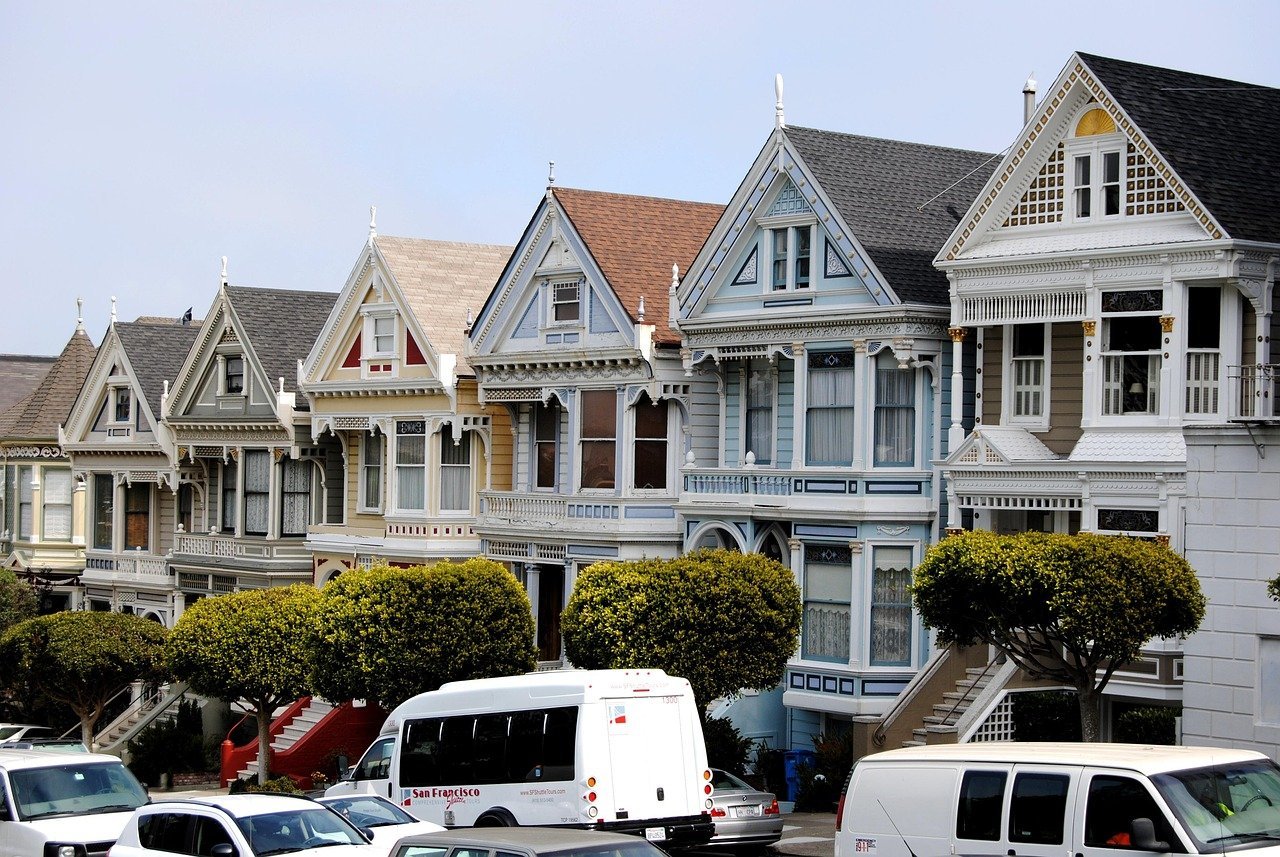
San Francisco has become a global symbol of the broken relationship between income and affordability. The San Francisco area requires an income of $148,441 for a single adult to stay within a standard 50/30/20 budget. So if you earn $150,000, you are technically just barely above the comfort line as a single person, with almost nothing to spare.
Housing in San Francisco is 29% more expensive than the California state average, and the median home price sits at $1.2 million. California already has the nation’s third-highest cost of living index at 142.2. Everything costs more, and San Francisco costs more than nearly everything else in California.
In 2024 and 2025, the average rent for a one-bedroom home in San Francisco sits at $3,195 per month. That is more than $38,000 a year on rent alone, before you pay a single utility bill or buy a single bag of groceries. San Jose, San Francisco, and San Diego are the most expensive cities for living comfortably, and each requires a salary of over $200,000 annually for a household, according to GOBankingRates.
4. Honolulu, Hawaii – Paradise Has a Very Steep Price Tag

There is no denying that Honolulu is one of the most beautiful places on Earth. The beaches, the weather, the culture, all of it is real. But so is the financial reality of actually living there. Hawaii had the highest cost of living in the entire United States as of the third quarter of 2024, according to data from the Council for Community and Economic Research.
Honolulu is the second-most expensive city in the U.S., and among the over 400 global cities analyzed by Numbeo in 2025, Honolulu’s groceries ranked as the most expensive in the world, mainly due to shipping costs and limited locally sourced food options. Everything has to be shipped in from the mainland, which means everyday items carry a premium that simply does not exist elsewhere.
The median house price in Honolulu at the end of 2025 was $610,000. Hawaii’s income tax system has 12 brackets, with the highest rate reaching 11%. A $150,000 earner in Honolulu faces one of the most aggressive state income tax rates in America, combined with the nation’s most expensive grocery bills. It is a tough combination to stomach.
5. Boston, Massachusetts – Old Money City, New-Level Expenses

Boston has always carried a reputation for being expensive, but the data from 2025 and 2026 reveals just how extreme things have become. According to Visual Capitalist data, Boston homebuyers need an annual income of $190,858 as of Q4 2025, nearly double the national requirement of $106,731. Nearly double. Let that sink in for a moment.
Two working adults in Boston need to make a particularly high combined income of $319,738 to live comfortably. So a household where each partner earns $150,000 is still just barely scraping the comfort line for a family. On the East Coast, Boston and New York are not far behind California’s most expensive cities when it comes to required income levels.
Massachusetts is not particularly tax-friendly, and it is rated one of the ten least tax-friendly states for middle-class families. If you earn $150,000 in Boston, you can typically afford homes around $550,000 to $600,000, which in this market means accepting significant geographic compromise or a very modest property. For a city with this level of prestige, that reality is genuinely sobering.
6. Los Angeles, California – Sun, Glamour, and Financial Anxiety
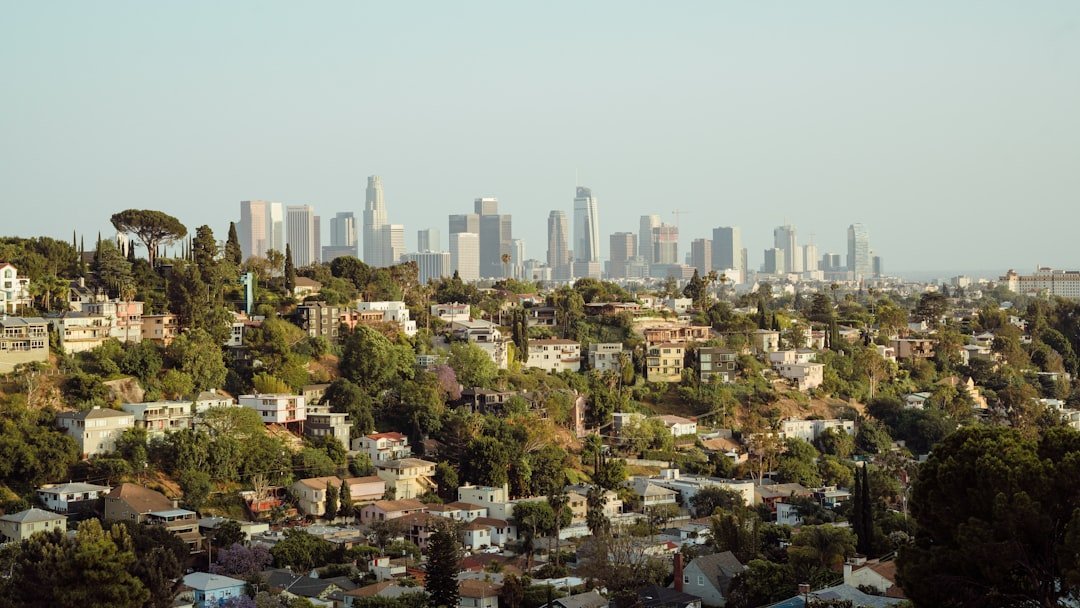
Los Angeles sells a lifestyle. Sunshine, beaches, entertainment, global culture. But for most people actually living there on a $150,000 salary, the lifestyle involves more stress than glamour. Los Angeles is among the most expensive cities in the nation, and housing costs are 18% higher in Los Angeles than the California state average, which is itself already costly.
Housing in California is twice the national average, with a typical single-family home priced at roughly $684,000. In Los Angeles specifically, prices in desirable neighborhoods push far above that. The most expensive neighborhood in Los Angeles in 2025 was the Hill Section of Manhattan Beach, with a median sale price of $9.4 million. Obviously most people aren’t shopping there, but it illustrates how distorted the market has become.
A carton of large eggs cost an average of $4.50 in Los Angeles in January 2025. That might sound trivial until you realize every single category of everyday spending is inflated at that same rate. Transportation, healthcare, childcare, and utilities all carry the California premium. California’s transportation costs are the second-highest in the country, due in part to persistently high gas prices.
7. Seattle, Washington – No State Income Tax Doesn’t Save You Here
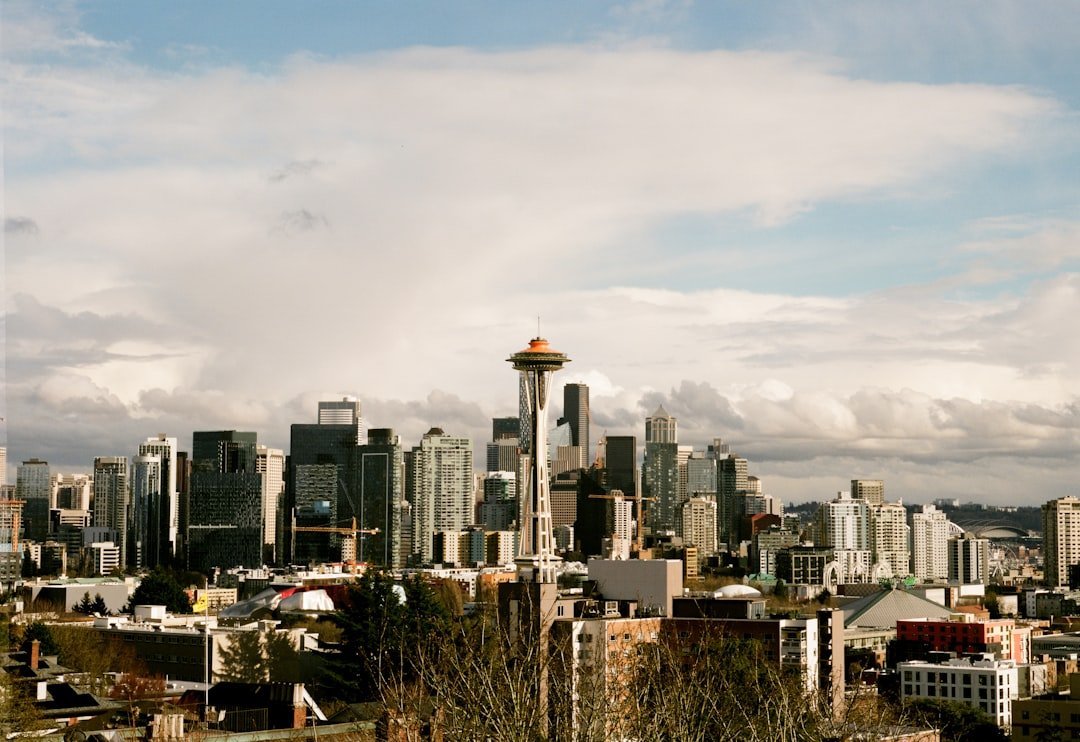
People often point to Washington State’s lack of income tax as a financial advantage. Here’s the thing: in Seattle, that benefit gets quickly erased by the sheer cost of everything else. Beyond the most expensive coastal markets, many large cities now require incomes between $130,000 and $190,000 to afford a home, and Seattle falls squarely within that range.
Seattle’s effective property tax rate, at 0.79%, is higher than other expensive metros including Miami at 0.77%, San Francisco at 0.72%, and Honolulu at 0.34%. Property taxes in Seattle accumulate fast on homes that are already priced at a premium. According to the U.S. Chamber of Commerce, the U.S. housing market is strained due to a shortage of 4.7 million homes, and Seattle is one of the cities where that shortage hits the hardest.
Seattle’s tech industry has attracted massive talent but also driven up every cost category dramatically. Seattle’s minimum wage is the second-highest at $19.97, yet this still may not be high enough for the notably pricy housing in the city. If the minimum wage can’t keep up with Seattle housing, you can imagine what a $150,000 salary feels like when the city demands the financial firepower of a tech executive.
8. Washington, D.C. – Government Town With Private-Sector Prices
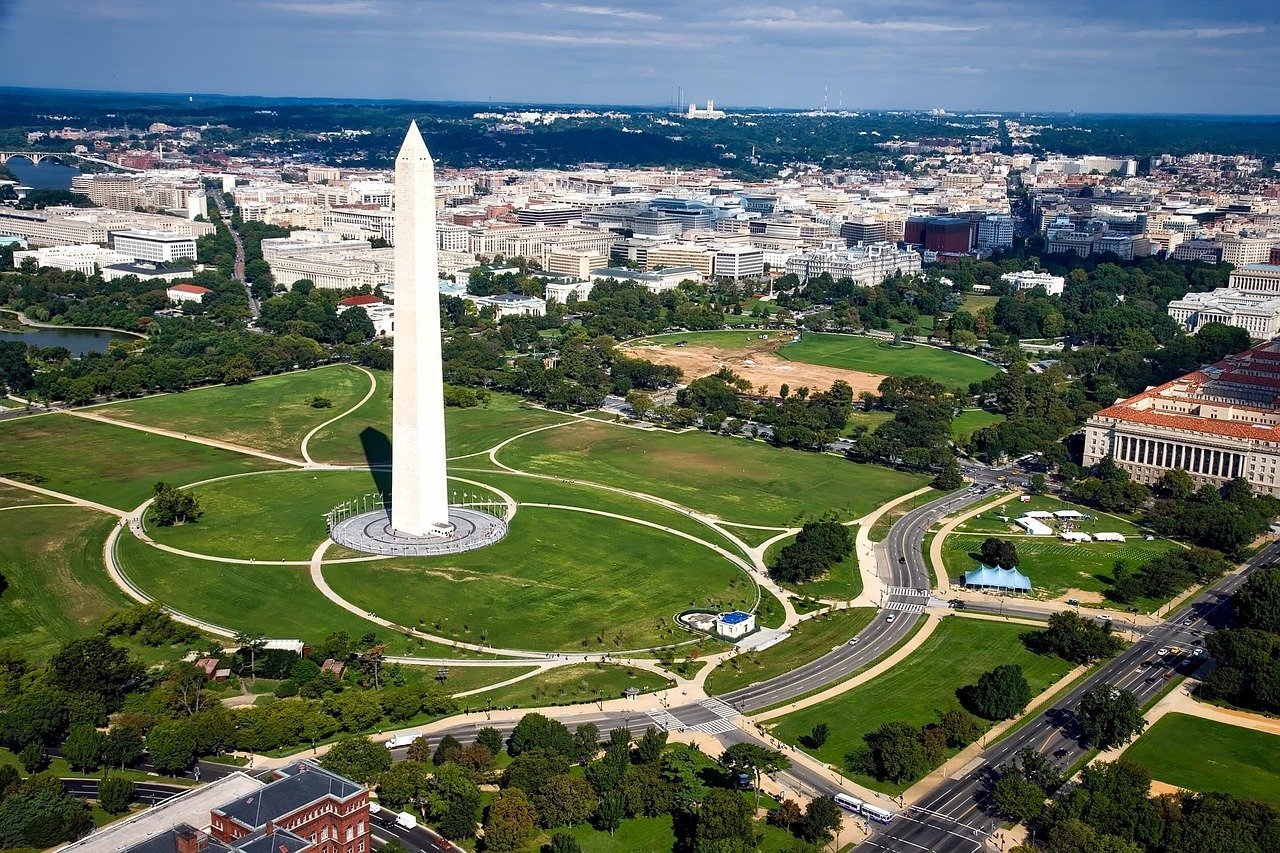
Washington, D.C. carries all the costs of a major global capital, complete with one of the most expensive housing markets in the country. Housing is a major contributor to high costs in the nation’s capital, and the median home price in D.C. sits at $595,000, well over the national median of $424,200.
Two working adults in the Arlington, Virginia area just outside D.C. need a combined income of $318,573 to live comfortably. The D.C. metro area functions as one unified expensive ecosystem. Whether you live in the District itself or just across the river in Virginia or Maryland, the cost of life here is relentless.
Nationally, households must earn $106,731 annually to afford a median-priced home at today’s mortgage rates, well above the U.S. median household income of $83,730. In D.C., even that figure is optimistic. For a $150,000 earner here, federal taxes take a significant chunk, and the D.C. area’s costs ensure there is precious little left for actual wealth-building or a comfortable cushion.
9. San Diego, California – Beach Views, Budget Nightmares

San Diego is the kind of city people dream about moving to. Mild weather year-round, beaches everywhere, a relaxed pace. Yet the financial reality for a $150,000 earner here is far from relaxed. The San Diego area requires an income of $146,080 for a single adult to live within a standard budget framework. That is almost exactly $150,000, leaving nothing for any real savings or financial breathing room.
San Diego, with its miles of beaches and nearly ideal climate, has one of the most expensive housing markets in the entire U.S. Rent increases for two-bedroom apartments in San Diego ranked among the highest in the country. The region’s desirability has relentlessly pushed up every cost category.
San Diego’s housing listings rose 32.4% in recent months, suggesting more supply is coming. However, affordability challenges remain acute in this market, as higher mortgage rates and elevated home prices continue to limit buyer activity. More listings don’t automatically mean affordable listings. In San Diego, they rarely do.
10. Miami, Florida – Sun Belt Shock: Affordable No More
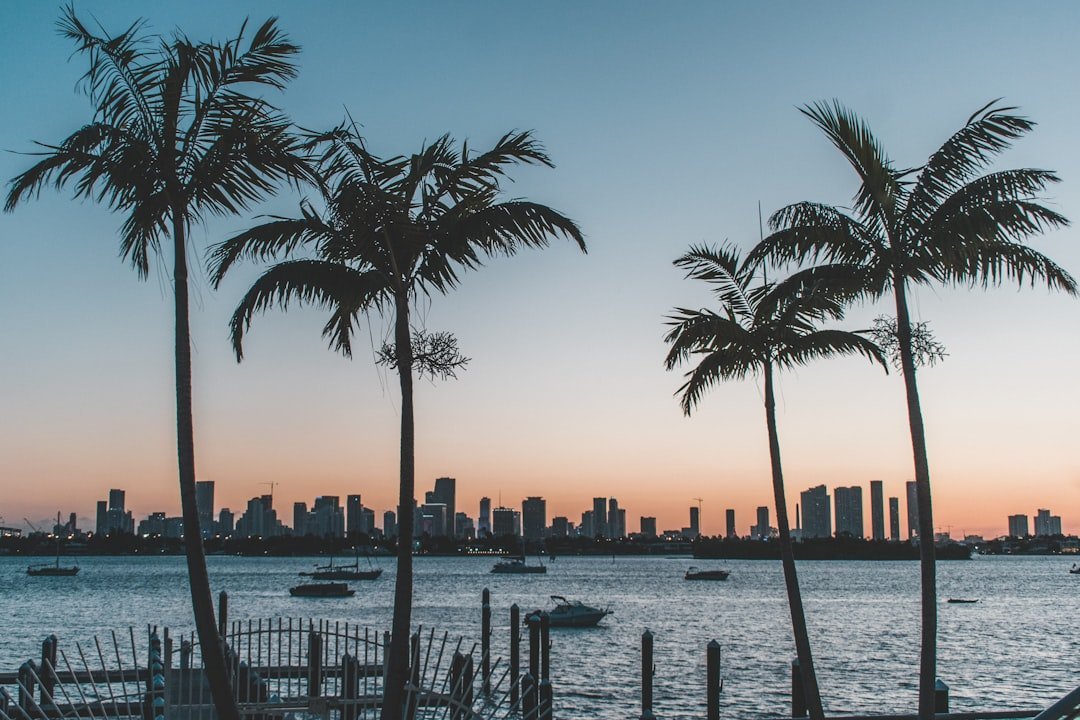
Miami used to be the answer for people escaping New York or California costs. It no longer is. The city has undergone a cost-of-living transformation that has shocked even longtime residents. Miami is the most expensive major city in the Southeast, and the cost of buying or renting a home there is 55% above the Florida average, with a median home listing price of $625,000.
Florida’s overall cost of living is about 2% lower than the national average, but cosmopolitan Miami puts residents well above it by double digits. Income required to afford a typical home in Miami sits at $151,163, essentially meaning a $150,000 salary is still just slightly short of what you need just to buy a median-priced home, before any other living expenses are factored in.
Miami posted some of the highest two-bedroom apartment rent increases in the country, rivaling even New York in that category. The influx of high earners from the Northeast and California during and after the pandemic permanently shifted Miami’s pricing structure upward. While median incomes have shown some growth nationally, the number of Americans struggling to make it to the end of the month is also rising, with roughly 29% of lower-income households living paycheck to paycheck in 2025. Miami’s transformation into a luxury-tier market has made that struggle even harder for residents at every income level.
The Bigger Picture: Why This Is Happening Across All These Cities
It is worth stepping back and asking why so many cities have crossed this threshold simultaneously. The answer lies in a structural problem, not a temporary one. According to the U.S. Chamber of Commerce, the U.S. housing market is strained due to a shortage of 4.7 million homes. A decade of underbuilding after the 2008 financial crisis combined with surging millennial demand has created a gap that normal market forces are struggling to close.
While overall inflation has eased since its 2022 peak, housing inflation has remained elevated at around 4% through mid-2025. Housing payments accounted for roughly 21% of the median household income across the United States in 2024, but in 47 of the 50 largest cities, housing is more expensive for locals, and in many cases exceeds the 28% guideline that financial advisors typically recommend as a maximum. That is a majority of America’s biggest cities in housing cost crisis territory.
Overall, just 12 cities had median-priced homes within reach for households earning at or below the 2024 U.S. median income of $83,730. The median age of U.S. homebuyers has climbed to 59, and the share of first-time buyers has fallen by roughly half since 2007. These are not temporary blips. They are generational shifts in who gets to build wealth through homeownership and who simply cannot. A $150,000 salary sounds like success, but in too many American cities right now, it is the new starting line for financial stress.
What does it tell us about the American Dream when earning $150,000 a year still leaves you counting every dollar? Drop your thoughts in the comments. Have you felt this squeeze personally, or does your city still make a high salary feel like it truly goes far?