
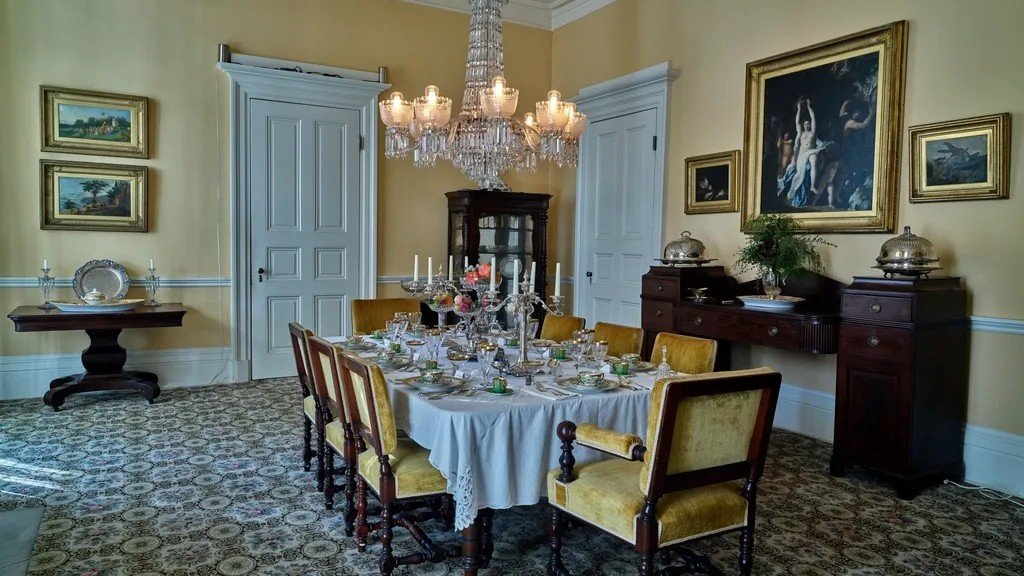
There is something quietly magnetic about walking into a room that feels like it has always existed. No assembly instructions, no trend forecast, no matching furniture sets bought in one afternoon. Just space, history, and a sense that everything in it was chosen with intention, maybe even inherited. That is precisely the spell the old money aesthetic casts, and millions of people are now chasing it.
The hashtag #oldmoneyaesthetic has accumulated over 5.4 billion views on TikTok alone. According to Google Trends, the search term “quiet luxury” is trending up by over a thousand percent in recent years. This is not a micro-trend. It is a cultural shift. So what are the specific decor choices that actually signal generational wealth? Let’s find out.
1. Antique and Heirloom Furniture That Tells a Story
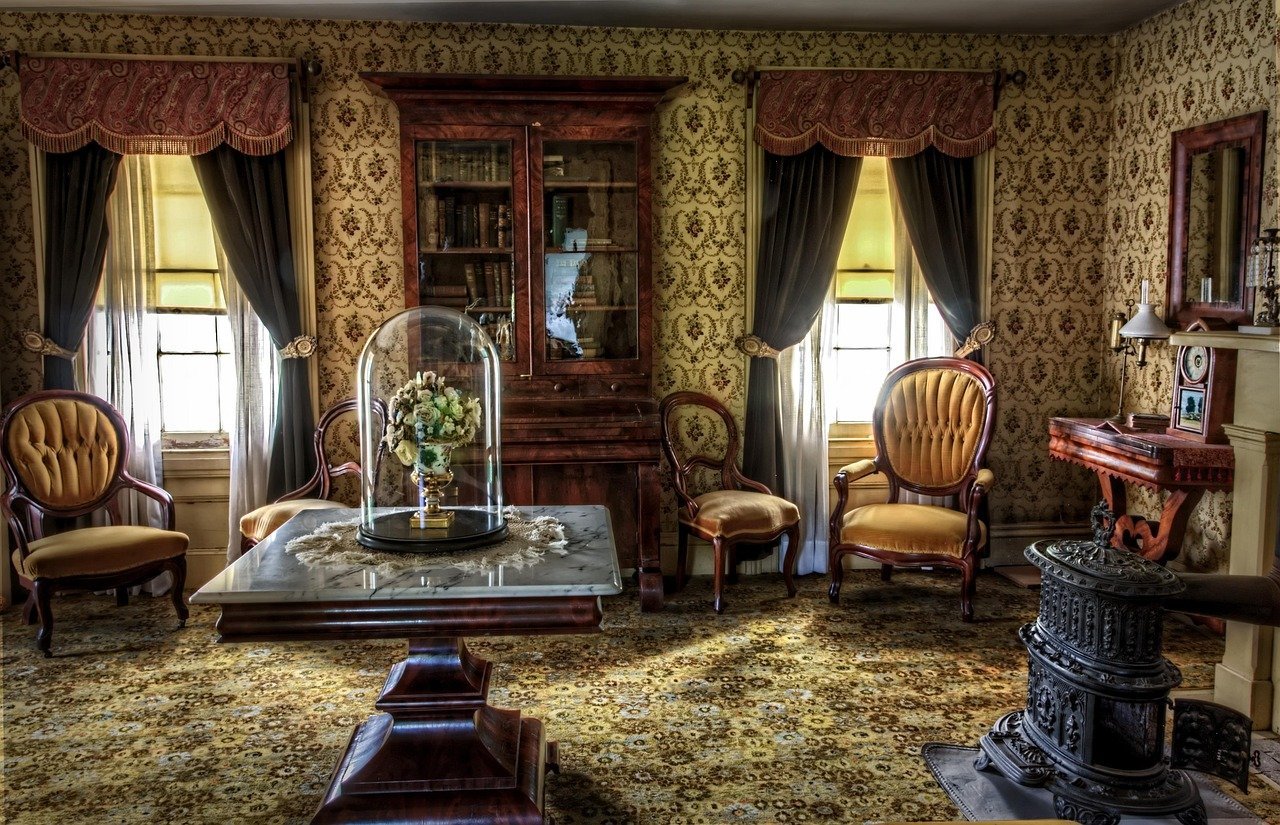
The most powerful signal of old money is furniture that looks like it was not bought, but inherited. Antique furniture pieces and family heirlooms are central to achieving this sophisticated look. Think a worn leather wingback chair, a mahogany sideboard with brass pulls, or a grandfather clock standing quietly in the hallway. These pieces are not decoration. They are biography.
Old money homes are not decorated overnight. They are built, piece by meaningful piece. That accumulated quality is impossible to fake in a single shopping trip. Mixing styles gives a home a sophisticated and well-traveled look, and the collected or gathered style really portrays an upscale ambience because each piece tells a story, adds character and dimension.
Interestingly, the second-hand furniture market is booming right alongside this trend. The second-hand furniture market in 2025 is estimated at nearly 40 billion dollars globally, with the market expected to grow at a rate of nearly eight percent annually through 2037. Authenticity is now a commercial force. For roughly four out of five antique buyers, authenticity certificates are a deciding factor in purchases.
2. Rich Dark Wood Throughout the Home
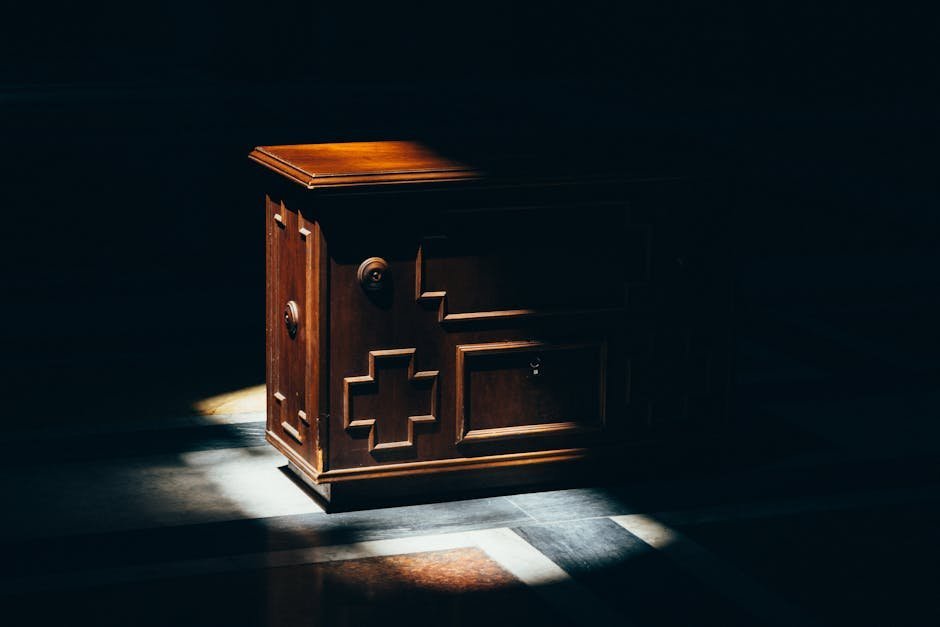
Old money homes have always spoken the language of dark, heavy wood. Dark wood, whether mahogany, walnut, or oak, is a staple of the old money aesthetic. It is warm without trying to be cozy. Imposing without being loud. Honestly, there is something about a solid walnut dining table that communicates permanence in a way no Scandinavian flat-pack ever could.
Wood dominated the luxury furniture market with the largest revenue share of nearly a quarter in 2024. It is a timeless and versatile material, highly valued for its aesthetic appeal and durability, offering a sense of warmth and natural beauty often sought in luxury furniture. The market agrees with what old money families have known for centuries.
There is an increased demand for high-quality, sustainably sourced natural material tables like marble, walnut, and oak. Wooden furniture held nearly forty percent of the total furniture market share in 2024, specifically because of its timeless aesthetic and durability. That number alone tells you something important: durability and timelessness are winning the market.
3. A Carefully Curated, Understated Color Palette
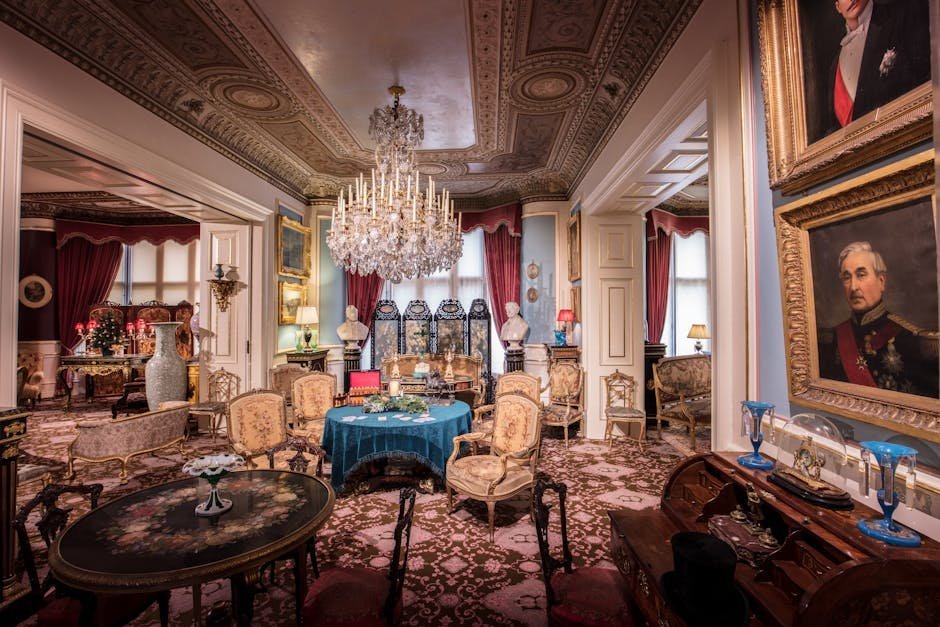
New money shouts with color. Old money whispers with restraint. The signature color palette consists of warm neutrals and deep jewel tones, often complemented by traditional patterns including stripes, plaids, and subtle florals. Picture a drawing room in forest green, or a bedroom draped in the deepest navy. Nothing trending, nothing seasonal. Just settled, confident color choices.
Opting for rich neutrals like cream, taupe, deep navy, forest green, and warm grays creates a sense of quiet luxury and allows antique or high-quality pieces to shine. That last detail matters. The palette does not compete with the furniture. It frames it. Think of the color as the understated suit that makes the expensive watch look even better.
One of the key features of the old money interior aesthetic is the neutral color scheme. You should avoid super trendy or stark neutrals for this style. Bright white or trending black on your walls won’t give off the same sophisticated vibes. It is a subtle but crucial distinction. Even the paint has to earn its place.
4. Architectural Details Like Crown Molding and Wainscoting
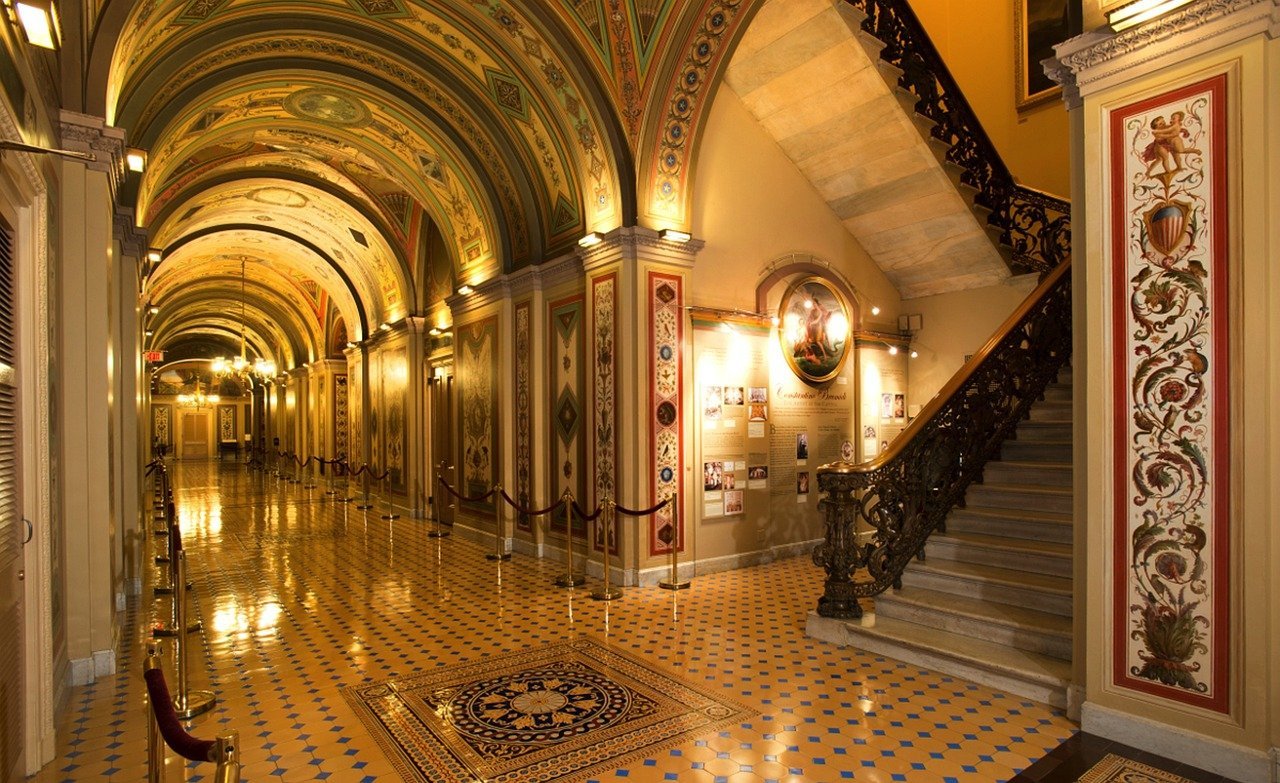
Here’s the thing about crown molding: it does not cost nearly as much as it signals. Even if your home is new and modern, you can still bring the old aesthetic by introducing architectural details. Consider crown molding, wainscoting, picture frame molding, or ceiling medallions to give your space a classic feel. These details create a refined, high-end look reminiscent of old European estates or classic townhouses.
This design philosophy celebrates classic architectural elements like crown molding and herringbone wooden floors, while incorporating quality materials such as hardwood, marble, and brass. These are the bones of a room. Get them right and everything else becomes easier. Wood paneling on walls adds particular weight to a space and is deeply associated with the look.
Wood paneling creates a timeless and luxurious look. It is also a fantastic way to add decor or fill up empty wall space instead of just leaving the walls plain. Crown molding, doorway arches, throw pillows, and bathroom tile are just a few examples of small details that make a big impact on your old money aesthetic. The details are the story here, not the headline.
5. Luxurious, Natural Textiles in Every Room
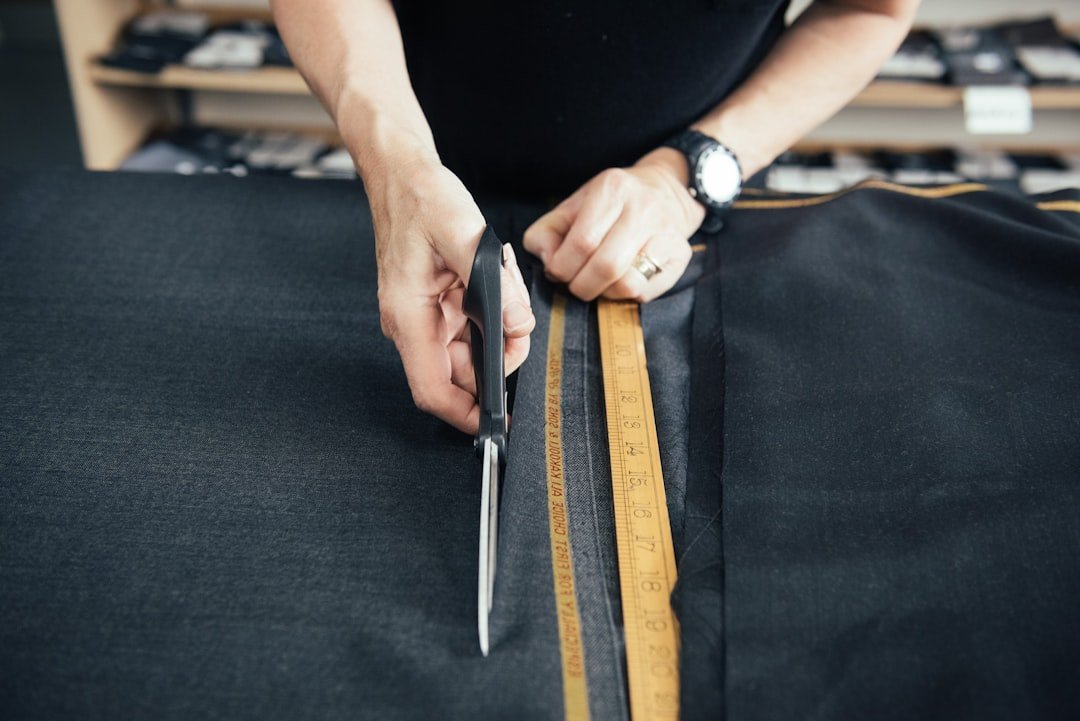
Old money households never touched synthetic fabric. I mean that almost literally. Compromising on textile quality is a big no in old money aesthetics. Ditch synthetic materials in favor of high-quality linen, velvet, cashmere, wool, and silk. These materials do not just look good. They feel different when you touch them. There is an unspoken intelligence embedded in the choice.
Investing in quality natural fabrics like cotton, linen, silk, and wool is essential. Look for traditional and timeless patterns and mix-and-match prints and colors to achieve the old money collected vibe. Pattern here is just as important as material. Houndstooth throws, plaid cushions, damask drapes. Nothing that screams for attention.
When choosing bedsheets for a bedroom that channels this aesthetic, consider fabrics like silk, satin, and velvet as they look and feel more luxurious. Textiles are also one of the most accessible entry points into this look. You do not need to gut a room. A linen curtain or a cashmere throw can shift the entire atmosphere of a space, sometimes overnight.
6. Statement Chandeliers and Classic Lighting Fixtures
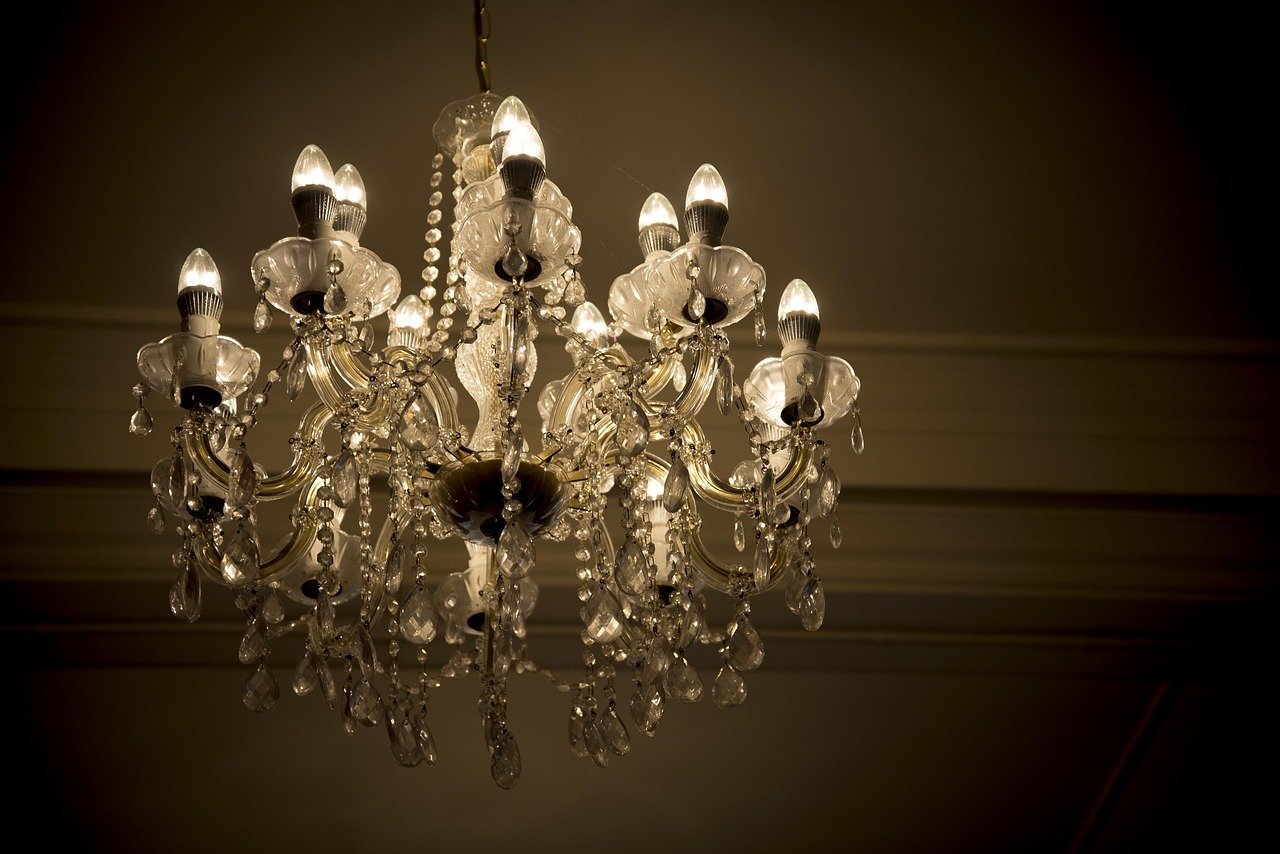
Lighting might be the most overlooked element in home design, but old money spaces always get it right. If you don’t want to overhaul your entire home or start remodeling on a major scale, you might consider adding statement lighting to your home. A vintage chandelier, traditional sconces, and statement lamps stand out among neutral and understated decor for an upscale style that works year after year.
When trying to achieve the old money aesthetic in your home, a gorgeous chandelier can go a long way. Crystal chandeliers in particular carry centuries of aristocratic association. They scatter light in a way that no recessed LED panel ever will. There is genuinely something theatrical and warm about a room lit by a chandelier, something that makes even a simple dinner feel like an event.
In 2024, the chair segment dominated the luxury furniture market generating revenue of several billion dollars, while the lighting segment is expected to grow at one of the fastest rates through 2034. Art Deco and Art Nouveau motifs, including geometric shapes and nature-inspired curves, are trending in lighting and decor. Investing in a statement light fixture is, quite literally, following both historical tradition and contemporary market momentum.
7. Curated Art Collections and Gallery Walls

Old money homes are not decorated with generic prints from chain stores. The walls do real work. Traditional artwork, including oil paintings in ornate frames, classical landscapes, and portraits, naturally suits this aesthetic. Gallery walls in old money homes often develop organically over time, combining family portraits, collected artwork, vintage prints, and meaningful photographs in an eclectic yet cohesive arrangement.
Avoid the matchy-matchy approach of identical frames in perfect symmetry. Instead, aim for a collected look that suggests pieces have been acquired and cherished over years. Display collections that reflect genuine interests like vintage books, antique silver, and porcelain, rather than generic decorator items. Think of a gallery wall as a timeline of taste, not an Instagram grid.
Incorporating fine art, sculptures, and antique pieces into home decor contributes significantly to overall market value. The art does not have to be expensive. It has to be meaningful. A framed botanical sketch from an estate sale carries far more visual credibility than a mass-produced canvas print. The story behind the piece is part of the decor.
8. A Dedicated Library or Reading Nook

Nothing signals generations of intellectual wealth quite like floor-to-ceiling bookshelves. Not a decorative shelf with two candles and one succulent, but a real, working library. First editions, whether classic literature, historical texts, or rare finds, turn a bookshelf into a curated intellectual statement. Look for leather-bound books, brass bookends, and antique globes. Make sure the lighting complements the dark and rich vibes of the library decor.
The style emphasizes comfortable luxury rather than ostentation, featuring deep-seated sofas, well-worn leather armchairs, and curated yet effortlessly arranged reading nooks. A reading nook with a tufted chair and a floor lamp is perhaps the single most powerful condensed signal of old money sensibility. It implies not just wealth but leisure. Time to read. That is its own kind of status.
It’s hard to say for sure, but the library corner may be the decor element that holds the longest cultural staying power. Interior designers note that the trend is about layering on with quality, including more records, books, and art, all of these things involved in a lifestyle full of activity. At the same time, there is a return to analog in a world of everything digital. The bookshelf, then, is both decor and philosophy.
9. Fine China, Silver, and Crystal on Display

Generational wealth is not just about what hangs on the wall. It is about what sits on the shelves and graces the table. Another key hallmark of old money interiors is the use of silver, crystal, and fine porcelain. These materials reflect light beautifully and add a refined feel to any space. A cabinet full of crystal decanters or a china service set on display tells guests everything without saying a word.
A true old money home values the art of dining. Even if you don’t host lavish dinner parties, adding fine dining elements to your everyday routine makes a big difference. Investing in real china, such as classic white with gold trim or blue-and-white patterns, and using linen napkins instead of disposable ones, elevates even an ordinary meal.
Whether you have an old grandfather clock to display in your living room, or you scored a set of crystal decanters for serving tasty cocktails, adding an antique or collector’s item to your space is the perfect way to tap into an old money style with ease. You do not need a full twelve-place setting from Limoges to get this right. Even a single crystal decanter on a drinks trolley signals something meaningful about priorities.
10. Restraint: The Art of Not Over-Decorating

This last point is the hardest to execute and the most important to understand. Old money decor is defined as much by what is absent as by what is present. While new money styles often chase trends, old money decor speaks in a softer, more confident tone. It’s about restraint, not flash. Spaces are defined by woods, curated antiques, layered textures, and an emphasis on quality over quantity.
Old money style interiors represent more than just a decorating trend. They embody a philosophy of thoughtful living where quality trumps quantity every single time. This approach to home design draws inspiration from the grand estates and townhouses of established families, where every piece tells a story and nothing is chosen simply to impress.
This aesthetic develops over time through thoughtful choices rather than quick makeovers. Start with your foundation, including paint, flooring, and architectural details, then gradually add quality furniture and decorative pieces that truly resonate with you. Don’t rush the process; the most authentic spaces feel collected over years rather than decorated in a weekend. That slow, deliberate approach is the most honest signal of all. Generational wealth was never built in a day, and neither is the room that reflects it.
Conclusion
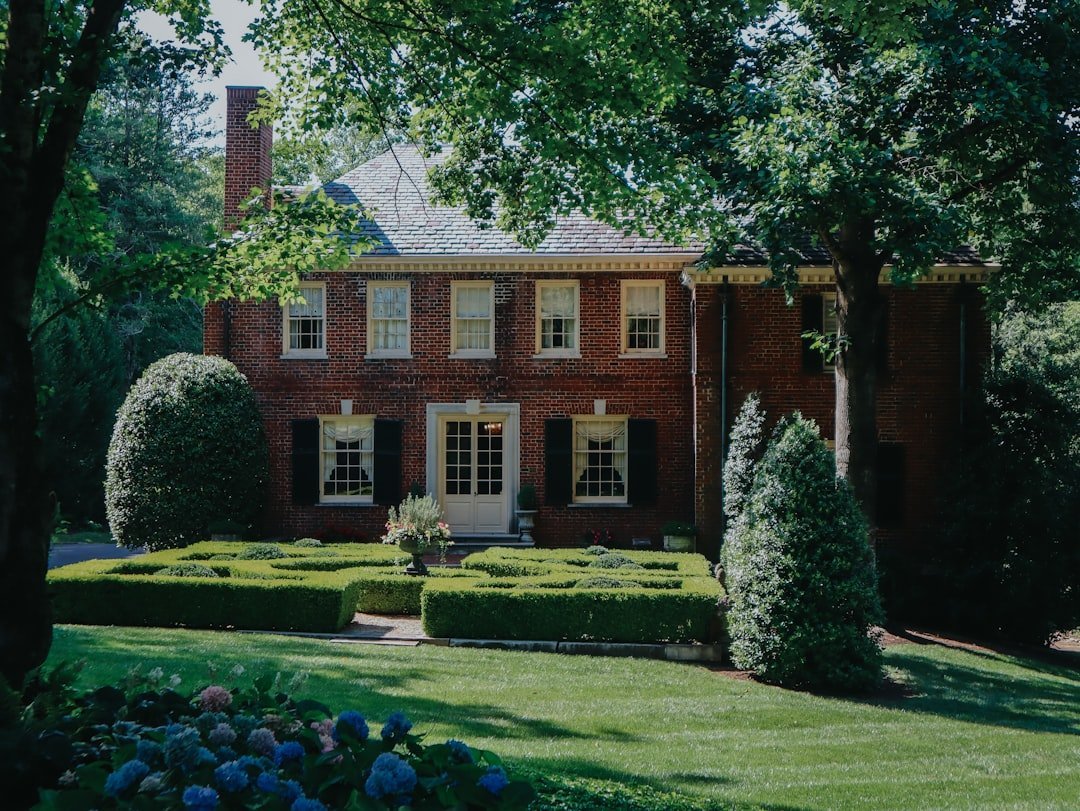
The old money aesthetic is, at its core, a rebellion against disposability. Unlike other design movements, quiet luxury is rooted in understated colors and high-end craftsmanship rather than the bold color palettes and flashy logos of previous trends. In a world where nearly three-quarters of Americans experience buyer’s remorse after impulse purchases, choosing pieces with permanence is not just an aesthetic decision. It is a financial one.
The aesthetic reflects deeper cultural desires for stability, nostalgia, and elegance in an era defined by economic uncertainty and online chaos. That is perhaps why it resonates so broadly across generations right now. People are tired of buying things that expire.
The most compelling rooms are not the most expensive ones. They are the ones that feel like they belong to someone specific, someone who has lived, collected, and chosen with patience. That, ultimately, is what generational wealth actually looks like in a home. Not the price tag. The story. What would your rooms say about you if everything was exactly as you intended?