
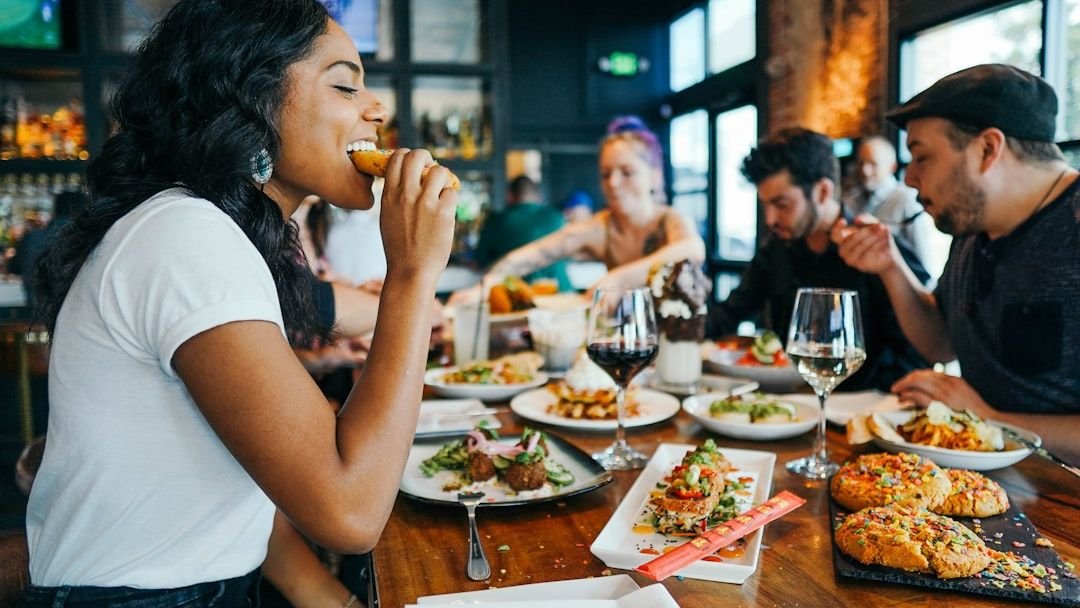
You probably think of a restaurant visit as just dinner. A few choices, a bill, maybe some small talk over bread. But here’s the thing – every single decision you make from the moment you open that menu is quietly broadcasting your financial psychology to anyone paying attention. Your relationship with money does not stay in your wallet. It walks right in with you and sits down at the table.
Behavioral researchers, seasoned servers, and consumer psychologists have spent decades studying what happens when people order food. The patterns they have found are surprisingly consistent, and honestly, a little uncomfortable to read. What you order, how fast you decide, whether you agonize over extras – it all tells a story. Let’s dive in.
1. Where Your Eyes Go First on the Menu
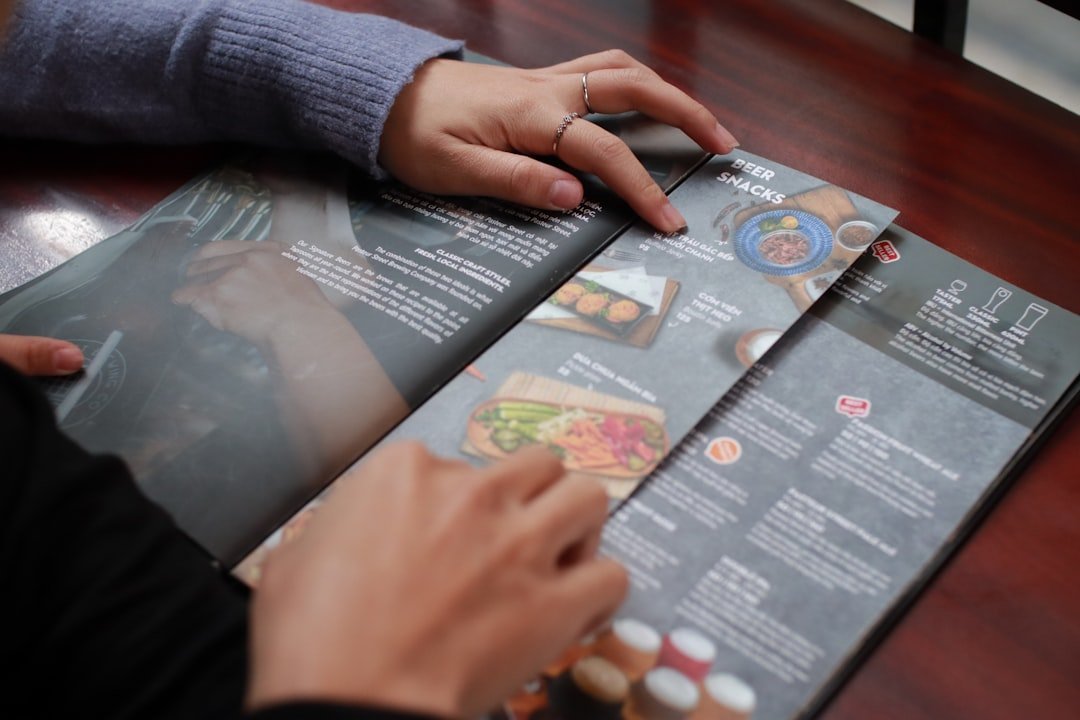
Ever notice where someone’s eyes go when they first open a menu? Guests from more modest financial backgrounds often glance at prices before dishes. It is an almost involuntary move, like checking a gas station price before you pull in. The habit is deeply rooted in years of making sure the math works out before getting emotionally invested in what sounds good.
Those same subconscious instincts come into play when we browse menus. Where our eyes land first, how we interpret prices, and what descriptions stick in our minds – all of it is shaped by subtle design choices and cues we may not even notice. People who grew up with financial comfort tend to read menus differently, letting the descriptions pull them in before the numbers register. It is a small, barely visible distinction – but seasoned waitstaff notice it every single time.
2. Whether You Ask About Portion Sizes

Questions about portion sizes reveal a particular relationship with restaurant dining. Those who grew up with limited means often learned to maximize value, turning appetizers into entrees or sharing plates to make dining out affordable. Servers recognize this pattern immediately; it is about making sure you are getting enough food for your money. There is nothing shameful about it. It is actually a form of financial intelligence that many people who grew up comfortable never develop.
People from affluent backgrounds rarely ask these questions because they have never had to worry about leaving a restaurant hungry due to budget constraints. Think of it like someone who grew up with a full pantry versus someone who had to stretch a grocery run to last two weeks. Those early experiences shape behavior in ways that linger long after the circumstances change. The instinct to make sure you are getting your money’s worth? It does not just disappear when your bank balance grows.
3. Your Beverage Order – or Lack Thereof
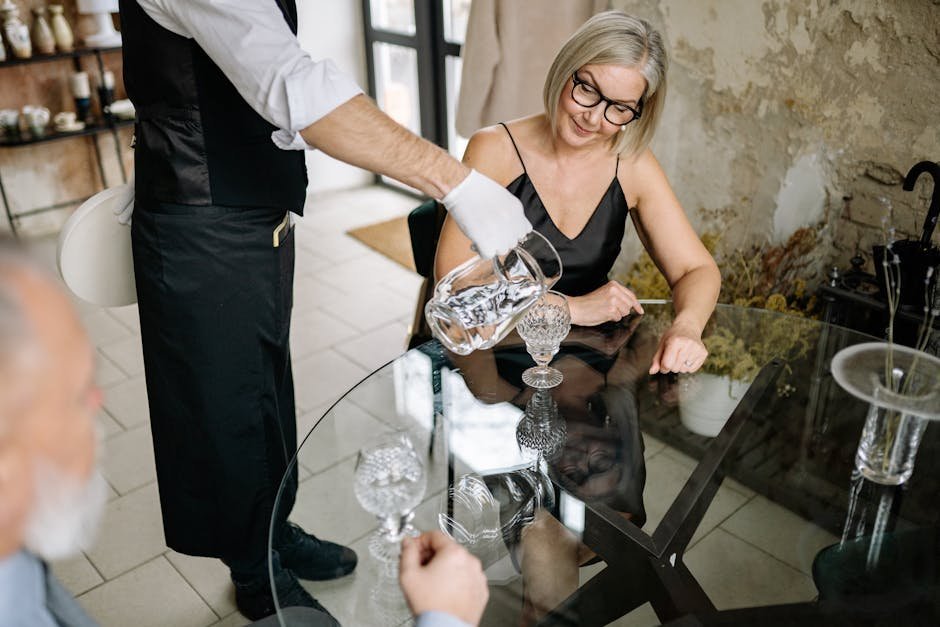
Starting with water as the default often signals someone who has learned to stretch a dollar. Servers note that guests from working-class backgrounds frequently start with water, then might upgrade to other beverages after seeing the prices or feeling out the situation. Drinks are notoriously the most marked-up items on any menu. Ordering a sparkling water at eight dollars when the tap option is free is not a neutral choice – it is a flex, and most financially cautious diners know it.
Here is a fun analogy: asking for water first at a restaurant is the dining equivalent of checking your account balance before agreeing to go on a trip. It is practical, it is smart, and it reveals that you treat every line item as real money. People who order cocktails without checking the price first operate with a fundamentally different financial mindset – one that prioritizes experience over cost management. Neither is wrong, but they are very different.
4. How You React to Menu Prices Without Dollar Signs
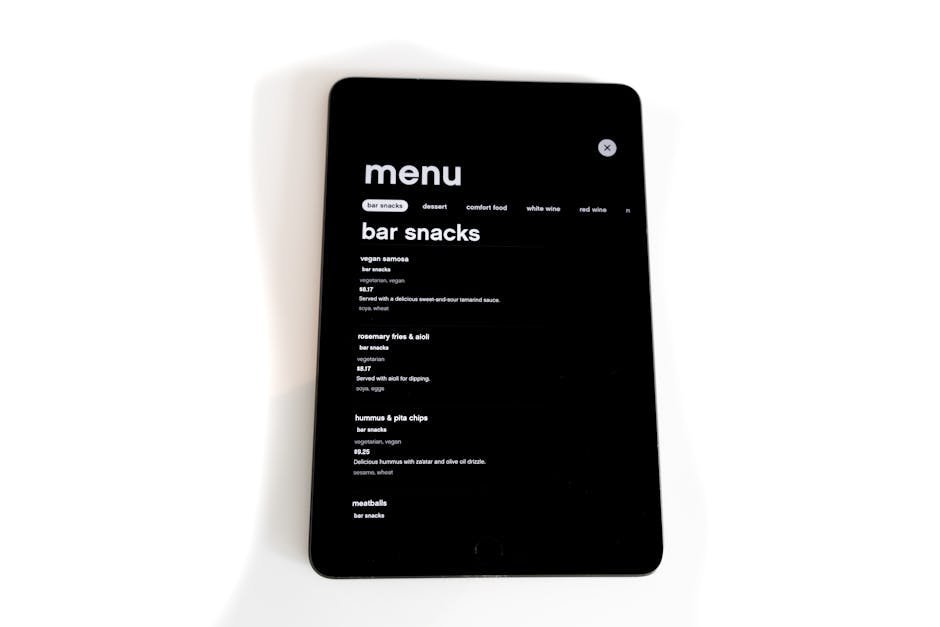
Dollar signs on prices subconsciously remind the guest they are spending money. Instead of listing an item for “$12.00,” many successful restaurants leave it at “12,” which puts the focus back on the food rather than the price. This is a deliberate psychological trick used throughout the restaurant industry. People who are less attuned to money tend to be more influenced by this design choice – they simply stop feeling the spend.
Psychological pricing is a strategy that influences consumer behavior by shifting consumers’ perceptions of the value of a product or service. Because a restaurant’s menu and pricing structure can greatly affect patron purchasing decisions, using psychological pricing techniques can give a restaurant a competitive edge and increase profits. If you notice the absence of dollar signs and still mentally convert the numbers into a running total, that right there reveals a trained financial brain. If the stripped-down number makes you spend more freely without noticing – well, the restaurant’s menu designer has done their job on you.
5. How Long You Take to Decide
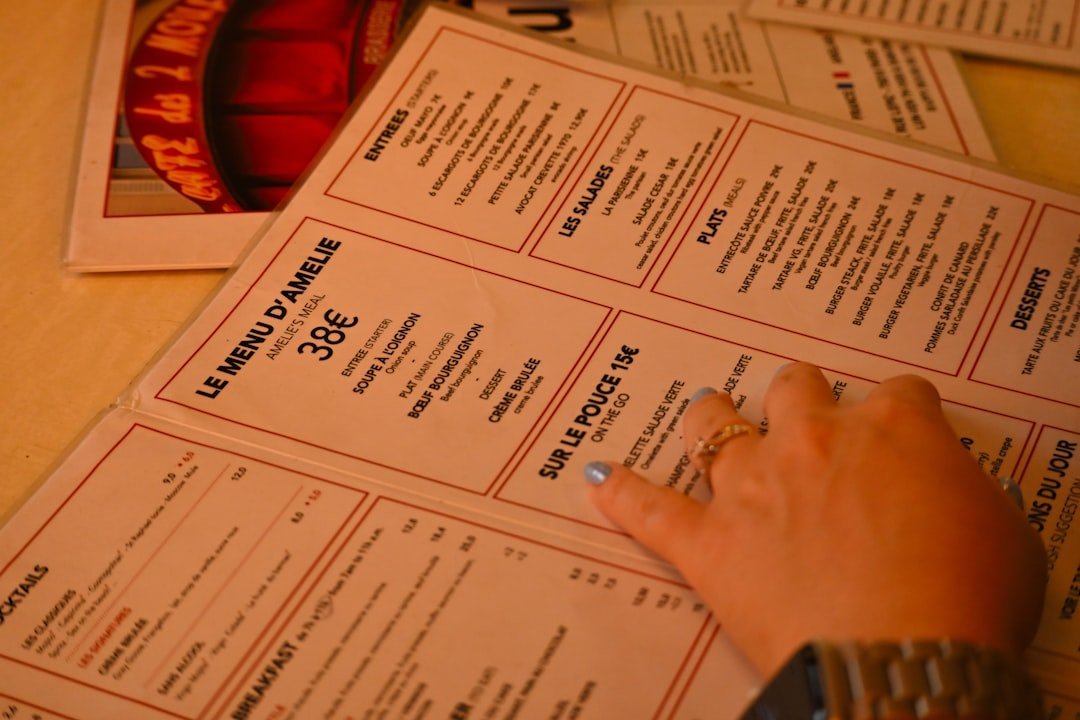
Studies show that customers are likely to order one of the first items that draw their attention. Since guests only spend an average of 109 seconds looking at a menu, it must be designed for guests to easily find key items. But not everyone operates that way. People who are anxious about money tend to agonize over menus far longer than those who are not – running mental calculations, weighing value against desire, reconsidering options after almost committing.
Decisive ordering is often a quiet sign of financial ease. It does not mean recklessness; it means the cost has already been mentally cleared before arriving. On the flip side, someone who re-reads the menu three times after the server returns is probably doing live budget math in their head. Honestly, I have been that person at countless brunches – and it is exhausting. Datassential research shows that one in five consumers expect that their financial situation will worsen in the future, and nearly half are cutting back on eating out because of budgetary concerns. That underlying anxiety shows up in real time, right there at the table.
6. Whether You Order Appetizers and Dessert

Appetizers and desserts are the extras – the add-ons that can double a bill without doubling your hunger satisfaction. People who order freely from both ends of the menu, without hesitation, are signaling financial comfort. They are not running totals. Over one third of full-service diners prioritize experience and service over price, reflecting a willingness to pay more when perceived value aligns. That willingness is not just about taste preference. It is about how safe a person feels spending money.
In December 2024, consumer receipts fell even as transaction counts rose. Full-service restaurant average ticket size declined by 7.4% year-over-year, suggesting that while more people may be dining out or visiting, they are often trading down to affordable items or skipping extras. Skipping the starter and waving off dessert “because I’m full” is often a polite cover for budget consciousness. It is hard to say for sure in every individual case, but the macroeconomic data on this is remarkably consistent with the individual behavioral pattern.
7. How You Handle Splitting the Bill

The moment someone suggests splitting the bill evenly, a table’s financial diversity can get very loud, very fast. The person who drank only water and ordered the salad while everyone else had cocktails and steak will feel that split very differently. Income plays a key role in shaping consumer behavior and preferences. For instance, roughly two in five households earning under $50K dine out weekly, compared to nearly two thirds of those earning over $200K, indicating cost sensitivity also impacts the frequency of dining habits. Those income differences at the table translate directly into how comfortable or uncomfortable the bill-splitting moment feels.
People who suggest itemized bills are not being difficult – they are being precise. That precision is often a learned behavior from years of watching every dollar. Meanwhile, someone who waves their hand and says “just split it” probably has not spent much time worrying that an even split would mean skipping something else that week. The restaurant check becomes a social mirror in that exact moment, reflecting very different financial realities.
8. Your Tipping Behavior
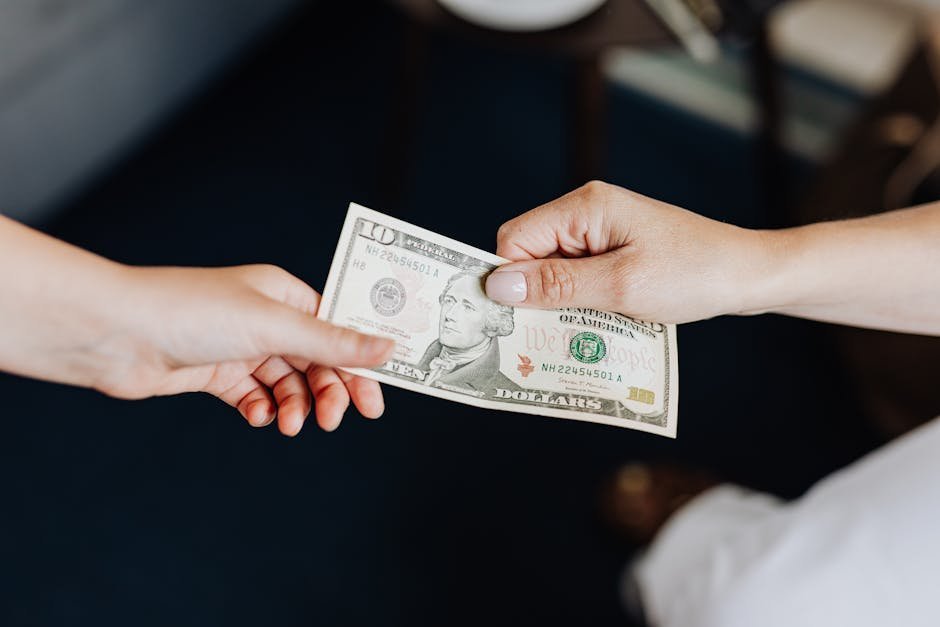
On average, Americans tip 18% of the bill – however, more than a third say they tip 20%, and nearly half said they tip 20% or more. Tipping patterns are one of the most revealing financial signals in any restaurant visit. Someone who rounds up generously and quickly, without calculating, is displaying financial ease. Someone who carefully inputs a custom percentage down to the exact cent is revealing how consciously they track outgoing money.
Tipping demonstrates that psychological and social motivations can be a substantial reason for economic behavior, and that economic models should go beyond a selfish economic agent to capture the full range of economic activities. Interestingly, a LendingTree survey found that roughly three in five Americans said they were tipping more as technology makes it easier to pay. When tipping digitally, nearly two thirds of Americans will leave a tip that is more than 10% higher than they would have left if paying with cash. That gap between digital and cash tipping shows just how real and psychological our relationship with money truly is – when it feels less like “real” money leaving your hands, you give more of it away.
9. Whether You Order Based on Value or Desire
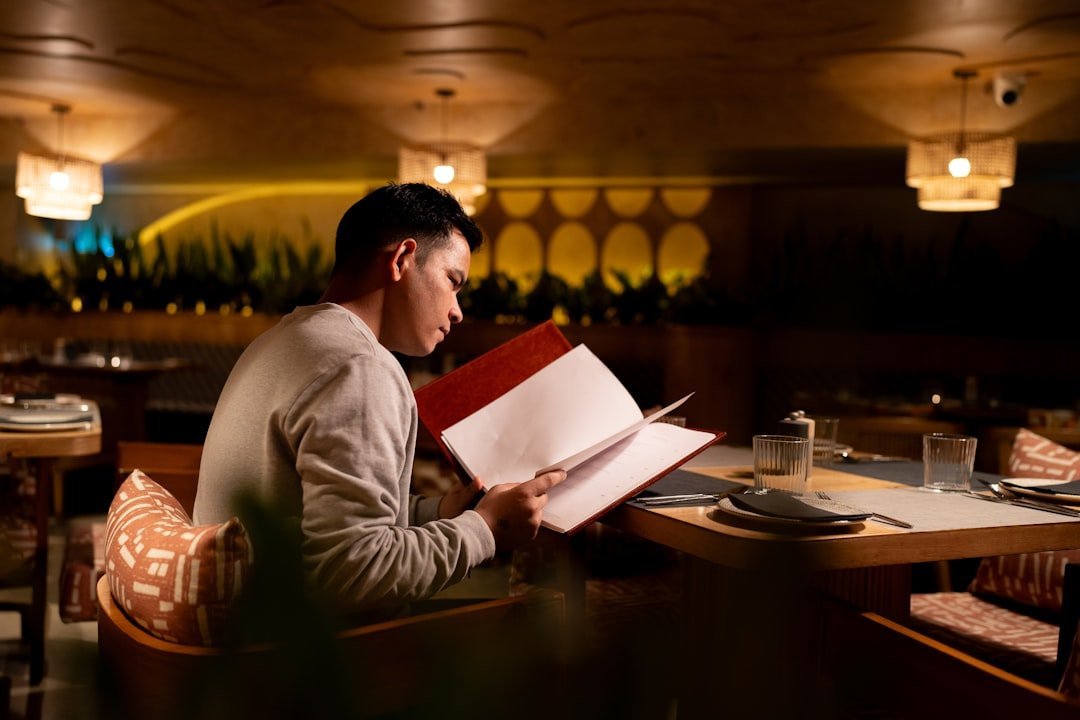
Here is a question worth sitting with: when you look at a menu, do you find what you want and then check the price, or do you find the price range you can live with and then find something in it? These are two fundamentally different ordering strategies, and they map almost perfectly onto two fundamentally different money mindsets. More Americans spend in the range of $11 to $30 per person when dining out than any other amount. Around 36% say they typically spend $11 to $20 per meal, and another roughly 30% spend $21 to $30. Only a small minority, around 6 to 8%, splurge more than $50 per person on a meal.
While the appetite for dining out remains relatively healthy, diners have become more selective and are increasingly seeking value and innovation, according to BofA Global Research. The desire-first diner is not necessarily reckless. They may budget well in other areas and simply treat the restaurant as their chosen indulgence. The value-first diner is not necessarily poor. They may be wealthy and simply deeply mindful of waste. But the habit – the automatic, unreflective starting point – betrays the financial default mode more than almost any other single behavior.
10. How Comfortable You Are Sending Food Back
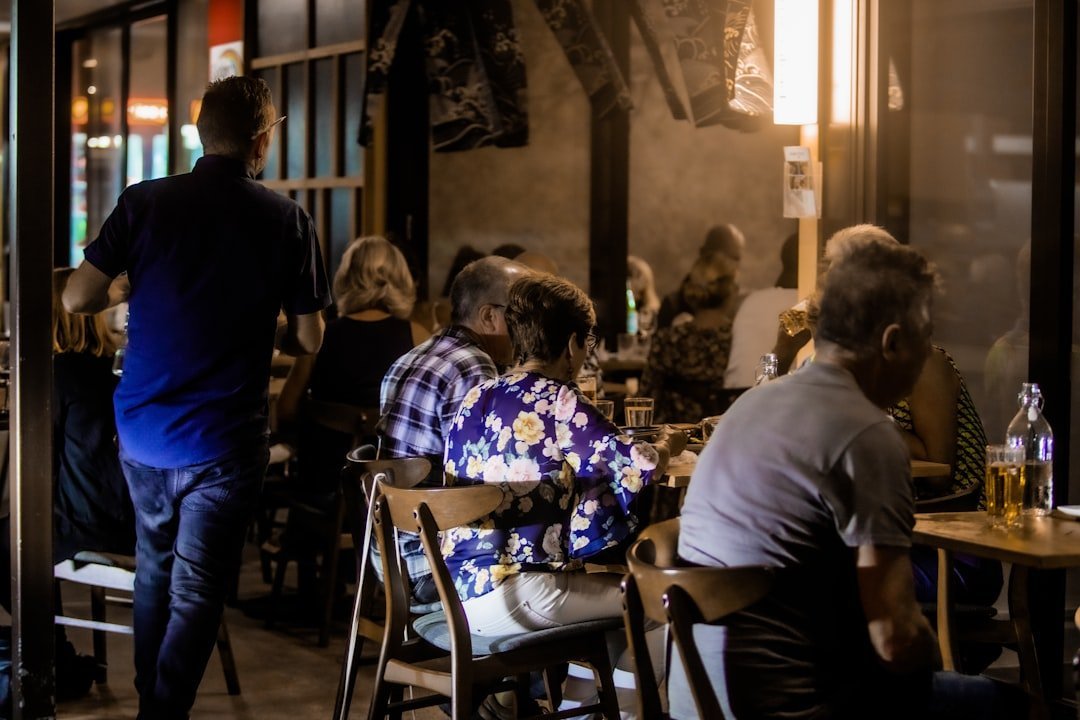
Sending food back is a power move, and not everyone feels entitled to make it. People who grew up in financial situations where eating out was a rare treat tend to tolerate imperfect food far longer than people for whom restaurants are a regular, normal part of life. Guests from upper-middle-class backgrounds often request numerous modifications, comfortable with customization and expecting accommodation. That comfort with making demands and having expectations met starts very early in life and is deeply tied to perceived entitlement – in the most neutral sense of that word.
As the average cost of dining out increases, consumers remain committed to restaurant meals, but how they spend varies widely. Someone who rarely dines out tends to absorb bad service or an incorrect order silently, not wanting to “make a scene” over something they have already paid for. Someone for whom restaurants are routine expects things to be right and asks for it without internal conflict. According to a recent study by Givex, roughly two in five Americans report eating out less frequently, and more than two in five have reduced their food delivery orders. Those who are pulling back and treating each meal as more of an investment are far less likely to rock the boat when something is off.
11. Whether You Track What You Spent Afterward

This one happens after you leave the restaurant, and yet it is arguably the most revealing habit of all. Do you check your bank app after dinner? Do you mentally note the total and compare it against a budget? Or do you walk out the door and forget about it until the next statement? In 2024, U.S. consumers reported spending an average of $191 per person per month on dining out, a significant rise from about $166 per month in 2023. Part of this increase is due to higher menu prices, but it may also reflect people dining out more frequently or choosing higher-quality experiences.
As U.S. consumers navigate rising costs, many have been forced to adjust their discretionary spending, resulting in marked shifts in dining habits. The people who track post-dinner are the ones who treat money as a resource to be managed. The ones who do not are either genuinely free from financial stress, or genuinely in denial about it. Average monthly spending per household on restaurants and bars in 2025 was $371 – up roughly 30% from 2019, according to Bank of America card data. With numbers climbing that fast, the difference between those who notice and those who do not tells you a great deal about who is building wealth and who is quietly bleeding it.
The Table Doesn’t Lie

Restaurants are not just about food. They are one of the few places in modern life where our deepest financial habits come completely out in the open – often without us realizing it. Every order, every hesitation, every “I’ll just have water” is a small dispatch from the inner world of your money story.
The beautiful thing is that awareness changes everything. Once you see these patterns – in yourself, in others – the restaurant becomes less of a place that exposes you and more of a fascinating lab for understanding the deeply human relationship between money, comfort, identity, and choice. None of these habits make you good or bad at managing money. But they do make you readable.
Next time you sit down with a menu, take a quiet second to notice where your eyes go first. You might surprise yourself. What do your ordering habits say about you – and does knowing that change anything?