
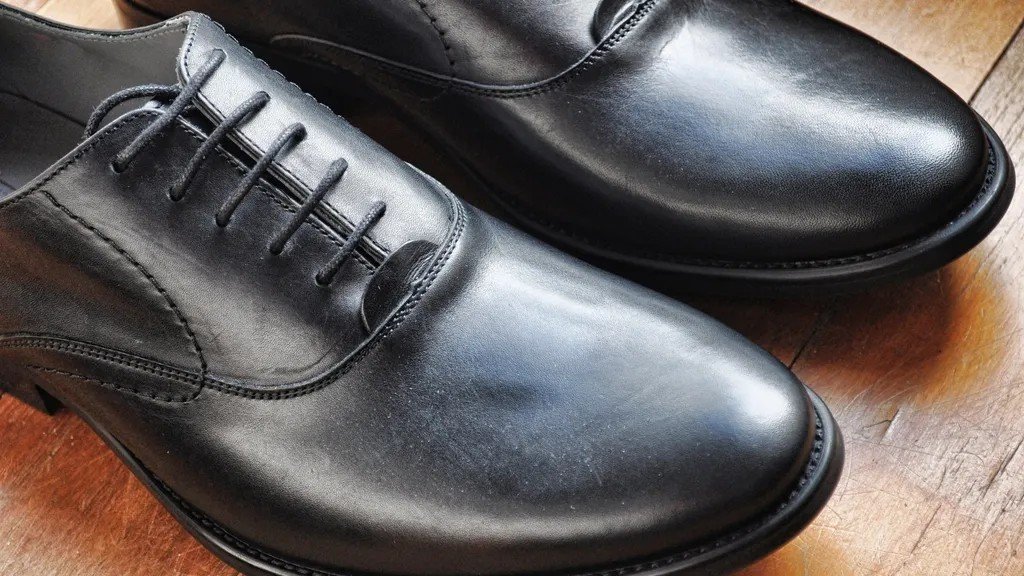
You probably never thought your shoes could cost you a job, a loan, or even a life of financial struggle. Yet across psychology labs, financial planning offices, and the halls of social theory, one surprisingly grounded idea keeps resurfacing: the condition of the shoes on your feet reveals far more about your money habits, your wealth mindset, and your financial future than you might ever expect. It sounds almost absurd. But the research and the real-world economics behind it are anything but.
From a centuries-old idea about boots and poverty to cutting-edge psychology studies on snap judgments, footwear sits at a fascinating crossroads of personal finance, behavioral science, and social perception. Buckle up. The story starts from the ground up.
Where the Theory Really Comes From: The Boots Theory of Socioeconomic Unfairness
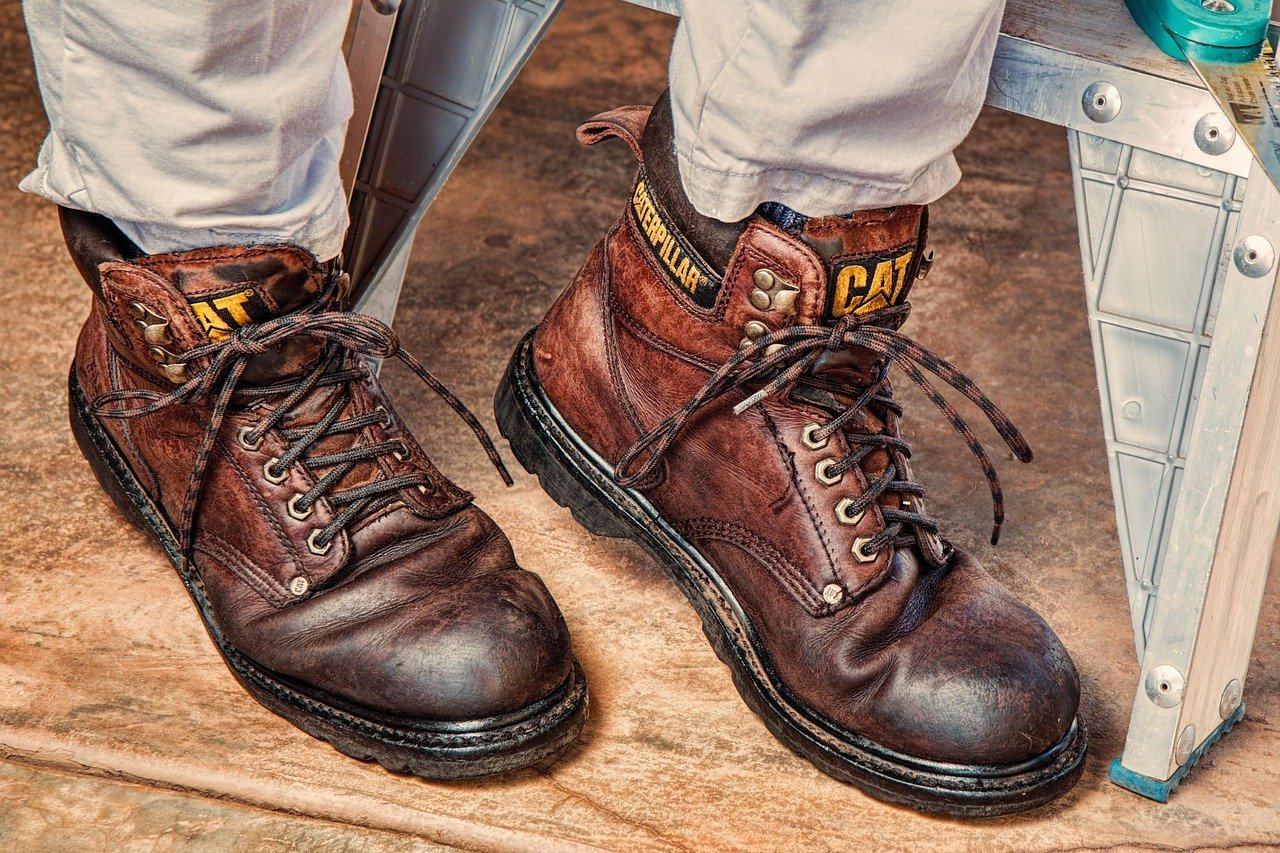
Before we talk about scuffed shoes and financial futures, we need to start with the classic theory that launched a thousand personal finance debates. The Sam Vimes Theory of Socioeconomic Unfairness, often called simply the Boots Theory, is an economic theory that people in poverty have to buy cheap and subpar products that need to be replaced repeatedly, proving more expensive in the long run than more expensive items.
The theory explains that one reason the rich are able to get richer is because they are able to spend less money. Think about that for a second. It’s not just about earning more. It’s about how much your poverty quietly costs you, one worn-out sole at a time.
To put it simply: a wealthy person can afford to buy a pair of high-quality boots that last for ten years, while a person with less financial means can only afford a cheap pair that wears out every year. Over the same ten-year period, the poorer individual ends up spending twice as much on the same need. It’s the kind of math that makes you stop and feel genuinely frustrated at the system.
The Boots Theory is not just about footwear; it serves as a metaphor for the broader economic challenges faced by those with limited financial resources. Honestly, that metaphor has never felt more relevant than it does in 2026.
Your Shoes Are Social Signals, Whether You Like It or Not
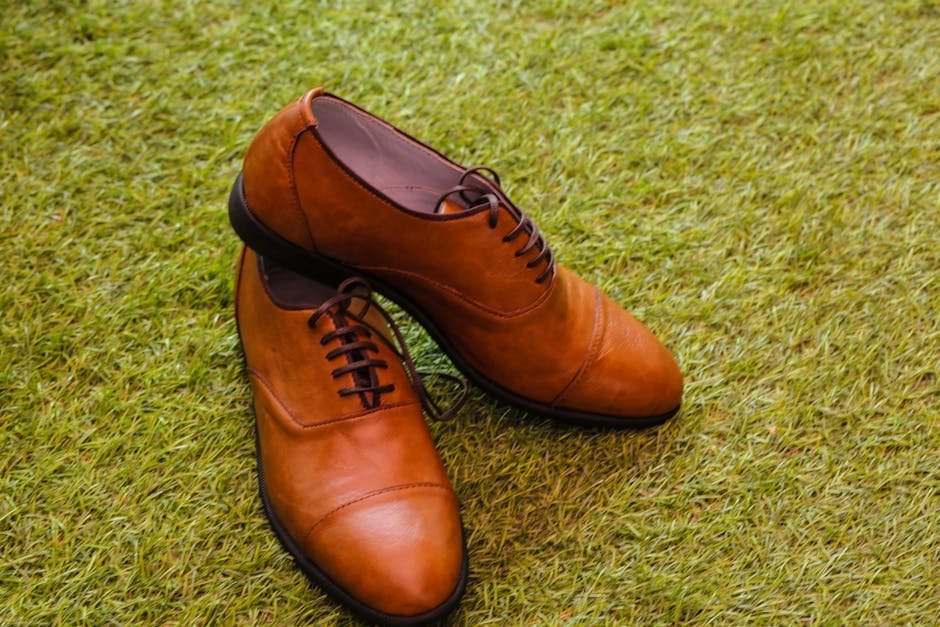
The first thing many people subconsciously judge is not your face or your watch, it’s your shoes. That might sting a little. Yet social psychology has been confirming this uncomfortable truth for years, and it only gets more interesting the deeper you dig.
Footwear sits at the intersection of practicality, aesthetics, wealth signaling, discipline, and identity. We tend to obsess over resumes, interview outfits, and firm handshakes. Meanwhile, our shoes are quietly doing all the heavy lifting of first impressions before we’ve even opened our mouths.
Unlike a shirt you wear occasionally, shoes endure daily wear. They accumulate scuffs, dirt, creases, and wear patterns, which means they expose how you live. That is quite literally the “scuffed shoe” theory in action. Your shoes are a daily diary of your habits, priorities, and discipline levels.
Research published in the Journal of Research in Personality found that strangers can accurately judge someone’s personality just by looking at their shoes. Everything, from the style and color to shoe condition, conveys information. And yes, that includes information about your income.
The Science Is Real: What Shoes Actually Reveal About You
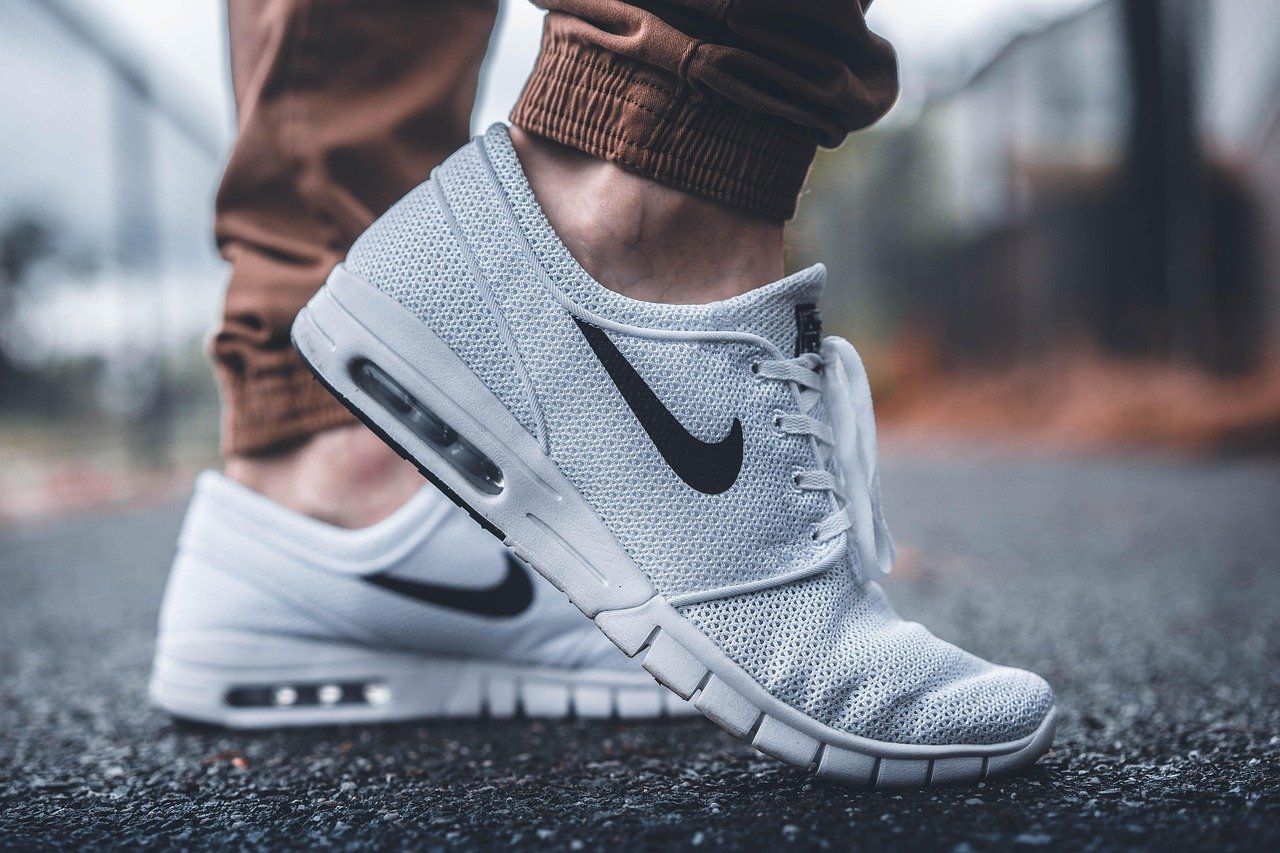
Let’s be real. “Judging someone by their shoes” sounds superficial. But when actual science backs it up, it becomes hard to dismiss. A study showed that shoes are the main source of first impressions, as strangers accurately judged the age, gender, income, and even attachment style of shoe owners just by looking at pictures of shoes they tend to wear the most.
Surprisingly minimal appearance cues lead perceivers to accurately judge others’ personality, status, or politics. This is a studied phenomenon known as “thin slicing,” the brain’s remarkable ability to extract enormous amounts of accurate information from the tiniest visual cues. Your scuffed heel is essentially an open book.
Perceivers show some accuracy in judging individuals’ social class from various nonverbal cues, indicating that nonverbal behaviour provides signal to individuals’ social class. Simultaneously, a large body of evidence highlights substantial bias in social-class perceptions, with social-class stereotypes meaningfully affecting impressions. So the reading is real, and the bias layered on top is also real. Both matter.
Research illustrates the broad range of consequences of social-class perceptions, perhaps most importantly in the domain of competence and hiring judgments, which can serve to perpetuate inequality. That last part is worth sitting with. A scuffed shoe can affect whether you get hired. That is not a metaphor anymore.
The Poverty Premium: How Poor Shoes Are Actually Costing People More
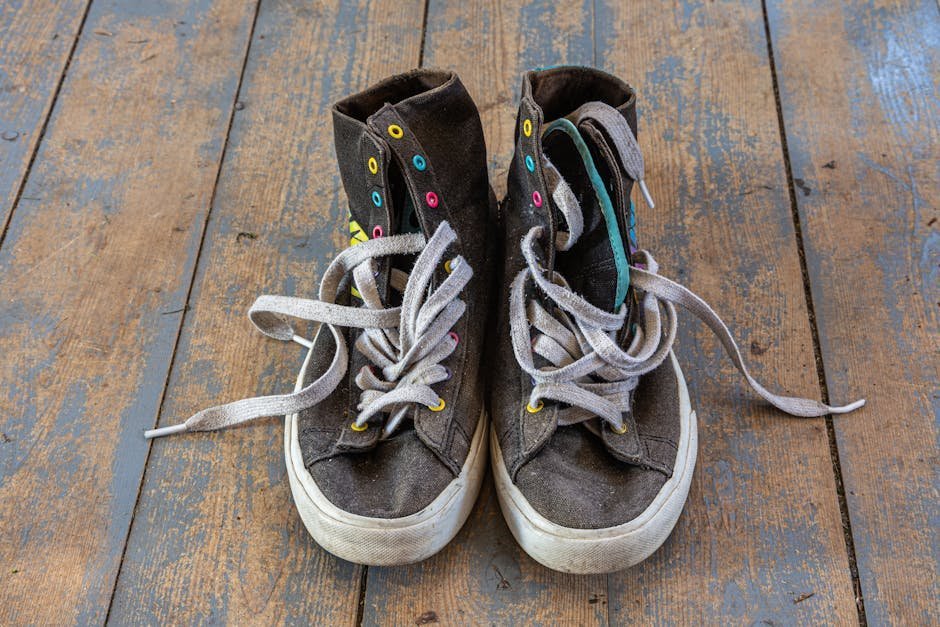
Here’s the thing that makes this all genuinely maddening. People with low incomes are repeatedly forced into replacing low-quality items, never reaching the savings needed to buy durable alternatives. The cumulative total spent by someone living in poverty can exceed what a wealthier person spends on the same needs, but over a longer, more stressful timeline.
The cost of living in poverty is exacerbated by the fact that low-income families often pay more for necessities. The shoes are just one piece of a much larger, suffocating puzzle. When you cannot afford quality, you pay more overall. Over and over again.
What appears to be frugality is often a vicious cycle, forced spending on cheap goods that don’t last, with no chance to “graduate” to better options without extra financial strain. It’s like being trapped on a financial treadmill you didn’t even choose to step onto.
Funds spent on replacements can’t be invested elsewhere, like education, health, or building assets, worsening inequality. Every cheap pair of shoes replaced three times a year is money not going into savings, not going into an emergency fund, not building anything lasting.
What “Asset Thinking” Looks Like on Your Feet
Financial professionals increasingly talk about “asset thinking” versus “consumption thinking.” Interestingly, your shoe choices are a surprisingly accurate reflection of which mindset you carry. Owning three high-quality pairs maintained well signals asset thinking. Owning five cheap pairs that fall apart every few months signals consumption. The pattern is consistent.
Money makes money, but having money also saves you money. The more money you have, the more wealth you’re able to build, not only because you have extra money to save, but also because you buy higher quality things that last, therefore spending less in the long run. The wealthy are playing a fundamentally different financial game, even at the shoe rack.
Your shoes reveal your money habits. Owning five cheap pairs that deteriorate quickly signals consumption. Owning three high-quality pairs maintained well signals asset thinking. It’s strikingly simple once you frame it that way.
That philosophy leaks into how people judge their financial maturity. Whether you mean to broadcast it or not, every purchasing decision you make, including footwear, communicates something about how you think about money. And people notice.
The Global Footwear Market and What Growing Inequality Reveals

The global footwear market was valued at USD 423.35 billion in 2024 and is projected to reach USD 618.39 billion by 2033. That is an extraordinary amount of money spent on what goes on our feet. Yet the distribution of that spending tells a very different story about who benefits and who remains trapped.
Rising demand for premium and luxury footwear among high-income consumers is one of the defining trends reshaping the market. Meanwhile, the lower rungs of the market are flooded with cheap, fast-fashion footwear designed to be replaced rather than repaired. The gap between those two worlds is growing.
According to the U.S. Census Bureau, the official poverty rate fell to 10.6 percent in 2024, with 35.9 million people in poverty. That represents roughly 35 million people cycling through cheap footwear, each trapped in the same exhausting economic loop described by the Boots Theory. The scale of this is hard to absorb.
Fourteen percent of the UK population face financial exclusion and access issues when it comes to credit. That’s approximately 7 million people. Financial exclusion means no access to the capital needed to buy the quality boots in the first place. The cycle does not break without external disruption.
The Perception Problem: How Scuffed Shoes Kill Opportunities
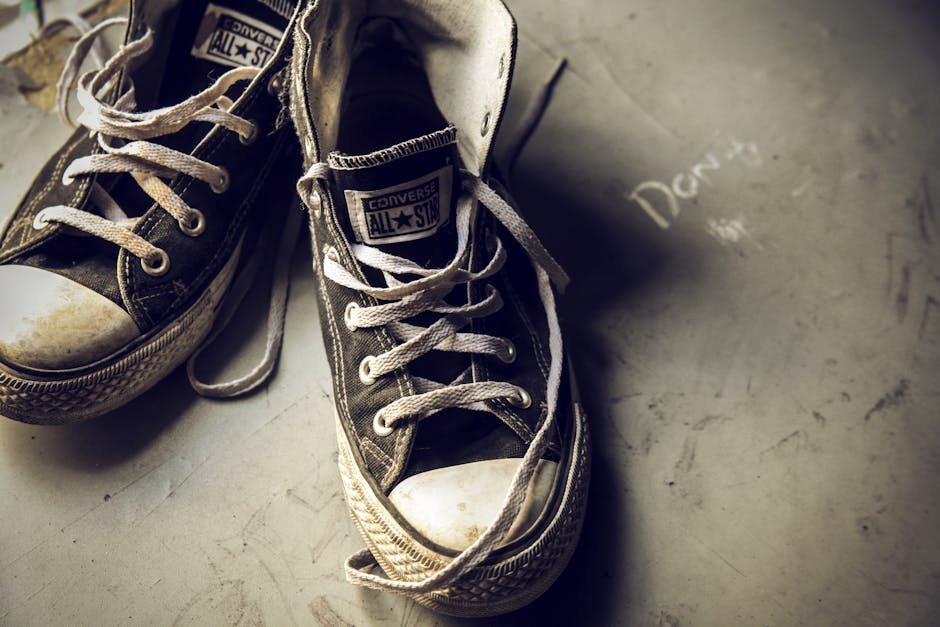
Here is where the “scuffed shoe” theory gets personal. It’s not just about what you spend. It’s about how the world responds to what it sees. Sloppy shoes often signal sloppy systems. If your shoes are cracked, dusty, poorly fitted, and outdated, observers subconsciously assume you lack attention to detail.
People often neglect shoes during stressful periods and that neglect becomes visible. Worn-out soles, peeling leather, broken laces, these are not just style issues. They reflect mental bandwidth and discipline breakdown. I think this is the most human part of the whole theory. Stress shows up on your feet first.
Scuffed, dusty, or context-inappropriate shoes subconsciously reduce perceived authority. You may have competence, but perception delays recognition. That delay can cost you a promotion. A contract. A professional relationship. The injustice is that none of this has anything to do with your actual abilities.
Perception shapes opportunity more than your intentions do. That sentence should be printed somewhere visible. Your intentions do not matter in a room full of people who have already made their judgment in the first seven seconds.
Maintenance Culture and the Financial Discipline Signal
Financially disciplined people tend to share a quietly observable trait. They maintain their things. Cars, homes, relationships, and yes, their shoes. Well-maintained shoes communicate control over details, and people who control details are assumed to control larger responsibilities. That is a remarkably powerful signal to send without saying a single word.
Well-maintained shoes often signal organization and attention to detail, while worn-out pairs might suggest a more carefree or easygoing temperament. There’s nuance here, of course. Context matters. A worn pair of work boots on a construction site carries a completely different message than the same shoe in a boardroom.
Subtle, well-maintained footwear communicates stability, and stability is attractive because it suggests predictability and responsibility. In professional contexts, that stability translates directly into trust. Financial advisors know this. Hiring managers know this. Your clients feel this, even if they cannot name it.
Wealth Inequality and the Systemic Trap Behind the Shoes
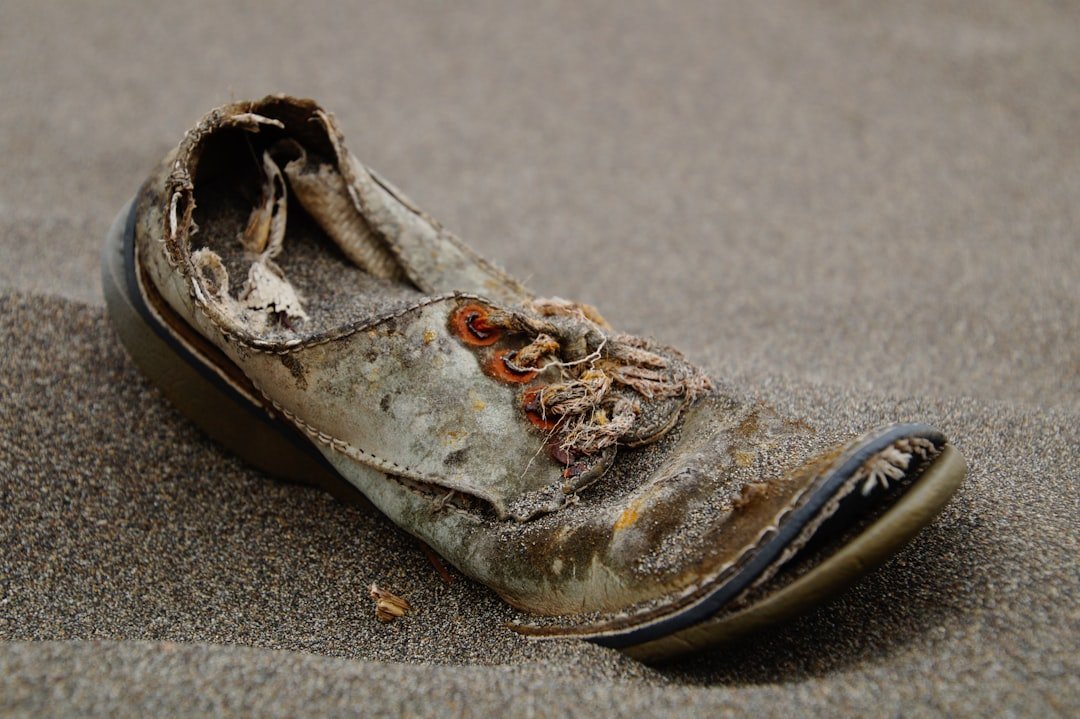
It would be intellectually dishonest to talk about shoes and wealth without acknowledging the deeper systemic reality at play. The Boots Theory underscores the cycle of poverty, where individuals are trapped in a loop of making short-term financial decisions that have long-term negative consequences. This cycle can be difficult to break without systemic changes or interventions.
The data on wealth inequality is stark. During 2024, growth in global high-net-worth individual wealth and population was robust, increasing by over four percent. Meanwhile, the people at the bottom were still spending disproportionately on necessities just to survive. Lower-quartile households spend a larger fraction of their incomes on necessities, food at home, rent, medical care, and so on.
The result is a financial world with two completely different rule sets operating simultaneously. Money makes money, but having money also saves you money. The more money you have, the more wealth you’re able to build. This compounding advantage means the gap is not merely maintained. It actively widens.
Financially literate households tend to save more frequently, diversify their investments, and engage in entrepreneurial activities more than their less literate counterparts. Financial literacy, like quality footwear, is something that compounds. Access to both changes everything.
What Financial Experts Actually Watch For, and Why It Matters Today

Professionals in financial advisory, talent acquisition, and behavioral economics increasingly understand that small observable details predict larger patterns. If you want to understand how society reads you, start from the ground up. Shoes tell people how seriously you take yourself, they reveal your habits, and they hint at your income level.
The footwear signal works precisely because it is so consistent. Shoes are uniquely powerful because they are difficult to fake consistently. They reveal maintenance habits, reflect lifestyle choices, and indicate awareness of social norms. You can borrow an expensive jacket for one meeting. You cannot fake a decade of shoe care habits.
The Footwear Psychology Report 2025 reinforces this. Footwear isn’t just a practical necessity. It’s a powerful form of self-expression that can reveal a surprising amount about personality, lifestyle, and even mood. From the styles we choose for everyday comfort to showstopping picks for special events, our shoes speak volumes.
The real takeaway for 2026 is this: the scuffed shoe is never just a style issue. It is a data point. It tells a story about access, about habit, about the systemic pressures working against some people from the very start. The Boots Theory has become a reference point in debates about poverty, policy design, and the hidden costs of being poor. It shows that systemic disadvantage isn’t just about what people don’t have, but about how small, daily sacrifices add up to longer-term hardship.
Conclusion: Looking Down to Understand What’s Really Going On
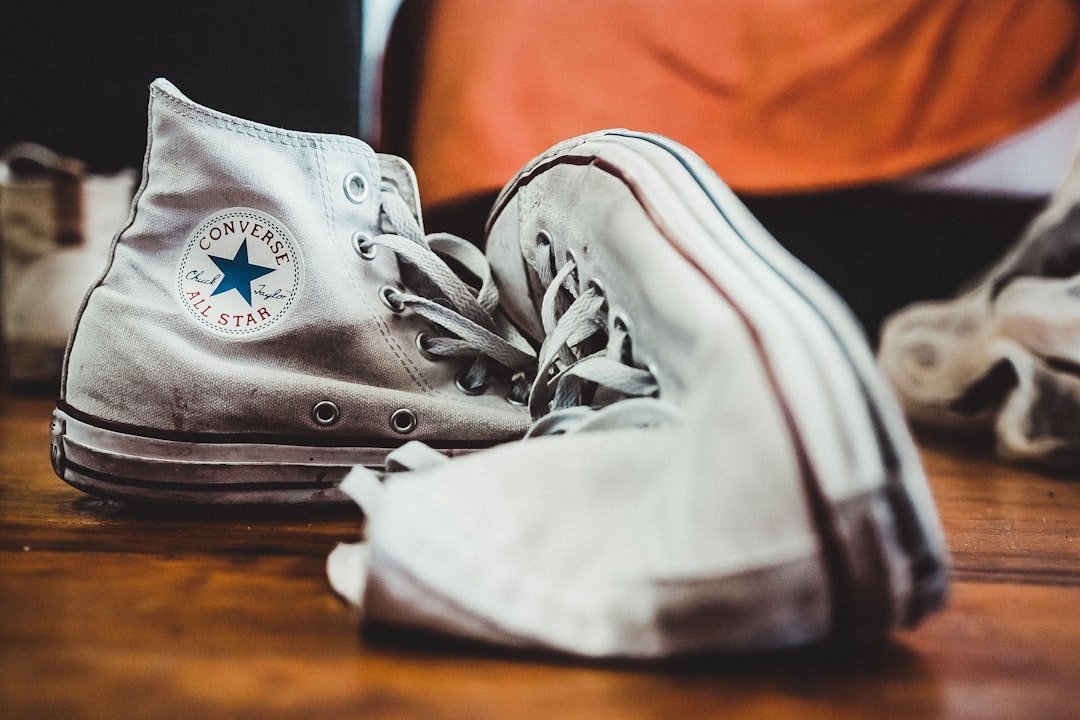
The “scuffed shoe” theory is not a simple moralizing tale about polishing your shoes and becoming rich. It is something far more layered and, honestly, far more uncomfortable. It is about how a single consumer product can simultaneously reflect individual habits, systemic inequality, social perception, and the compounding logic of poverty.
The psychology is real. The economics are real. And the stakes, for millions of people still trapped in that cheap-boot replacement cycle, are absolutely real. Next time you glance down at someone’s shoes, including your own, remember that what you’re really seeing is a compressed story of financial access, habit, and the invisible forces shaping someone’s life.
So here’s the question worth sitting with: if your shoes could tell your financial story right now, what would they actually say?