
Forget the Hermès bag sitting on your passenger seat. Forget the penthouse with the panoramic view, the first-class lounge access, or even that “exclusive” members’ club where half the city seems to have a card now. In 2026, status has quietly and completely reinvented itself. The new markers of power aren’t about showing what you own. They’re about showing what you control, where you belong, and what you can escape to.
Honestly, there’s something almost philosophical about what’s happening right now at the top of the wealth pyramid. The ultra-rich aren’t just buying things. They’re buying freedom, optionality, and in some cases, entire alternative identities. The concept of “sovereignty” has jumped from political textbooks into lifestyle manifestos, wealth management strategy sessions, and luxury real estate brochures. Let’s get into it.
1. You Hold Multiple Passports as a Strategic Portfolio
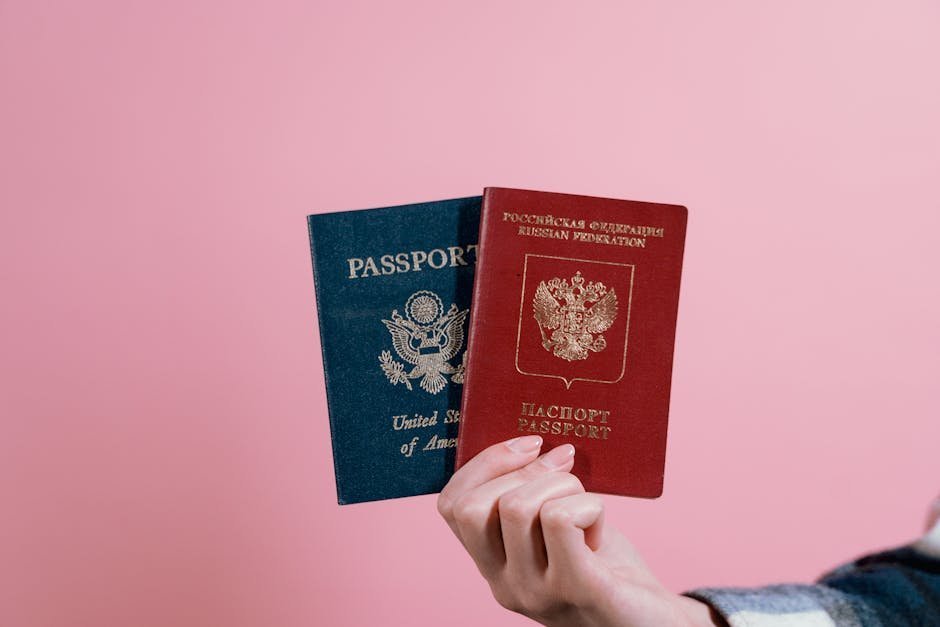
There’s a new way to think about passports, and it has nothing to do with nationality in the romantic sense. This evolution reflects a post-national mindset, where mobility, data access, and sovereignty are personal assets as much as corporate ones. Think of it less like a flag and more like a diversified stock portfolio – only this one protects your freedom of movement.
Henley and Partners data reveals a nearly doubling in inquiries from US nationals for alternative residence and citizenship options abroad when comparing Q1 2024 and Q1 2025, with a further significant jump in enquiries from US investors in Q1 2025 compared to Q4 2024, demonstrating sustained growth beyond any initial election spike. That’s not a trend. That’s a tidal shift.
This new class of transnational elites, sometimes called “Plan B citizens,” values optionality over ideology. They are less concerned with relocation and more focused on access, flexibility, and mobility – core currencies in a volatile geopolitical era. In other words, the passport flex of 2026 is quiet, strategic, and frankly terrifying in how rational it is.
2. Your “Sovereign Portfolio” Spans Multiple Jurisdictions
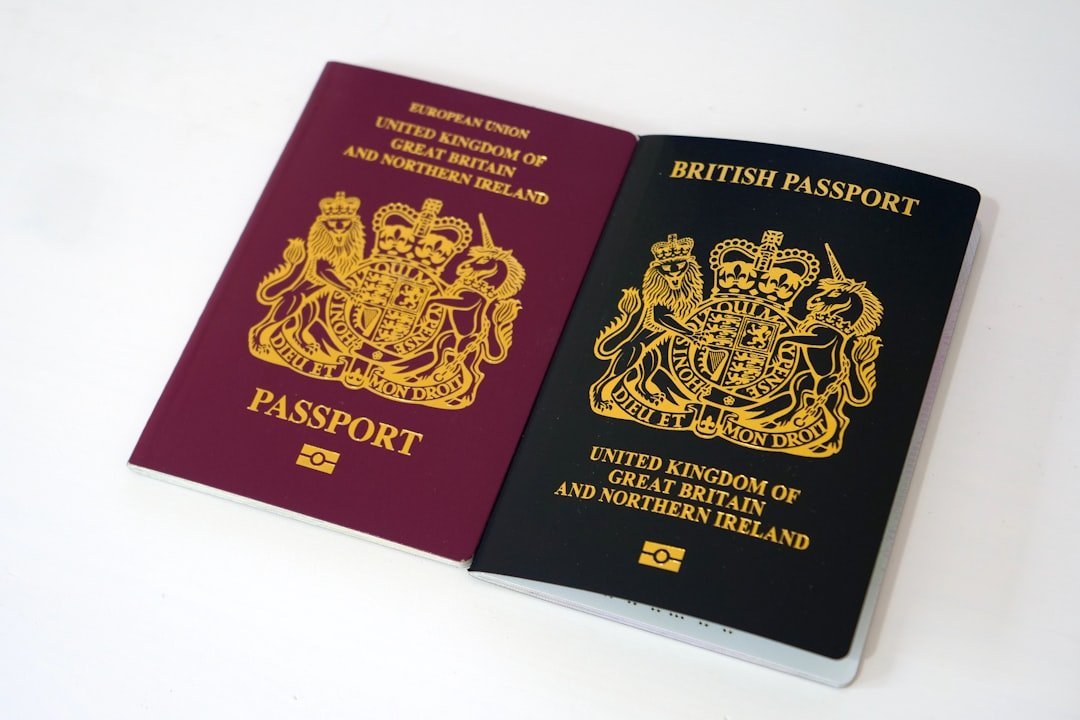
Citizenship will increasingly be perceived as an investment portfolio, not of shares, but of several statuses serving different purposes: global mobility, tax reduction, business development, and education. Let that sink in for a second. Status isn’t a single country code anymore. It’s an architecture.
Wealthy Americans are moving beyond traditional second passport plans and embracing diversified sovereign portfolios – strategic combinations of residence and citizenship options aimed at maximizing mobility, asset protection, and global reach. These portfolios are not necessarily tied to relocation but reflect a desire for contingency planning and enhanced global mobility.
The investor focus is shifting from choosing a single programme to seeking a combined solution: residence permits, citizenship, and tax residency in different countries. This is the new multi-asset class. Welcome to the era where your personal jurisdiction strategy is as important as your equity allocation. The true sovereign flex is having options in places you may never even visit.
3. You Own Infrastructure That Flies

Here’s the thing about private jets in 2026 – it’s no longer about the leather seats. The ultra-wealthy don’t just buy time – they own the infrastructure that moves them, often turning their jets into airborne offices, private residences, or global command centers. That framing, infrastructure, is everything. It separates the truly sovereign from the merely rich.
The private jet market grew from $25 billion in 2021 to $39 billion in 2025. That growth isn’t just demand, it’s a cultural statement. Flying private has become the ultimate status symbol among the ultra-wealthy, eclipsing designer bags and luxury cars.
What once symbolized wealth – first-class airline seats, five-star hotels, and VIP airport lounges – is no longer enough for high-net-worth travelers in 2026. Today, true luxury is about time, privacy, control, and personalization. If you’re still connecting through a commercial terminal, no matter how polished the lounge is, you’re still on someone else’s schedule. That’s the quiet brutality of modern status.
4. You Have a Compound, Not Just a Home
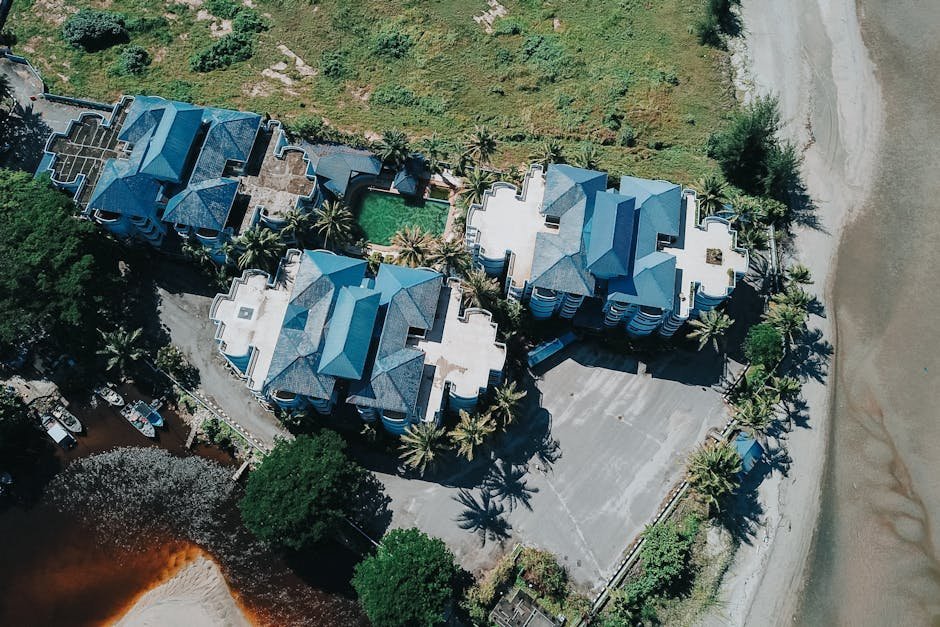
The concept of “home” has been completely upgraded for the sovereignty crowd. The billionaire lifestyle in 2026 is defined by assets that appreciate, experiences that can’t be bought at any price, and privacy that money alone cannot guarantee. Notice that last part. Privacy that money alone cannot guarantee. It’s earned through design, isolation, and sheer scale.
Approximately 70% of ultra-luxury transactions above the $50 million mark occur off-market. The most sovereign compounds never appear on any listing. They’re whispered about rather than photographed. That invisibility is the whole point. Real power doesn’t need a Zillow listing.
As of the latest data from Knight Frank, there are over 626,000 ultra-high-net-worth individuals globally, a more than 33% increase over the past five years. That’s a massive surge in people competing for these same assets. The compound is no longer a reward for reaching the summit – it’s increasingly the baseline for serious wealth, the minimum viable expression of true sovereignty.
5. You’ve Built Your Emergency Infrastructure Underground

This one is wild, and I know it sounds crazy, but it has absolutely become a legitimate status symbol. Once the domain of conspiracy theorists and off-grid survivalists, bunkers have gone glam. Today’s ultra-secure sanctuaries are being built not just beneath remote ranches or desert compounds, but under some of the world’s most elite estates. These hideaways are no longer concrete boxes filled with canned food – they’re luxury retreats stocked with five-star amenities.
Microsoft’s Bill Gates is said to have bunkers beneath multiple homes, while Meta CEO Mark Zuckerberg is reportedly building a $300 million compound in Hawaii that includes a 5,000-square-foot underground bunker with its own energy, water, and food infrastructure. When the most powerful tech minds on Earth are doing something, it tends to set a cultural benchmark, whether you agree with it or not.
Beyond survival preparedness, these luxury bunkers have become status symbols. Owning a multimillion-dollar bunker reflects not only the desire for safety but also the exclusivity and social standing of the owner. The bomb shelter and fallout shelter market was valued at approximately $5.2 billion in 2024 and is anticipated to reach around $10.8 billion by 2033. The underground is genuinely the new penthouse floor.
6. You’re Invisible to the Algorithm

We are seeing a “Great Unplugging.” In response to AI saturation, the most coveted status symbol of 2026 is Digital Privilege – the ability to go offline without consequence. Think about that. The richest, most powerful people are now paying enormous premiums to be unreachable. Going dark is the new flex.
It’s a reversal of everything the 2010s stood for. The influencer era told us that visibility was power. In 2026, invisibility is the real power. Your data isn’t for sale, your location isn’t trackable, and your calendar doesn’t exist on any cloud server that a government subpoena could access. The people who have truly made it are the ones you genuinely cannot Google.
Think of it like this: in physics, the densest objects in the universe, black holes, are defined precisely by the fact that nothing escapes them. The sovereignty elite of 2026 operate on a similar principle. Total informational control. And it’s becoming a genuine social signal among those who understand what that kind of privacy actually costs to maintain.
7. You Work for Yourself, Across Multiple Countries, Legally

Remote work was the pandemic’s great equalizer. But the sovereign class took remote work somewhere else entirely. In 2026, over 50 countries offer digital nomad visas, with new countries announcing programs frequently. For the top tier of globally mobile professionals, this isn’t about saving money on rent. It’s about engineering the most favorable legal identity possible.
Most digital nomad visas today are not limited to salaried remote workers; they also extend eligibility to startup founders and business owners, making them a strategic channel for countries to attract new businesses and entrepreneurial talent. This design transforms digital nomadism from a temporary mobility trend into a potential pipeline for foreign direct investment and firm creation.
Spain’s Beckham Law provision, for example, allows eligible digital nomad visa holders to pay a flat 24% tax rate instead of progressive rates up to 47%. Multiply that kind of optimization across multiple jurisdictions and you start to understand why location strategy has become a full-time discipline for the sovereignty crowd. It’s not tax evasion. It’s legal architecture.
8. Your Wealth Has Its Own Infrastructure

Today, what really separates an ultra-high-net-worth individual from a high-net-worth individual is complexity. It’s not just about having more wealth, it’s about the architecture required to manage it. This includes cross-border asset holdings and multi-jurisdictional tax strategies. Honestly, this distinction matters enormously. The truly sovereign aren’t just wealthy. They run an ecosystem.
In 2025, the term Ultra-High-Net-Worth Individual is having a moment, not just in finance circles but across legal, philanthropic, and geopolitical domains. This discreet demographic represents fewer than 0.003% of the global population, but controls more than a third of the world’s privately held wealth. That concentration is almost incomprehensible at human scale.
According to UBS’ Global Wealth Report 2025, $83 trillion of wealth will be transferred to the next generation within the next 20 to 25 years. Millennials will hold five times as much wealth by 2030 as they do today. The sovereignty game isn’t just being played by old money anymore. The next generation is inheriting both the assets and the infrastructure around them, and in some cases, ripping up the playbook entirely.
9. You’ve Chosen Your Country’s Tax Code the Way Others Choose a Gym Membership
Let’s be real about what’s happening here. As populist governments sweep across the world, long-held assumptions around globalisation, territorial sovereignty and even democracy are up for debate. As a result, we will see increasing demand from clients to create structures designed to diversify and to protect their wealth. That’s a direct line from political instability to personal sovereignty strategy.
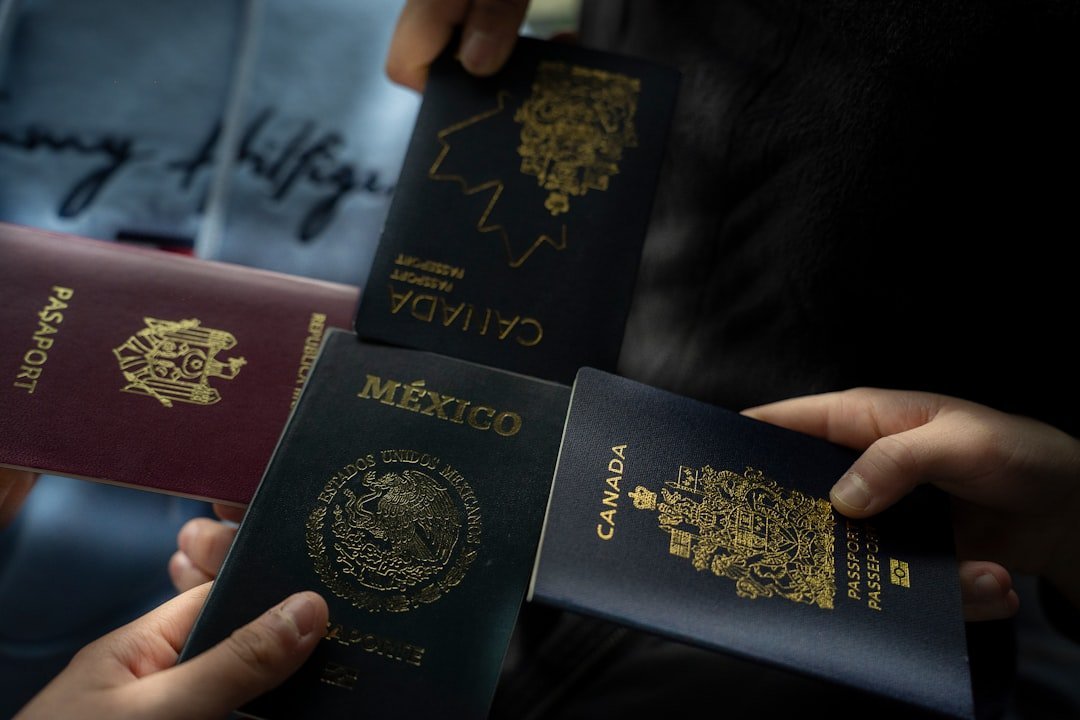
The concept of “domicile diversification” has become mainstream among multimillionaires and ultra-high-net-worth investors. Rather than renouncing US citizenship outright – a costly move thanks to America’s Exit Tax – many are adding second or even third passports as strategic global hedges. It’s less about leaving and more about building a legal backstop.
Growing demand from clients looking to acquire multiple places of residence and passports presents them with emergency options in an increasingly uncertain world. The sovereign elite don’t complain about tax policy at dinner parties. They restructure around it, quietly, legally, and with an army of advisors most people have never heard of. Choosing your fiscal jurisdiction is the new luxury decision, and it’s made with the same precision as selecting a $50 million aircraft.
10. Your Status Is Defined by Optionality, Not Possessions
This is probably the most important shift of all, and it underlies every single point above. The true currency of the elite isn’t money – it’s access. Not access in the velvet-rope sense, but access in the structural, legal, infrastructural sense. The ability to move, disappear, adapt, or escalate at any moment.
For the majority of affluent high earners, second citizenship is not about abandonment – it’s about strategic freedom. In the same way executives diversify assets across industries and geographies, they now diversify jurisdictions. The sovereignty mindset treats every dimension of life, legal identity, physical location, digital presence, as a variable to be optimized rather than a fixed condition to be accepted.
Younger wealth creators under 50 show a greater propensity for investment in technology, contemporary assets, and experimental, high-value experiences, contrasting with the preservation strategies typical of older wealth holders. This generation doesn’t collect things. They collect options. And in a world of accelerating geopolitical chaos, those options are worth more than any single trophy asset ever could be.
The New Status: Sovereignty Over Everything
What we’re watching unfold right now is genuinely one of the most profound reconfigurations of status in living memory. The old symbols, the watches, the cars, the branded luggage, haven’t disappeared. But they’ve been demoted. They’re decorative now. The core signal has shifted to something far harder to fake: freedom from constraint.
True sovereignty in 2026 means your identity is portable, your wealth is protected across borders, your physical refuge is self-sufficient, and your schedule belongs entirely to you. In a digitized, volatile, and border-fluid world, sovereign diversification is becoming part of the modern wealth playbook.
It’s worth asking, though: as all of this becomes mainstream among the ultra-wealthy, what does that mean for everyone else? As we move through 2025 and into 2026, the gap between the world’s richest and poorest has reached unprecedented levels, creating what economists are calling a new era of economic stratification. The sovereignty flex may represent the highest form of status in 2026, but it also represents the widest moat in human history. How many of these signs did you actually expect to be on this list?