

There’s a quiet revolution happening in the closets of the truly wealthy, and most people haven’t noticed it yet. While the rest of us are busy chasing logos and lusting after monogrammed everything, real millionaires are doing the exact opposite. They’re dressing down, blending in, and laughing all the way to the bank.
A landmark study by Han, Nunes, and Drèze found that wealthy consumers with little need for status signalling tend to prefer inconspicuous luxury goods with subtle branding, while consumers with a stronger desire to signal status, regardless of their actual wealth, are more likely to prefer conspicuously branded luxury products. Translation? The louder the logo, the less likely it belongs to someone who is actually loaded. So let’s dive into the 10 brands that quietly mark you as someone still trying, rather than someone who has already arrived.
—
1. Louis Vuitton: The World’s Most Recognized Trap
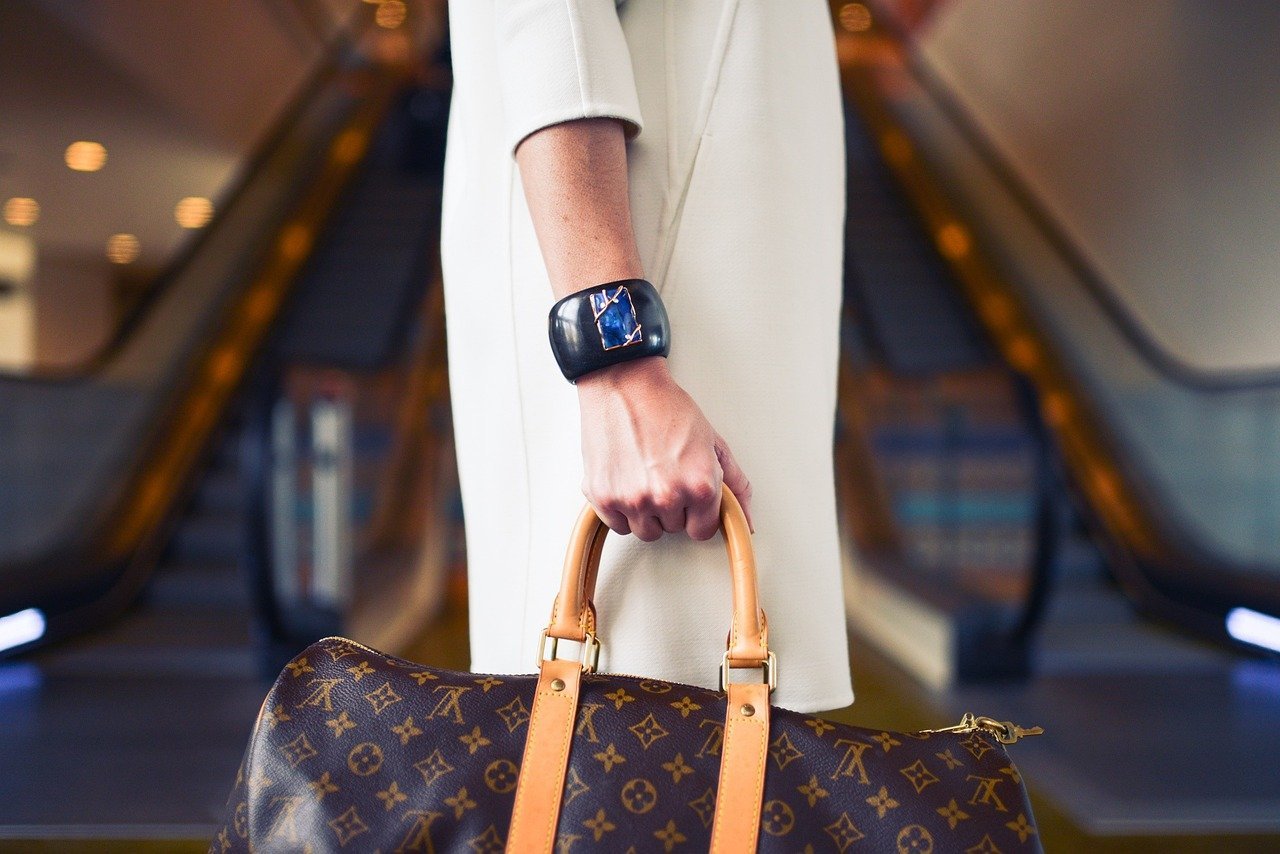
Let’s be real, Louis Vuitton is everywhere. And that is precisely the problem. Louis Vuitton’s customers have had to face a hike in prices as high as 30 to 50% in just a few years, while the brand’s exclusivity has moved in the opposite direction. You can spot the monogrammed canvas on subway cars, at airports, and at every aspiring influencer’s birthday brunch.
The slump in sales of Louis Vuitton, alongside brands like Dior, resulted in a drop in LVMH stock prices and brand image since the pandemic, with LVMH down in revenue as well as profits for the first six months of 2025, a 4% and 22% drop respectively compared to the same period in 2024. Meanwhile, quietly wealthy consumers have already moved on. Unlike traditional wealth that is flaunted through visible luxury logos and designer labels, stealth wealth embraces the idea that true luxury can be subtle, refined, and often unrecognizable to the untrained eye.
—
2. Gucci: The Belt That Became a Punchline
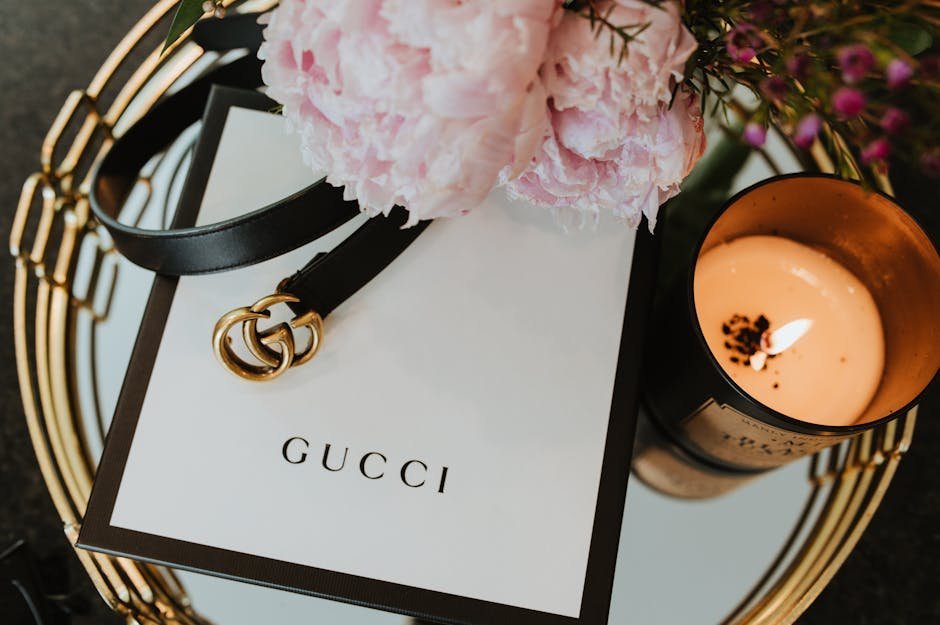
Honestly, the Gucci double-G belt might be the single most effective way to announce that you recently got a raise and couldn’t contain yourself. This is where Gucci loses the wealthy crowd entirely. The brand’s recent shift toward loud, logo-heavy designs appeals to people who want to broadcast their purchasing power, not those who actually possess it.
In a year that saw major headwinds in the luxury sector, Gucci lost the most value among all luxury brands, per Interbrand’s 2025 Best Global Brands report. According to Kering’s company website, revenue figures for Gucci dropped by 25% on a comparable basis in the first half of 2025. The secret millionaire crowd clocked this years ago. The truly wealthy see oversized logos as desperate attempts to buy respect and recognition. They prefer subtle luxury – pieces that demonstrate quality and taste to those who know, without screaming for attention from those who don’t.
—
3. Michael Kors: The Uniform of Aspiration
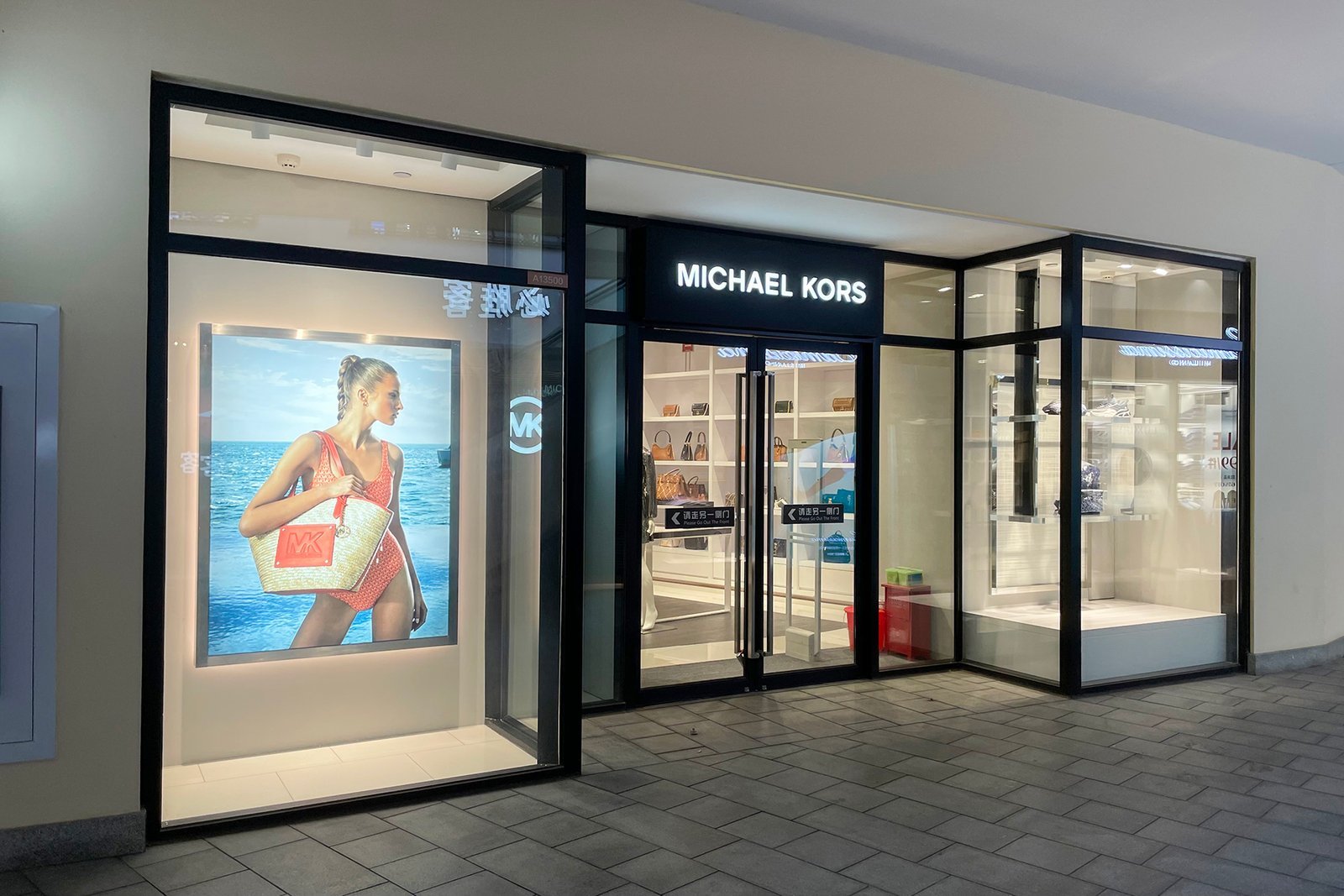
Walk through any mall and you’ll see Michael Kors everywhere – which is exactly the problem. The brand became so dominant in department stores and outlet malls that its very ubiquity killed its aspirational edge. Think about it like this: if a brand is available at T.J. Maxx, it’s probably not the calling card of the ultra-wealthy.
The brand has become so ubiquitous that it’s lost any sense of exclusivity. You can find Michael Kors at T.J. Maxx, outlet stores, and constant sales at department stores. The wealthy recognize this oversaturation immediately. To make matters worse, Michael Kors himself said during New York Fashion Week in September that he’s struggling with “brand fatigue” in an effort to explain 14% year-over-year revenue drops. When the founder admits the brand has a fatigue problem, that’s a telling signal.
—
4. Hugo Boss: Stuck in No Man’s Land
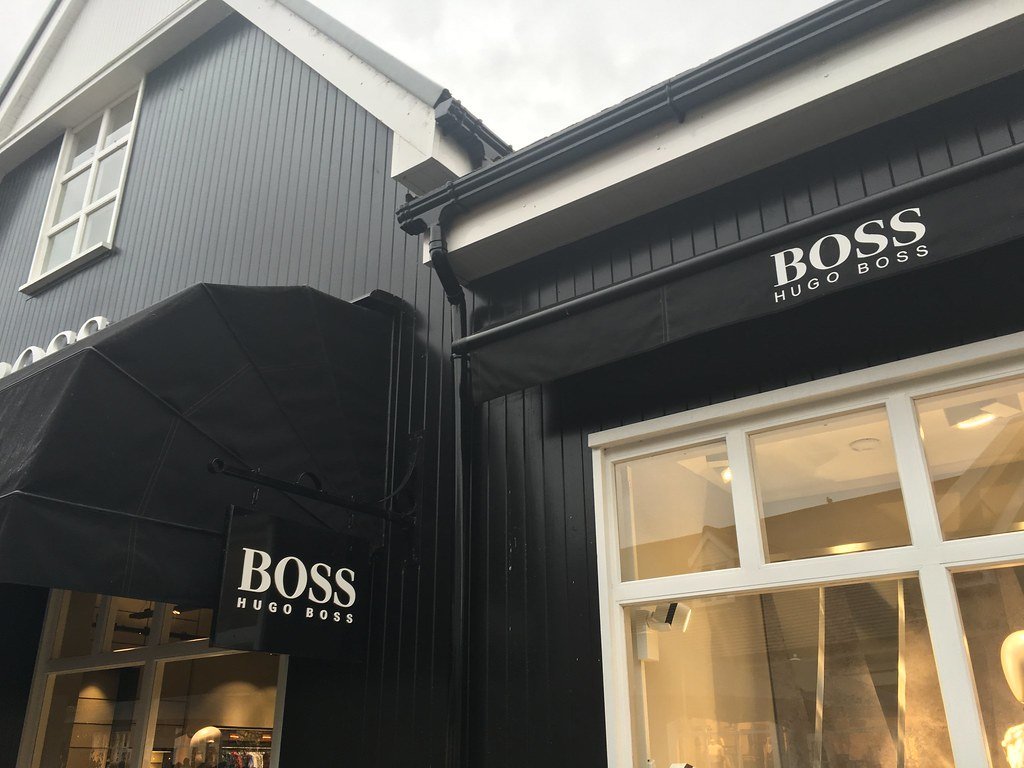
Hugo Boss has long been the brand of choice for the man who wants to look successful at a mid-level sales conference. It lives in a strange fashion purgatory: too expensive for the masses, but too widely distributed to be genuinely exclusive. Here’s the thing about Hugo Boss: it’s caught in an awkward middle ground. As analyst Yanmei Tang put it, “Hugo Boss’s repositioning has left it in a no-man’s land.”
True stealth wealth dressers understand that a label that works hard to be everywhere is, by definition, not rare. Hugo Boss is caught in an awkward middle ground. The truly wealthy recognize this brand as trying too hard to be both accessible and exclusive and failing at both. They’d rather invest in a classic piece that doesn’t announce itself so loudly. It’s like wearing a tie that screams “I looked this up on Pinterest.” Tasteful, but not convincing.
—
5. Coach: The Brand That Peaked in Accessibility
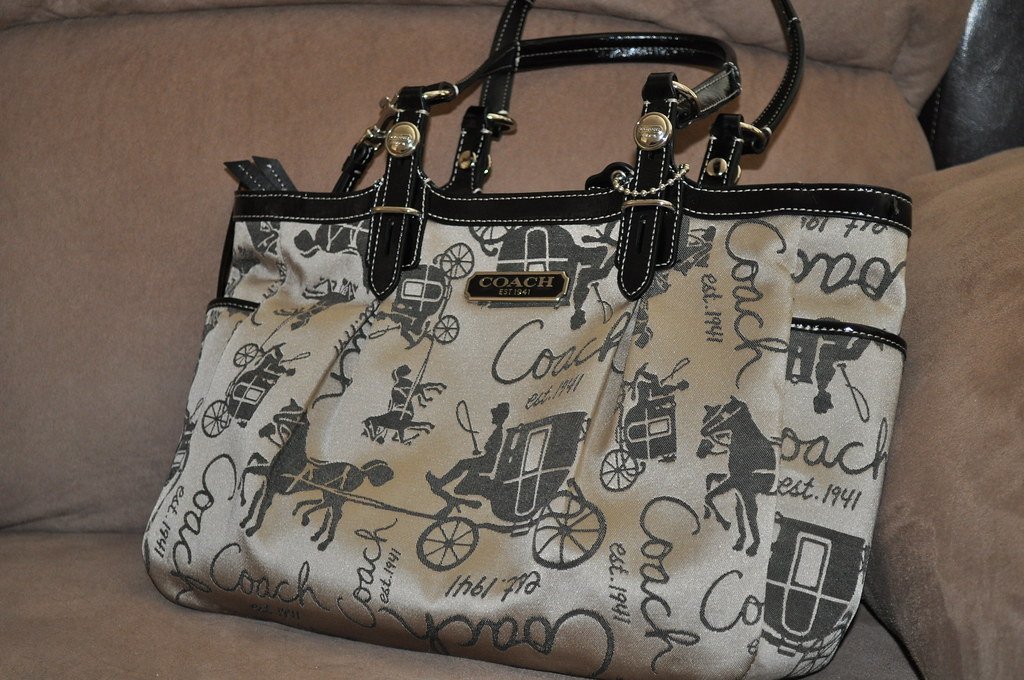
There was a time, sometime in the early 2000s, when carrying a Coach bag felt like a genuine status move. That moment has passed. Remember when owning a Coach bag felt like the ultimate status symbol? Many people carried it to client meetings, hoping it would somehow communicate that they were successful and established. What they didn’t realize was that they were actually broadcasting the opposite message.
The wealthy clients rarely carry Coach anymore, if they ever did. They see it as a brand that peaked in accessibility rather than exclusivity. Coach has spent years trying to reposition itself as a premium house, even rebranding under the Tapestry Group umbrella, but the perception gap is stubborn. Stealth wealth is built on things that hold their social value quietly, over decades, not things that need a rebrand every few years to survive.
—
6. Burberry: When a Plaid Check Became a Social Liability
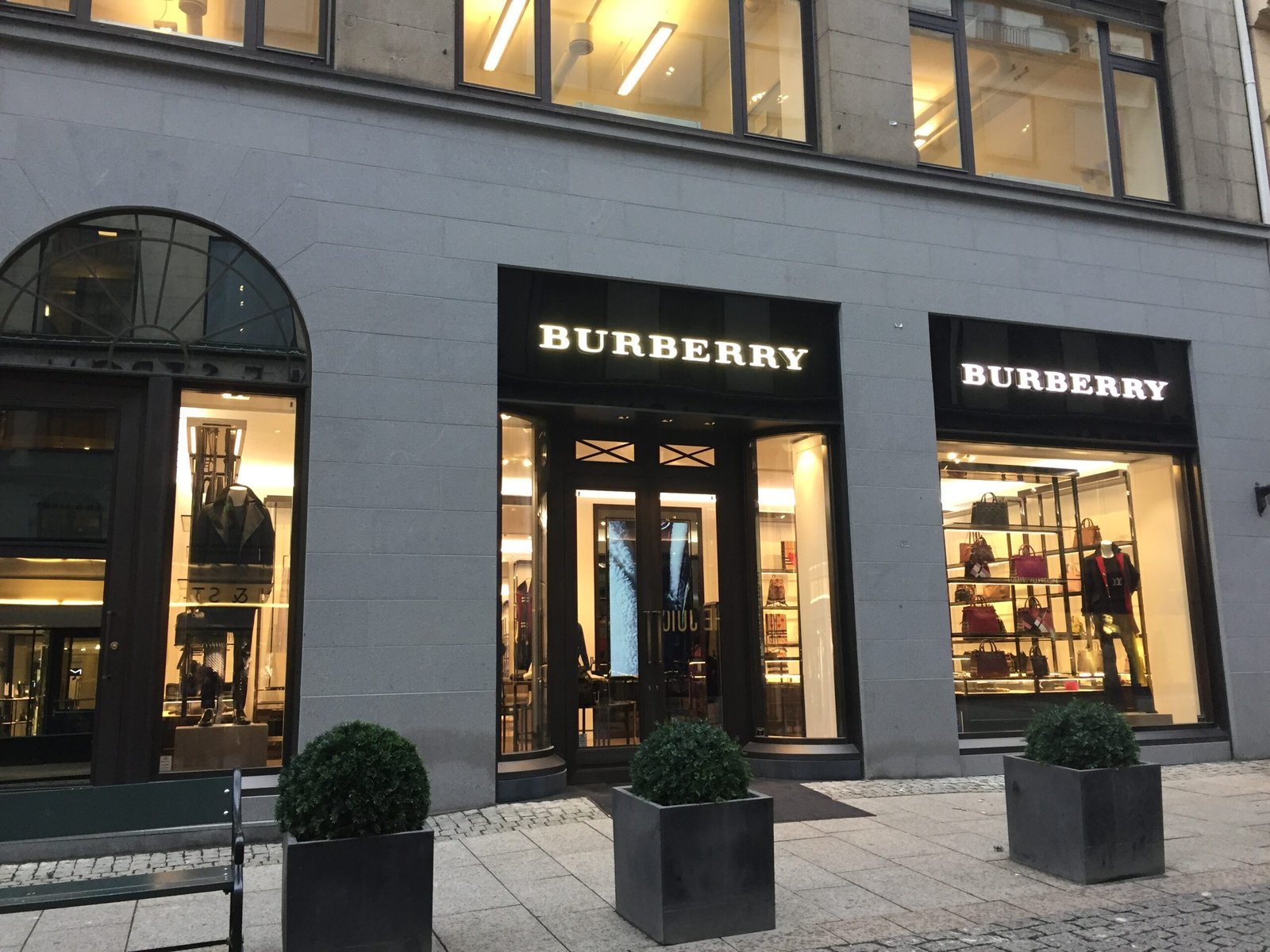
The iconic Burberry check was once synonymous with British aristocracy and quiet coastal wealth. Then it got very, very popular. According to Kantar’s Brandz rankings, in 2024, Burberry’s brand value fell by $2 billion, a 42% plunge compared to 2023. The almost 170-year-old brand also got kicked out of FTSE 100 during this time, as a result of a loss in sales and dwindling profits.
During the two-year period from January 2023 to December 2024, which saw all major luxury brands struggle, Burberry fared the worst, per Morningstar. Stocks fell by 56%, while the company faced internal problems with top leadership on top of bad industry trends. It’s hard to say for sure whether the brand can fully recover its original, understated appeal. But one thing is certain: someone discretely wealthy is not reaching for that signature plaid scarf anytime soon.
—
7. Versace: Maximalism That Signals New Money
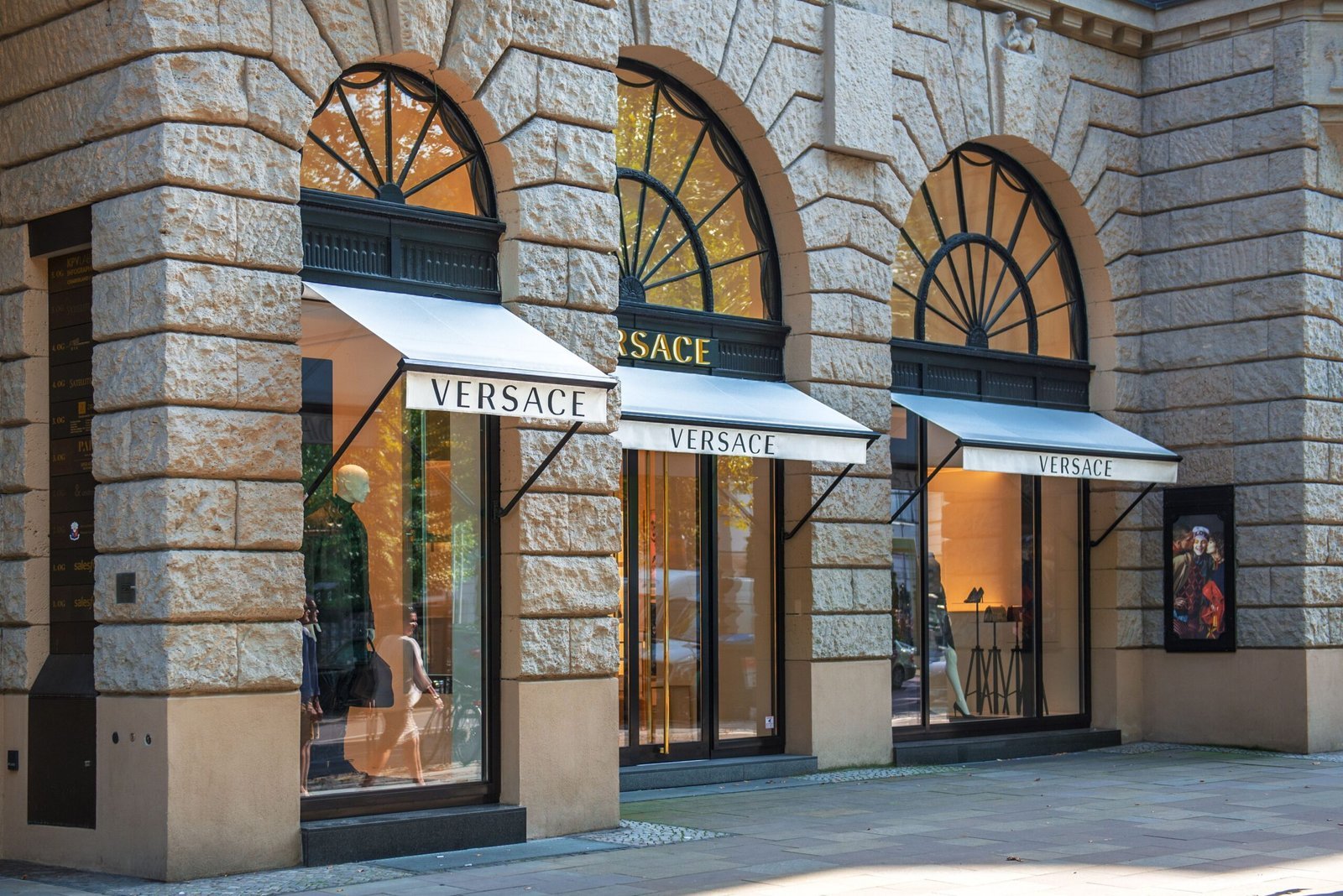
Versace is glamorous. Nobody disputes that. The gold Medusa heads, the baroque prints, the unapologetic excess – it all makes for incredible fashion theater. The issue is that theater, by nature, is designed to be seen. And truly wealthy people, by nature, prefer not to perform. Nouveau riche trends are often flashy and ostentatious, prioritising conspicuous consumption and loud branding over subtlety and refinement.
Versace is down more than 21% in revenue, a number that reflects how quickly the appetite for maximalist status-dressing is contracting among consumers who actually have a choice. The concept of quiet luxury gained renewed prominence in the 2020s, when conspicuous consumption became less socially acceptable in some affluent circles. Overt displays of wealth increasingly came to be perceived as gauche and associated with unproductive status competition. Versace, at its loudest, is essentially the fashion equivalent of revving a Ferrari engine at a red light.
—
8. Dior (Logo-Heavy Lines): Heritage Lost to Hype
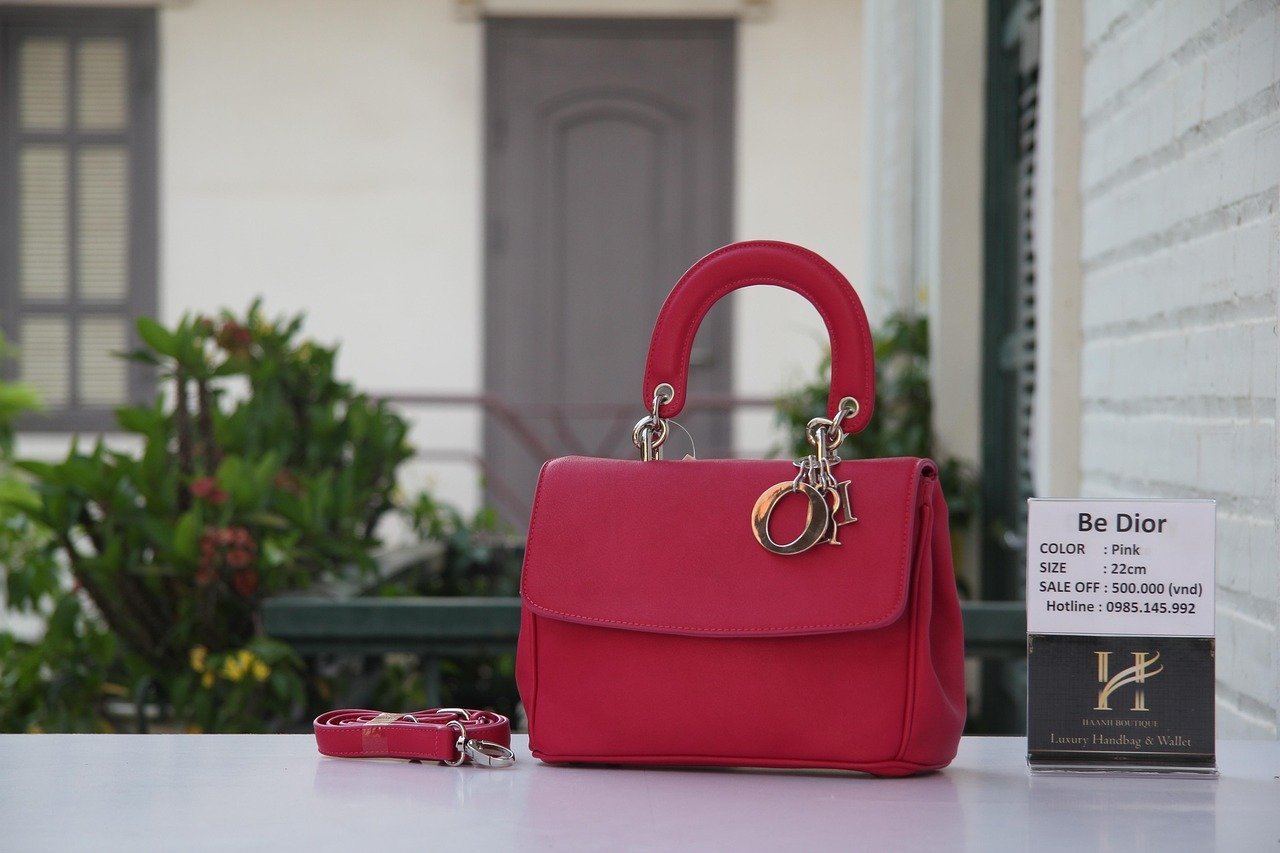
Dior has an extraordinary heritage, and nobody is arguing otherwise. The house’s couture history is genuinely the stuff of legend. However, the proliferation of Dior’s logo-heavy ready-to-wear lines, particularly its streetwear-influenced pieces plastered with the “Christian Dior” wordmark, has pushed the brand squarely into what the stealth wealth crowd quietly refers to as “too recognizable.” That, in their world, is not a compliment.
Brands like Dior, Estée Lauder, Louis Vuitton, and Burberry took a huge hit as customers grew fed up with expensive items they found uninspiring. The underlying issue, as one equity analyst told Fortune, is sharply captured: “Since 2019, there’s been a high price increase across luxury without a corresponding increase in innovation, service, quality, or appeal that a luxury brand should provide.” According to the 2024 Deloitte Global Fashion and Luxury Report, high-net-worth consumers increasingly prefer brands that communicate “intellectual luxury,” where rarity, craftsmanship, and heritage supersede logos or hype.
—
9. Balenciaga: Hype Culture’s Most Expensive Costume
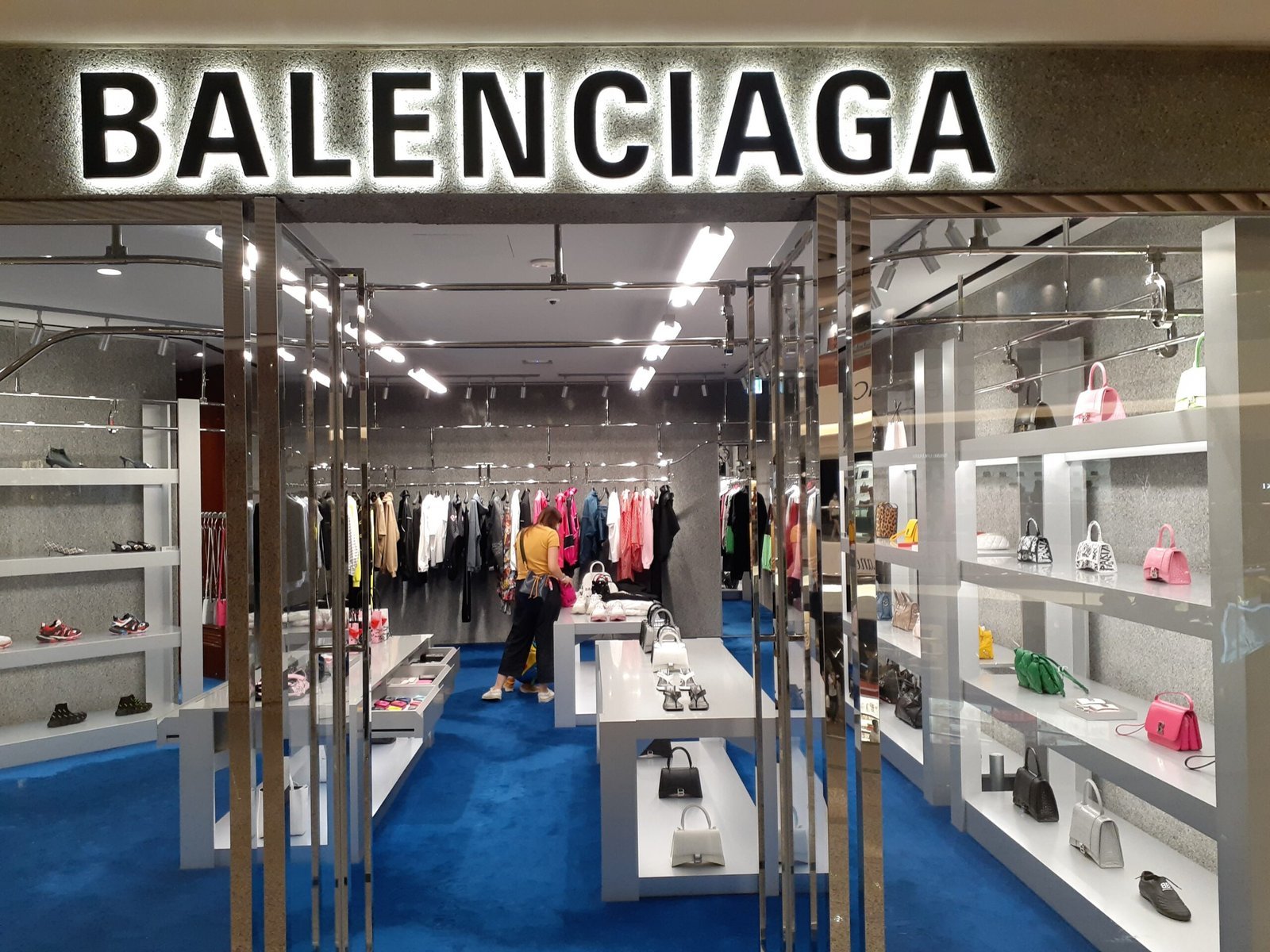
Few brands have ridden, and then stumbled off, the hype cycle quite as dramatically as Balenciaga. Quiet luxury initially rose as a style staple when many consumers were disillusioned with flashy branding and fast fashion, and it became the new “stealth” signifier of wealth. Balenciaga, in many ways, became the poster child for everything that disillusioned those consumers in the first place.
The brand’s enormous, logo-saturated hoodies, triple-S sneakers retailing for hundreds of dollars, and relentless drops into streetwear territory made it enormously popular with a very specific crowd: people who want their clothing to start conversations at loud parties. A McKinsey 2024 consumer sentiment survey reported that more than 60 percent of high-income shoppers are favoring “quality-over-quantity” buying behaviors. This explains the surge in demand for durable fabrics, tailored silhouettes, and subtle craftsmanship that doesn’t require loud branding to justify its value. Balenciaga’s entire brand DNA runs directly counter to that instinct.
—
10. Ed Hardy & True Religion: The Cautionary Tale
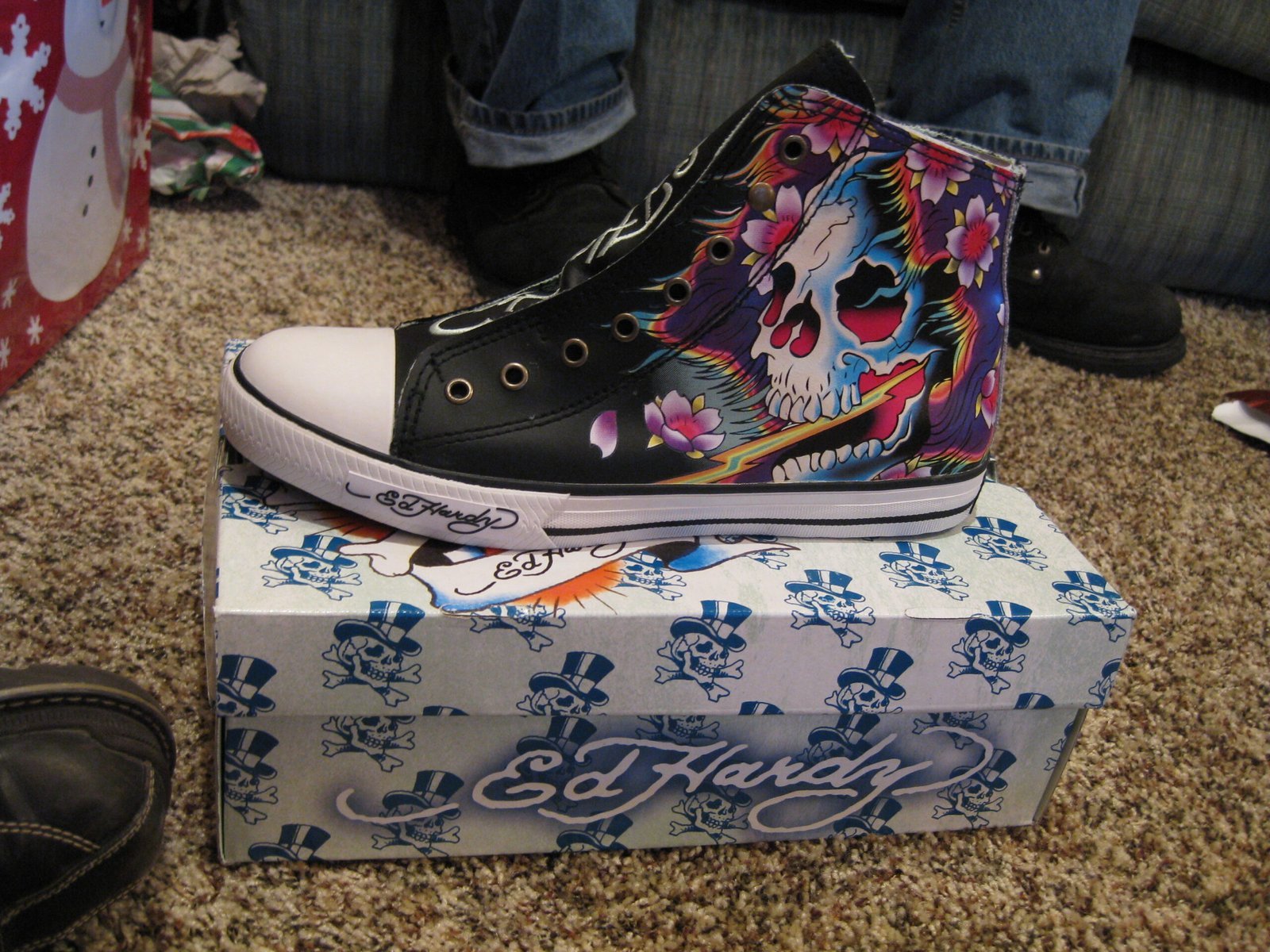
Including these two might feel almost too easy, but they serve as the most instructive case study on this entire list. Ed Hardy’s bejeweled skulls and True Religion’s stitched horseshoe logo were, for a brief window in the mid-2000s, genuine signals of a certain kind of celebrity-adjacent prosperity. Then both brands became everywhere, instantly, and collapsed under the weight of their own overexposure.
Stealth wealth style is less of a fashion aesthetic and more of a psychological strategy, with the wearer’s simple clothing being an attempt to seem relatable, unassuming, and, most importantly, not exorbitantly wealthy. Some of the richest people in the world dress very modestly to draw attention away from their financial standpoint and instead shift the focus to their businesses. Ed Hardy and True Religion did the exact opposite. They became shorthand for a very specific, very visible, and ultimately very temporary kind of status flex. The stealthy rich know that most people flashing wealth are financing it. These brands, at their peak, practically embodied that truth.
—
Conclusion: The Quietest Room Is Usually the Richest One
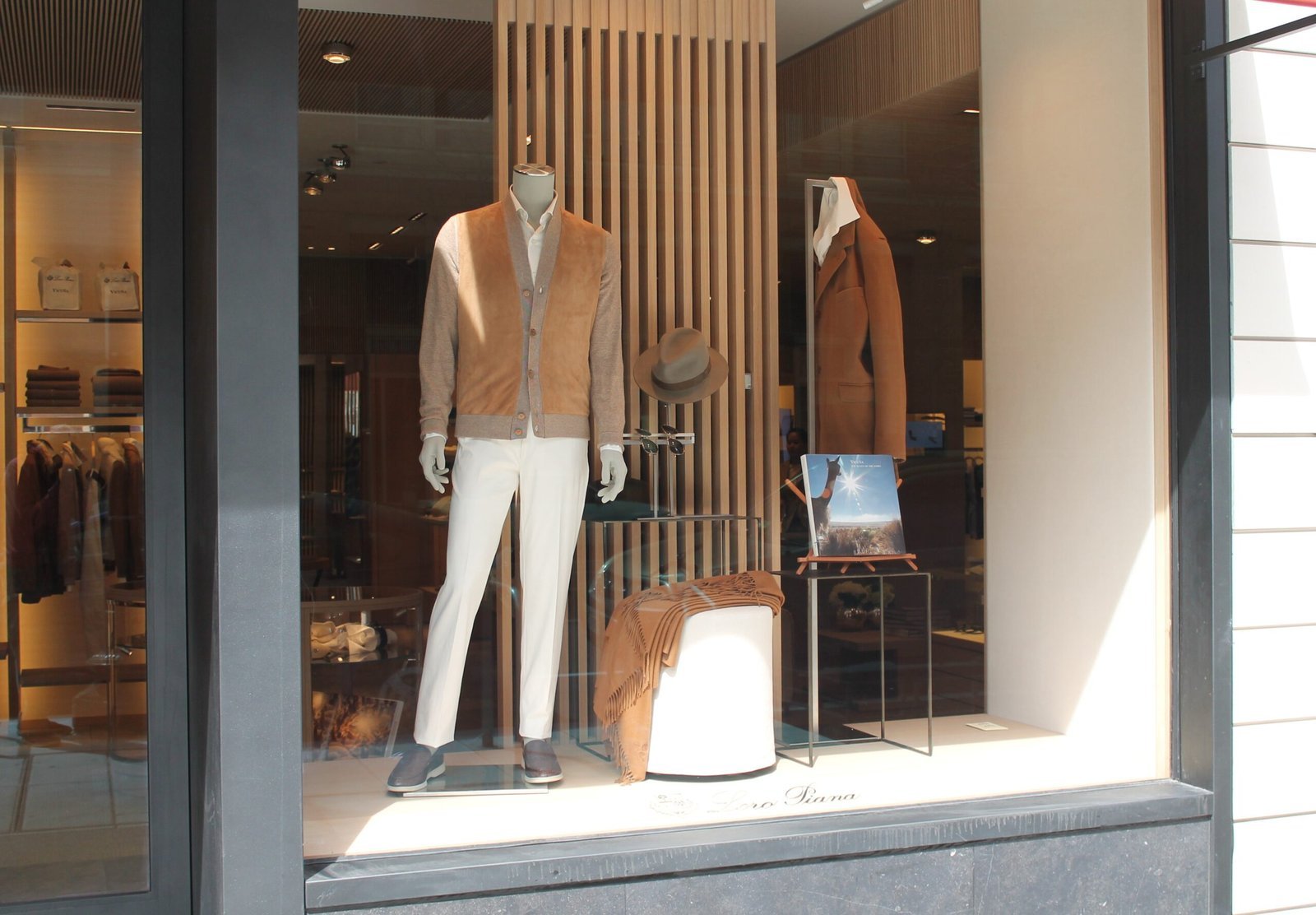
Here’s the through-line connecting all 10 brands on this list: they became so widely recognizable, so aggressively distributed, or so logo-forward that the act of wearing them became a signal of aspiration rather than actual financial security. Quiet luxury is characterized by understated design, high-quality materials, and timeless styling, while avoiding conspicuous logos, flashy elements, or other overt markers of economic status. The aesthetic emphasizes muted colours, craftsmanship, and refined materials, expressing luxury through subtle sophistication rather than overt branding or displays of wealth.
Fifty million luxury consumers exited the market between 2022 and 2024, according to a report from Bain and Company. That is not a minor footnote. It is a seismic cultural shift, and it is reshaping who wears what and, more importantly, why. As Bain and Company’s 2024 luxury market report noted, “savvy affluents are prioritizing longevity and craftsmanship over conspicuous consumption.”
The secret millionaire at the coffee shop next to you probably isn’t wearing a logo you’d recognize. Their shirt fits perfectly, the fabric looks quietly expensive, and you couldn’t name the brand if you tried. That, in 2026, is the whole point. Money screams, wealth whispers – and sometimes, it doesn’t say a word at all. What brand do you think belongs on this list that we missed? Tell us in the comments.