
When a little mold isn’t the end of the world, but bad meat always is.
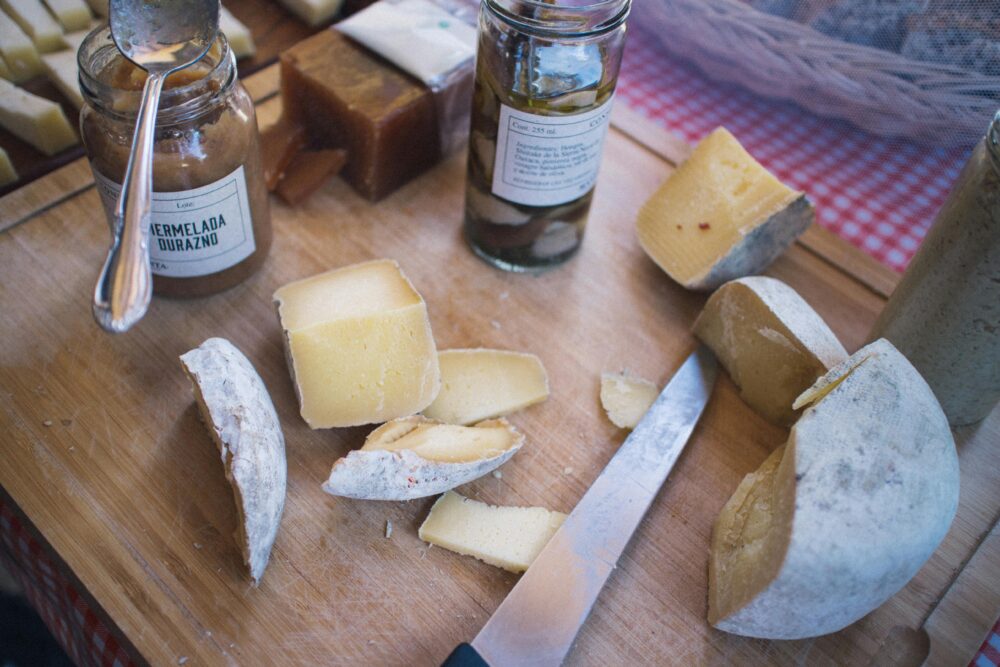
It’s strange how something as simple as spotting fuzz on cheese can trigger panic, while a faint odor from meat often gets brushed off. Food safety lives in that gray area between what looks gross and what’s actually dangerous—and most of us guess wrong.
Some foods have built-in defenses that let them survive minor spoilage, but meat is never one of them. We all hate food waste so knowing which is which could save your stomach and your grocery bill.
1. Hard cheeses can handle a little mold.
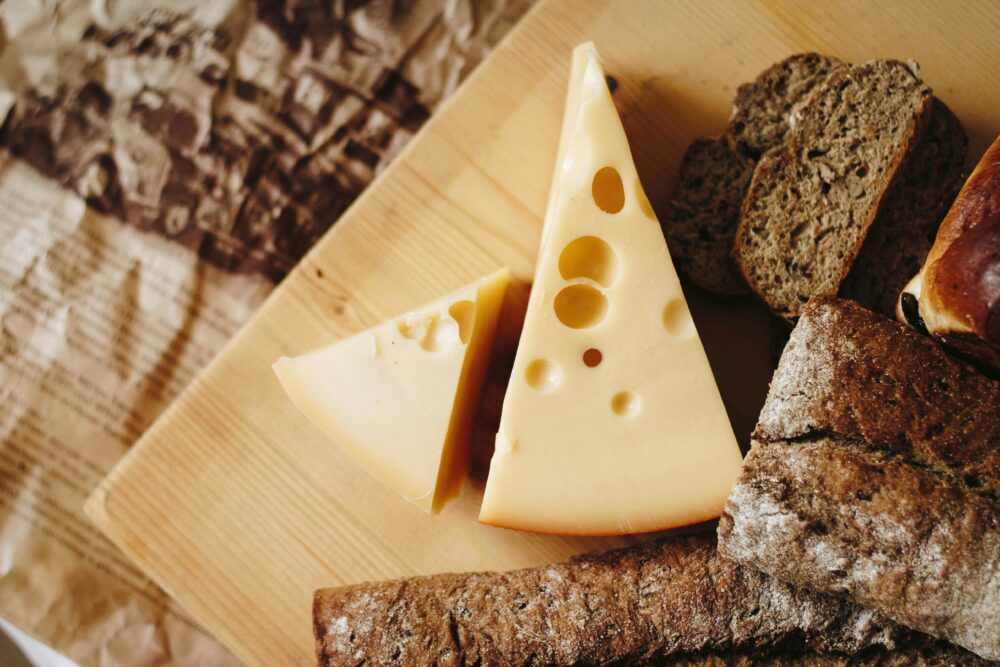
When mold shows up on cheddar, parmesan, or gouda, it’s usually just on the surface. You can cut away about an inch around the moldy spot, making sure your knife doesn’t touch the contaminated area, and still enjoy the rest. Hard cheeses have low moisture, so mold struggles to spread deep inside.
It’s different from soft cheeses, where mold penetrates quickly. If the rest of the cheese looks and smells fine, trimming off the visible mold is enough. Think of it as pruning rather than tossing. But always trust your senses—if the smell turns sour or the texture feels slimy, no amount of trimming will make it safe again.
2. Soft cheeses are never worth the risk.

Brie, camembert, and cottage cheese invite bacteria the moment mold appears. Their creamy texture gives microorganisms a perfect playground to multiply. Even if you scrape the surface, spores have already traveled throughout.
Store-bought soft cheeses that grow mold (unless intentionally aged) should go straight in the trash. It’s not just about taste—it’s about invisible pathogens that can cause serious illness. A good rule: if it spreads easily, so can bacteria. You might be throwing out a few dollars’ worth of cheese, but that’s cheaper than a trip to urgent care.
3. Blue cheeses are naturally moldy—and perfectly fine.
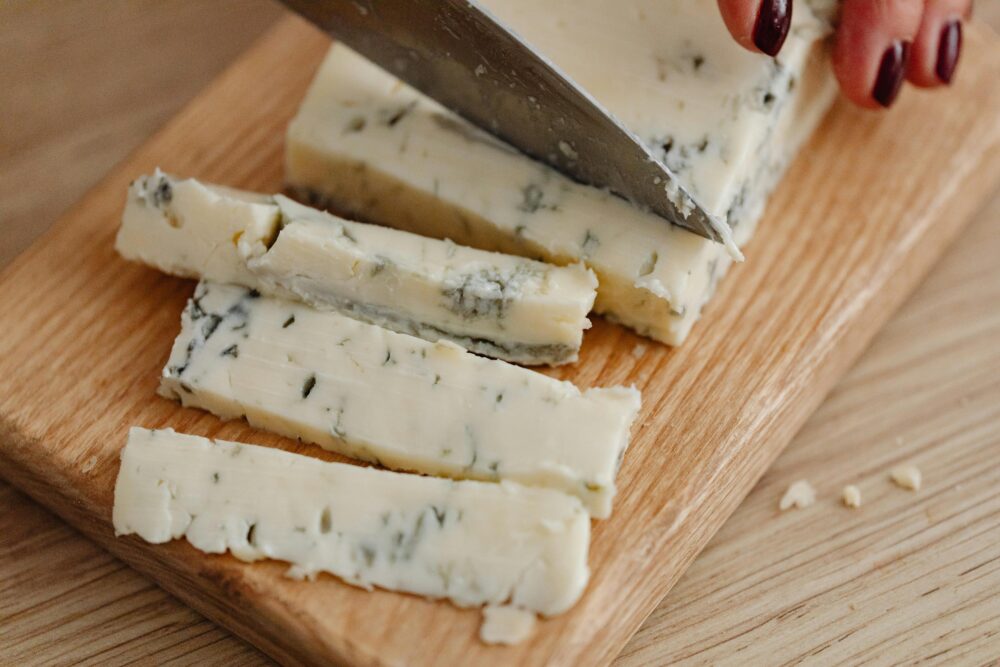
Roquefort and gorgonzola might look like they belong in the trash, but that veined mold was carefully cultivated. These specific molds are food-safe and add flavor, not danger. They’re part of the cheese’s identity.
However, if a blue cheese develops fuzzy white or pink mold not typical of its pattern, that’s spoilage. You can still appreciate blue cheese safely by storing it tightly wrapped to prevent unwanted molds from joining the party. Enjoying them means knowing the difference between deliberate aging and accidental decay.
4. Shredded cheese spoils faster than blocks.
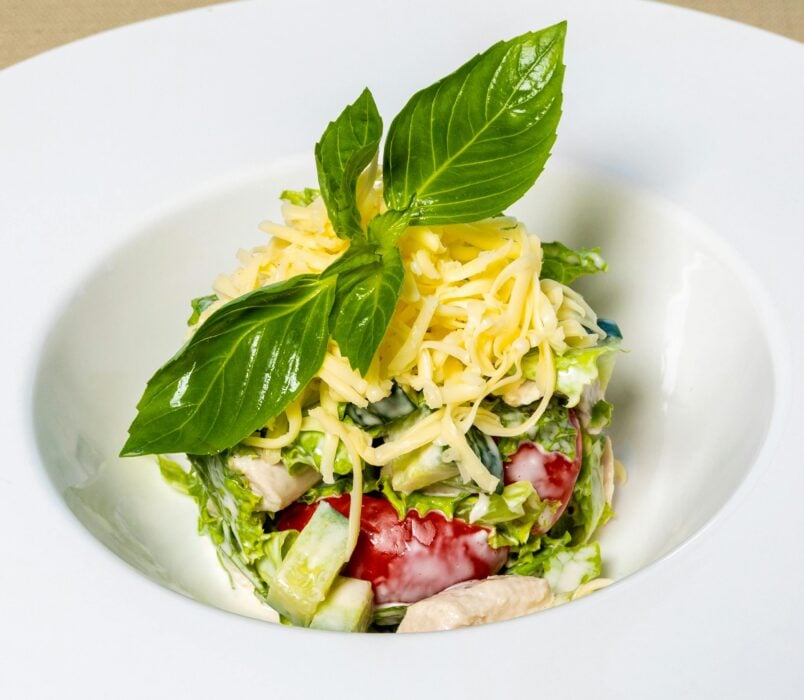
Once cheese is shredded, every tiny piece becomes an open invitation for mold. The surface area multiplies, and even a little moisture trapped in the bag can speed up contamination. Mold threads spread invisibly, so once you see spots, the whole bag’s a goner.
Buying smaller amounts and freezing half helps you avoid waste. Grated cheese just doesn’t have the same defense as a solid wedge. The convenience is nice—but when it turns, it turns everywhere at once.
5. Mold inside vacuum-sealed cheese means goodbye.

When sealed cheese grows mold, it means spores were trapped before packaging or air leaked in. That environment becomes a breeding ground where mold and bacteria thrive unchecked. Even if it looks contained, you can’t know what’s lurking beneath the surface.
It’s tempting to peel off a corner and salvage the rest, but that’s risky. Unlike surface mold on a hard wedge, mold in a sealed block suggests contamination throughout. If air got in once, bacteria did too.
6. Deli meats go downhill shockingly fast.

Even sealed packages of sliced turkey or ham have a short shelf life. Once opened, bacteria from the air or your hands take over quickly. If the edges feel slimy or the color fades, don’t even think about salvaging it.
The preservatives help delay spoilage, not prevent it. Storing them in airtight containers and using them within three to five days is your best bet. After that, it’s not a snack—it’s a science experiment waiting to happen.
7. Dry-cured meats are the rare exception.

Salami, prosciutto, and pepperoni owe their long lives to salt, air, and time. Their low moisture and high sodium create an environment most bacteria can’t handle. If you see a little white mold on the casing, it’s usually harmless and can be wiped off with vinegar.
That said, green, black, or fuzzy molds mean trouble. The line between cured and spoiled can be thin, so always store these in cool, dry places and wrap them tightly. Trust preservation, not neglect, to keep them safe.
8. Cheese rinds often grow harmless surface molds.
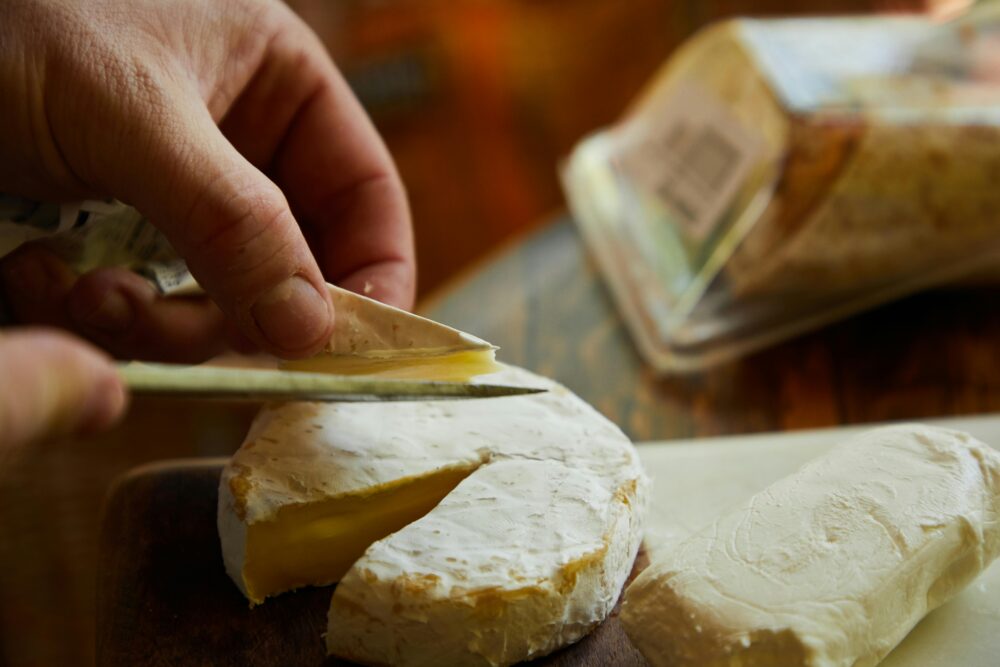
Certain aged cheeses develop natural rinds as they mature. These outer layers might look scary—white, gray, or even mottled—but they’re part of the process. You can eat the rind if it tastes pleasant, or just cut it off before serving.
Industrial cheeses sometimes mimic this look but without the natural protection. If you’re unsure, skip the rind. Artisan cheese rinds are edible art; supermarket rinds, not so much. The trick is recognizing intentional aging versus accidental spoilage.
9. The sniff test works better for cheese than meat.

Aged cheeses often smell funky by design. That earthy, nutty, or pungent scent doesn’t mean they’re bad. But meat with any sour, ammonia-like, or sulfur odor means it’s already dangerous.
Your nose can help, but context matters. Cheese develops complex aromas; meat doesn’t. If a cheese’s scent matches its type and there’s no sliminess, it’s safe. Meat, however, should smell clean or neutral—anything else signals it’s past the point of redemption.