
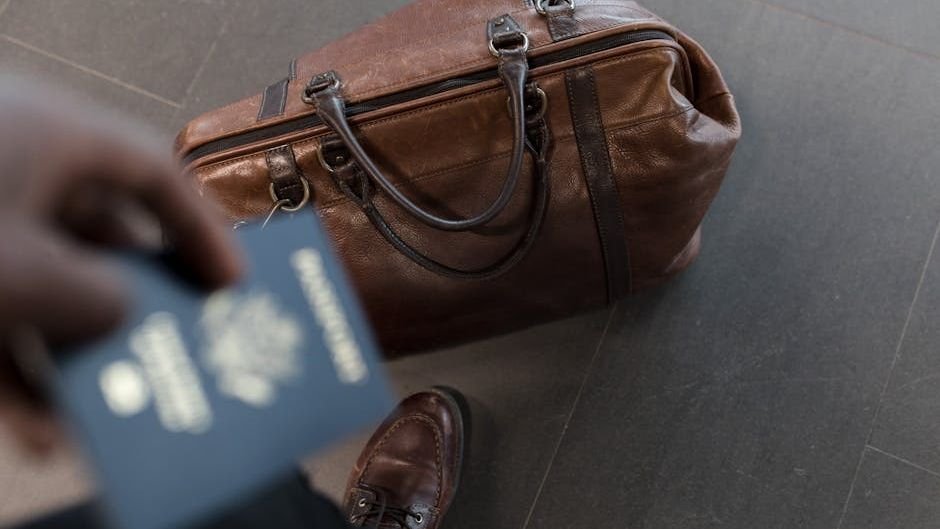
You haven’t said a single word yet. You’re just standing in the check-in line, maybe scrolling your phone, maybe staring blankly at the departure board. It doesn’t matter. Your luggage already spoke for you.
It told the gate agent whether you fly twice a year or twice a week. It told the couple behind you whether you booked basic economy or business class. It even told the baggage handler, who has seen literally every type of bag imaginable, whether he should handle yours with a little extra care or just toss it in.
Honestly, most of us never think about this. We buy a bag, we pack our things, and we go. But the luggage world is a surprisingly rich ecosystem of social signals. Here are ten things your travel bag quietly communicates about your financial life before you ever board the plane. Let’s dive in.
1. The Brand Name on the Shell
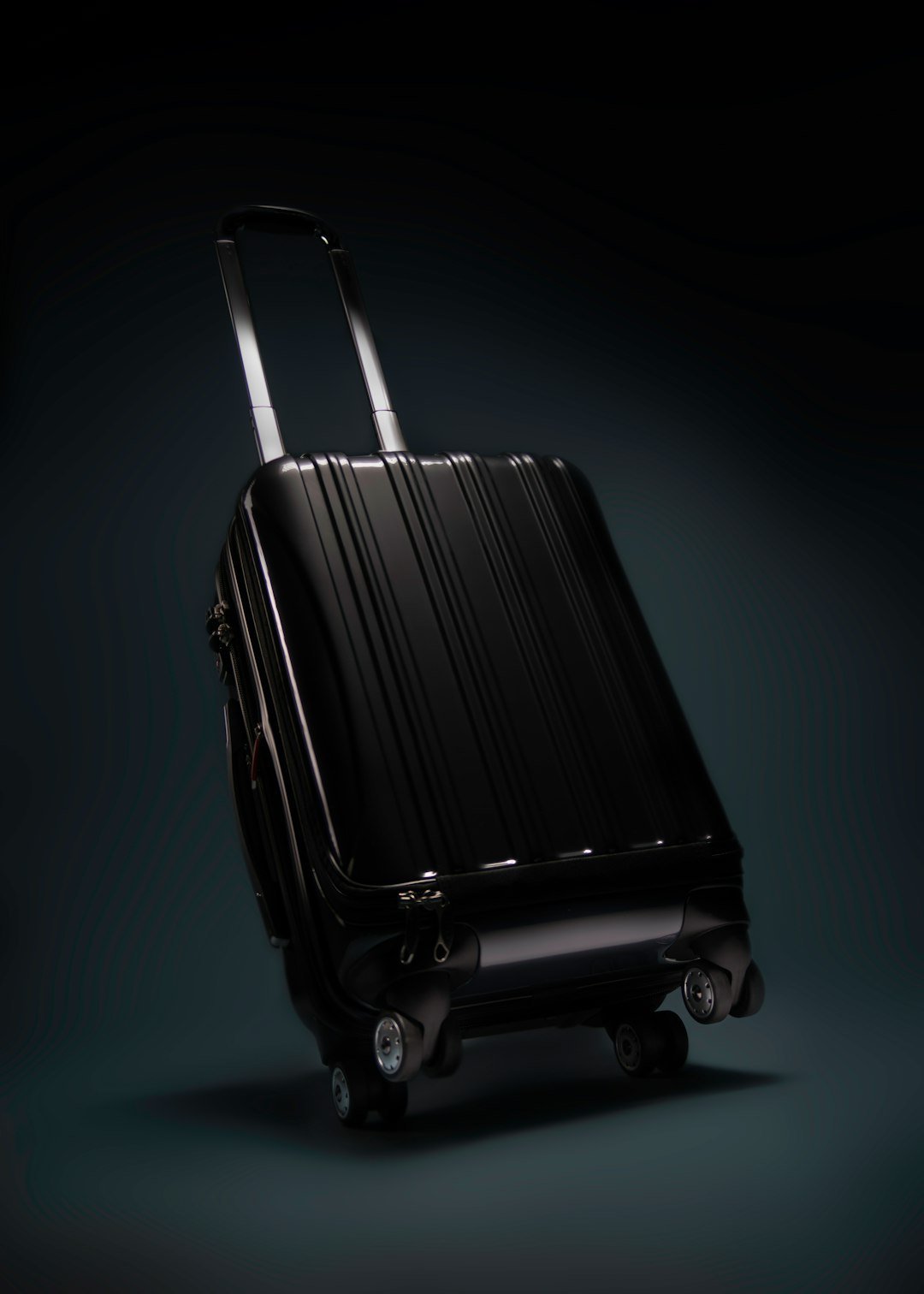
Let’s start with the most obvious one first. When a frequent business traveler walks up to check-in with a Tumi or a Rimowa, they are communicating a very specific thing. Rimowa was crowned 2024’s most popular luxury luggage brand, and its hard-shell aluminum suitcases with parallel grooves have become a true status symbol in airports worldwide. That single visual cue, the ribbed aluminum shell, hits before you even make eye contact with the person carrying it.
Today you can get your hands on Away’s flagship hardside carry-on for around $275, while a similar bag from Rimowa costs $700 and Tumi’s runs $750. Those price differences are not subtle. They speak directly to discretionary spending habits and, by extension, income brackets. The gap between a rolling bag picked up on clearance and a Rimowa Original is roughly the same as the gap between a connecting flight in the middle seat and a lie-flat bed.
2. Hard-Shell vs. Soft-Sided Construction
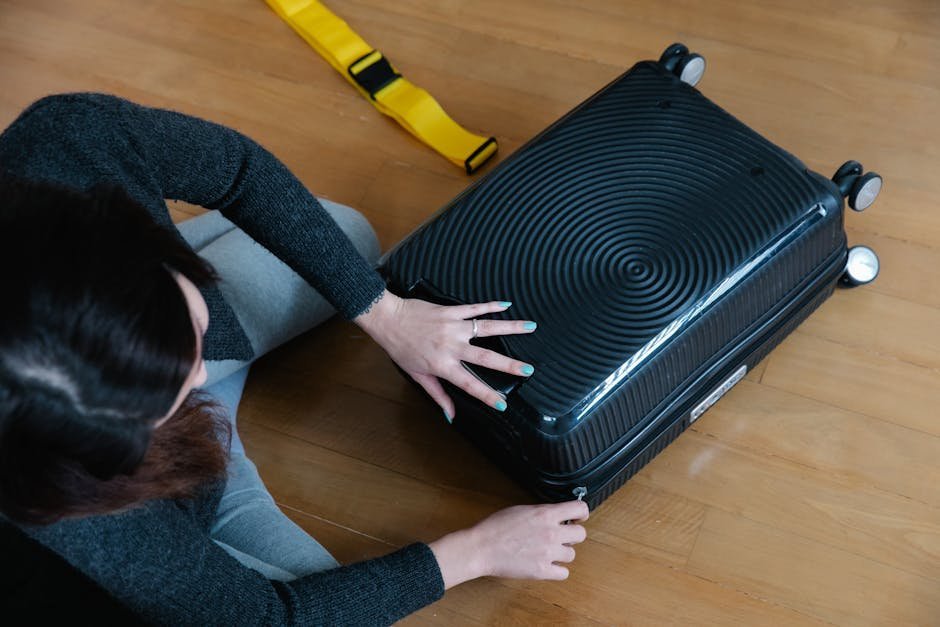
The hard-shell segment held the largest share of the trolley bag market at over 72% in 2024. The strong and durable polycarbonate used to make hard-shell suitcases functions as an outer layer of protection, and this material is resistant to damage from rough luggage handling. Hard-shell bags aren’t just a style preference. They protect expensive contents and they tend to cost more up front, signaling that the owner both travels frequently and carries things worth protecting.
Soft-sided luggage is typically made from materials like nylon or polyester, which offer more flexibility. This allows travelers to fit more items or expand the bag to accommodate last-minute packing, making them ideal for trips that require additional storage capacity. Soft bags are practical and often more affordable, which explains their popularity among budget travelers. Neither choice is inherently wrong, but at the airport, hard-shell polycarbonate reads as deliberate investment while a floppy nylon duffel reads as spontaneous or cost-conscious.
3. The Price Point of Premium Luggage Brands
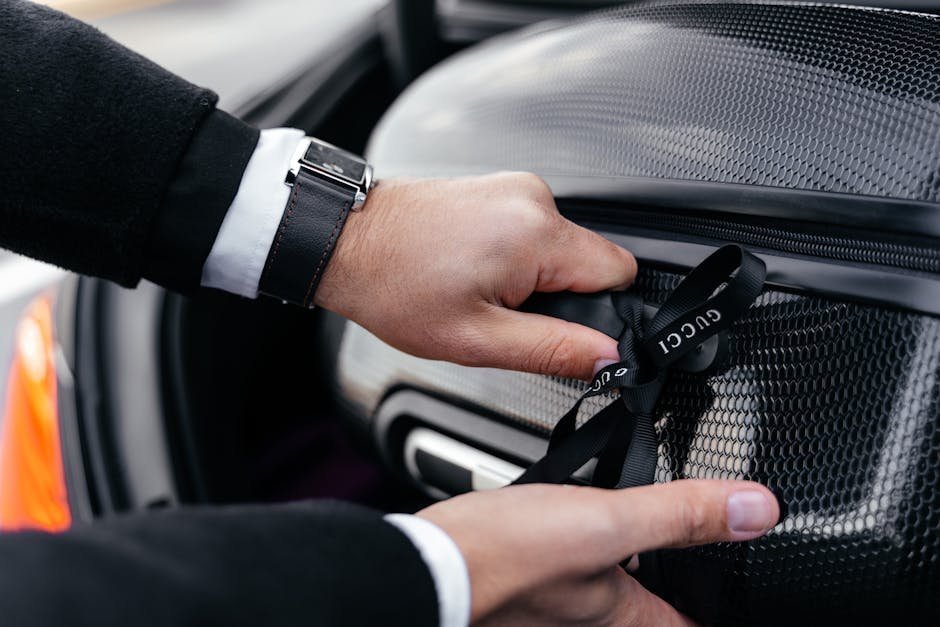
Rimowa and Tumi luggage suitcases often range from $650 to $4,500. Most travelers will spend over $1,000 with either brand. Think about that for a second. That is more than many people spend on rent in a month. Spending that kind of money on a container to move clothes around is a deeply specific financial behavior, and it says everything about disposable income and spending priorities.
For the average consumer, Rimowa offerings boast a hefty price tag, with a standard luggage item starting at $900 and upward. Brand loyalists, on the other hand, perceive Rimowa as an investment purchase, complete with a lifetime guarantee of repairs. Here’s the thing: owning something that comes with a lifetime repair guarantee is itself a luxury. Most budget shoppers are calculating whether to fix or replace. High earners calculate whether to repair or upgrade.
4. Louis Vuitton and the Ultra-Luxury Tier
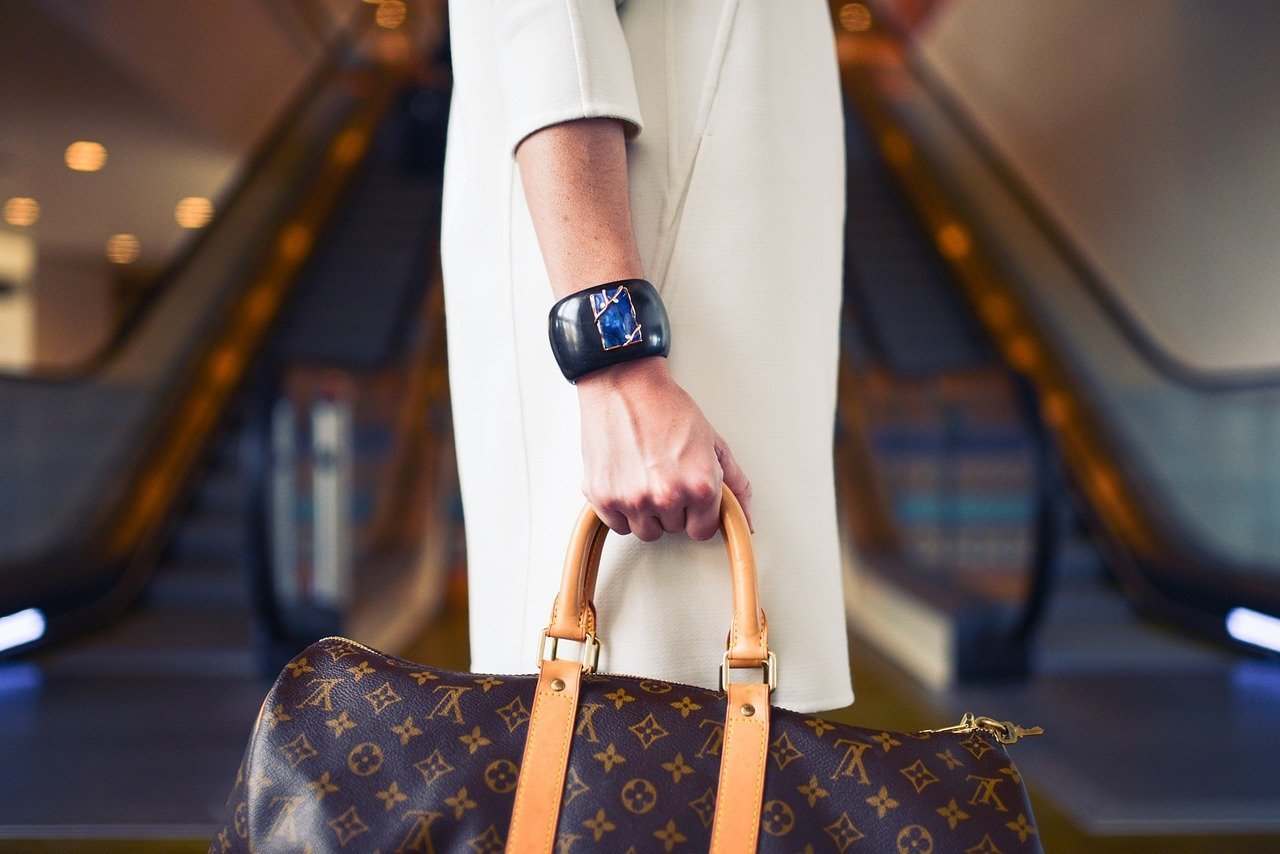
Louis Vuitton led the global luggage and bags market with a market share of 6%, reflecting its strong brand recognition and premium positioning. Chanel followed with a 4% share, underscoring its luxury appeal and established market presence. That combined 10% chunk at the very top of the market represents a tiny sliver of the traveling population. Yet their bags dominate the visual landscape of premium airport lounges disproportionately.
Louis Vuitton’s Horizon 50 is a statement piece designed for travelers who value both luxury and performance, and the suitcase features Louis Vuitton’s iconic Monogram Eclipse canvas, making it immediately recognizable. Recognition is exactly the point. These bags are designed to be seen. Globe-Trotter and Louis Vuitton operate at artisan and haute-luxe levels, often exceeding $2,000 for carry-on formats. That is a carry-on. Not a full set. One carry-on.
5. Smart Technology Built Into the Bag
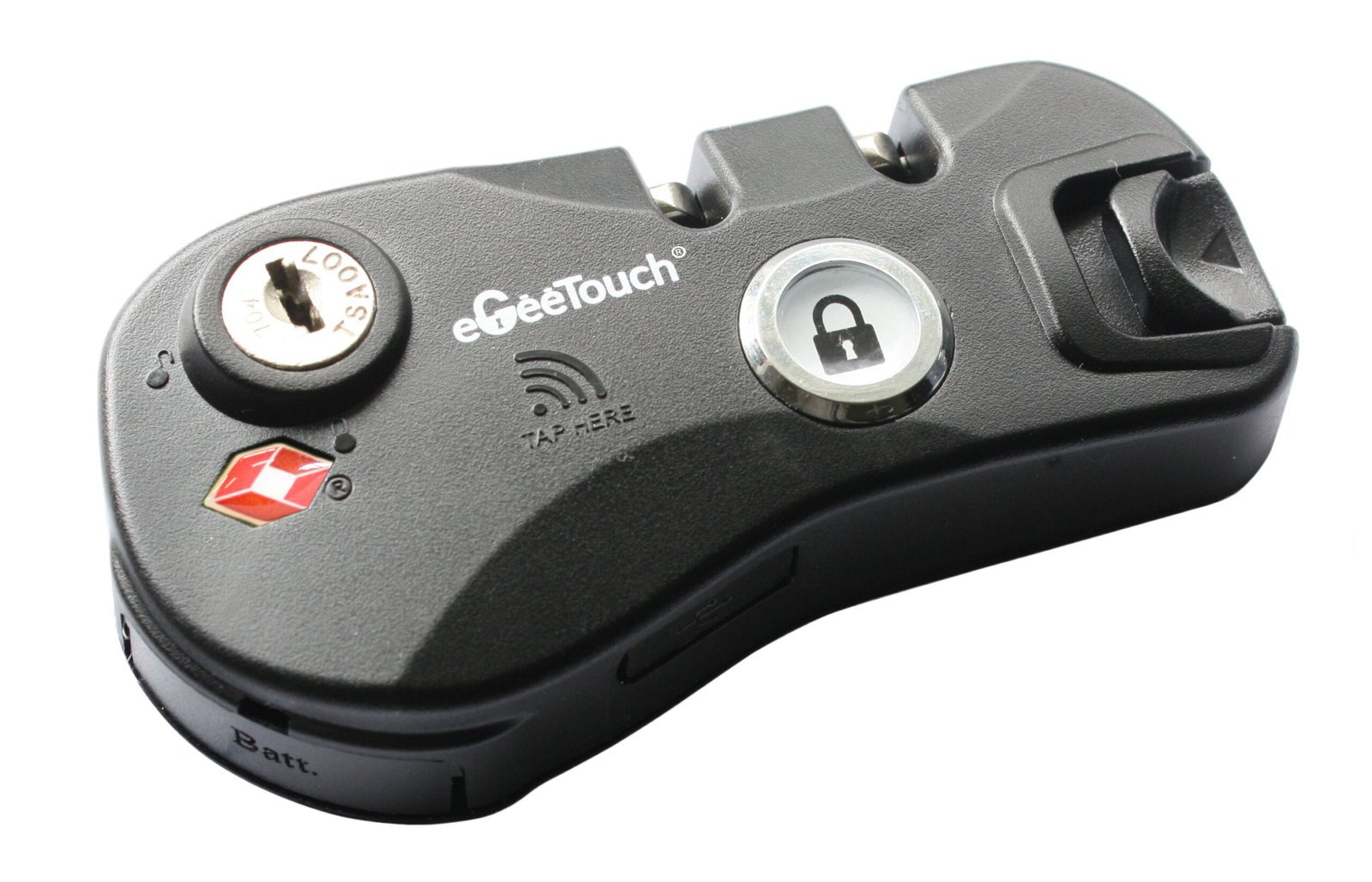
The market is experiencing increased demand for premium luggage products featuring technological advancements such as GPS tracking, USB charging, digital locks, and smart weight sensors. A bag with a built-in GPS tracker and biometric lock isn’t something you pick up at the airport gift shop. It communicates that the person carrying it travels enough for these features to justify their cost, and probably earns enough to consider them necessities rather than novelties.
The smart bag has transformed the travel business by incorporating technology into classic luggage designs. Smart baggage generally contains built-in GPS tracking, remote locking systems, USB charging outlets, and integrated scales. A built-in scale alone reveals something quietly telling: this person has been caught over the weight limit before, or they pack enough to worry about it consistently. Either way, that implies serious travel frequency, which usually implies a serious income.
6. The Number of Bags in the Set
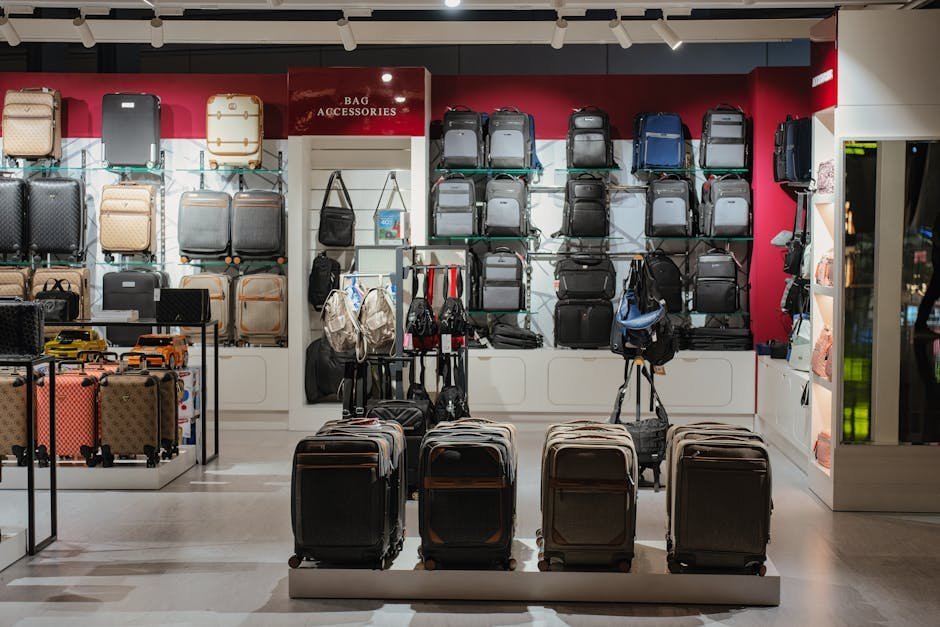
One beat-up roller and a backpack is one story. A matching four-piece set in brushed aluminum, rolling through an airport in coordinated formation, is a completely different one. Higher income levels among consumers lead to greater spending on luxury luggage brands that symbolize status, quality craftsmanship, and exclusivity. Buying a full matched set is rarely about necessity. It’s about completeness. It signals that the buyer thinks ahead, invests in quality, and likely travels frequently enough to use multiple sizes.
The market for luxury luggage meets the needs of wealthy consumers looking for smart, fashionable, and strong travel accessories. Luxury luggage uses top materials, experienced makers, and unique designs for both style and functionality. Honestly, most people traveling once a year to a beach resort don’t need a matching set of anything. The full set is a signal that says, “This is a lifestyle, not an event.”
7. Carry-On Only vs. Checking Bags
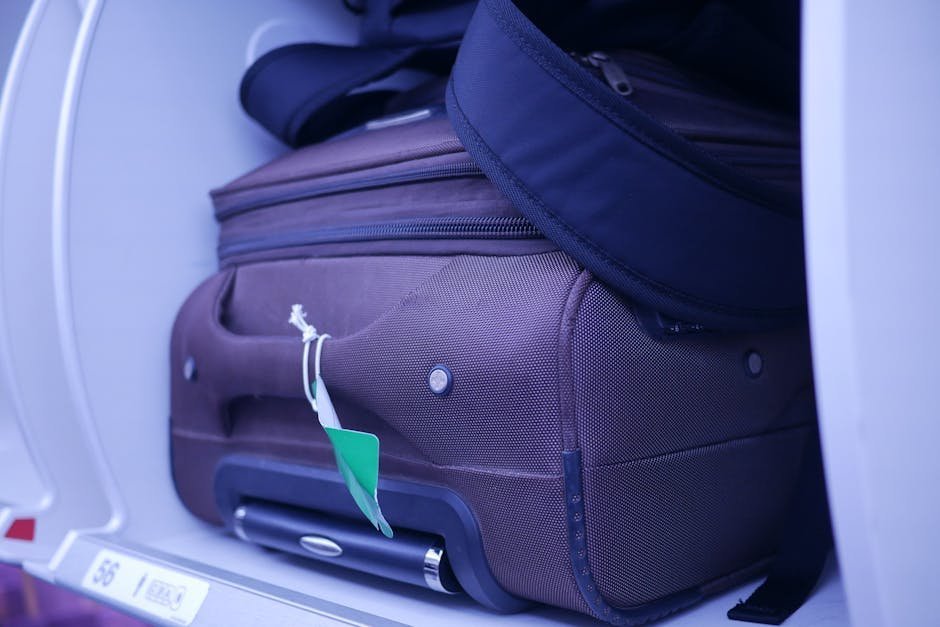
Roughly 55% of travelers check some or all of their luggage while flying, according to a survey from Go Group LLC. The carry-on-only traveler is often a very specific archetype. They know the rules, they’ve optimized their packing, and they’re treating time like the limited resource it is. Waiting at a baggage carousel for 25 minutes is, for high-income frequent travelers, an unacceptable use of a billable hour.
Airlines allow overweight bags up to 70 pounds, but you may have to pay extra for heavier baggage unless you’re flying in a premium cabin or have elite status. United, for example, allows passengers flying in business class, first class, or Polaris, or elite members in any cabin, to bring a bag that weighs up to 70 pounds for free. So here’s the subtle tell: the passenger who confidently checks an oversized bag without flinching at the fee is either very wealthy, very status-heavy on their preferred airline, or both.
8. Personalization, Monogramming, and Limited Editions
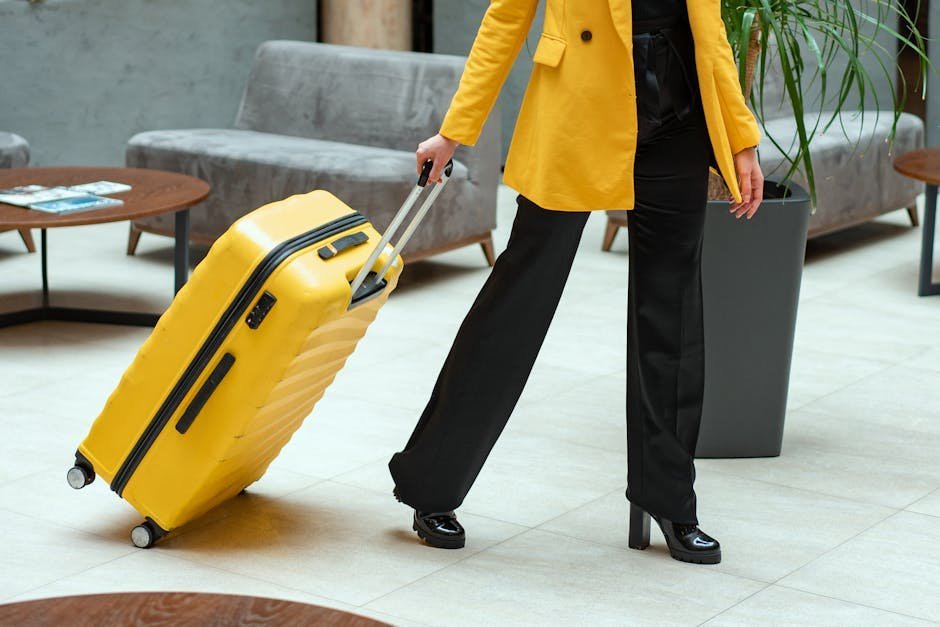
High-end luggage pieces could have cutting-edge features like built-in charging ports or GPS monitoring, as well as opulent additions like personalized decorations or monogramming. A monogrammed bag is a quiet power move. It says: “This bag is mine and nobody else’s,” but also, more subtly, “I paid extra to make it so.” That extra step of personalization, whether it’s gold-embossed initials on leather or a custom colorway from a brand’s bespoke division, communicates a spending threshold that most travelers never reach.
Rimowa frequently collaborates with designers and artists to release limited editions, like the Off-White or Supreme collabs, giving the brand major clout in the fashion world. A limited-edition collaboration piece on the luggage carousel isn’t just a flex, it’s a timestamp. It says the owner was paying attention, was willing to spend up, and cared enough to acquire something most people couldn’t. I think this one is the most underrated status signal of them all.
9. The Bag Color and How It Identifies You
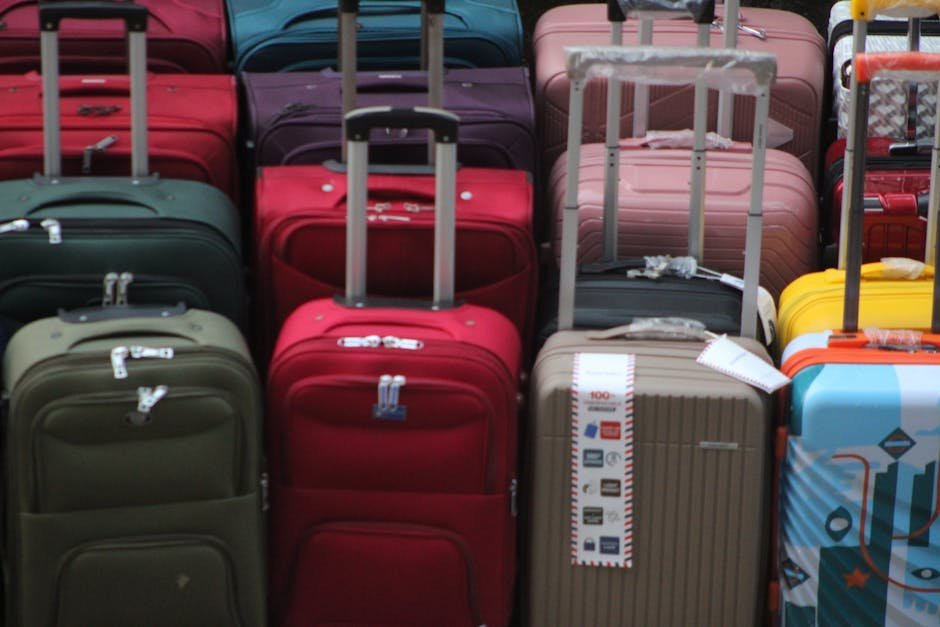
Europe’s prominent low-cost carrier Ryanair recently issued a public advisory specifically targeting passengers who travel with dark-colored baggage, highlighting a striking statistic: approximately 99.9% of travelers choose black, navy blue, or gray suitcases, creating massive identification challenges. The overwhelming sea of black bags at any carousel is a phenomenon that quietly says something about the travelers who chose them. Blending in is, often, an unconscious default of the budget or infrequent traveler.
A distinctively styled bag that stands apart from the crowd serves a dual purpose. It is easier for staff to identify and track, which can create a more seamless, positive interaction at check-in. Travelers can implement several cost-effective strategies to make their baggage instantly recognizable without sacrificing professional appearance. A bold color, a unique hard-shell design, or a recognizable brand logo all achieve this, and they quietly signal confidence and intentionality in how you travel. The traveler in the pastel Rimowa or the fire-engine-red Hartmann isn’t worried about blending in. That’s a specific kind of confidence.
10. The Condition and Age of the Bag
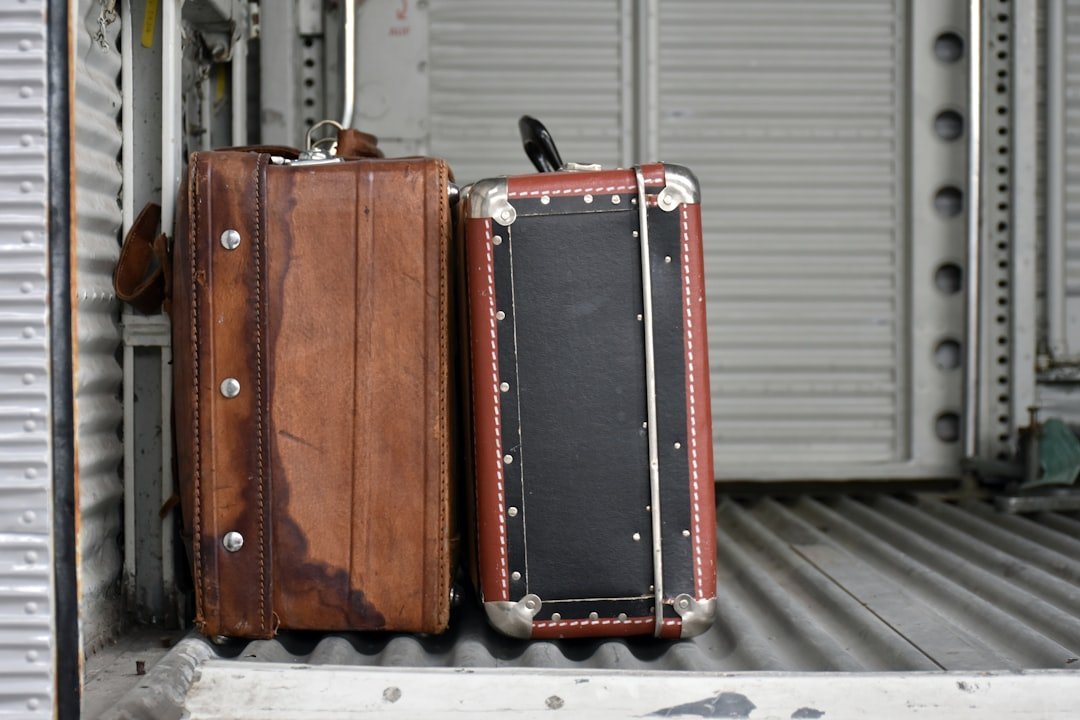
A bag’s wear patterns reveal its history in a way no price tag can fake. Fresh scuffs on a polycarbonate shell mean frequent use. Deep gouges on an aluminum case mean this bag has been around the world more than once. Rimowa aluminum cases are built like tanks. The aluminum exterior can take a beating, and while it does show scratches and dents over time, many travelers see this as adding character, a badge of honor from your travels.
The wealthy traveler’s worn bag tells a story of intentional, accumulated mileage. The budget traveler’s worn bag often tells a story of a bag that wasn’t built to last and is now showing it. Luxury travel goods companies are focusing on smart technology, environmentally conscious designs, and personalization in 2025. Quiet luxury has encouraged people to look for elegant items instead of showing off expensive brands, so leather suitcases are becoming more popular. The trend toward “quiet luxury” means some of the wealthiest travelers are deliberately moving away from logo-heavy statements. A beautiful, worn, unbranded leather bag might signal the very highest bracket of all.
A Final Thought Before You Zip Up
The global luggage market tells the broader story clearly enough. The luxury luggage market was valued at USD 11.34 billion in 2024 and is projected to reach USD 14.51 billion by 2032. That’s a market growing steadily, fed by a world that travels more and earns more, in select pockets at least. The signals encoded in luggage are not accidental. They are the product of decades of deliberate brand-building designed to make certain bags recognizable from fifty feet away.
None of this means you need to sprint to the nearest Rimowa boutique to prove a point. It means that traveling with intention, and choosing bags thoughtfully, puts you in control of the story your luggage tells before you ever open your mouth at the gate. What would you rather your bag say about you?