

Think about the last time you stood in front of a full wardrobe and still felt like you had nothing to wear. Now imagine being worth billions of dollars, with a closet that could rival a department store, and choosing deliberately to wear the exact same outfit every single day. Sounds strange, right? Or maybe even lazy?
Here’s the thing. Some of the most powerful minds in modern business have made this their default strategy, not by accident, not out of neglect, but with sharp intention. Steve Jobs and his black turtleneck. Mark Zuckerberg and his gray t-shirt. Barack Obama and his rotation of two suit colors. The pattern is impossible to ignore once you see it.
What’s actually going on here runs much deeper than fashion minimalism. It’s a philosophy. A system. And honestly, it might be one of the most underrated productivity secrets in plain sight. Let’s dive in.
1. They Understand the True Cost of Decision Fatigue

The concept of decision fatigue, coined by psychologist Roy F. Baumeister, sheds light on why the choice of clothing matters more than it seems. Essentially, as we make more decisions, our ability to make good ones steadily diminishes. Think of your mental energy like a phone battery. Every small choice you make in the morning is already chipping away at that charge before the real work even begins.
It is estimated that an American adult makes roughly 35,000 decisions a day. Try to consider the number of decisions you make each day, from picking which outfit to put on to choosing what to eat for lunch to making important business decisions at work. Most of those choices feel trivial. But they add up into a surprisingly heavy mental load.
Decision fatigue is built on the idea that you are capable of making a limited amount of good decisions each day, and that the more decisions you make throughout the day, the worse you become at making them. High performers know this, which is exactly why eliminating wardrobe decisions is the first domino they choose to knock down each morning.
2. It’s a System Built for Peak Cognitive Performance

Psychologist Barry Schwartz, in his famous TED talk on the “paradox of choice,” explains how every decision, no matter how small, uses up mental energy. According to Schwartz, the average person makes between 10,000 and 40,000 decisions each day, and the cumulative effect can be exhausting. For those like Jobs, Zuckerberg, and Obama, minimizing the daily clothing decision is just one of many ways to preserve energy for more critical decisions.
Founders make decisions across product, hiring, operations, fundraising, marketing, and crisis management, often within the same day. Unlike large corporations, there are fewer buffers. Reducing low-value decisions becomes a strategic act. Wearing a daily uniform is essentially an act of aggressive prioritization.
The idea is simple: to preserve brain space for the big calls, cut back on the less significant ones, because the collective weight of your choices, layered over and over each other, creates what psychologists call decision fatigue. That’s the “deteriorating quality of decisions made by an individual after a long session of decision-making.” The outfit isn’t a quirk. It’s a performance tool.
3. The Brain Science Behind It Is Surprisingly Compelling

A study published in the Proceedings of the National Academy of Sciences found that after making numerous decisions throughout the day, participants were less likely to make smart, thoughtful choices. Brain scans revealed reduced activity in the prefrontal cortex, the area of the brain responsible for decision-making. This suggests that when we’re faced with a series of choices, our ability to make clear, rational decisions diminishes.
In 2011, researchers published a study in the Proceedings of the National Academy of Sciences that found Israeli judges paroled prisoners who appeared early in the morning about 65 percent of the time, while those with late-session appointments were paroled nearly zero percent of the time. After a meal break, the probability jumped back to about 65 percent before resuming its decline. Even seasoned legal professionals are not immune. The brain gets tired.
Consequently, when required to make important decisions, our brain under decision fatigue will either take the “easiest way out” by making poor decisions, such as impulsive purchases, or simply procrastinate. For leaders who are paid to make million-dollar calls, that’s not a risk worth taking over a t-shirt.
4. It Builds an Instantly Recognizable Personal Brand
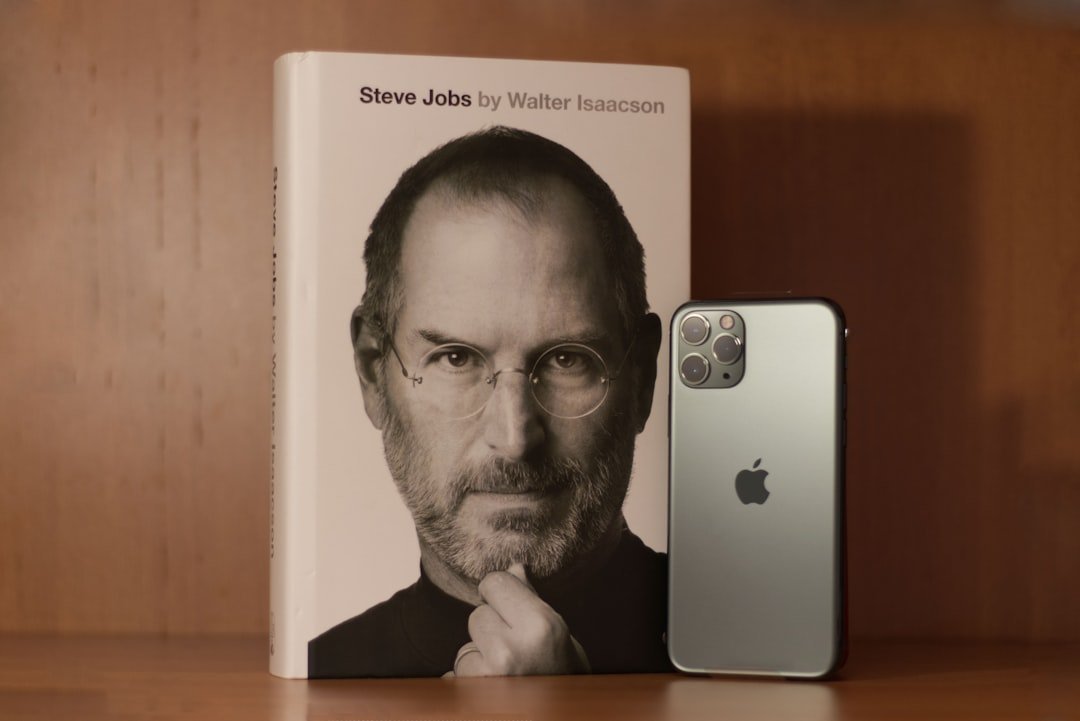
Steve Jobs famously wore the same black turtleneck, blue jeans, and New Balance sneakers every day. This quickly became his signature look as well as a part of the overall brand of Apple. A uniform eventually stops being about the wearer and starts being about what they stand for.
Have you ever wondered why some of the world’s most successful figures seem to wear the same outfit day after day? From Steve Jobs’ iconic black turtleneck to Zuckerberg’s ever-present gray hoodie, these repeated wardrobe choices are more than just personal style. They have a fascinating scientific explanation rooted in psychology and decision-making. The repetition creates a kind of visual shorthand for who you are and what you value.
Consistency in appearance or routine signals focus and stability. For startup founders, it often communicates a product-first mindset rather than lifestyle signalling. In a world drowning in noise and personal branding tactics, quiet consistency can be the loudest statement of all.
5. It Sends a Message About What Actually Matters
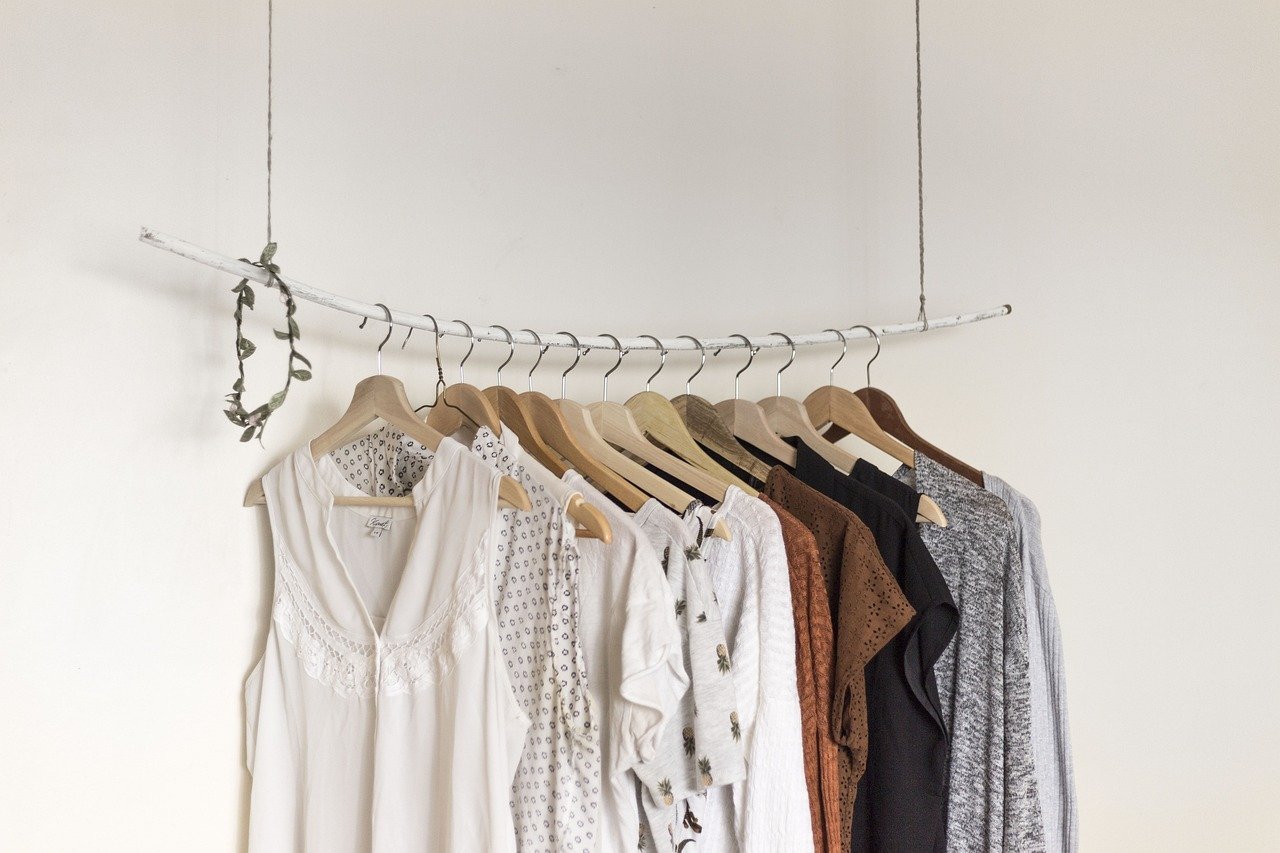
Mark Zuckerberg famously wears the same grey t-shirt to work every day, stating he doesn’t want to waste his energy on “things that are silly or frivolous.” He believes that by cutting down unnecessary choices, he can maximize personal efficiency. That’s not someone who doesn’t care about their work. That’s someone who cares about it so much that they’re protecting it from interference.
Jobs famously wore the same black turtleneck, blue jeans, and New Balance sneakers every day. This wasn’t a fashion choice. It was a systems choice. I think that distinction is everything. It’s the difference between passivity and intentional architecture of your own day.
When small, low-stakes choices disappear, attention shifts to the work that truly matters. Innovation, hiring judgment, product strategy, and long-term thinking require cognitive space. Fewer minor decisions mean more clarity for complex ones. That’s the entire philosophy distilled into three sentences.
6. It Reduces Morning Stress and Starts the Day With Clarity

Matilda Kahl, an art director in New York, cites both decision fatigue and less time getting ready as her reason for wearing the same outfit every day. She adds another: less stress. Specifically, less stress during the day over the decision she originally made in the morning. We’ve all been there. Standing in front of a closet at 7am, already second-guessing ourselves before the day has even started.
Closets are full, yet mornings feel stressful. Money keeps leaving, yet there’s still a sense of “nothing to wear.” From a minimalist money perspective, this isn’t a fashion failure. It’s a systems failure. The wardrobe anxiety so many people experience is not about having too few clothes. It’s about having no clear system.
There’s just something about waking up and knowing this is completely under control that starts your day off right. That’s a deceptively simple insight. Starting every morning with a small, frictionless win creates momentum. Wealthy high-performers understand this intuitively, even if they never frame it in those exact words.
7. It Saves a Shocking Amount of Money Over Time

The average American family spends roughly $1,700 on clothes annually. Which may not seem like a lot until you consider that most clothing purchases are not based on need at all. In 1930, the average American woman owned nine outfits. Today, that figure is 30, one for every day of the month. That’s a striking escalation, driven largely by impulse and trend culture rather than genuine need.
Living with a capsule wardrobe or adopting an iconic uniform removes most of the waste and expense from trial-and-error clothing purchases, not to mention all the time wasted shopping for items only to return later. Think about how many pieces in your closet still have the tags on. Exactly.
After having fully adjusted to a capsule wardrobe, the benefits many people have realized are: more time because it’s more efficient, better decisions because it reduces stress, and because seldom buying new clothes means more money. That three-for-one exchange, more time, sharper thinking, and more savings, is an extraordinary return on simply owning less.
8. It Reflects a Deeper Commitment to Minimalist Thinking
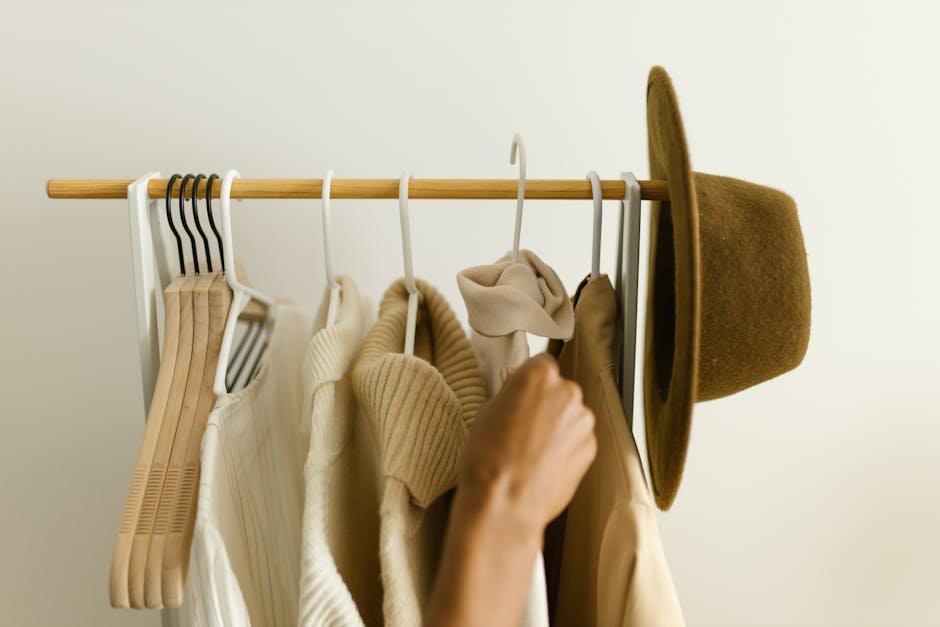
Successful and influential people must make big decisions in their lives. Such people have a plan for every second of their life, so they refuse to waste time. Minimalism, at its core, isn’t about deprivation. It’s about ruthless clarity about what deserves your attention and what doesn’t.
A minimalist wardrobe isn’t about wearing the same outfit every day or giving up personal style. It’s about creating a system that works for your life, your finances, and the planet, without constant spending or decision fatigue. Let’s be real though. For many high-net-worth individuals, the daily uniform is precisely that: the same outfit, same colors, same silhouette. Repeated without apology.
Capsule wardrobes are important because they simplify your life while elevating your style. By focusing on quality and versatile pieces, you save time choosing outfits, reduce clutter, and eliminate wasteful spending. They ensure you always look polished, no matter the occasion, without the stress of an overflowing closet. There’s something quietly powerful about a closet that actually works instead of just looking full.
9. It Signals Psychological Security and Inner Confidence

Uniform wearers usually aren’t uninterested in style. They’re uninterested in performance. Psychology calls this self-signaling: the cues you send yourself about who you are. It’s a subtle but critical distinction. Wearing the same thing daily isn’t an absence of identity. It’s a very deliberate expression of one.
A consistent outfit works like a personal crest. It reminds you of your lane before the world piles on requests. It’s also a quiet boundary against social comparison. When your look doesn’t swing with trends, you stop outsourcing self-esteem to the algorithm and start asking better questions. Honestly, that last part hits hard. Trends are, by definition, external forces. Following them is always an act of outsourcing your sense of self.
This is why uniforms often look underwhelming on a hanger and perfect in motion. They’re chosen for fit, feel, and function, not for a mirror moment. The irony is that you end up appearing more confident. That’s the paradox the fashion industry doesn’t want you to think too hard about.
10. Real Leaders Have Proven This Strategy Works at Scale
Major politicians and businessmen such as former United States President Barack Obama, Steve Jobs, and Mark Zuckerberg have been known to reduce their everyday clothing down to one or two outfits in order to limit the number of decisions they make in a day. This isn’t a fringe idea held by a handful of quirky tech founders. It’s a well-documented behavioral pattern among some of the most consequential decision-makers in recent history.
Other notable figures, like Mark Zuckerberg and former U.S. President Barack Obama, have followed similar paths. Zuckerberg is rarely seen without his trademark gray hoodie and jeans, while Obama once revealed that he limited his wardrobe choices to blue or gray suits to avoid wasting mental energy on what to wear. When the leader of the free world is strategically minimizing his closet options, it’s worth pausing to ask whether you should be doing the same.
For creative and business leaders like Jobs, Zuckerberg, and Einstein, wearing the same outfit every day was more than just a fashion statement. It was a strategy to ensure their focus remained on bigger goals and not on what to wear. That’s not a small thing. Focus is perhaps the rarest and most valuable resource in modern professional life, and these individuals chose to protect it from one of its most common, most overlooked thieves.
The next time you catch yourself staring at a closet full of clothes feeling overwhelmed, consider that the wealthiest and most productive people in the world already solved this problem for themselves, on purpose. The uniform of success isn’t glamorous. It’s not trendy. It’s not even particularly interesting to look at. That might be exactly the point.
What would you do with the extra mental energy? Something tells me you already know the answer.