

Every year, millions of people lose staggering sums of money to fraud. Not because they are careless or naive, but because scammers are frighteningly good at what they do. They know exactly which words trigger fear, excitement, or trust in the human brain.
The scary part? Most of these tricks follow a predictable script. Once you know that script, you can spot it a mile away. Let’s dive in.
1. “Can You Hear Me?”

It sounds completely harmless. Someone calls, asks if you can hear them, and your instinct is to say “yes.” That split-second response could be all a scammer needs. The so-called “Can you hear me?” phone scam involves a recorded voice asking precisely that question, designed to trick victims into responding “yes” while the caller records the response.
Scammers use this tactic to exploit psychological pressure. The caller is counting on a natural human response to emotional hijacking, where the part of the brain involved with emotional processing overrides logical decision-making. That single recorded “yes” can then potentially be replayed to authorize charges or bypass account verifications.
Scammers sometimes use variations of “Can you hear me?” to convince victims the connection is bad, leading them to repeat “yes” multiple times. This gives the scammer additional voice samples that can be used to access important accounts. When you get a call like this from an unknown number, just hang up. No explanation needed.
2. “Act Now – This Offer Expires Today!”

Urgency is the scammer’s most powerful weapon, full stop. The phrase “Act now!” is a classic scam signal. Scammers use pressure so you don’t have time to think, and pressuring you to act immediately is always a sign of a scam. Think of it like a countdown clock designed not to excite you, but to paralyze your rational judgment.
If you receive an incredible offer to transfer money to a high-interest account, scammers will typically use the line “This offer is limited in time, and you need to deposit money right now.” No legitimate financial institution works that way or forces clients to transfer funds urgently. Honest businesses give you time. Scammers cannot afford to.
Scammers use urgency-laced phrases to mimic official alerts, causing people to bypass rational thinking and act without skepticism. The moment someone on the phone or in an email is rushing you toward a financial decision, that’s your cue to stop completely and verify everything independently.
3. “Your Account Has Been Compromised”
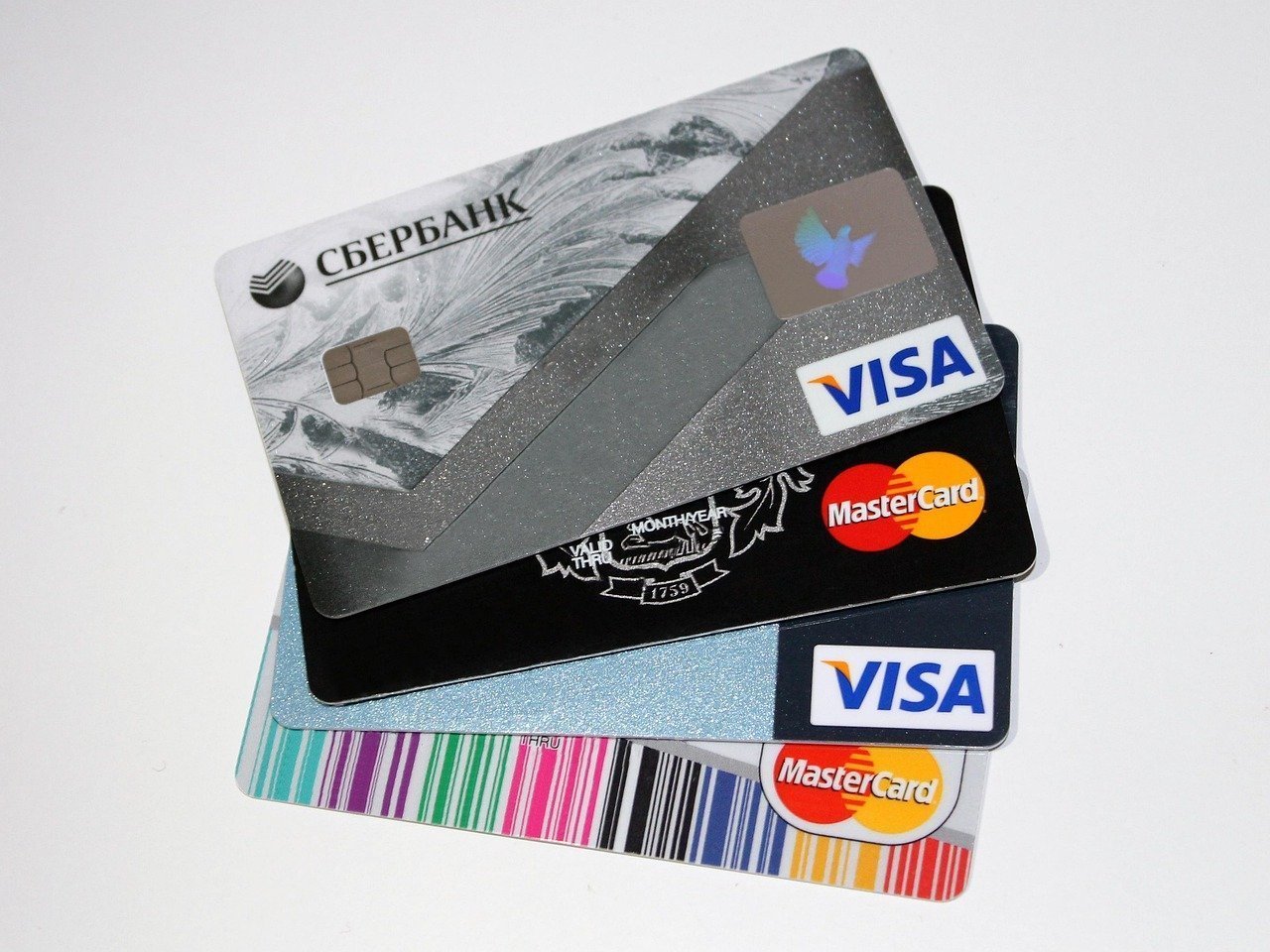
Few sentences trigger more instant panic than hearing that your bank or online account has been hacked. That panic is exactly what the scammer is banking on. By suggesting that your account is at risk, scammers aim to make you act hastily to “protect” your assets. It is a brilliantly cruel trick because the fear feels completely rational.
According to the FTC, the most common type of fraud reported in 2024 was caused by imposters. A scammer pretending to be from a bank, the government, or another organization contacts you, claiming they spotted fraud on one of your accounts and that your money isn’t safe. Once you’re scared, you’re far easier to manipulate.
This tactic is common among scammers pretending to be representatives from your bank or a service provider, and it has become even more common following real data breaches. However, no credible organization would ask for sensitive details outright. Always hang up and call your bank directly using the number on the back of your card.
4. “Move Your Money to Protect It”

This one is particularly sinister because it sounds like someone is trying to help you. The words feel protective, almost reassuring. But “move your money to protect it” is a scam. Nobody legitimate will tell you to transfer or withdraw money from your bank or investment accounts. Real banks simply do not work this way.
Closely connected is the phrase “Go to a Bitcoin ATM.” Nobody legitimate will ever insist you get cryptocurrency of any kind, and there is no legitimate reason for someone to send you to a Bitcoin ATM. The moment cash or crypto transfers become part of the conversation, treat it as a full red flag.
Similarly, “Buy gift cards” is always a scam phrase. There is never a reason to pay for anything with a gift card, and once you share the PIN numbers on the back, your money is gone. I honestly can’t stress this enough: no government agency, bank, or tech company will ever ask you to pay in gift cards. Ever.
5. “You’ve Won a Prize! Claim It Now”

Winning something for free is one of the most exciting feelings imaginable. Scammers know this perfectly well, which is why prize and lottery scams have been around for decades. It’s exciting to imagine winning something, especially for free. However, these offers are often too good to be true and may lead to phishing attempts or hidden costs. This phrase is a classic hook for scams and should automatically put you on high alert.
Older adults were much more likely than younger adults to report losing money on prize, sweepstakes, and lottery scams. These scams tend to follow a simple pattern: you’re told you’ve won, then asked to pay a small “processing fee” or “tax” to release your winnings. That fee is the scam. There is no prize.
Here’s the thing: legitimate sweepstakes never require you to pay to receive a prize. The most commonly reported type of text scam was fake package delivery, where scammers send alerts about a supposed issue with an incoming delivery, and fake prize notifications follow the exact same playbook. If you didn’t enter it, you didn’t win it.
6. “Don’t Tell Anyone About This”

Isolation is a scammer’s best friend. When they tell you to keep something secret, they’re cutting off your access to anyone who might stop you in time. The instruction “Only say what I tell you to say” is a scam signal. The minute someone tells you to lie to anyone, including bank tellers or investment brokers, stop, because it is a scam.
Closely related is the phrase “Don’t trust anyone. They’re in on it.” That is a scam. Scammers want to cut you off from anyone who might slow you down. Think about what that actually means: they need you isolated because they know that the moment you talk to a trusted friend or family member, the illusion collapses.
Criminals in online dating scams thrive on isolation and control to keep you emotionally dependent and less likely to seek outside advice. Whether it’s a romance scam, an imposter scam, or a fake investment, secrecy is always part of the script. If someone tells you not to tell your loved ones about a financial transaction, that is your clearest possible warning sign.
7. “I Love You Already” (Romance Scam Phrases)

Romance scams are among the most emotionally devastating frauds out there. They don’t just steal your money, they steal your trust and dignity. Romance scammers are master manipulators who specialize in stealing trust and exploiting emotions. Preying on loneliness or a desire for companionship, they shower targets with affection and declarations of love to create an intense emotional connection quickly, a tactic known as love bombing.
The intensity of these early declarations is designed to create a powerful emotional connection rapidly. By lowering your defenses, scammers gain your trust, making it easier to manipulate you into sharing funds or personal information later. It can feel real, intensely real, and that’s precisely the point. Scammers are playing a long game.
Research found that romance scams have a median loss of nearly $2,000 and string targets along for an average of 3.6 transactions, which is close to twice as many transactions as other types of scams. Romance scammers often pretend to be military personnel or overseas workers, giving them easy excuses to avoid in-person meetings and delay video calls, often claiming to be in remote areas with poor internet or on secret missions.
8. “There’s a Warrant Out for Your Arrest”
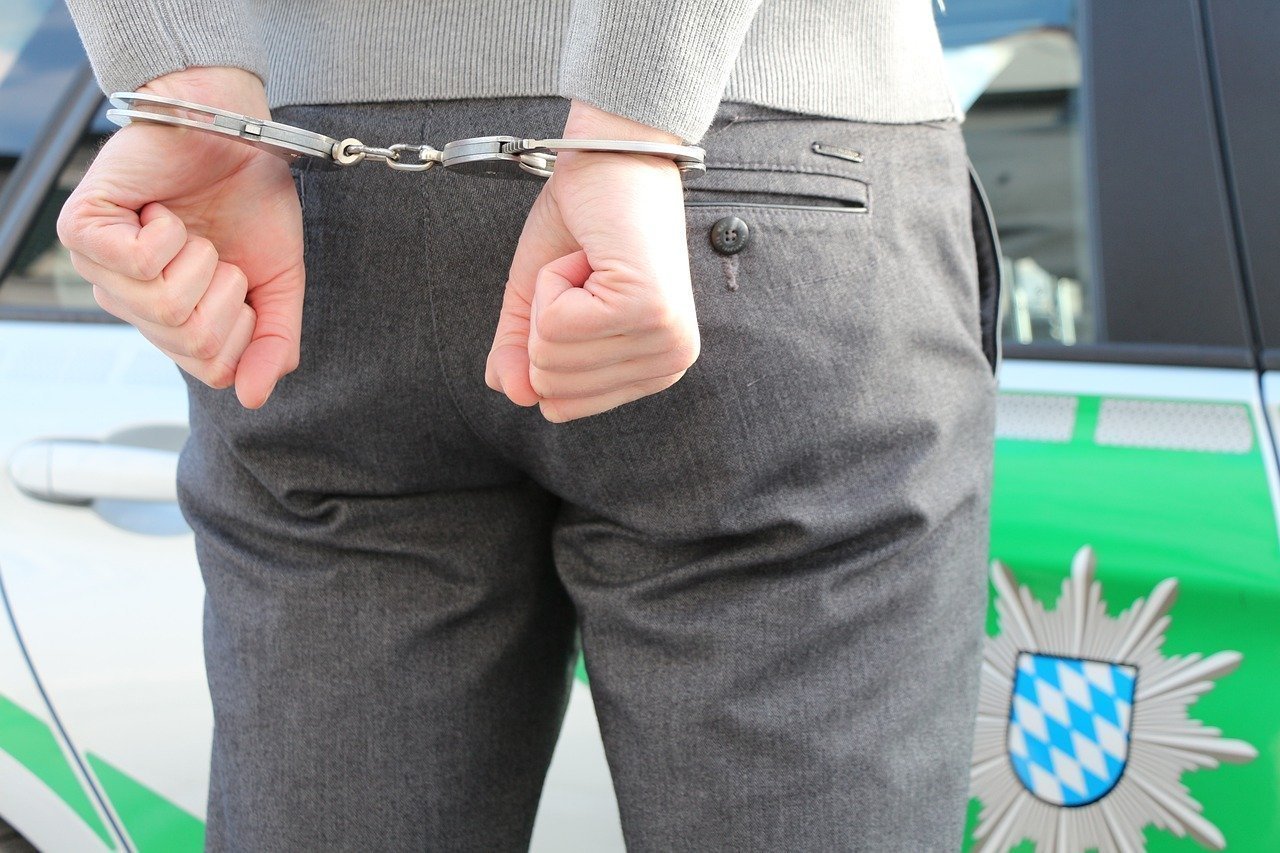
Few phrases produce more immediate terror than being told you are about to be arrested. Scammers know this, and they exploit it mercilessly. Using threats of legal or financial consequences is a common tactic to intimidate people. Real organizations do not operate this way and will provide ample opportunity for resolution through proper channels. No government agency sends arrest warrants over the phone.
This scam becomes especially prevalent around tax season and plays on people’s deep-seated fear of owing money to the government. Taxes induce a sense of anxiety for most citizens, and scammers exploit these feelings for their own gain. Remember, the IRS communicates through mail, not unexpected phone calls. It’s a strikingly simple rule, but one that many people forget in a moment of panic.
The most commonly reported scam category in 2024 was imposter scams. Losses to government imposter scams in particular increased by $171 million from 2023 to a total of $789 million in 2024. These numbers are staggering. If anyone calls you claiming to be law enforcement and demanding immediate payment, hang up and call your local police department directly.
9. “I’m Calling from Your Bank – We Need to Verify Your Details”
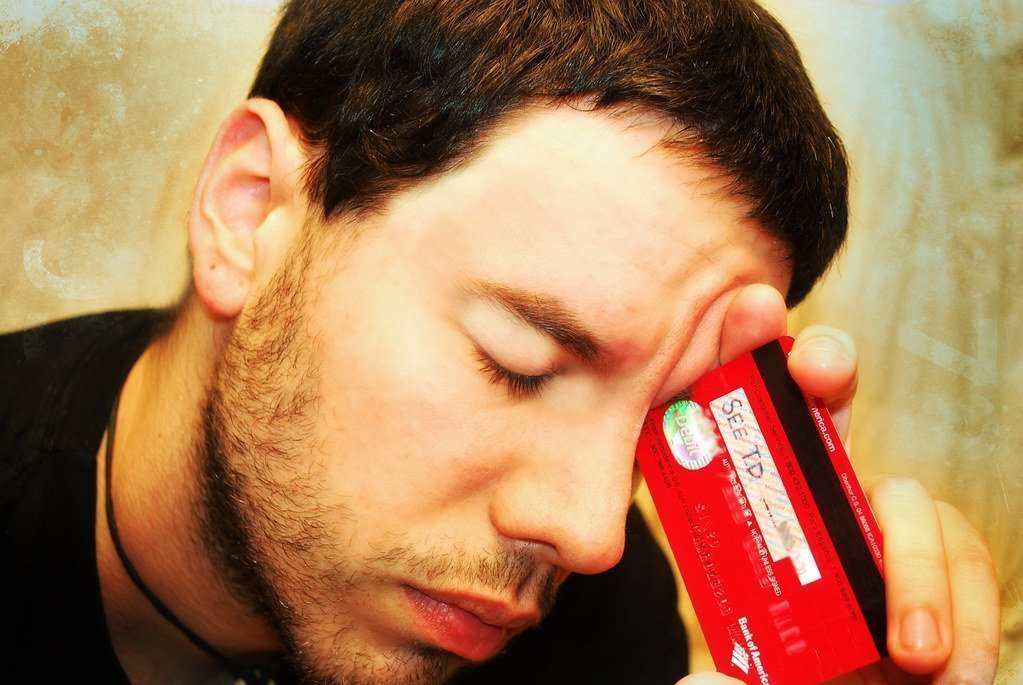
This phrase is one of the most enduring scam scripts in existence, and it still works at a frightening scale. The phrase “Give us your card number and the password you got in SMS” is quite common among scammers. It may seem like an outdated scheme that hardly anyone falls for, but that is not the case. Hundreds of people are scammed daily this way.
This phrasing preys on your fear of financial mishaps. Scammers know that people will do whatever is necessary to avoid additional fees or disruption of service, using this urgency in the hope of catching you off guard so you provide payment information out of panic. Real banks will never cold-call you and ask for your PIN, password, or SMS verification codes. That is not how banking security works.
The second highest reported loss amount in 2024 came from imposter scams, with nearly $3 billion reported lost. In 2024, consumers reported losing more money to scams where they paid with bank transfers or cryptocurrency than all other payment methods combined. Always end the call and dial your bank directly using the number printed on your card or on their official website.
10. “Your Grandson Is in Trouble – Don’t Tell Anyone”

Known commonly as the “grandparent scam,” this tactic is one of the cruelest approaches in a scammer’s playbook. A panicked voice claims to be a grandchild in distress, sometimes in jail, sometimes in a hospital, always in urgent need of money. Total fraud losses reported by older adults aged 60 and over increased about fourfold from 2020 to 2024, skyrocketing from about $600 million in 2020 to $2.4 billion in 2024.
Experts note that scammers capitalize on emotions and isolation, trying to convince victims there is an urgent situation. As one private investigator put it, if somebody is forcing you to make a financial decision right now, at this minute, that should immediately raise alarm. The combination of fear for a loved one plus a demand for secrecy is an almost irresistible trap for many people.
No official agency will ask for payment through the unconventional forms that scammers use. If somebody is requesting payment in gold, precious metals, gems, gift cards, or Bitcoin, that should be your first big red flag. Because most fraud goes unreported, the FTC estimated that real losses experienced by older adults in 2024 could be as high as $82 billion. That number should make all of us stop and really think about who in our lives might be vulnerable to these scripts right now.
Stay Sharp: Your Awareness Is the First Line of Defense
Scammers are not going anywhere. If it seems like you’re being targeted more often, there may be a simple reason: scammers are succeeding. According to the FTC, consumers reported fraud losses totaling more than $12.5 billion in 2024, a roughly one-quarter increase over 2023. That is not a small trend. That is a crisis.
To avoid falling victim, the AARP notes that most fraud starts with three red flags: an unexpected contact, a surge of emotion, and a sense of urgency. Memorize those three. They apply to every single phrase on this list, without exception. Scammers need your panic. The second you slow down and breathe, their power evaporates.
Share this article with someone you care about, especially anyone who might be vulnerable. Awareness travels faster than fraud when we make it a priority. What would you have done if you’d received one of these calls without knowing what to watch for? Tell us in the comments.