
Certain grocery staples largely resist price hikes despite tariffs and trade disruptions.

When tariffs raise import costs, some grocery items remain surprisingly affordable. This stability often stems from domestic production and low dependence on imported materials. Understanding which products resist price inflation can help consumers stretch their budgets. Staples like rice, pasta, and peanut butter typically show less price volatility, offering reliable options even when trade policies change. These selections highlight how local supply and storage longevity contribute to steady pricing.
1. Rice remains a budget-friendly staple with consistent pricing over time.
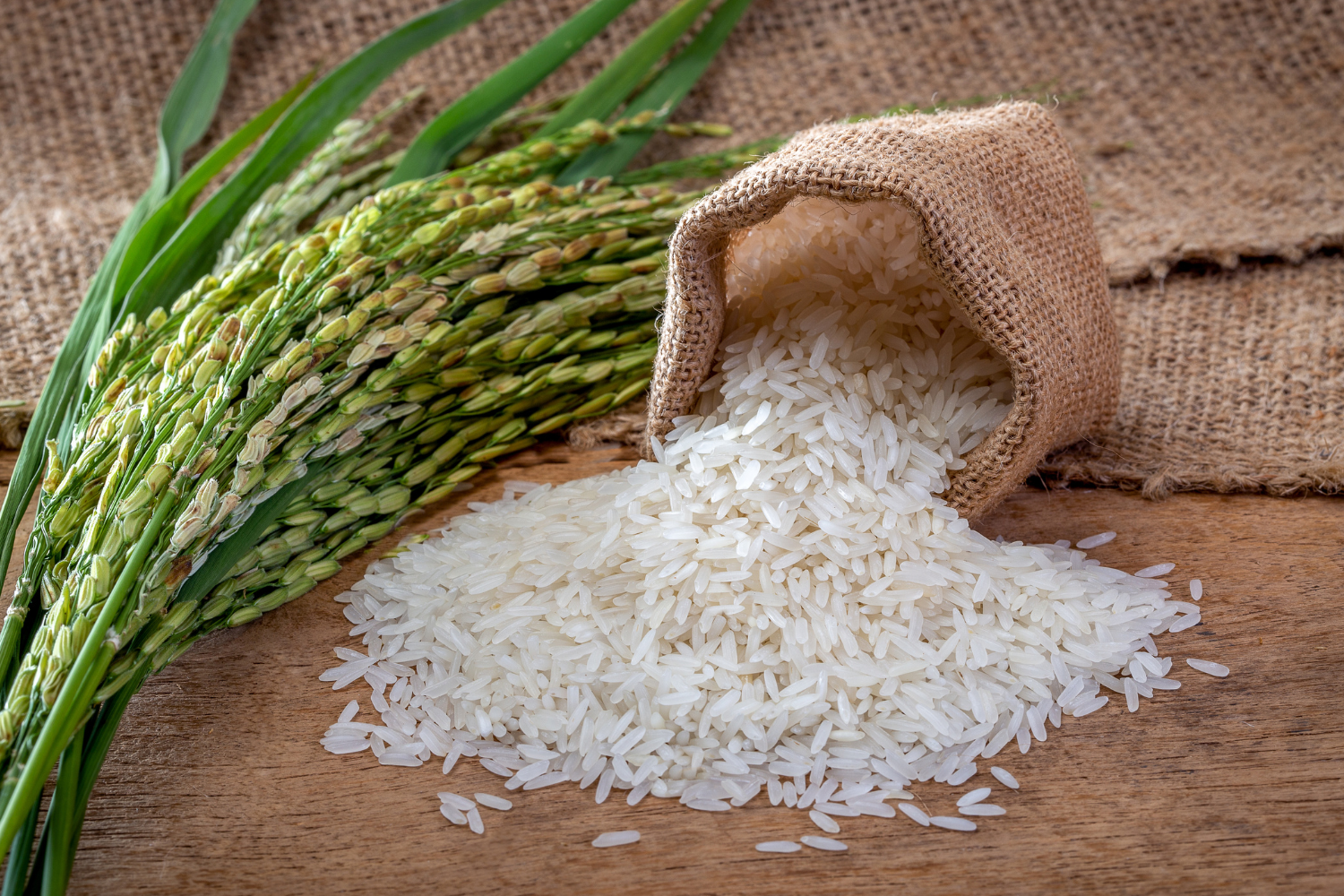
Rice stands out as a budget-friendly staple partly because its production is majorly domestic. Most U.S.-grown rice comes from Arkansas, Louisiana, and California, ensuring a steady supply. This domestic abundance buffers against import tariffs, helping keep rice prices relatively consistent across seasons.
American rice producers benefit from lower market fluctuations, making it an attractive option for cost-conscious shoppers. Unlike produce that relies heavily on imports, rice’s reliable pricing gives consumers predictability. Stocking up on rice often translates to tangible savings, especially beneficial during broader economic shifts in food pricing.
2. Canned beans offer a nutritious and cost-effective pantry essential.

Canned beans offer a nutritious pantry staple with enduring affordability. Their availability stems from a substantial domestic supply and straightforward processing methods. Bean cultivation doesn’t heavily rely on imports, which means that tariffs and global trade disruptions rarely impact their cost.
Consumers value beans not just for cost but for their nutritional punch. High in fiber and protein, canned beans retain nutrient quality despite price changes elsewhere. They’re an economic choice, often priced lower than fresh produce, making them popular in budget-friendly meal planning.
3. Pasta consistently holds steady in price, perfect for versatile meals.

Pasta maintains its price stability largely through efficient production processes and widespread domestic manufacturing. Made primarily from wheat, pasta enjoys abundant local resources, offsetting the impacts of tariffs that can inflate other imported foods’ costs. It’s an adaptable ingredient, fitting into varied culinary traditions.
The manufacturing scale helps insulation against price spikes that might affect tariff-heavy products. Household budgets benefit from this consistency. With pasta, shoppers can maximize meal versatility, preparing everything from simple spaghetti dishes to elaborate culinary creations, all while maintaining a steady budget.
4. Frozen vegetables provide affordable nutrition without frequent price hikes.

Frozen vegetables promise affordability and nutritional value without the frequent volatility seen in fresh produce. Because they can be grown and preserved domestically, tariffs have minimal impact on their cost. These vegetables are flash-frozen at peak ripeness, locking in nutrients while keeping prices stable.
Savings on frozen options increase consumer flexibility in planning nutritious meals. They bring a dependable source of vitamins and minerals, rivaling fresh options in quality. Whether used in stews, stir-fries, or side dishes, frozen vegetables offer reliable nutrition that aligns well with economic considerations.
5. Dried lentils stay economical and add protein to your diet easily.
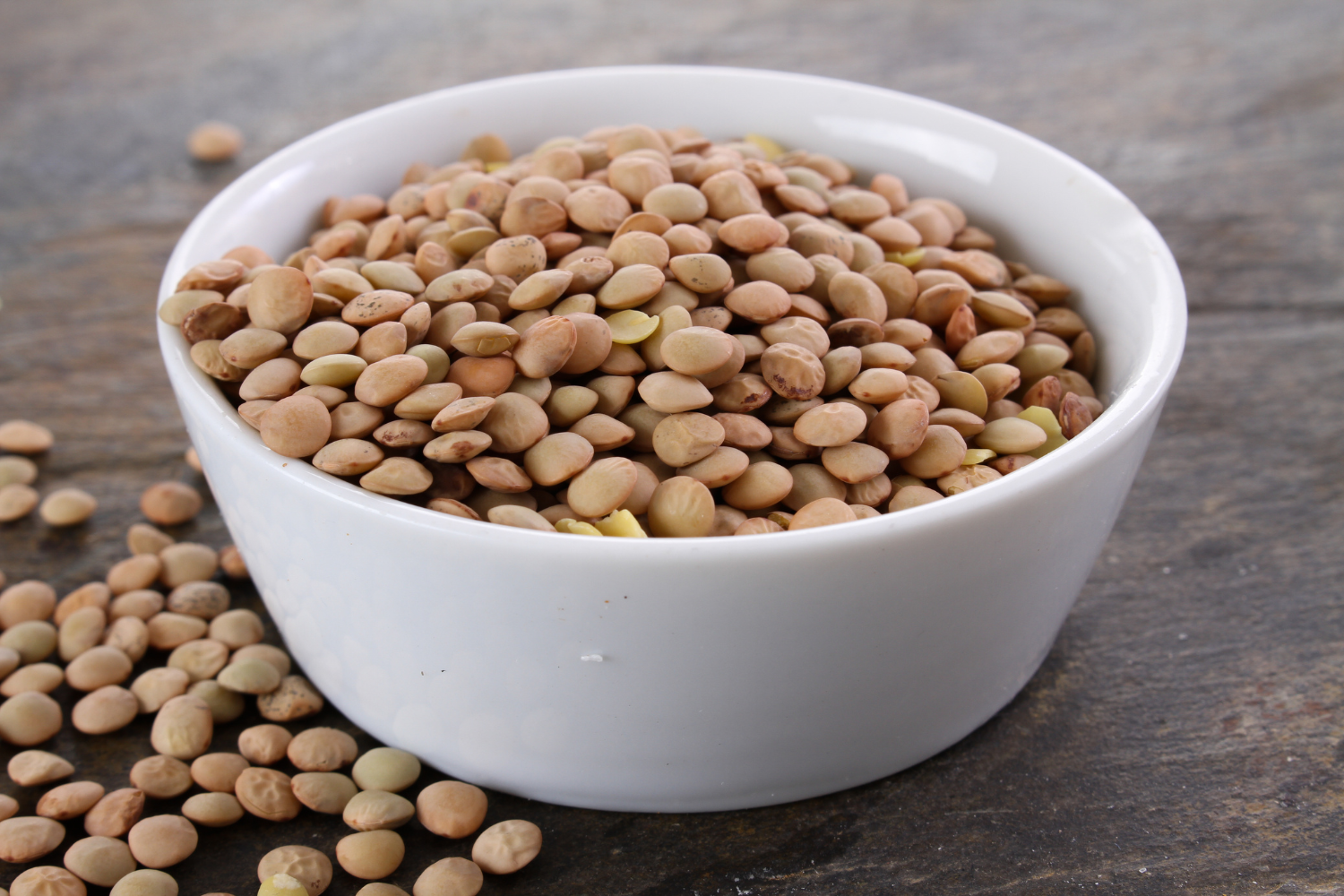
Dried lentils, rich in protein, remain an economical choice. Pulses like lentils are often domestically produced, making them less susceptible to the shifts caused by import tariffs. Their simple storage requirements and long shelf life further contribute to their cost-effectiveness.
For those seeking an accessible protein source, lentils provide an appealing alternative to more perishable goods. Their consistent pricing provides relief from fluctuations experienced with meat or fresh produce. Incorporating lentils into meals is both budget-friendly and nutritionally rewarding, especially amid rising food costs.
6. Oatmeal serves as a low-cost, healthy breakfast option year-round.
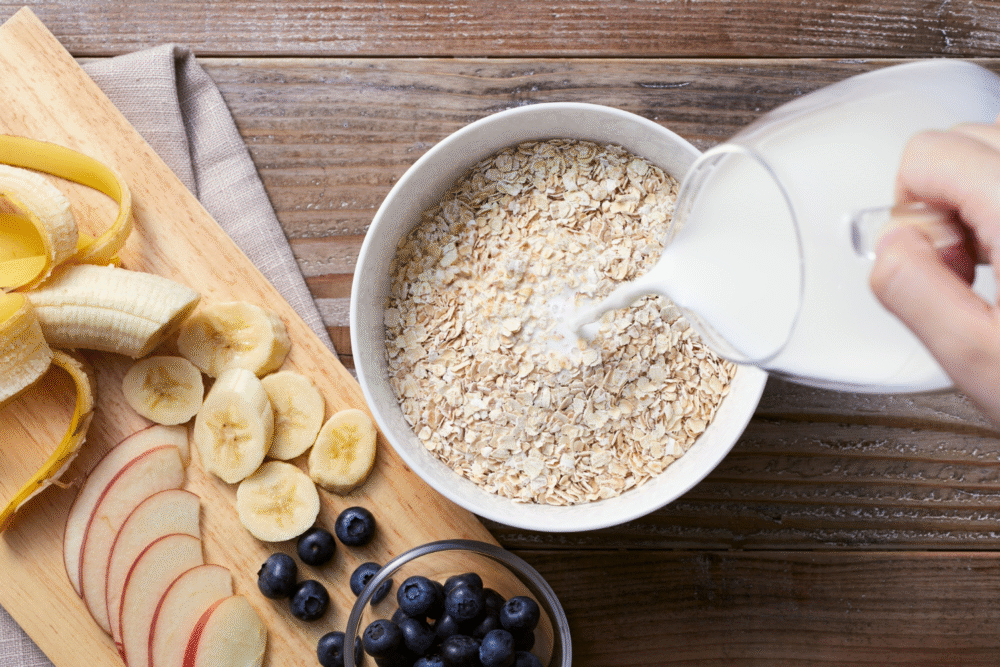
Oatmeal stands out as a year-round, low-cost breakfast choice that’s nutritionally dense and easy to prepare. Its affordability persists due to substantial domestic production, mitigating tariff impacts. A comforting, warm bowl of oatmeal starts many mornings, complemented by fruits or nuts.
Nutritional benefits accompany its steady price point. Rich in dietary fiber and heart-healthy, oatmeal’s stability supports financial planning in meals. Its inherent versatility allows people to enjoy it sweet or savory, accommodating varied tastes without threatening budget constraints.
7. Peanut butter offers long-lasting value as a pantry-friendly protein spread.
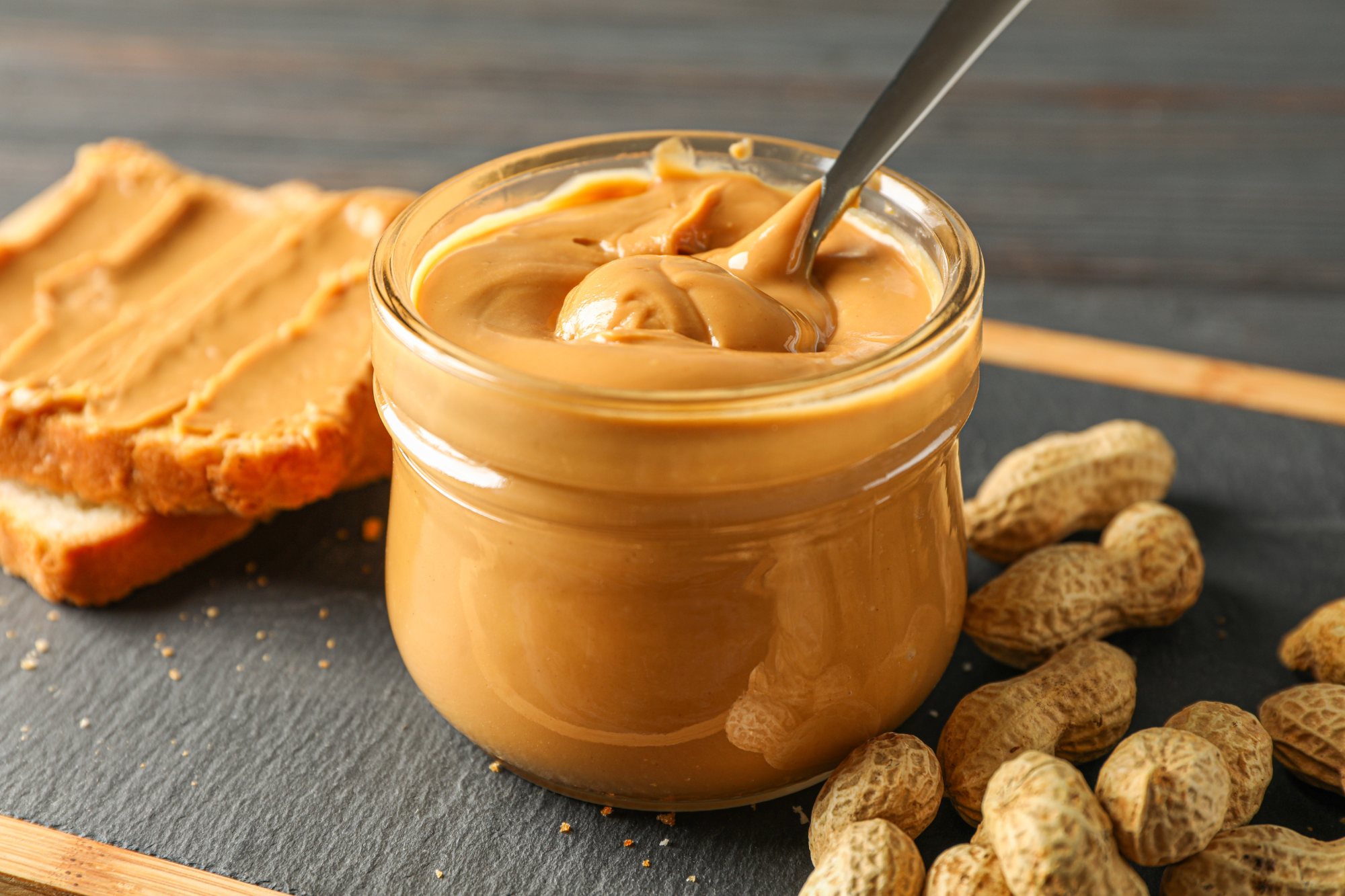
Peanut butter offers long-lasting value with its stable pricing and nutritional benefits as a protein-rich spread. Mostly produced domestically, peanut butter minimizes exposure to tariff changes that affect imports. Enjoying a longstanding place on grocery lists, its versatility complements sweet and savory dishes alike.
As a pantry staple, peanut butter balances meal planning needs. It’s suitable in sandwiches, snacks, or even desserts. Buyers appreciate its reliability, as it provides a Plan B when prepping meals. Its extended shelf life ensures no rush to consume, adding to budget advantages.
8. Bulk flour purchases maintain affordability for homemade baking and cooking.
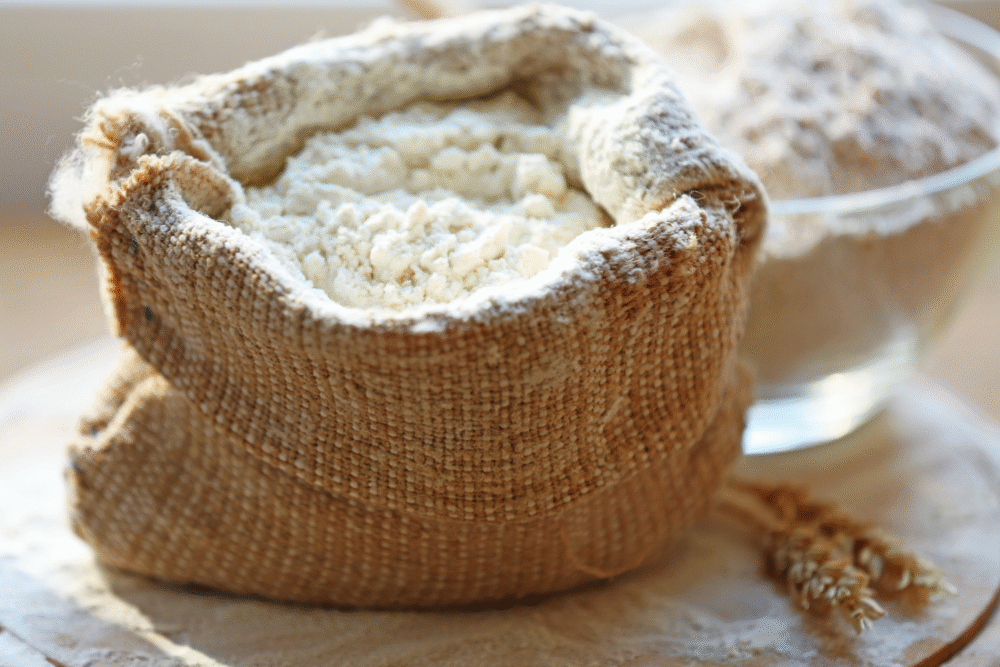
Bulk purchases of flour provide a cost-effective solution for cooking and baking enthusiasts. When bought in larger quantities, flour tends to remain cheaper, less affected by pricing shifts typical of imported goods. Most countries produce their own wheat, which forms a large part of flour supplies.
For home bakers, the accessibility of bulk flour purchases aligns with frequent and diverse kitchen projects. Ensuring a steady supply at home enables experimenting without rising grocery bills. It lends a sense of control to meal prep, offering a practical counter to financial unpredictability.