
Coastal living comes with a price tag, and this year it could break records.

It’s one thing to love the beach, but it’s another to live on edge every summer. As climate patterns shift and storms grow angrier, certain U.S. states are staring down the barrel of billions in potential damage. Some of them know the drill—others are just now waking up to the reality that hurricane season isn’t messing around anymore.
These states are bracing for impact, not just with storm shutters, but with budget forecasts and growing anxiety over insurance premiums.
1. Florida is basically the bullseye of hurricane anxiety.

It’s not a surprise, but it still stings. Florida is the most hurricane-prone state in the country, and 2025 isn’t expected to cut it any slack, according to Holly Jennings at Finder. Coastal cities like Tampa, Miami, and Fort Lauderdale could face catastrophic wind and flood damage if a major system rolls in. Rising sea levels aren’t helping either—drainage infrastructure is already overworked, and rebuilding costs are ballooning. With a huge population living along vulnerable shorelines, one big hit could send economic ripples nationwide. The housing market is also wobbling under the pressure, as some insurers pull out and premiums skyrocket. Florida’s charm is undeniable, but so is its exposure.
2. Texas could see billion-dollar damage stretching far inland.
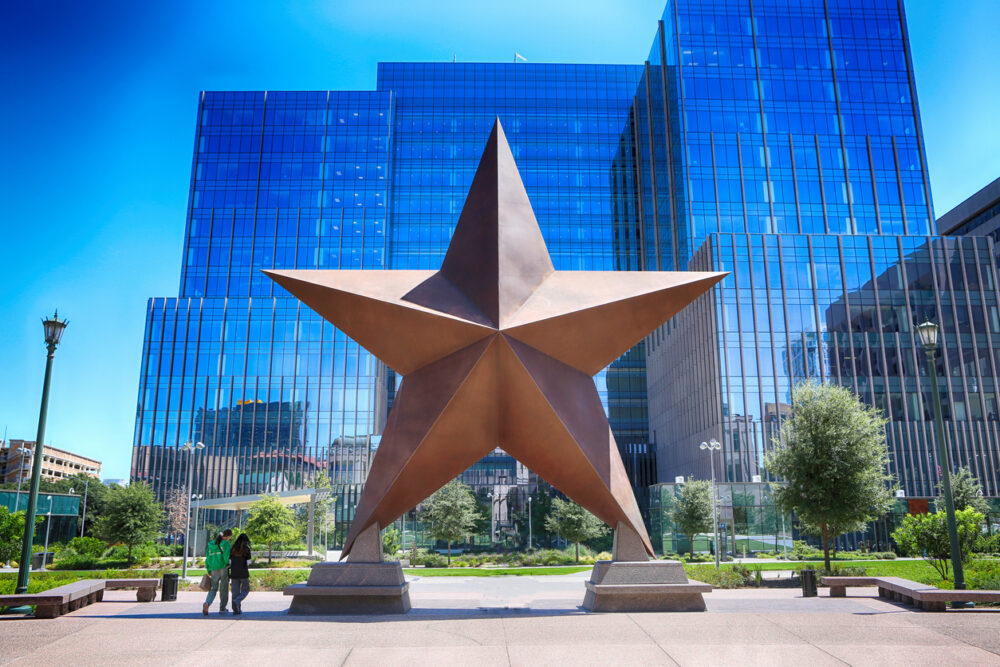
Texas doesn’t just get hit—it absorbs punishment, as reported by Diana Miller at Universal Property. When hurricanes make landfall here, they don’t stop at the beach. Storms often plow deep into cities like Houston and Austin, flooding roads, knocking out power, and creating costly chaos. Houston’s geography makes it especially vulnerable, sitting in a low-lying area with massive sprawl and complex bayous that overflow easily. Every major storm here costs billions and leaves behind entire zip codes underwater. As climate models predict stronger, wetter storms, Texas could face another year of brutal cleanup, repair, and insurance fallout. And with the state’s population booming, there’s more to lose than ever.
3. Louisiana is on constant watch for the next big one.

Louisiana lives with a certain grim awareness that the next Katrina-level storm could show up any season, as reported by the experts at FEMA. New Orleans still struggles with vulnerabilities—aging levees, delicate wetlands, and a housing market that’s slow to rebuild. In 2025, experts are flagging the Gulf region for particularly active systems. And Louisiana’s combination of low elevation and disappearing coastline only amplifies the threat. Once water pushes in, it lingers, turning neighborhoods into temporary lakes. Damage here isn’t just expensive—it’s often unrecoverable. Local economies in places like Lake Charles and Baton Rouge are still limping through previous hurricane fallout. The resilience is real, but so is the risk.
4. North Carolina keeps getting hit on repeat.
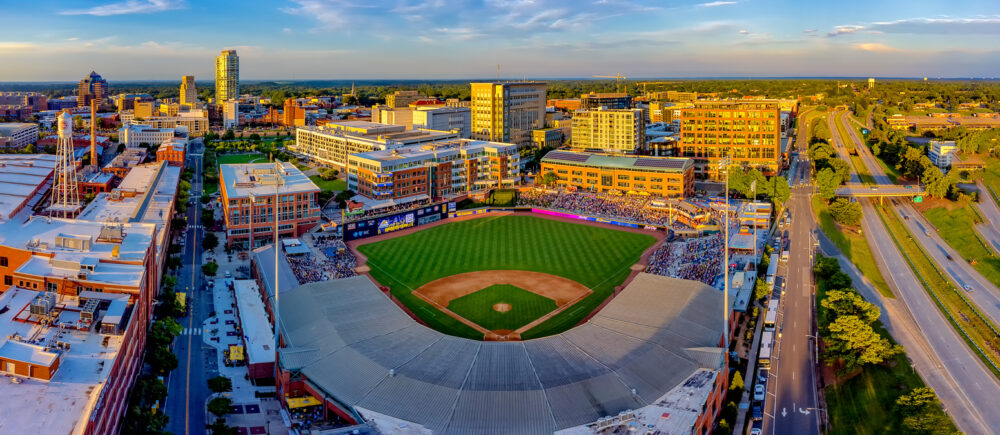
North Carolina used to get a breather between hurricanes, but not anymore. It seems like every other year, the Outer Banks and surrounding areas get sideswiped—or bulldozed—by powerful storms. In 2025, forecasters are eyeing the Atlantic side with more concern than usual. The state’s mix of fragile barrier islands, lowland terrain, and rapid suburban development sets it up for high-dollar disaster. Once those winds pick up, shingles fly, trees fall, and storm surge creeps into living rooms. The damage might not always lead the news, but it adds up fast. Residents are weary, and local governments are running out of budgetary Plan Bs.
5. South Carolina is dealing with coastal growth and hurricane fallout.

South Carolina has become a hotspot for retirees and remote workers chasing charm and sunshine. But all that growth along the coast—especially in Charleston and Myrtle Beach—has created a vulnerability cocktail. New homes built near the shoreline are pricier to insure, and older ones often aren’t built to withstand modern storms. Even moderate hurricanes here generate millions in roof damage, downed power lines, and localized flooding. The 2025 hurricane season is expected to pressure-test this growth. If forecasts hold, South Carolina could be hit hard where it’s been expanding the most, making clean-up and recovery even more financially crushing.
6. Georgia doesn’t get spared when storms swing north.

Georgia usually escapes the full brunt of landfall, but it still racks up serious damage once hurricanes move inland. The southern part of the state, including Savannah, is right in the crosshairs of many storm trajectories. And because so much of Georgia’s infrastructure wasn’t built for sustained hurricane conditions, it gets overwhelmed quickly. Flash floods, toppled trees, and power grid failures can spread chaos fast. Storm surge threats are also creeping up the coast as sea levels rise. The combination of unpredictable paths and aging infrastructure means Georgia could end up with a multi-billion-dollar cleanup bill before the season’s over.
7. Alabama quietly takes on storm impact.

Alabama doesn’t get the media coverage Florida and Texas do, but it definitely gets hit. The Gulf Shores region has seen more than its fair share of hurricanes in the last two decades. And as systems strengthen, the damage spreads farther inland—affecting towns that don’t always have the resources to recover quickly. In 2025, forecasters expect the Gulf to be unusually warm, which turbocharges storm strength. That means Alabama could face higher wind speeds and more rainfall, especially in smaller, rural communities. The repair costs might not dominate national headlines, but for families here, the devastation is personal and expensive.
8. Mississippi is still recovering between each punch.
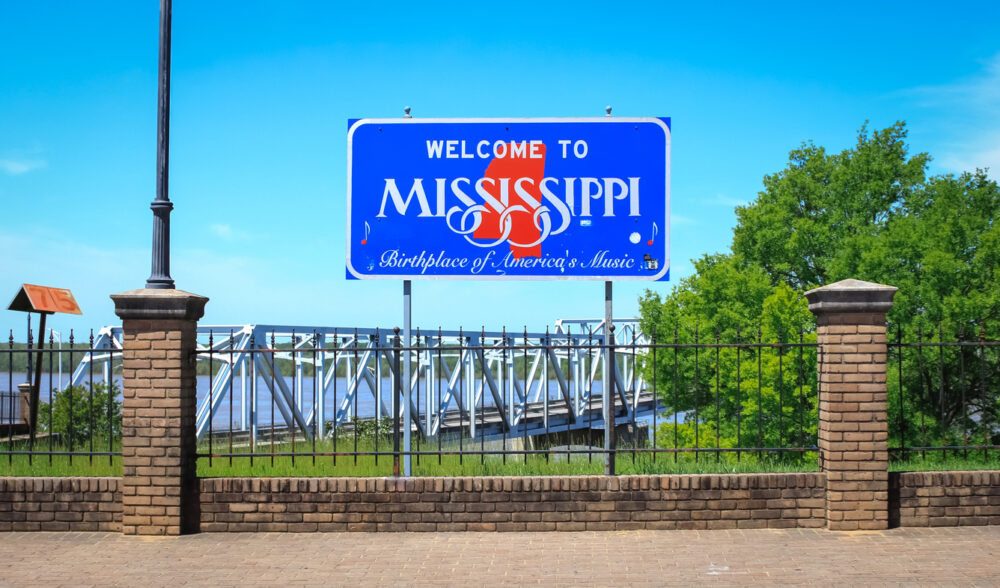
Mississippi’s Gulf Coast has a long history with destructive hurricanes—and not much margin for error. Towns like Biloxi and Gulfport are still patching over damage from previous storms when the next one shows up. In 2025, warm Gulf waters and shifting storm paths could bring even more trouble. Much of the housing here is modest and older, making it especially susceptible to wind and water damage. Local governments often struggle to get federal funds quickly enough to repair infrastructure. When storms hit here, the financial damage might not match Florida’s scale, but the long-term impact can be far more debilitating.
9. Virginia is no longer off the hook.
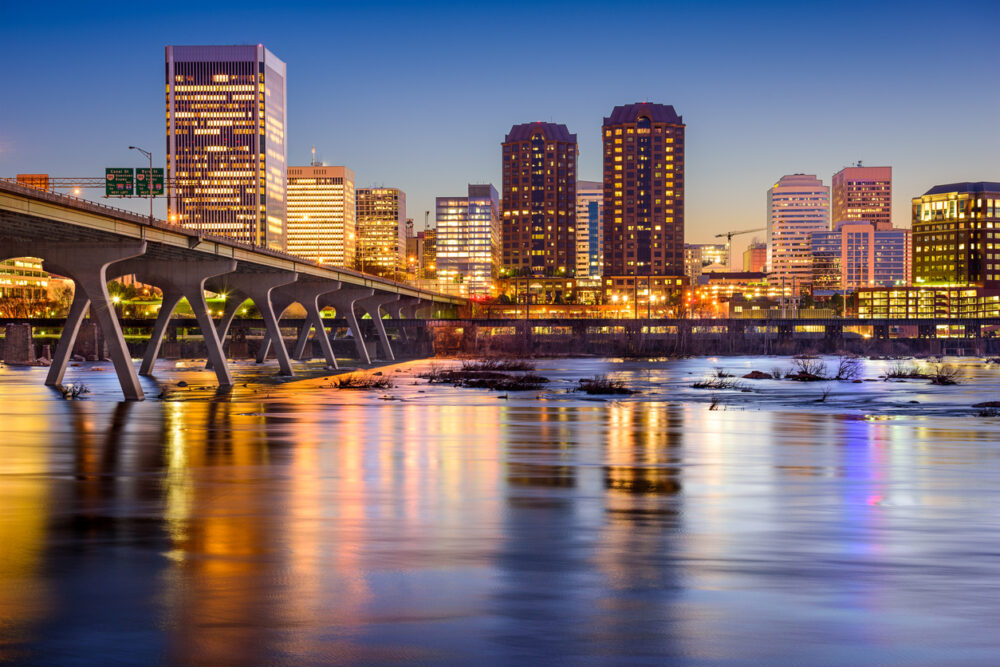
Virginia used to feel safely out of reach for hurricanes. But in recent years, its coastal areas—especially Norfolk and Virginia Beach—have gotten walloped by rain-heavy systems. These aren’t always Category 4 nightmares, but they cause damage that’s deceptively costly. Rising tides, poor drainage, and old infrastructure turn even a glancing blow into a multi-million-dollar problem. In 2025, meteorologists are warning that Virginia could be in for another year of soggy, unpredictable storms. If so, state officials will once again face the scramble of repairing roads, homes, and shoreline barriers that were never designed for this kind of weather onslaught.
10. New Jersey is one nor’easter away from real trouble.

New Jersey is used to dealing with snow, not spiraling hurricane systems. But climate change is changing everything. As Atlantic storms creep north and gain strength, the Jersey Shore becomes more of a target. The infrastructure is dense, and homes packed close together make wind and water damage even more costly. Hurricane Sandy was a wake-up call, but in 2025, forecasts show potential for another serious strike. Insurance rates are climbing, and the damage from even a moderate storm could cost billions. New Jersey’s hurricane risk might be newer, but that makes it all the more financially dangerous.