
Simple swaps for ultra-processed foods that cut costs and keep hunger at bay.

Ultra-processed foods often appeal because of convenience and taste, but they can be costly and leave you feeling hungry sooner. By choosing budget-friendly, minimally processed alternatives, you can enjoy meals and snacks that satisfy longer without stretching your wallet. Making informed swaps allows better control over nutrition, helping you stick to a wholesome eating routine that supports both health and financial goals.
1. Replace sugary breakfast cereals with homemade oatmeal topped with fresh fruit.
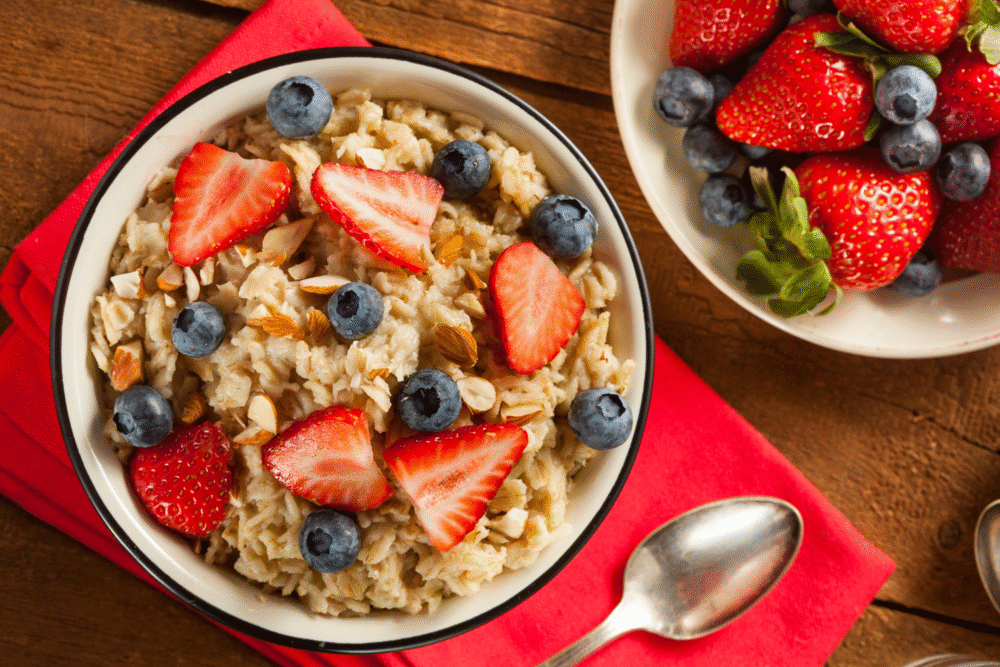
Sugary breakfast cereals often lack real nutritional value while being exceptionally calorie-dense due to added sugars. Creating homemade oatmeal topped with fresh fruit offers a more balanced start to the day, delivering necessary fiber and nutrients to energize you longer.
Meal preparation becomes an opportunity for creativity. Yet, with fresh fruit’s taste and texture, boring breakfasts become a thing of the past. This approach can yield cost savings, and with practice, a morning routine featuring oatmeal becomes almost effortless, keeping energy levels stable.
2. Swap store-bought granola bars for a mix of nuts and dried berries.

Store-bought granola bars are convenient but often pack plenty of sugar and little fiber, leaving hunger just around the corner. Mixing nuts with dried berries at home creates a wholesome, less expensive snack, marrying crunch with natural sweetness.
By selecting this blend, control over portion size and nutrition remains in your hands. The combination of healthy fats and natural sugars ensures sustained energy without straining the budget, while making this portable snack ideal for busy schedules.
3. Choose whole grain bread over white sandwich bread for better nutrition.

White sandwich bread is a staple that’s often low in nutrients. Whole grain bread serves as a better alternative, offering higher fiber content, vitamins, and minerals. This choice not only improves digestion but also supports heart health.
Whole grains can be slightly more expensive, yet their nutritional completeness satisfies hunger more effectively. Longer-lasting satiety may reduce snack frequency, balancing out costs. Avocado or whole-grain bread can redefine a simple sandwich into a nutritious delight.
4. Use plain yogurt and add honey instead of flavored yogurt cups.

Flavored yogurt cups add excessive sugar, overshadowing their probiotic benefits. Choosing plain yogurt and adding honey allows for sweetness control, enhancing the nutritional experience. This switch maintains the beneficial cultures while reducing unnecessary sugars.
This choice encourages an independent approach to sweetening naturally. As honey drizzles over yogurt, appreciation for subtle natural flavors grows. This mindful consideration may inspire further exploration into additional fruit or nut toppings.
5. Substitute instant noodles with whole wheat pasta and a simple tomato sauce.

Instant noodles are quick but high in sodium and low in nutrients. Substituting with whole wheat pasta and a simple tomato sauce elevates a meal, offering more fiber and essential vitamins. This swap balances convenience with nourishing satisfaction.
Fresh ingredients in homemade sauce highlight flavors absent in processed packets. Even with minimal cooking skills, a comforting dish emerges, providing more nutrients per serving and maintaining the allure of a quick meal solution.
6. Opt for fresh vegetable sticks instead of pre-packaged chips for snacking.

Packaged chips offer convenience but are often calorie-rich and nutrient-poor. Fresh vegetable sticks refresh snacking habits by introducing crunch and color while maintaining satiety with fewer calories. This trade can benefit waistlines and wallets alike.
By incorporating hummus or guacamole, snacking takes on a wholesome dimension. Bite-sized vegetables not only appease hunger but elevate the aesthetic of the snacking experience. Preparing these alternatives remains straightforward, fostering healthier habits.
7. Replace canned fruit in syrup with fresh or frozen fruit for sweetness.

Canned fruit in syrup contains excess sugars that detract from their nutritional bounty. Fresh or frozen fruits retain nutrients while naturally satisfying sweet cravings. This simple adjustment promotes a healthier lifestyle, pacing sugar intake throughout the day.
Handling these ripe options is often as effortless as opening a can. With their myriad textures and flavors, these fruits encourage versatile uses, from smoothies to desserts, without compromising nutritional integrity or budget constraints.
8. Use natural peanut butter without added sugars instead of processed peanut spreads.

Processed peanut spreads often contain added sugars and oils, diminishing peanut benefits. Opting for natural peanut butter without these additions preserves the authentic taste, ensuring that the nutrients and healthy fats remain intact.
Smooth and rich, its flavor complements everything from whole-grain bread to apple slices. A small jar goes a long way, turning a humble lunch into a nutritious feast. Ingredients become fewer, but satisfaction rises.
9. Choose homemade soup with fresh ingredients rather than canned soups high in preservatives.

Canned soups use preservatives to ensure longer shelf life, but at a nutritional cost. Homemade soup with fresh ingredients reveals richer flavors, elevating nutrition without sacrificing convenience. Fresh vegetables, broth, and herbs transform basic meals into satisfying delights.
Simplicity in recipes means adaptability to whatever produce is on hand. Unexpected combinations may evolve, turning a modest stockpile into delightful, comforting bowls. Preparing extra portions welcomes future busy days with open arms.