

Early retirement is the dream. Picture it: no alarm clocks, no Monday morning dread, just freedom. Sounds perfect, right? The problem is, where you choose to live in retirement can quietly drain your savings faster than almost any other financial decision you’ll ever make. We’re talking about the difference between a comfortable, stress-free life and watching your nest egg evaporate in real time.
Research from GOBankingRates reveals that in every single U.S. state, the average person will need at least $1 million to retire by 50. In the most expensive states, that figure needs to be significantly larger. So before you start dreaming about your retirement address, you need to know which states will cost you dearly. Let’s dive in.
1. Hawaii: Beautiful, Breathtaking, and Brutally Expensive

Hawaii feels like paradise, and honestly, it kind of is. The year-round sunshine, the ocean views, the relaxed pace of life. But here’s the thing about paradise: it comes with a jaw-dropping price tag that most retirees simply cannot sustain.
Hawaii ranks as the most expensive state to retire, with average annual expenditures reaching $129,296. This high cost is largely driven by steep prices for housing, groceries, and healthcare. That’s not a typo. Nearly $130,000 a year just to get by.
Retiring in Hawaii requires an estimated $1.67 million in savings, the highest in the nation. The state’s 11% income tax only adds to the financial pressure, and for many, even necessities can start to feel like luxury expenses. For most early retirees, the math simply does not work.
In Hawaii, assisted living averages a whopping $140,000 per year, which is another brutal reality check if long-term care ever becomes part of your retirement picture. Still, if your budget is genuinely unlimited, Hawaii does deliver on quality of life in ways few other states can match.
2. New York: Culture and Costs That Never Sleep

New York has an undeniable energy. The museums, the restaurants, the sheer density of things to do. But retiring here means going up against one of the most punishing financial environments in the entire country.
New York’s low retirement ranking reflects the harsh reality of retiring in one of America’s most expensive states. Retirees need over $1,037,000 in savings to live comfortably, while the state’s 10.9% income tax and high property tax rate of 1.6% chip away at fixed incomes.
According to the Council for Community and Economic Research’s Cost of Living Index, New York is the most expensive place to live in the United States. The borough of Manhattan snags the top spot as the most expensive urban area in the nation, with a cost of living index of 232, compared to the national average of 100.
In New York, 14.3% of seniors live in poverty, and nearly 1 in 5 work past retirement age. That statistic alone should give any early retirement hopeful pause. If working in your seventies isn’t part of the plan, New York may not be your ideal destination.
3. California: The Golden State With a Golden Price Tag

California draws people in with its legendary lifestyle. Perfect weather, world-class food, stunning coastlines. It’s easy to see why so many people want to retire here. The financial reality, though, is a different story entirely.
California taxes income from retirement accounts and pensions at some of the highest rates in the United States, and sales tax is quite high, with an average of around 8.8%. That combination hits retirees hard, especially those drawing down savings each year.
High taxes, lofty housing costs, and high sales taxes are some of the many factors that make California a financially challenging place to live for retirees. In fact, 1 in 10 seniors is living in poverty in California. That’s a striking number for what many consider America’s most desirable state.
While California boasts beautiful weather and scenic living, it ranks near the bottom for retirees due to its extremely high cost of living, elevated tax rates, and skyrocketing housing prices. If budget matters at all to you, and it should, look elsewhere first.
4. Massachusetts: World-Class Healthcare, World-Class Costs

Massachusetts consistently earns high marks for healthcare and quality of life. For retirees with serious health concerns, that matters enormously. The problem is that everything else here comes at a steep premium too.
Massachusetts has one of the highest quality of life rankings and an impressive healthcare system, according to WalletHub. But it also has nearly the highest adjusted cost of living in the country. Great care does not come cheaply.
Massachusetts can be an expensive place for homeowners. Millionaires might find the Bay State costly too, due to a Massachusetts millionaire tax that went into effect in recent years. That surtax on high earners has changed the financial calculus for many well-off retirees considering the state.
Research shows that the savings needed to retire early in Massachusetts is more than double what is required in states like Mississippi and West Virginia. Think about that. Double the savings, just for the zip code. It’s a significant trade-off that deserves serious consideration.
5. Connecticut: High Taxes From Every Direction
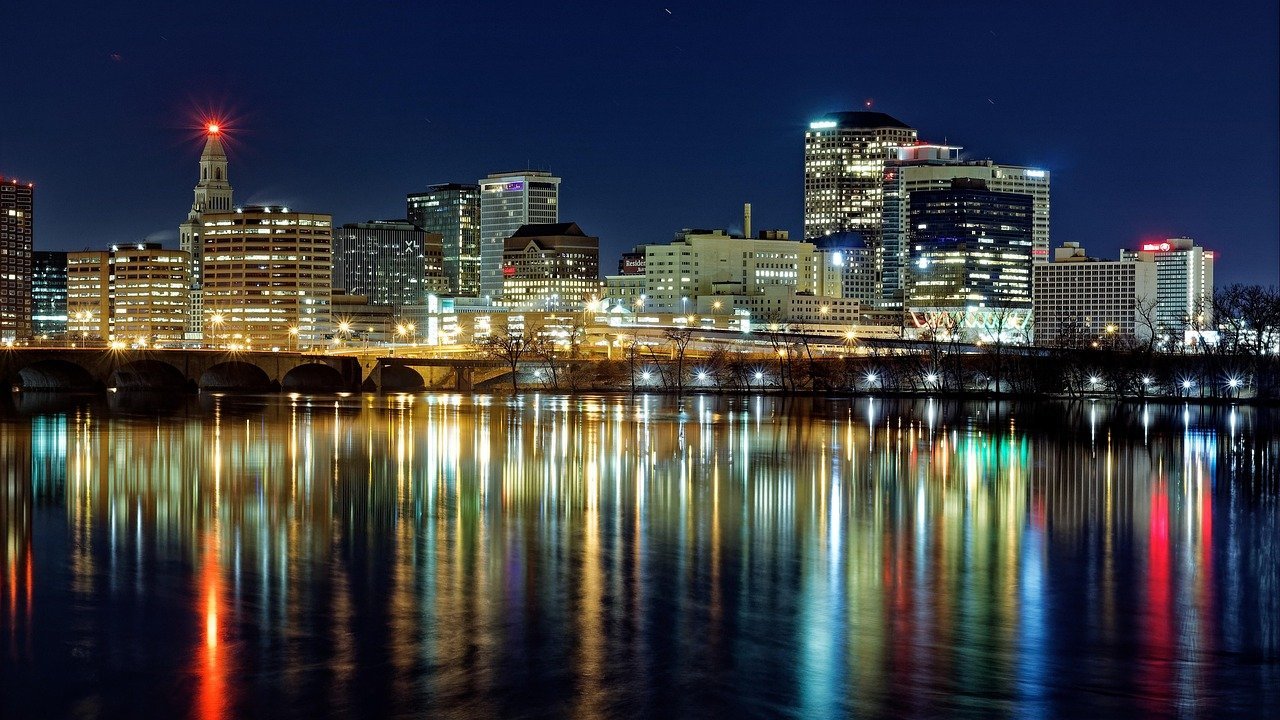
Connecticut is a beautiful state. Rolling hills, charming coastal towns, a genuinely high quality of life. It’s also one of the trickiest states in the country when it comes to taxes, hitting retirees from multiple angles at once.
Connecticut has the fourth-best healthcare in the U.S., but some of the highest taxes in the country. That trade-off is real, and for retirees on a fixed income, the tax burden can be genuinely punishing.
Homeowners in Connecticut pay some of the highest property tax bills in the U.S., with a median tax bill of $6,575. So even retirees with lower incomes might find Connecticut an expensive place to live. That’s not a small annual bill. Over a decade, that’s well over $65,000 in property taxes alone.
As of 2025, nine states still tax Social Security benefits, and Connecticut is one of them. These states either tax Social Security directly at the state level or provide limited exemptions or thresholds to reduce the impact. The combination of property taxes and Social Security taxes makes this one of the more quietly expensive states to retire in.
6. New Jersey: The Property Tax Capital of America
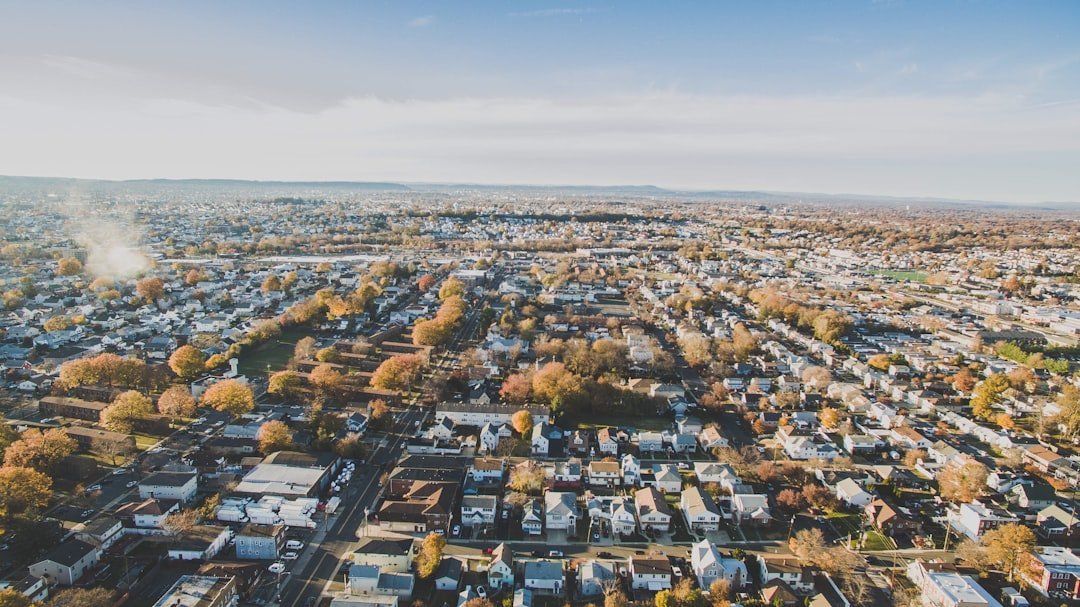
New Jersey has a lot going for it. Proximity to New York and Philadelphia, beautiful coastline, strong healthcare access. Let’s be real, though: the property taxes here are something else entirely. They are, without exaggeration, the highest in the nation.
New Jersey continues to have among the highest property tax fees in the country, at approximately 2.1% to 2.2%. On an average home, that can mean paying $10,000 or more per year just in property taxes. For retirees on a fixed income, that number is painful.
New Jersey imposes one of the highest state tax burdens in the nation, reducing disposable income and long-term savings for retirees. Even if other costs are manageable, the property tax alone can erode a retirement budget faster than most people anticipate.
Interestingly, New Jersey does not tax Social Security income, which is one genuine perk of retiring there. Retirees also benefit from proximity to major East Coast cities and access to nice beaches. So it’s not all bad, but the property tax reality is something that simply cannot be ignored in the planning process.
7. Oregon: High Income Taxes on Retirement Distributions

Oregon is gorgeous. Dramatic coastlines, old-growth forests, a genuinely laidback culture. It attracts creative, outdoor-loving retirees in droves. The tax structure, however, is one that can catch people off guard in a significant way.
Oregon taxes most retirement income at the top rate while allowing a credit of up to $7,500 for retirement distributions. That top rate is no small thing. Oregon’s income tax can reach up to 9.9%, which is among the steepest in the country.
Oregon is also one of the worst states to retire in for taxes and cost of living, with the latter being 15.1% over the national average. Living 15% above the national average every single year quietly adds up to an enormous sum over a long retirement. Think of it like a slow financial leak you never fully notice until the tank is nearly empty.
Oregon has the lowest estate tax exemption in the country at just $1 million. For retirees who have accumulated assets over a lifetime and want to pass wealth to their children or grandchildren, that threshold is a serious planning concern that many overlook until it’s too late.
8. Alaska: Sky-High Healthcare and Senior Living Costs
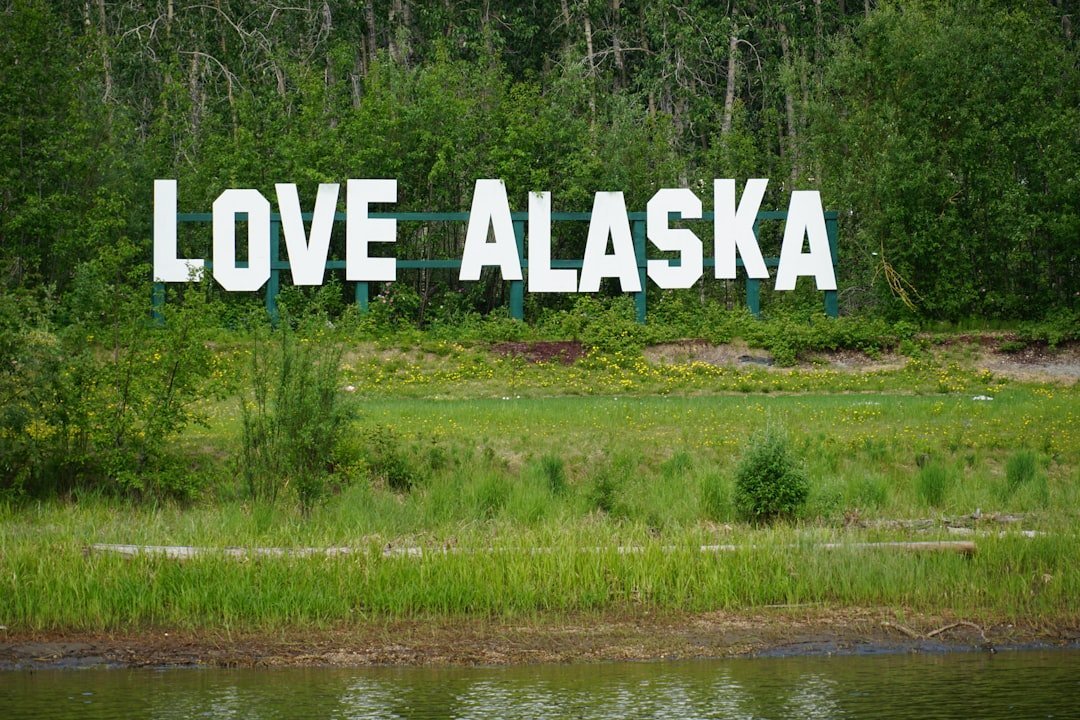
Alaska is one of those places that inspires awe. Vast wilderness, rugged beauty, a sense of genuine independence. The idea of retiring in Alaska sounds adventurous, even romantic. But practically speaking, the costs here are some of the most extreme in the country.
The national median for a semiprivate nursing home room is now $9,555 a month, but in Alaska it can reach $31,282 per month. That number is extraordinary. It’s more than three times the national average, and for any retiree who may eventually need long-term care, it represents a genuinely catastrophic financial risk.
Alaska ranks as one of the most expensive states for assisted living, often exceeding $7,000 monthly due to higher living costs and increased demand. The remoteness that makes Alaska dramatic and beautiful is the same remoteness that makes healthcare and senior services so expensive to deliver.
Alaska offers harsh winters, which can isolate seniors and increase health risks. It’s hard to say for sure how much climate affects long-term wellbeing, but isolation and extreme cold are real quality-of-life factors that weigh heavily for many older adults, especially those retiring early and potentially spending decades in the state.
9. Rhode Island: Small State, Large Tax Burden
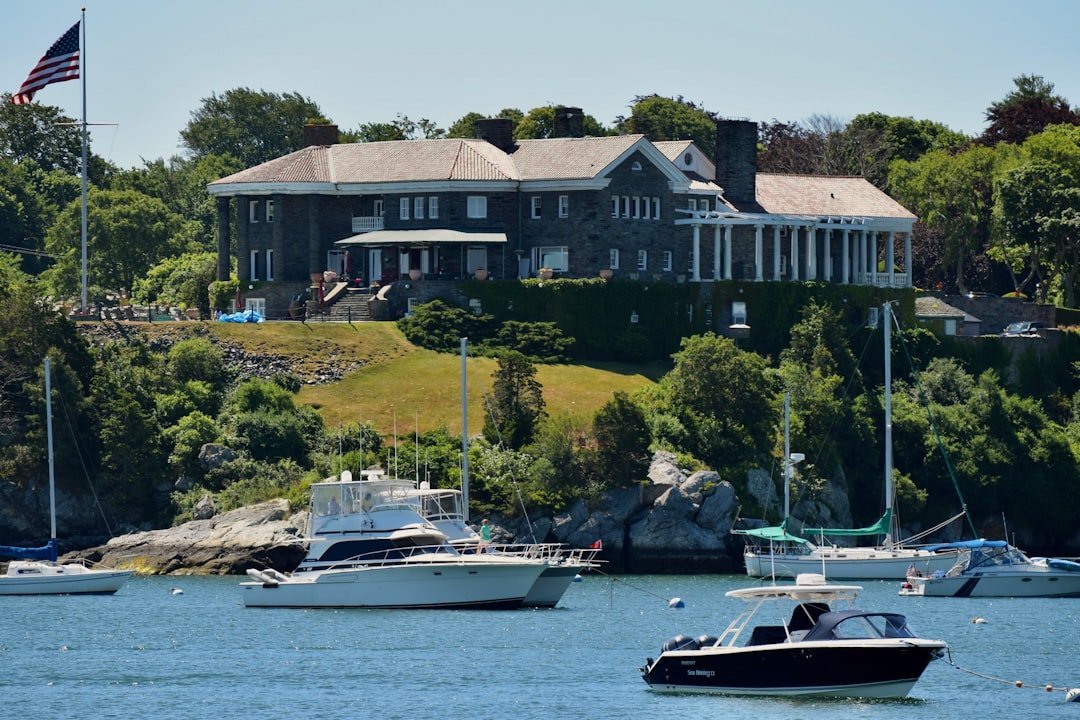
Rhode Island is charmingly small, historically rich, and genuinely pleasant to live in. The beaches are lovely, the seafood is legendary, and the New England character is deeply appealing. Yet from a retirement finance standpoint, it presents a number of serious challenges.
In Rhode Island, retirees are met with above average living costs accompanied by high taxes. Given that the state is not in the best financial shape, it is unlikely the tax situation will change soon, leaving retirees paying partial taxes on Social Security income and full taxes on withdrawals from retirement accounts.
As of 2025, Rhode Island is one of nine states that still taxes Social Security benefits. For retirees who lean heavily on Social Security as a core income source, that creates a meaningful and ongoing financial drag that compounds across every year of retirement.
Healthcare in Rhode Island is rated as mediocre, which can be less than desirable to an aging resident. Rhode Islanders also experience humid summers, bitterly cold winters, risk of flooding, and exposure to hurricanes given the proximity to the Atlantic Coast. The combination of financial and environmental pressures makes this a tough state to recommend for early retirees.
10. Maryland: A Double Tax Threat Unlike Any Other
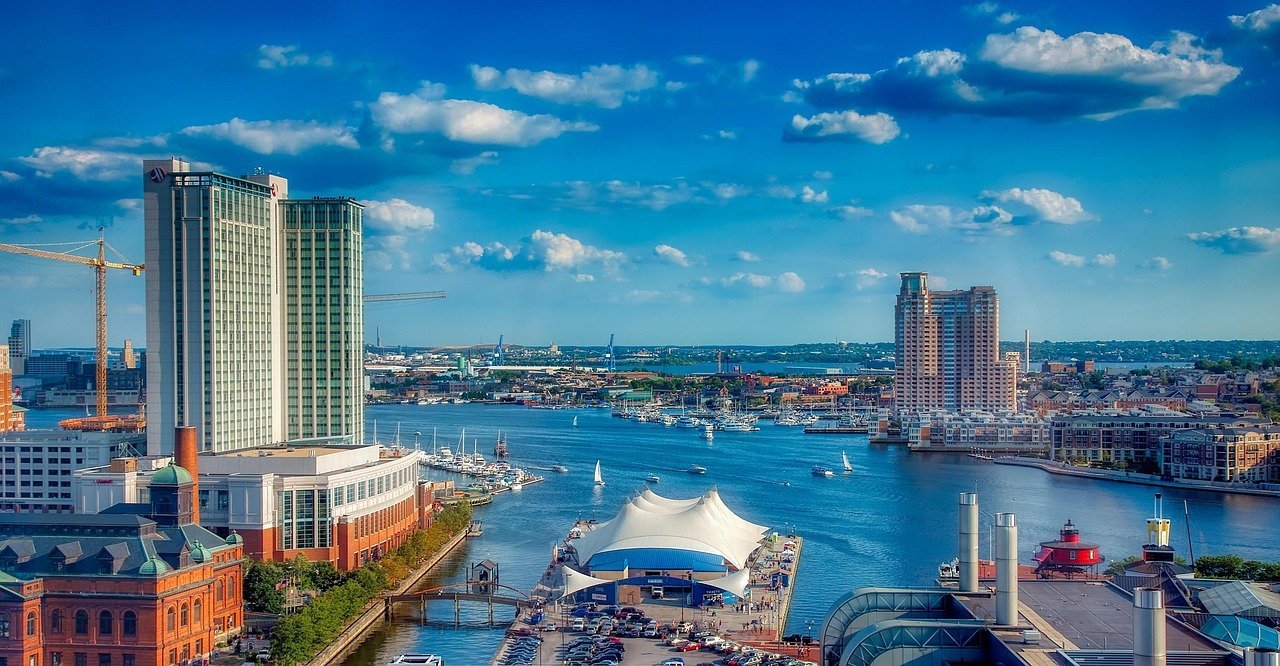
Maryland has genuinely strong attributes. It’s close to Washington D.C., it has excellent hospitals, and the Chesapeake Bay region is beautiful year-round. But Maryland has a financial quirk that makes it uniquely costly for retirees in a way most people never consider.
Maryland is the only state in the country that imposes both an estate tax and an inheritance tax. That’s a remarkable and often overlooked distinction. If passing wealth to your family is part of your retirement vision, this dual tax structure creates a financial hurdle that no other state imposes in quite the same way.
With yearly expenses amounting to $67,214, Maryland retirees will need about $80,657 annually to retire comfortably. That is above the national average and reflects the real cost of living in a state that borders one of the most expensive metro corridors in the country.
Maryland is home to one of the best hospitals in the country, Johns Hopkins Hospital. But overall, the state’s scores on healthcare metrics rank it just slightly above average, which means you are paying a premium for proximity to top care without necessarily getting premium-level access everywhere throughout the state.
11. Vermont: Stunning Scenery With a Steep Financial Climb
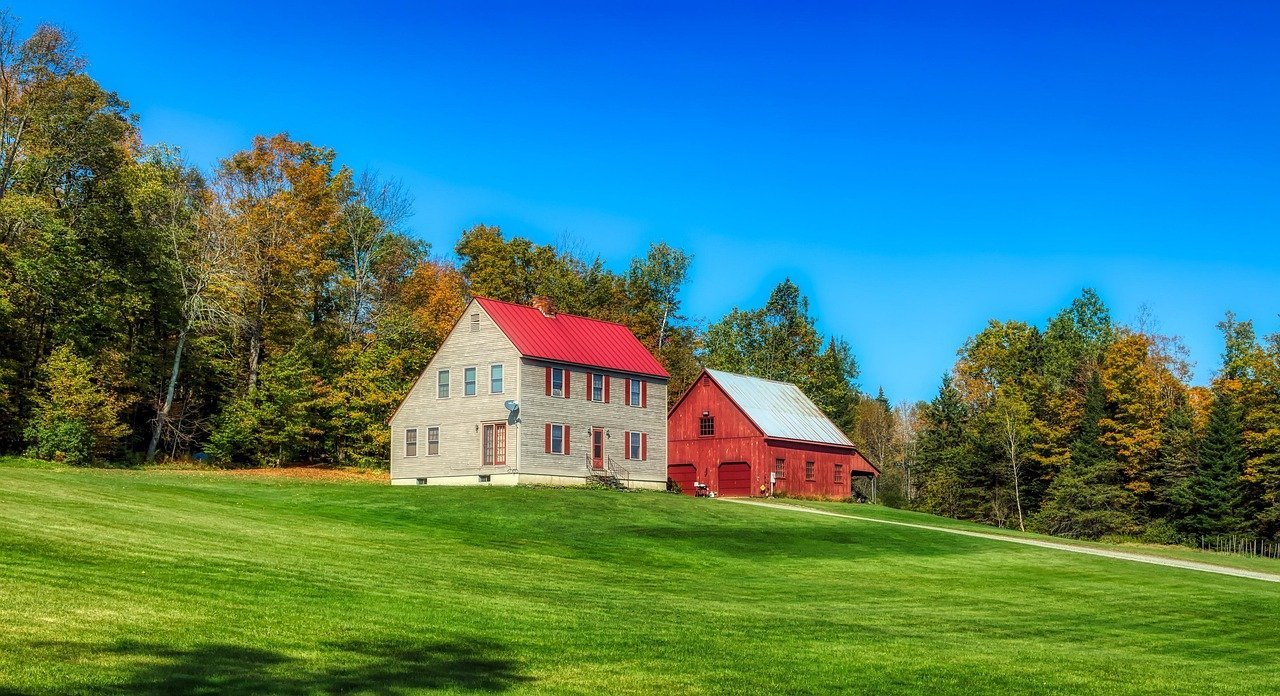
Vermont has a special kind of magic. Those autumn foliage shots you see online? Entirely real. The state also consistently ranks among the healthiest in the nation, with excellent medical care and a high quality of life. But retiring here early requires a well-padded financial cushion.
Vermont is one of nine states that still taxes Social Security benefits as of 2025. For an early retiree who may not yet be drawing Social Security but will eventually depend on it, that taxation adds a layer of long-term cost that is easy to underestimate in the early planning stages.
Vermont fared poorly on weather rankings, showing the second-lowest levels of sunlight exposure on average. It did, however, top the arts category with the most venues per capita and ranked as the best state for healthcare. If healthcare quality is your top priority and you can afford the costs, Vermont genuinely delivers.
Honestly, Vermont’s appeal is real and undeniable. But the combination of high housing costs, Social Security taxation, and brutal winters means early retirees need to run the numbers carefully before falling in love with those maple-syrup mornings and covered bridge views.
12. Washington State: No Income Tax Doesn’t Tell the Whole Story
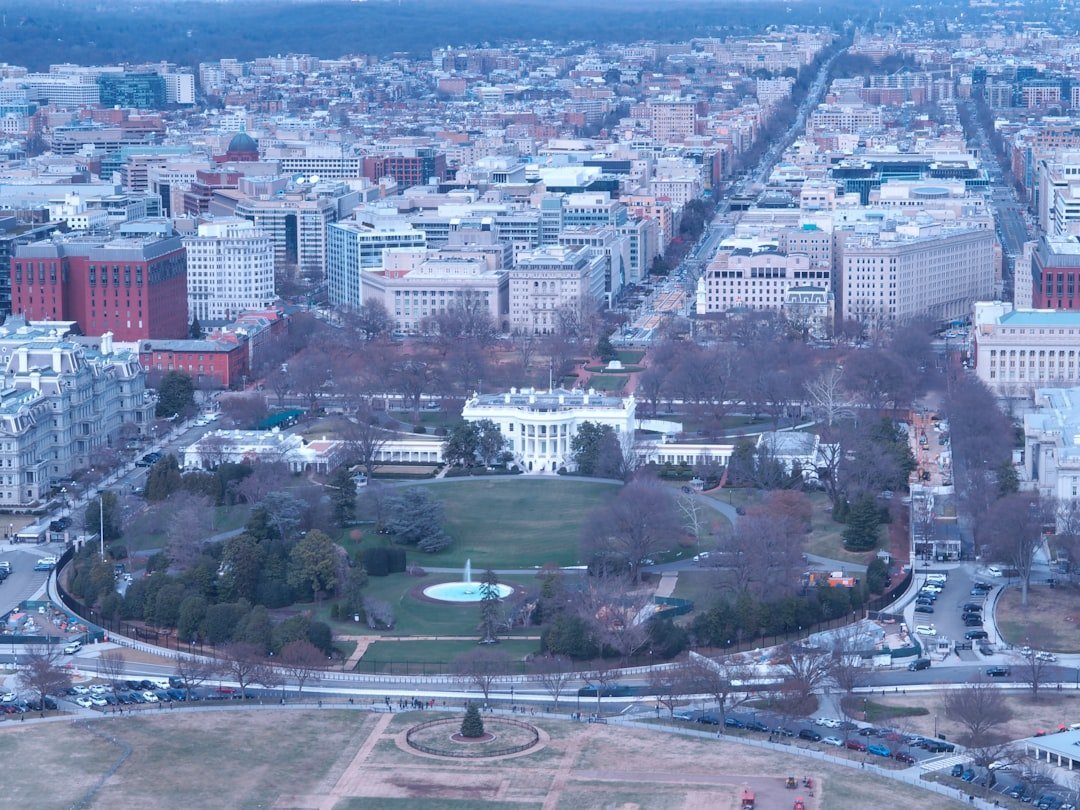
Washington State often gets praised in retirement circles for having no state income tax. And yes, that is genuinely helpful. But the story doesn’t end there, and for many retirees, the other costs more than cancel out that advantage.
Washington state has the second-most expensive in-home services in the country, and overall the state is a pretty pricey place to live. In-home care is not a small consideration for anyone planning to retire early and age in place over many decades.
Housing costs have been on the rise nearly everywhere, with the median price of existing homes in the U.S. reaching an all-time high of $435,300 in June 2025, and in the Seattle metro area specifically, prices are dramatically above that national figure. Washington’s housing market remains one of the most competitive and expensive in the Pacific Northwest.
Housing costs have been rising nearly everywhere, and whether you plan to buy or rent a home in retirement is likely going to have a bigger impact on your budget than anything else. In Washington State, that impact is felt more acutely than in most other places. No income tax is great, but it doesn’t pay your mortgage or cover your in-home care bill.
The Bottom Line: Where You Retire Is a Financial Decision First

It’s easy to fall in love with a state for emotional reasons. The weather, the scenery, the lifestyle. But retirement is, at its core, a long financial marathon. Choosing the wrong state is like running that marathon in the wrong shoes: you might manage for a while, but eventually, it catches up with you.
A recent AARP survey found that about 20% of adults age 50 and older have no retirement savings, and roughly 61% are worried they will not have enough money to support themselves in retirement. Against that backdrop, the decision of where to retire has never mattered more.
If a primary concern as you consider your retirement destination is saving money on taxes, the states on this list are ones to approach carefully. High property taxes and taxes on traditional types of retirement income, like Social Security, pensions, and distributions from a 401(k) or IRA, make these states more expensive than most for many retirees.
The states listed here are not without their charms. Some offer extraordinary healthcare, culture, or natural beauty that may well be worth the cost for the right person. But if you are planning to retire early and want your savings to last, the financial weight of your home state matters as much as your portfolio itself. What would you have guessed would be the most expensive state on this list?