
Thieves are pulling off a clever new trick while your suitcase sits unseen below deck.
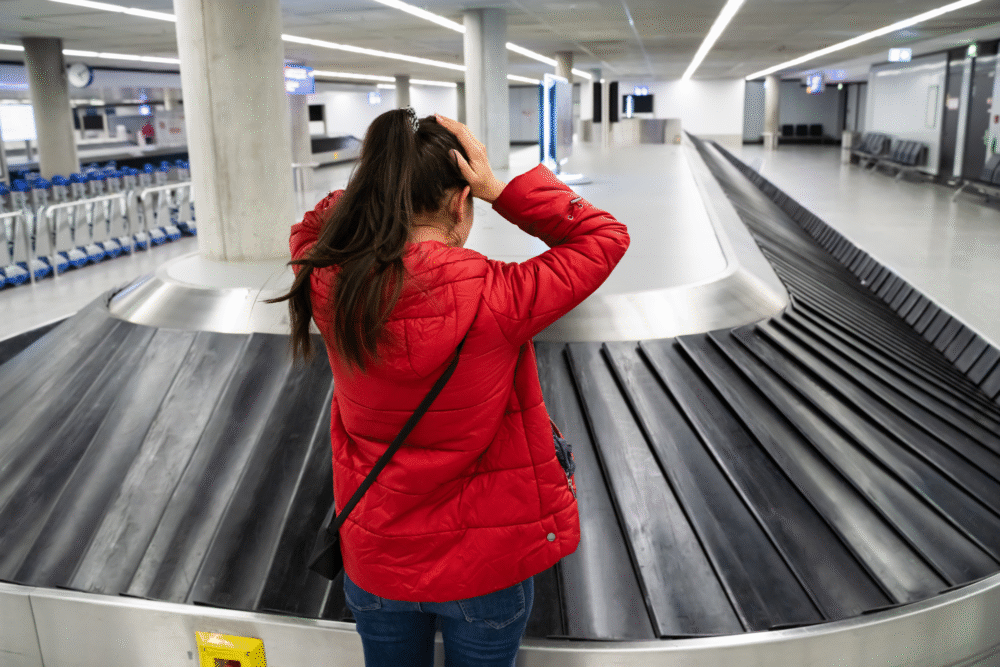
Air travel feels like a trust exercise—you hand over your belongings and hope they’ll arrive safely on the carousel. But a new scam is turning that trust into opportunity. It’s not about losing your bag; it’s about what happens after you check it in.
Airport thieves have found a loophole in the system that’s catching even savvy travelers off guard. Here’s how the scam works and what you can do to avoid being the next victim.
1. Scammers swap baggage tags before check-in.
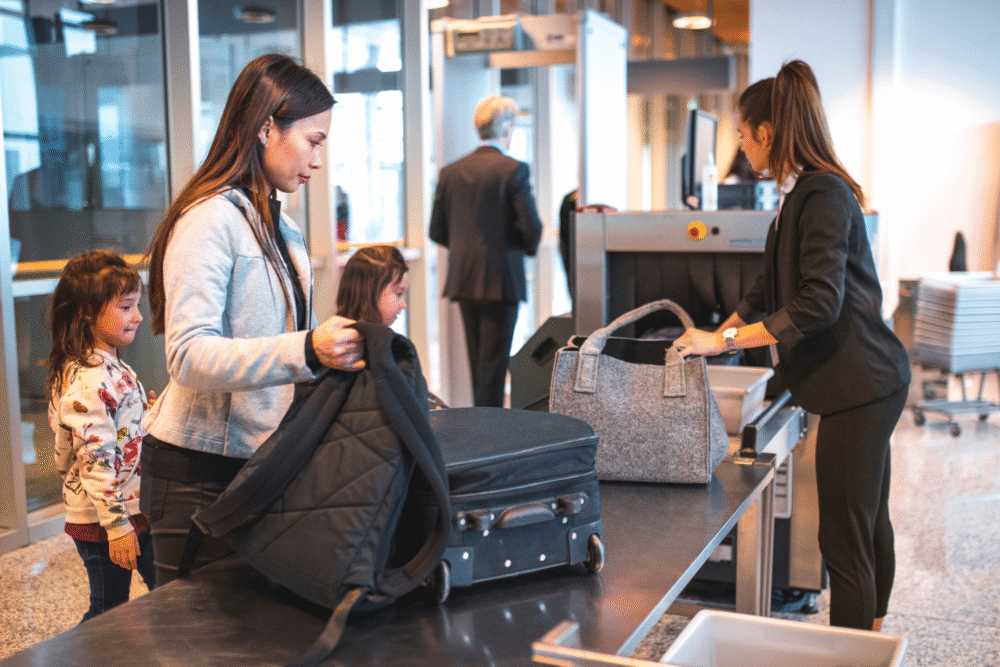
The scam often starts before you even reach the counter. Thieves linger near self-check kiosks, watching for distracted passengers juggling luggage and documents. When the moment’s right, they discreetly switch the printed baggage tag with one from another flight—or even a fake one with their own details.
You board your flight none the wiser, but your suitcase is rerouted to another destination entirely. Once it arrives, the scammer—who knows exactly where it’s headed—claims it as their own. By the time you realize what happened, your luggage has vanished, and airline tracking can’t help because it was “delivered” correctly.
2. Inside airport staff may be helping the operation.

In some cases, the deception goes deeper. Dishonest baggage handlers or contractors are being paid by organized rings to pull tags or open cases that match certain profiles—luxury luggage, brand-new gear, or frequent-flyer tags.
The insider quickly identifies high-value bags, scans the codes, and arranges for them to be “misrouted.” Because they work inside secure areas, they can move the bags out unnoticed. These insider-assisted scams are hard to trace because they look like ordinary luggage mishandling—until valuables start popping up on resale sites days later.
3. Fake delivery claims make theft look legitimate.

Here’s where the con gets extra sneaky: scammers are exploiting the airline’s own tracking systems. Once your bag is diverted, they use stolen credentials or insider help to mark it as “delivered.” You see a confirmation in your app, but the suitcase never appears.
When you file a claim, the airline system insists your bag arrived. That delay gives thieves time to empty or sell off your belongings. By the time the airline investigates, your luggage is long gone, and the digital trail looks legitimate, making reimbursement nearly impossible.
4. “Helpful” strangers offer to print or attach tags.
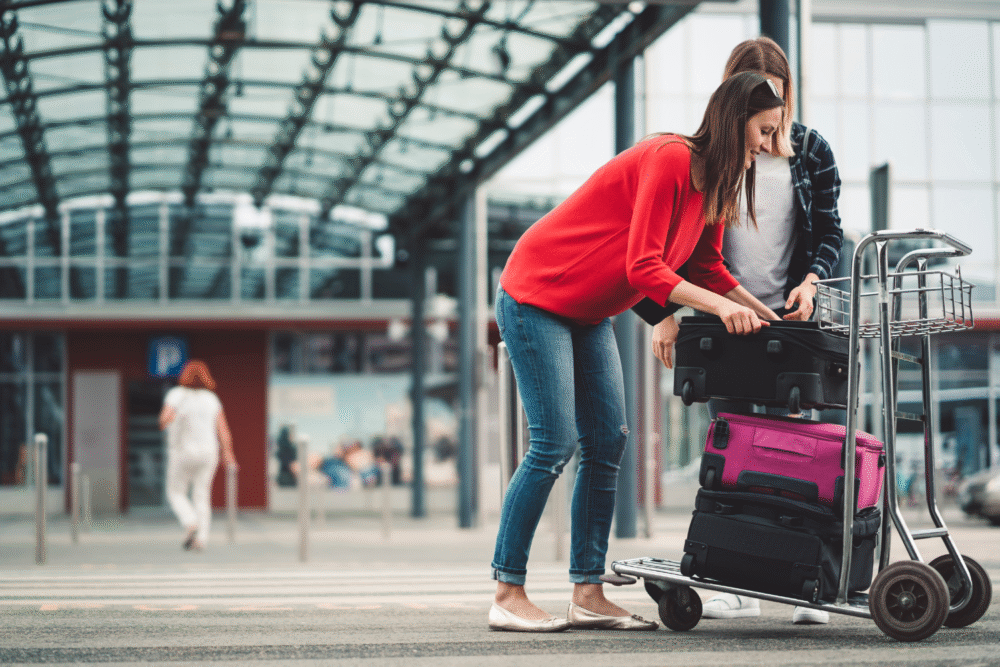
You’ve probably met friendly travelers offering assistance at kiosks—but sometimes, they’re not travelers at all. Scammers pose as fellow passengers or airport helpers and offer to print or attach your bag tag when you seem flustered.
In seconds, they swap in their own preprinted label while you’re distracted. They might even stick it directly over yours, so the fraud isn’t obvious until it’s too late. Your bag goes to them, while you fly away thinking all is well. Always handle your own tags and never accept unsolicited help at the counter.
5. Smart luggage trackers are becoming targets too.
Many travelers use AirTags or similar devices to track their bags, but scammers are catching on. Some have learned to scan for Bluetooth signals, locate tagged luggage, and remove or destroy the tracker before taking off with the goods.
Others use signal jammers or foil liners to block tracking until they’ve cleared the airport. You might see your bag “stuck” at the airport for hours—then offline completely. For peace of mind, hide trackers inside lining pockets or under shoes rather than attaching them where they’re visible.
6. Claims agents are overwhelmed, and thieves exploit that chaos.

Lost baggage departments are swamped, especially during peak travel seasons. Scammers know that delays and system overloads mean victims wait days before getting real answers.
In that window, thieves file false claims, posing as you to collect compensation or refunds. They’ve even used forged boarding passes and ID photos grabbed from social media. By the time you finally talk to a real representative, the system already shows your “issue resolved.” Always report missing bags in person before leaving the airport.
7. Fake airline representatives reach out after your flight.

Scammers also strike after you land. Using data from stolen boarding passes or social media posts, they call or text pretending to be airline support, saying your “lost luggage” was found and they just need your address or a small “delivery fee.”
It sounds convincing, especially after a stressful trip. But the link or payment portal they send is a phishing scam designed to steal your financial information. Real airlines never request payment to return a delayed bag—so if anyone does, hang up immediately and contact customer service directly.
8. Rental cars and hotel bell desks are the final weak links.
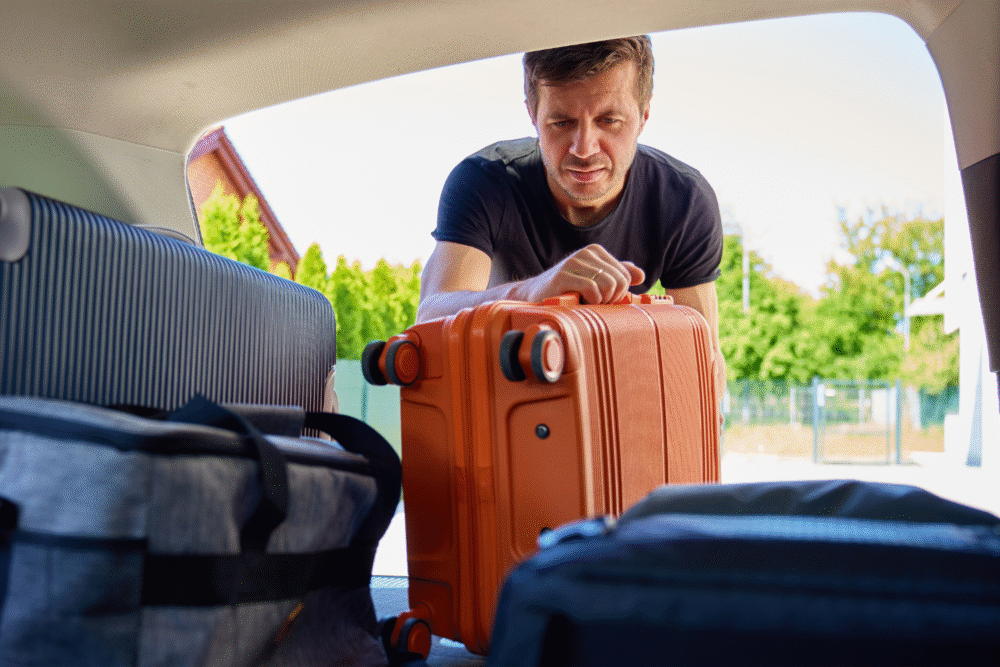
Even after your flight, thieves sometimes intercept luggage once it’s transferred to ground handlers or hotel valets. In high-tourism cities, fake “couriers” lurk near shuttle zones and car rental counters, claiming to be from your airline or hotel.
They approach confused travelers, show a convincing badge or clipboard, and offer to “deliver your bag personally.” Once you hand it over, it’s gone for good. Always confirm baggage transfers through official airline or hotel channels—never with anyone approaching you unsolicited.
9. Social media posts make you an easy target.
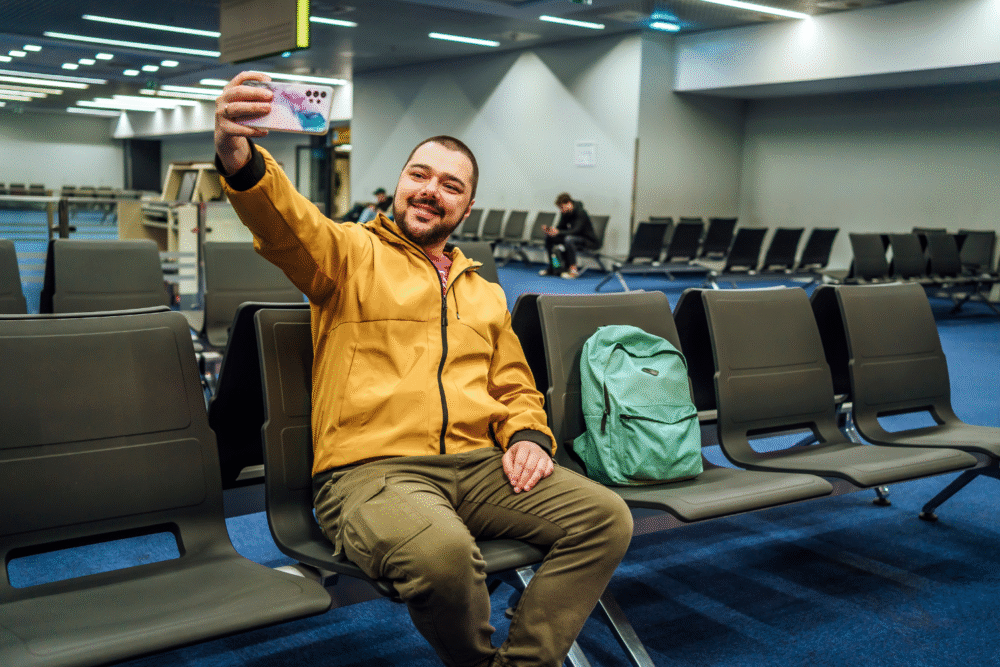
Posting your boarding pass, luggage tags, or even selfies at the airport can expose more than you think. Scammers use those details—barcodes, flight numbers, and names—to track your movements or identify when your suitcase will be unattended.
They match your flight data with luggage carousels or baggage claim lists, then swoop in pretending to be you. Even harmless posts like “Off to Paris!” can signal when your belongings are in transit. Keep travel updates vague until after you’ve reached your destination safely.
10. The best protection is vigilance and personalization.

Avoid pre-checking bags when possible, and if you must, take photos of every tag and receipt before boarding. Add an AirTag deep inside your luggage, not outside. Choose unique bag identifiers that are hard to replicate, and check your tags before walking away from the counter.
If your suitcase goes missing, immediately file an in-person report and keep copies of all communications. The faster you act, the harder it is for thieves to manipulate systems. In this age of convenience, your best defense is still good old-fashioned attention.