
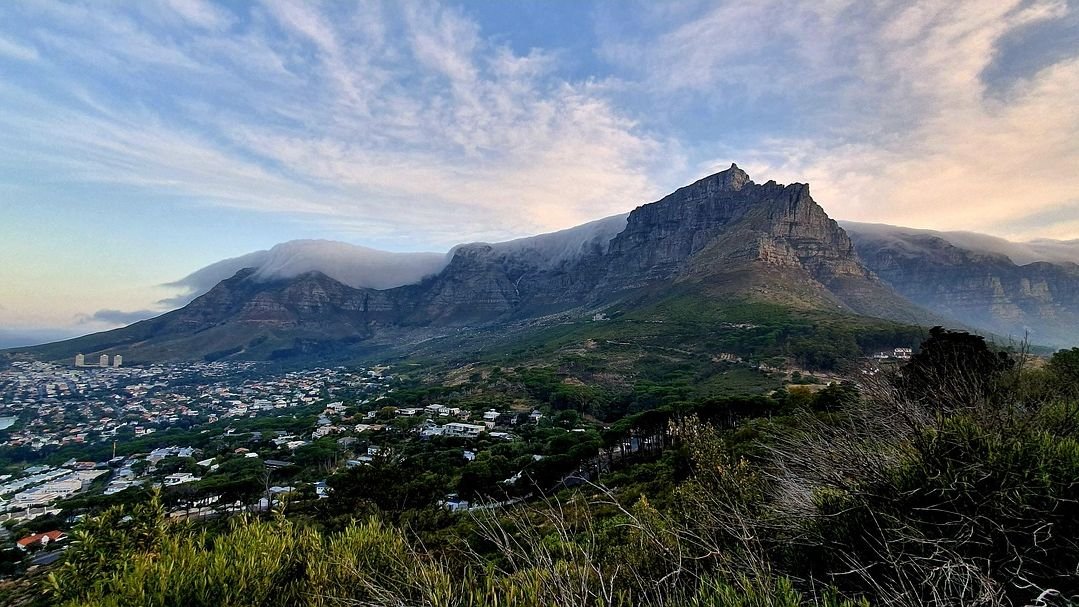
Africa is a continent of staggering contrasts. While headlines too often focus on poverty and instability, an entirely different story is quietly unfolding in gleaming coastal neighborhoods, fortified hilltop mansions, and palm-lined boulevards where property prices rival those of London or Monaco. This is the Africa the travel brochures rarely show you.
The continent’s wealth is real, concentrated, and growing fast. If you’ve ever wondered exactly where the richest people on the planet’s second-largest landmass actually live, which streets carry the heaviest price tags, and which cities are driving a luxury real estate boom, you’re in for a surprise. Let’s dive in.
Africa’s Billionaire Class: Numbers That Will Shock You
Here’s the thing. Africa’s wealth story in 2025 is genuinely jaw-dropping. Africa’s billionaire class hit a new milestone, with the combined wealth of the continent’s richest individuals climbing beyond $100 billion for the first time, listing 22 billionaires with a total net worth of roughly $105 billion, a sharp rise from last year’s $82.4 billion shared among 20 people.
As of 2025, Nigerian billionaire Aliko Dangote is the richest person in Africa, and the African countries with the most billionaires are South Africa with 7, Egypt with 5, Nigeria with 4, and Morocco with 3. That makes South Africa, not Nigeria or Egypt, the country with the densest billionaire population.
The wealth inequality picture is even more striking. Just four of Africa’s richest billionaires hold $57.4 billion in wealth, more than the combined wealth of 750 million people, or roughly half the continent’s population. Think about that for a moment.
Aliko Dangote, Johann Rupert, and the Titans at the Top
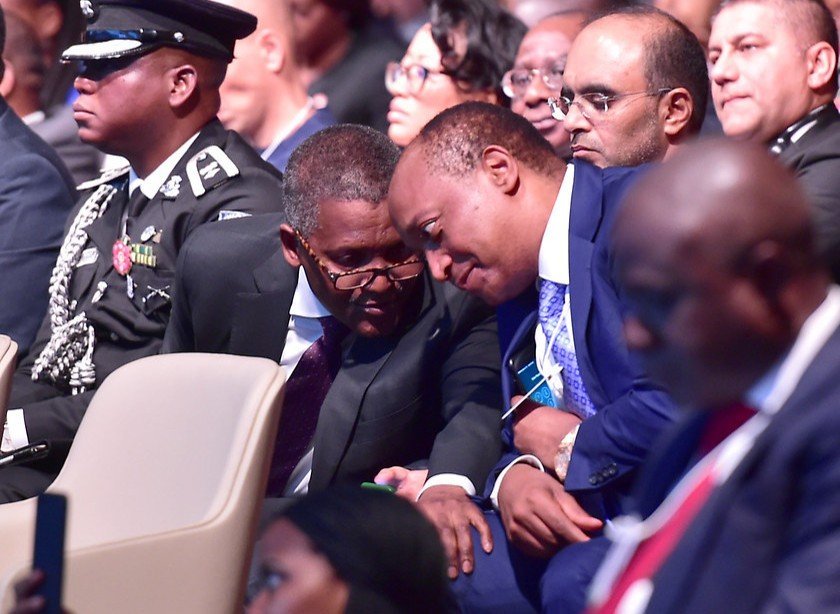
Nigeria’s Aliko Dangote topped the list for a 14th straight year, with his fortune jumping to $23.9 billion from $13.9 billion a year earlier, driven mainly by the addition of his long-awaited oil refinery near Lagos, which began operations in early 2024. That’s a $10 billion leap in a single year. Honestly, the scale of that number is almost hard to grasp.
In second place is South African luxury goods tycoon Johann Rupert, whose fortune rose 39% to $14 billion, the second-largest gain among the continent’s billionaires. This significant wealth is largely attributed to his leadership and ownership in Richemont, a Swiss luxury-goods company, as well as investments in other companies like Remgro and Reinet.
South African diamond magnate Nicky Oppenheimer takes third spot, with his net worth increasing to $10.4 billion. He also owns at least 720 square miles of conservation land across South Africa, Botswana, Zimbabwe, and Mozambique. That’s not a property, that’s a small country.
Cape Town’s Atlantic Seaboard: Africa’s Most Glamorous Real Estate
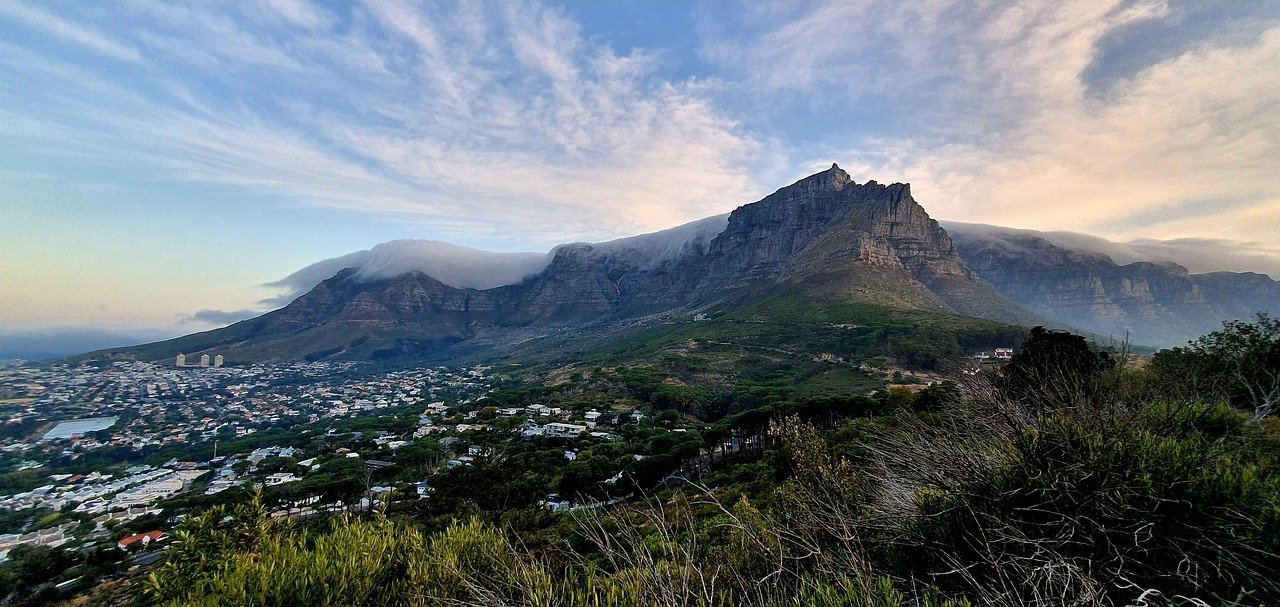
Cape Town consistently ranks as one of Africa’s most expensive cities, driven by its desirable lifestyle, stunning scenery, thriving tourism industry, and status as a global business and cultural hub. Nobody who has stood on the slopes above the city looking down at the ocean would argue with that.
The Atlantic Seaboard, including Clifton, Camps Bay, Bantry Bay, and Fresnaye, represents Cape Town’s most expensive property market, with apartments averaging R60,000 per square meter and houses exceeding R40,000 per square meter. To put that in perspective, that’s approaching what you’d pay in parts of central Paris or Amsterdam.
Cape Town property prices grew around 8% in 2025, roughly double the national average, driven by migration from other provinces and persistent land scarcity between mountain and ocean. Prime coastal areas like Clifton and Camps Bay command prices 5 to 10 times the metro average.
Camps Bay: The Crown Jewel of South African Luxury
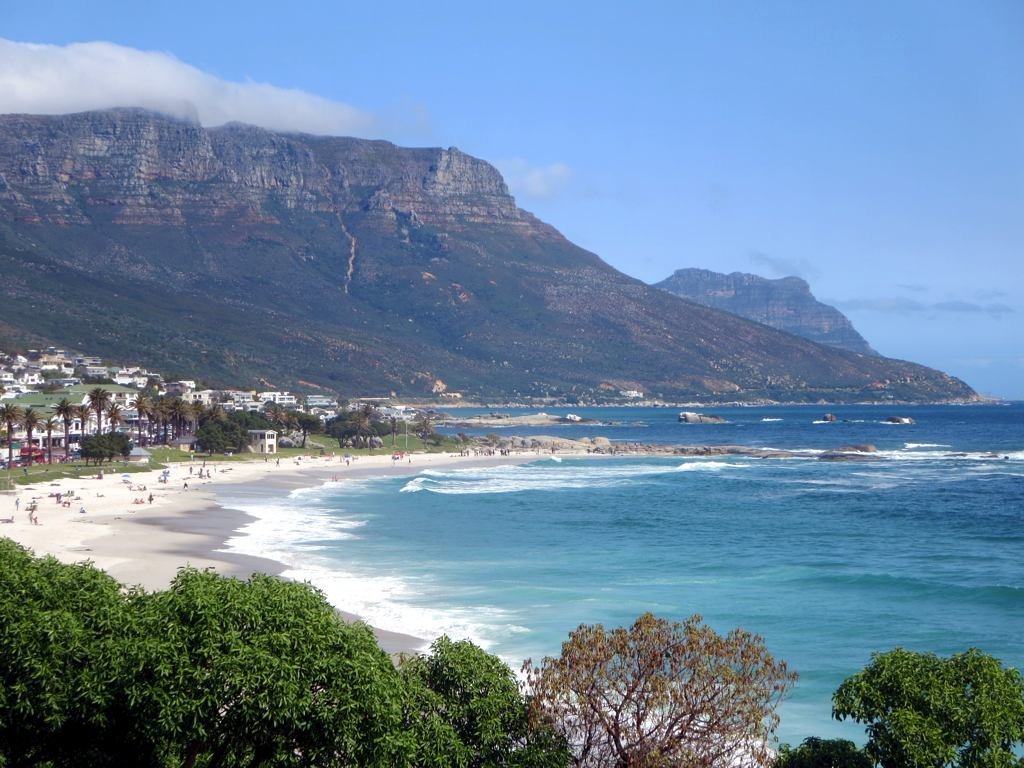
If one neighborhood represents the peak of African luxury real estate, it is Camps Bay. This is where the mountain meets the sea and the money never seems to stop flowing. Camps Bay tops the super-luxury category nationwide with the highest number of high-value, R20 million-plus property sales.
Atlantic Seaboard areas including Camps Bay and Clifton represent the premium rental market, with one-bedroom apartments starting at R12,000 to R18,000 monthly, two-bedroom units ranging from R18,000 to R30,000, and the most exclusive properties commanding R60,000 or more monthly for premium houses with ocean views.
The street level madness peaked when the mansion at 30 Geneva Drive in Camps Bay, popularly known as “Casablanca,” made headlines after it went onto the market with a price tag of R700 million. The residence has eight bedrooms, 13 bathrooms, a gymnasium, squash court, massage room, a sauna for 12 people, a movie theatre with 18 seats, and a walnut-paneled wine cellar and whiskey bar. Let that sink in. R700 million. In Africa.
Sandton, Johannesburg: The Richest Square Mile in Africa
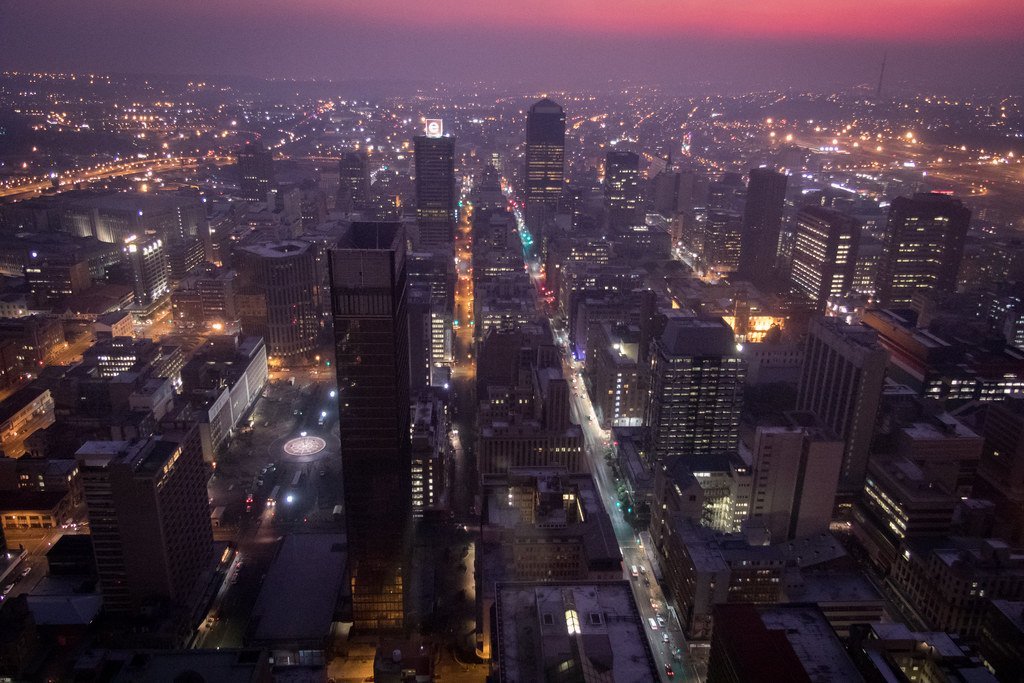
Sandton is widely referred to as a vibrant, modern neighbourhood that contains the richest square mile in Africa. Coming from the continent where Lagos, Cairo, and Nairobi all compete for economic dominance, that’s a remarkable claim, but the property data backs it up completely.
In Johannesburg in 2026, the highest price per square meter is found in Sandton at R22,000 to R55,000 per sqm, while luxury properties typically range from R10 million to R30 million or more, which includes large 4 to 6 bedroom homes in premium areas like Sandhurst, Sandton, or Houghton.
Johannesburg’s luxury property market in 2025 reflects both its role as Africa’s financial powerhouse and its unique blend of history, lifestyle, and exclusivity. From the historic elegance of Houghton Estate to the modern prestige of Sandhurst and the tranquil charm of Inanda, each suburb offers its own take on wealth and sophistication. Sandhurst is undoubtedly one of the most exclusive and prestigious suburbs in South Africa, where a property of R150 million was recently listed, believed to be the highest price ever asked for a residential property in Gauteng.
Where South Africa’s Wealthiest Actually Live
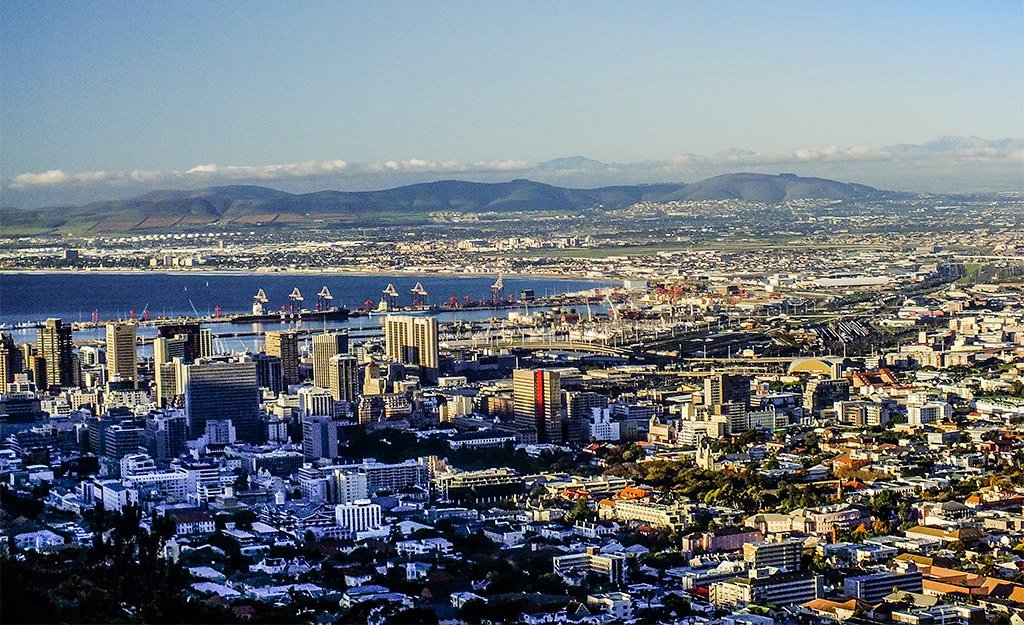
You might assume Johannesburg has the greatest density of ultra-rich residents. The answer is more nuanced and genuinely surprising. Henley and Partners revealed in its Africa Wealth Report for 2025 that Cape Town and the Winelands region have the highest concentration of dollar billionaires in South Africa, with six living in the city and the surrounding area.
Only two dollar billionaires live in Johannesburg, which has retained its position as the wealthiest city in Africa by number of dollar millionaires. The City of Gold is still home to the most dollar millionaires at 11,700, but Cape Town is closing in on the top spot, with 8,500 dollar millionaires and more centi-millionaires than Johannesburg.
Cape Town’s number of millionaires has grown by 33%, while Johannesburg’s has declined by 35% over the past decade. That is a seismic shift in where African wealth is choosing to plant itself. Large numbers of wealthy individuals also live in lifestyle estates in the up-and-coming Waterfall-Midrand area, including estates such as Steyn City, Blue Hills, and Saddlebrook.
Nigeria and Kenya: The Other Wealth Hubs
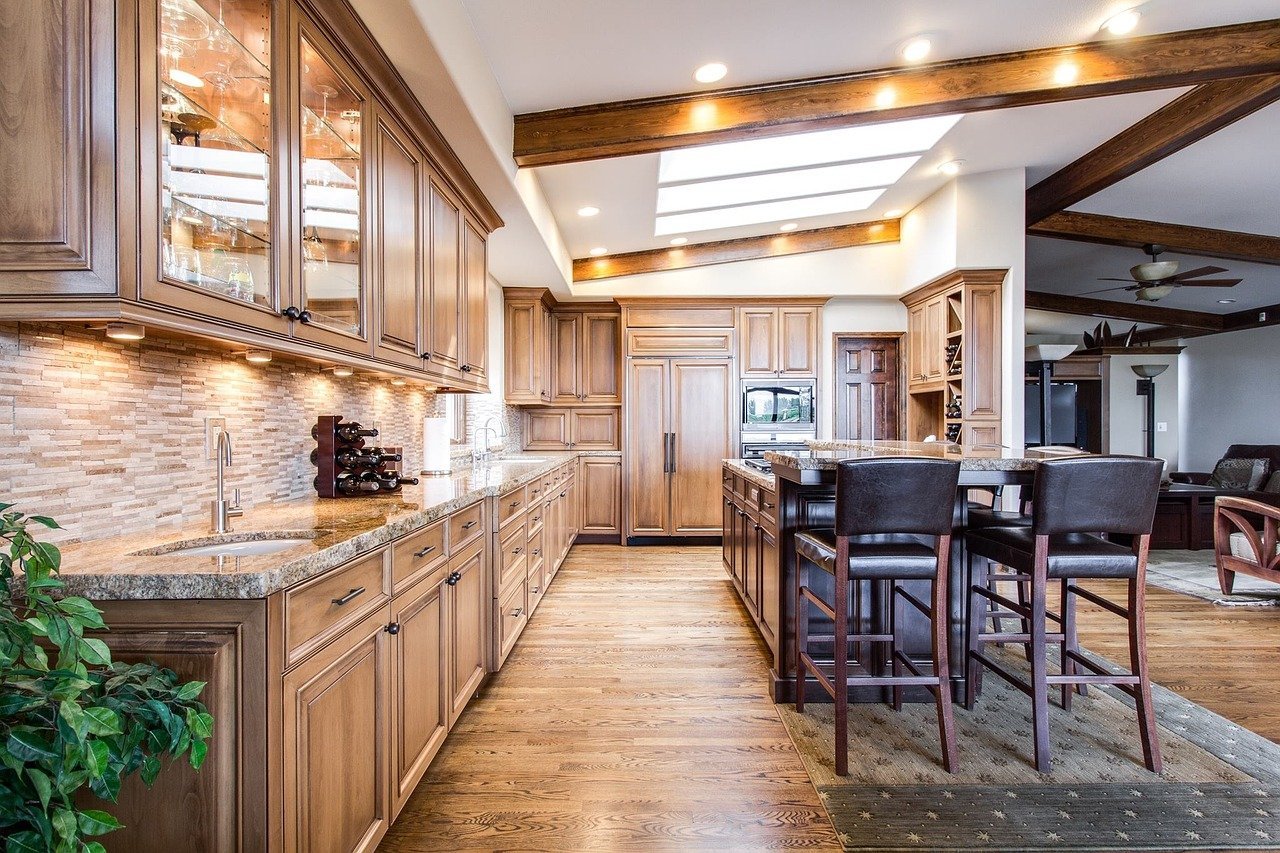
South Africa dominates the luxury real estate conversation, but it is far from alone. In Nigeria, premium neighbourhoods dominate the real estate market, particularly in Lagos and Abuja, with areas like Ikoyi, Victoria Island, and Maitama known for their high property prices due to demand from businesses, expatriates, and affluent locals.
Kenya’s most expensive properties are concentrated in Nairobi’s exclusive neighbourhoods like Karen and Runda, which attract high-net-worth individuals seeking spacious homes and proximity to business districts. Think of Karen as Nairobi’s answer to Sandton. Expansive plots, security walls, and quiet roads that signal serious money.
The most expensive neighbourhoods in Kenya are in Nairobi, including Muthaiga, Upper Hill, and Lower Kabete, known for their high-end homes, strict building laws, and proximity to schools, malls, and services. Property here commands roughly $1,385 per square meter, placing Nairobi firmly in the continent’s upper tier.
Morocco and North Africa: Casablanca, Marrakech, and the Mediterranean Premium
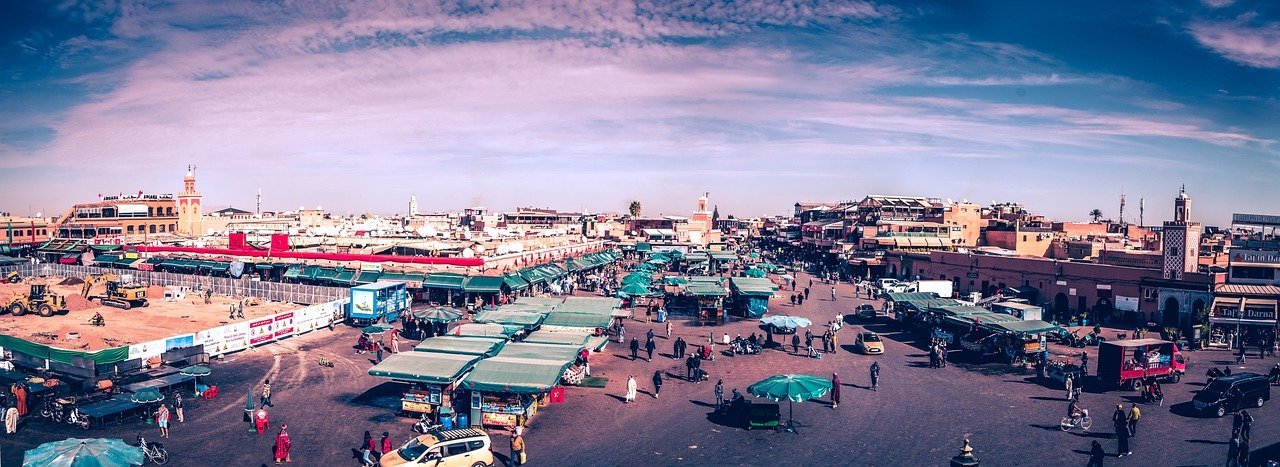
North Africa is often overlooked in these conversations, but Morocco in particular packs a serious punch when it comes to property values. Morocco stands out as one of the most expensive property markets in Africa, with cities like Casablanca and Marrakech known for their vibrant atmospheres, historical significance, and luxurious living spaces.
The most expensive neighbourhoods in Morocco include Anfa Supérieur in Casablanca and Souissi in Rabat, with these cities known for their premium housing options and popularity with international buyers. As of 2024, the Souissi neighbourhood had the most expensive real estate in Rabat, with an average offer price of 21,000 Moroccan dirhams per square meter.
Marrakech especially has become a magnet for European and Gulf wealth. I think a lot of people underestimate just how much foreign money has poured into Moroccan real estate over the past decade. It is reshaping entire neighborhoods from the ground up.
Mauritius: Africa’s Most Expensive Property Market Per Square Meter
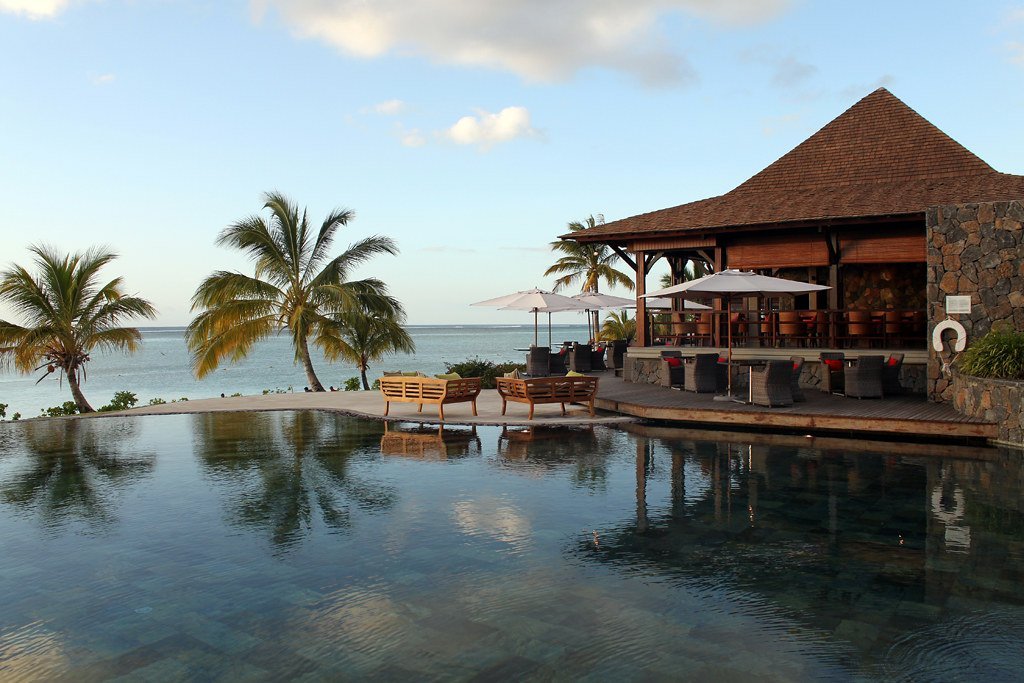
Here is where it gets really interesting. When you rank African countries purely by property cost per square meter, a small island nation comes out on top. Mauritius leads the list of the continent’s most expensive neighbourhoods overall, with its high property costs driven by a robust economy and a focus on luxury developments, with the island nation’s appeal to international investors and expatriates shaping its property market.
Mauritius is essentially Africa’s Monaco. It’s a tax haven, a tropical paradise, and a preferred relocation destination for wealthy Europeans and South Africans. The combination of financial incentives and Indian Ocean views creates a property market that operates almost completely on its own terms.
It’s hard to say for sure exactly what the ceiling of Mauritian luxury property is right now, but there’s no shortage of buyers. Although high property prices pose challenges for residents, they reflect economic development and advancement, offering opportunities for investors who want to benefit from the real estate market.
Luanda, Angola: The Surprising Wildcard
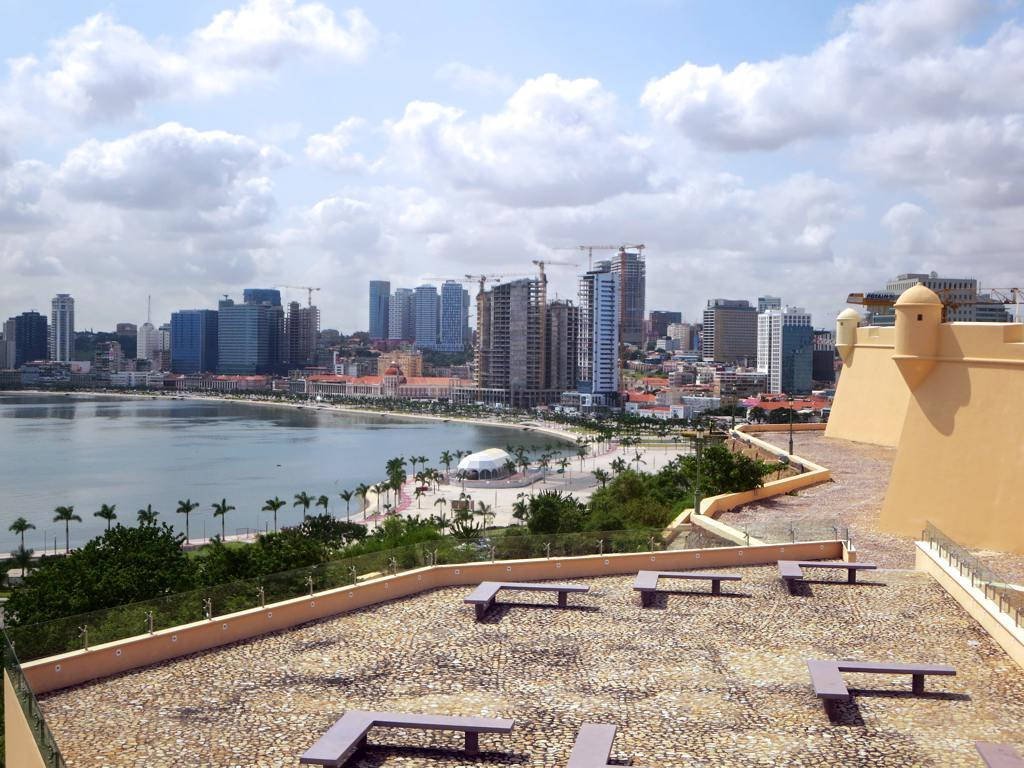
Luanda, the capital of Angola, continues to feature among Africa’s most expensive real estate cities, driven by its oil-rich economy and a surge in luxury developments catering to expatriates and wealthy locals. For years after the oil boom, Luanda was literally one of the most expensive cities on earth for expatriates. Rents that would embarrass Manhattan.
Despite economic fluctuations, Luanda’s property market remains robust, with prime real estate fetching premium prices. The city is a fascinating contradiction: extreme luxury sitting right next to extreme poverty, fueled almost entirely by petroleum wealth and the international community that surrounds it.
The Inequality Beneath the Glamour
Let’s be real for a second. The luxury real estate story and the billionaire rankings exist against a backdrop that is impossible to ignore. Africa’s richest 5% hold nearly $4 trillion in wealth, more than double the combined wealth of the rest of the continent. That is an extraordinary concentration of resources in very few hands.
In just three days, someone in Africa’s richest 1% earns what it takes a person in the poorest half an entire year to make. The gap between Camps Bay and the informal settlements just a few kilometers away from it tells that story more powerfully than any statistic can.
Over the past five years, African billionaires have increased their wealth by 56%. Whether that wealth eventually trickles down, or whether it stays locked behind the high walls and security gates of Sandhurst and Clifton, remains one of the defining questions of modern Africa.
Conclusion: Africa’s Wealth Is Real, Concentrated, and Growing
The picture that emerges is clear. Africa’s wealthiest cluster in a handful of cities, and within those cities, in a handful of streets. Cape Town’s Atlantic Seaboard, Johannesburg’s Sandton corridor, Nairobi’s Karen and Muthaiga, Lagos’s Ikoyi, and Mauritius’s oceanfront estates represent the true geography of African wealth in 2026.
South Africa punches well above its weight, leading the continent in billionaire count and hosting some of the most breathtaking, most expensive properties anywhere in the world. Camps Bay alone could hold its own against almost any luxury coastal neighborhood on the planet.
The continent’s wealth story is no longer just a future promise. It is a present reality, playing out right now in property records, billionaire rankings, and penthouse listings that would make a Mayfair estate agent blush. Did you expect Africa’s luxury real estate to look quite like this?