
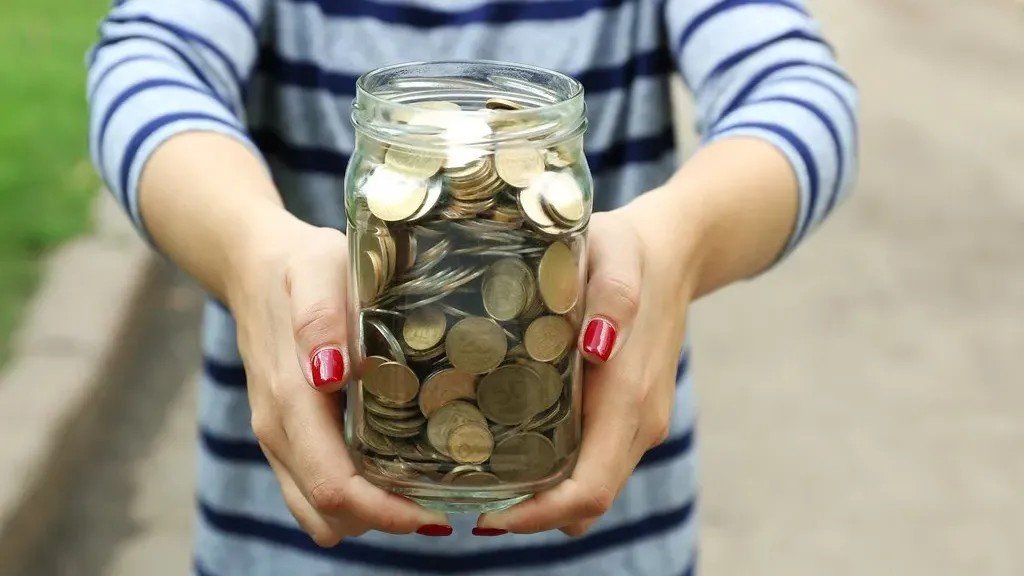
It happened. After more than two centuries of minting, the humble American penny is officially gone from production. The U.S. Mint struck its very last circulating one-cent coin on November 12, 2025, in Philadelphia, where the whole story began back in 1793. For most Americans, the immediate reaction has been somewhere between nostalgia and a shrug. But now there’s a very real, very practical question sitting in millions of homes across the country: what on earth do you do with all those pennies?
There are an estimated 300 billion pennies in circulation right now, far exceeding the amount needed for commerce. That’s a staggering amount of copper-colored metal sitting in jars on kitchen counters, rattling around in car cupholders, and collecting dust at the bottom of purses. If you’ve been ignoring yours, now is a genuinely good time to think about your options.
Your Penny Jar Is Worth More Than You Think

Here’s the thing about the penny: it had been losing the economic argument for years. Over the past ten years, the total production cost of the penny rose from 1.3 cents to 3.69 cents per penny, including materials, facilities, and overhead. That means the government was spending nearly four times the coin’s face value just to produce it.
On February 9, 2025, President Donald Trump announced he had ordered the Treasury secretary, Scott Bessent, to stop producing new pennies, citing the need to reduce unnecessary government spending. The U.S. Mint projected an immediate annual savings of $56 million in reduced material costs by stopping penny production.
Pennies will continue to be legal tender and retain their nominal value in perpetuity. So your jar of pennies isn’t worthless. It’s still money. The question is what you do with it smartly. Here are ten practical and smart things you can do with your pennies during this historic transition.
1. Spend Them While You Still Can at Stores
The most straightforward option? Just use them. The penny will retain its full monetary value indefinitely, and it will continue to be recognized as legal tender, allowing consumers to use pennies for cash transactions at businesses that choose to accept them, even after new pennies are no longer produced and distributed.
The Treasury Department encourages the public to spend their on-hand pennies to support a smooth transition and allow retailers and point-of-sale system providers time to adapt. Think of it like clearing out the pantry before a move. Use them at gas stations, small grocery stores, fast food counters, any place that still handles cash.
Most transactions in the U.S. are now done electronically using cards or mobile payment options rather than physical cash, so if you don’t often pay in cash you may not even realize pennies are being phased out. But if you are a cash user, spending your pennies now is probably the easiest, fastest option available.
2. Deposit Them at Your Bank or Credit Union

Got a serious jar situation going on at home? A good bank trip can fix that in one afternoon. Take your pennies to the bank, as most banks will exchange pennies for other money, though some require rolled coins. It’s a completely straightforward transaction that converts your loose change into usable money.
Businesses, including individuals, may continue to deposit pennies at their financial institutions. Honestly, this is the most practical move for anyone sitting on hundreds or thousands of cents. Don’t let the pennies just sit there losing psychological real estate in your home.
Some banks have coin-counting machines right on site that handle the counting for you. You can spend your pennies or deposit them at your bank, and in fact, bringing in coins from home helps improve overall circulation during the transition. Every penny you bring in actively helps the broader economy adjust.
3. Use a Coinstar Machine or Coin-Counting Kiosk
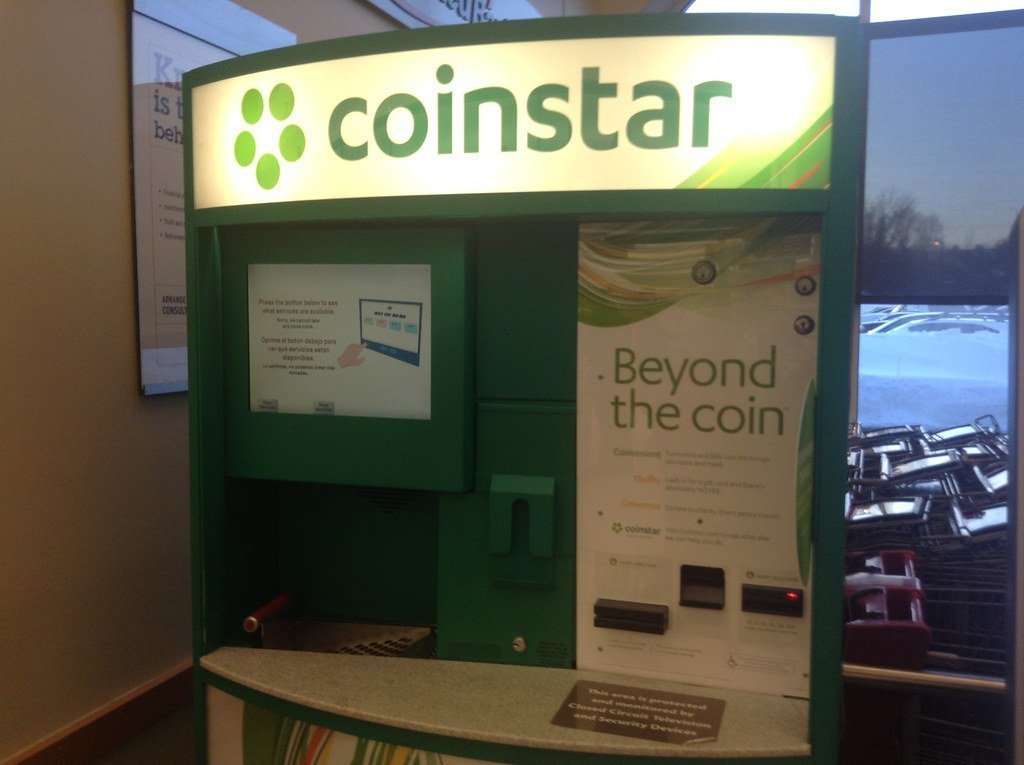
If your bank doesn’t take loose coins, or you just want something convenient, Coinstar machines are genuinely useful here. Many grocery stores offer Coinstar machines, which can count and convert your coins into gift cards or cash, though cash redemptions come with a processing fee of about 11.9%, while gift card redemptions are typically fee-free.
That processing fee stings a little, I’ll be honest. But if you want a no-hassle conversion and you’re happy with a gift card to Amazon, Target, or a similar retailer, it’s a totally viable option. You basically get the full face value, just not in cash.
Consumers are also invited to donate directly at participating Coinstar kiosks, with any amount gratefully accepted and donations being tax deductible. You can choose from charities like The American Red Cross and Feeding America. So if you’d rather your pennies go to a cause than your wallet, you can do that right at the machine.
4. Donate Your Pennies to a Charity

Let’s be real: if you have a massive jar of pennies and you’re never going to count them yourself, donating them is genuinely one of the best uses of this moment. Collectively, pennies are powerful and have aided charities in raising hundreds of millions of dollars for important causes, one cent at a time.
For the most part, charities will accept any type of monetary donation, and many specifically solicit loose change drives. Schools, food pantries, animal shelters, and community organizations have long used penny collections as fundraising tools. The total adds up faster than you’d think.
Starting a change drive at your child’s school, community center, or at work is a great way to pool the effort. Turning a jar of dusty pennies into a meaningful donation takes almost no effort and leaves you feeling a lot better than tossing them in the garbage.
5. Check for Rare and Valuable Pennies Before You Spend Them
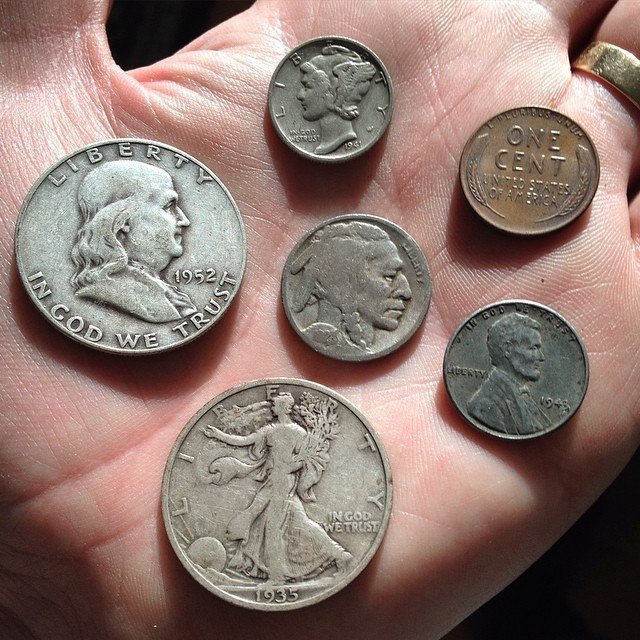
Before you rush to the bank or feed everything into a Coinstar, stop and look through what you have. Some pennies hiding in ordinary jars are genuinely worth serious money. The 1909-S VDB Lincoln cent is one of the most valuable, often worth thousands of dollars due to its low mintage, while the 1943 Copper Penny, mistakenly struck in bronze instead of steel, can be worth over $100,000.
The 1955 Double Die Obverse penny, known for its noticeable doubling in the date and lettering, is another valuable error coin, and wheat pennies from 1909 to 1958, especially the 1914-D, 1922 No D, and 1931-S, are collectible due to their rarity. These aren’t coins you want to accidentally dump into a counting machine.
Experts recommend using a bright light and a magnifying glass or your phone’s zoom camera, checking dates first and focusing on anything pre-1982, and looking for mint marks like “S” for San Francisco or design quirks like double lettering or off-center prints. A few minutes of sorting could save you from missing a genuinely valuable find.
6. Separate and Keep Your Pre-1982 Copper Pennies
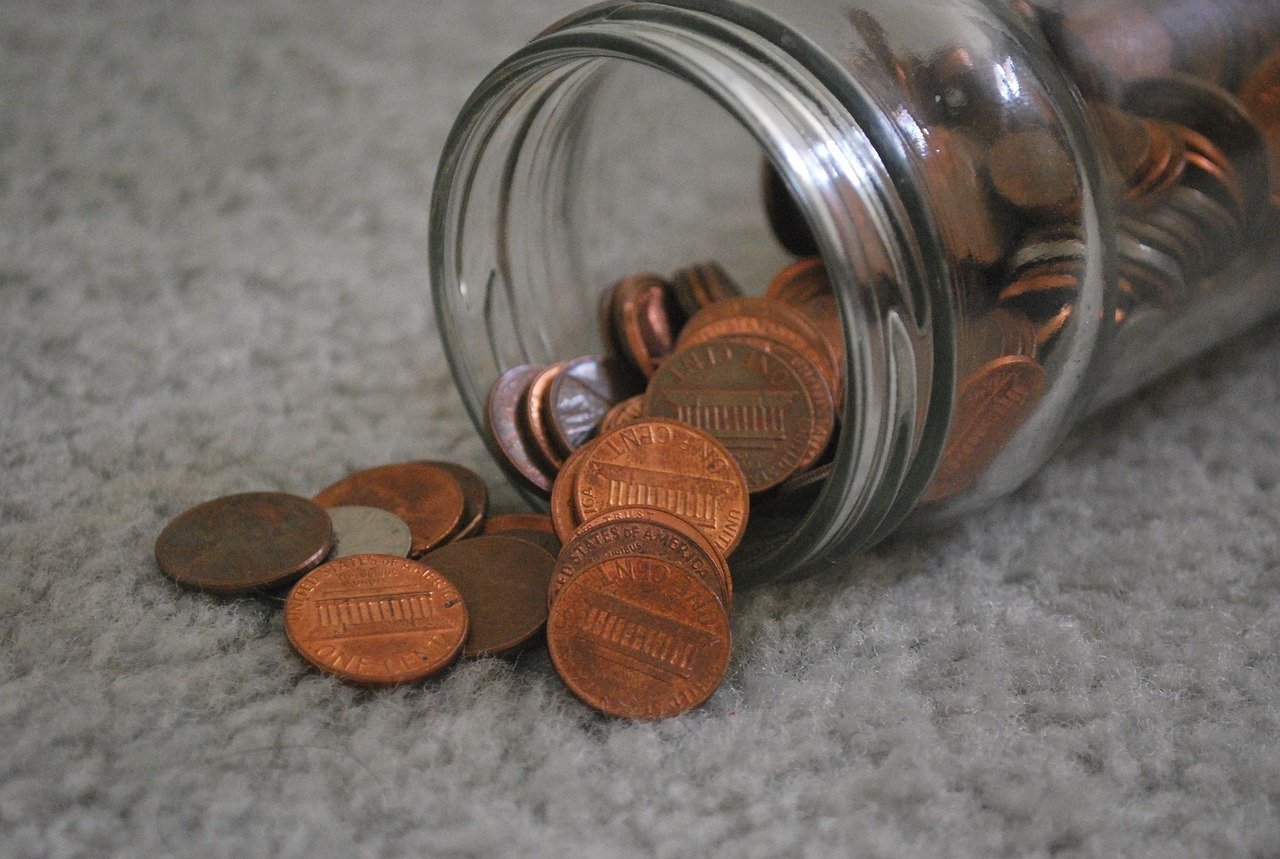
Here’s a fact that surprises a lot of people. Pre-1982 Lincoln Memorial pennies have value because they contain 95% copper, making them worth more than face value for their metal content. A pre-1982 copper penny is typically worth about two to three cents, which might not sound like a fortune, but adds up quickly when you have a large quantity. If you have a jar containing $100 in face value of copper pennies, the actual copper inside is worth closer to $300.
To determine copper content, you can weigh your pennies: a pre-1982 penny weighs 3.11 grams, while a post-1982 penny weighs around 2.5 grams due to its zinc composition. A basic kitchen scale is all you need to start sorting.
One important thing to know: melting, treating, or exporting pennies and nickels remains prohibited under 31 C.F.R. section 82.2(f), with limited exceptions. You can sell pre-1982 copper pennies to dealers and collectors, but you cannot legally melt them for their raw metal value. Keep that in mind before any ambitious plans.
7. Save Some as Keepsakes and Family Heirlooms
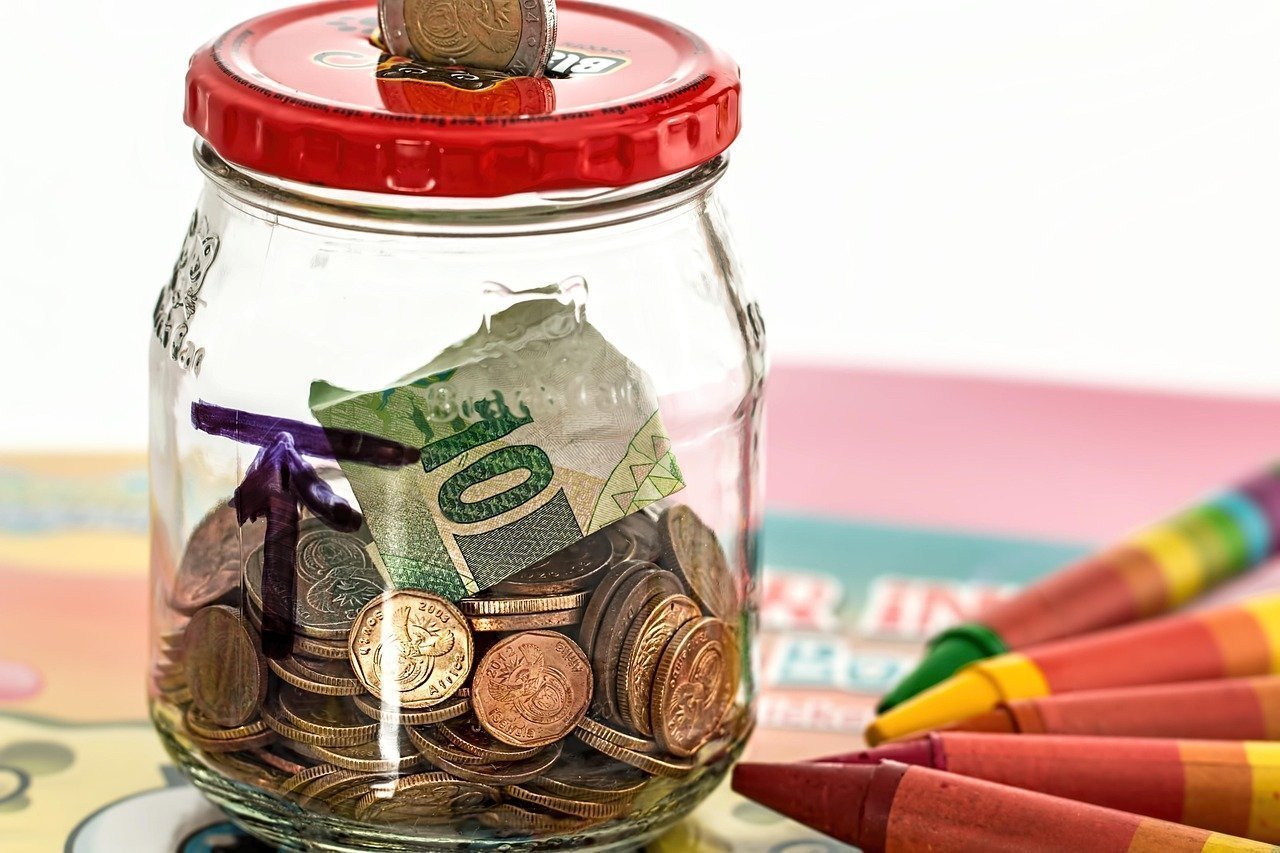
Honestly, this one matters more than people admit. The penny has been part of American life for 232 years. The penny has had cultural and symbolic roles, including piggy banks, collecting pennies for charity, the phrase “penny wise,” and the image of Lincoln on the coin.
Choose a few years of note, like a child’s birth year, your anniversary, or the oldest penny you can find, and keep them. Future generations will find these coins genuinely interesting as historical artifacts. It costs you nothing to set aside a few meaningful ones before you cash the rest in.
As the penny disappears from circulation, it may become a nostalgic keepsake or collectible, and saving a few with unique dates or sentimental value creates a future conversation piece or family heirloom. Think about how people today treasure old coins they stumble across from their grandparents. In fifty years, someone in your family might feel the same way about a 2025 penny.
8. Use Them Creatively for Art and Home Projects

This one sounds quirky, but people have been doing penny art and decor projects for years, and they genuinely look striking. With a bit of glue and sealant, pennies can be turned into durable and eye-catching floor or tabletop designs, used to create wall art, mosaics, or jewelry, especially those with meaningful dates, or even crafted into holiday ornaments, wreaths, or photo frames.
Think of it like using a mosaic tile that happens to have Lincoln’s face on it. Penny floors in bathrooms or entryways have become a niche but genuinely cool design trend. They’re durable, unique, and now carry a bit of historical weight given the penny’s retirement.
Pennies are also great teaching tools for young kids just learning about money, and they can be used to explain coin values and practice counting. If you have children, this transition moment is actually a brilliant opportunity to have a real conversation about how money works and how it changes over time.
9. Understand the Rounding Rules for Cash Transactions Going Forward

One thing that confuses a lot of people right now is what happens to prices when pennies run out. It’s worth knowing this clearly so you’re not caught off guard at a register. One approach is symmetric rounding, where amounts ending in .01 and .02 will round down to .00, while those ending in .03 and .04 will round up to .05. Overall, this would be neutral, as some prices would go up and others would go down.
Electronic payments, such as credit and debit card transactions, will remain unaffected and continue to be processed at exact amounts. So if rounding feels unfair to you, paying by card is a completely straightforward solution that avoids the issue entirely.
According to a 2025 Federal Reserve study, cash transactions in 2024 dropped to only 14% of all transactions, with persons aged 55 and older using cash for about 19% of their transactions, while those aged 18 to 24 used cash for only roughly 10%. For most Americans, the penny’s exit will have almost no practical impact on daily life.
10. Be Wary of Penny Speculation and Inflated “Collector” Scams

There’s been a lot of hype swirling around the idea that regular 2025 pennies will suddenly be worth a fortune. Let’s pump the brakes on that. When Trump made his penny announcement, people began collecting freshly minted coins on the assumption that they could be worth a lot of money, and online sellers rushed to list boxes of brand-new 2025 pennies for $1,000 or more, despite those boxes having a face value of just $25.
Coin experts say anyone paying these inflated prices for pennies is likely wasting their money. Experts estimate the U.S. Mint produced roughly a billion 2025 pennies before production ended, and that doesn’t even include the three billion pennies minted in 2024. There is simply no scarcity argument to be made for common-issue pennies.
There are, however, genuinely rare exceptions. There is one genuinely valuable 2025 penny product: the U.S. Mint produced 232 special omega-marked pennies in Philadelphia, as well as another 232 in Denver, to accompany 232 gold versions commemorating the denomination’s end, with these expected to fetch about $10,000 to $20,000 each. If you happen to have one of those, that’s a very different conversation.
The Penny Era Is Over. But Your Pennies Still Have a Future.
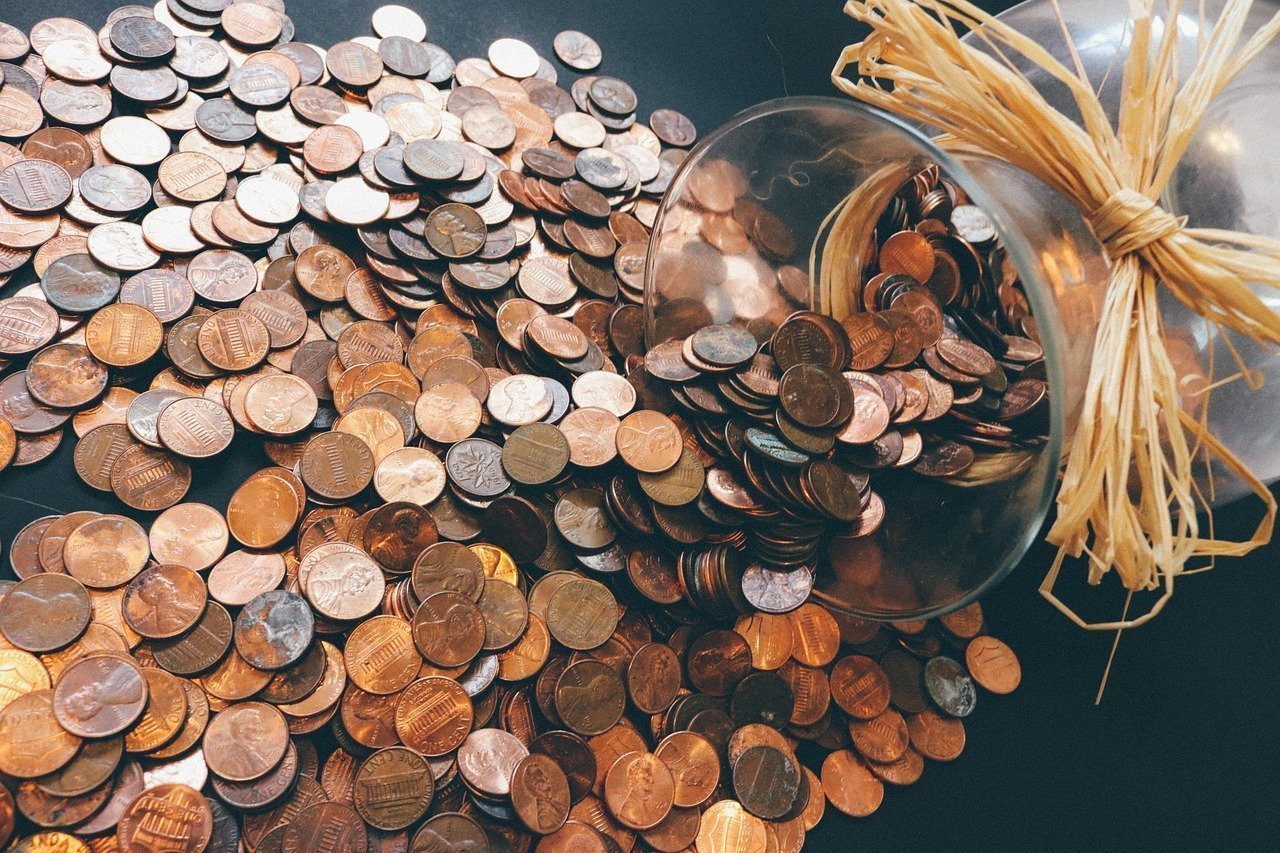
The end of the penny is one of those moments that feels bigger than it is, and at the same time, more significant than it seems. A coin that has been in American pockets since 1793 is gone. That’s not nothing. The U.S. stopped using the half-cent coin back in 1857, and at the time, that coin was worth more than 8 cents in today’s currency. People had no problem living and conducting business afterward, even though the new smallest unit of currency, the penny, had a value of about 17 cents in 2024 dollars.
History tells us that transitions like this go smoothly when people engage with them practically. Other countries, including Canada, Australia, New Zealand, and the Netherlands, eliminated their smallest coins in recent decades and life went on without disruption. The U.S. experience will likely follow the same pattern.
So go check your jars. Sort your pennies. Look for that 1909-S VDB or a 1943 copper penny that might be quietly sitting in a roll. Donate what you don’t need. Spend the rest. And save just a few so one day, when someone asks what a penny looked like, you can pull one out and tell the whole story.
What will you do with yours?