
Most people still picture Africa as a single risk-heavy frontier. A place where capital goes to be brave, not smart. Honestly, that view is outdated – and for investors who keep clinging to it, there’s an entire continent of underpriced opportunity they’re simply leaving on the table.
The real story in 2026 is nuanced. As global investors reposition for a new cycle of growth driven by shifting geopolitical alliances and the momentum of green transitions, Africa is drawing renewed interest – this time underpinned by ongoing economic reforms, a youthful expanding population, and rapid digital infrastructure development. The question isn’t whether to look at Africa. It’s where exactly to look, and how to avoid the obvious answers. Let’s dive in.
Rwanda: The Small Country With an Outsized Ambition

Let’s be real – Rwanda is not just a feel-good story anymore. It’s a genuine investment destination, and Kigali specifically is transforming at a pace that surprises even seasoned Africa hands. Rwanda’s economy grew by 11.8% in the third quarter of 2025, and the country has once again affirmed its position as Africa’s leading business-friendly economy according to the World Bank’s Business Ready (B-READY) 2025 report.
Rwanda ranks 2nd in Africa for Ease of Doing Business and 29th globally according to World Bank data, highlighting streamlined procedures and a focus on good governance. That’s not marketing language. That’s verifiable, structural progress. It takes only six hours to start a business there. Think about that for a second – six hours. Not six months.
The hidden gem? The February 2026 launch of the eKash platform, operated by RSwitch, now connects 22 financial institutions enabling instant transfers of up to roughly 7,300 USD in under 15 seconds, while transaction fees have dropped dramatically. This is financial infrastructure being built from scratch, and it creates enormous white space for fintech investors. Kigali currently ranks 61st globally and 8th in Africa as a fintech hub, with Rwanda targeting a place in the Global FinTech Index’s top 30 by 2029 while aiming to attract 300 fintech companies to its ecosystem.
Kigali Innovation City is a flagship project with an investment value of 1.9 billion USD, aimed at providing world-class ICT infrastructure, products and services. Meanwhile, as of late 2024, Kigali Innovation City has already facilitated 40 million USD in tech startup deals, and Rwanda’s efficient 3 to 4 month licensing process makes the country an attractive testing ground for fintech innovations before scaling to neighboring markets.
Senegal: The New Oil Economy Nobody Is Talking About Enough
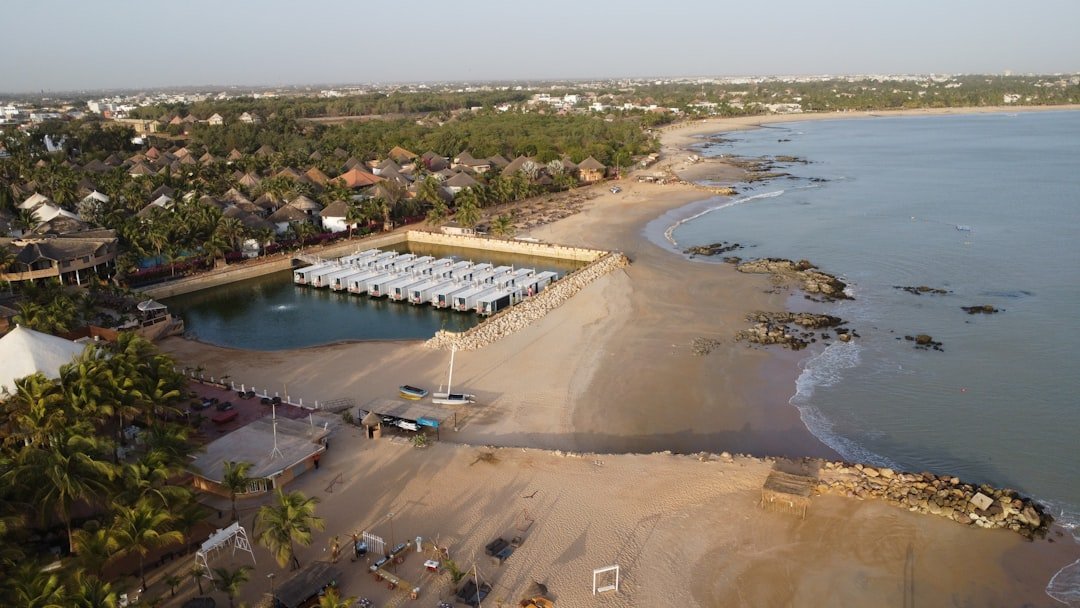
Here’s something that genuinely surprised me when I dug into the data. In 2024, Senegal recorded 6.9% economic growth, significantly up from 4.3% in 2023, driven primarily by the commencement of oil production from the Sangomar field in June 2024. This is brand new oil wealth in a country with a functioning democracy and an existing service economy. That combination is rare.
The Sangomar oil field, jointly developed by Australia’s Woodside Energy and Senegal’s Petrosen, exported 3.8 million barrels of crude oil in April, with output for 2025 forecast to reach between 30.5 and 34.5 million barrels, exceeding earlier estimates. The numbers keep beating projections. Alongside Sangomar, the Grand Tortue Ahmeyim gas project, shared with Mauritania and piloted by BP and Kosmos, also came on stream at the beginning of 2025, with the first phase set to produce around 2.5 million tonnes of LNG per year.
The smart investor’s angle here isn’t necessarily the oil itself. It’s what oil money does to an adjacent economy. The energy boom is expected to bring in significant foreign direct investment and create thousands of jobs across the value chain, while Senegal’s leadership has prioritized economic diversification with initiatives in agriculture, renewable energy, digital services, and tourism – and investors are increasingly drawn to Dakar, now seen as West Africa’s rising financial and logistical hub.
Morocco: Europe’s Backdoor, Africa’s Industrial Anchor
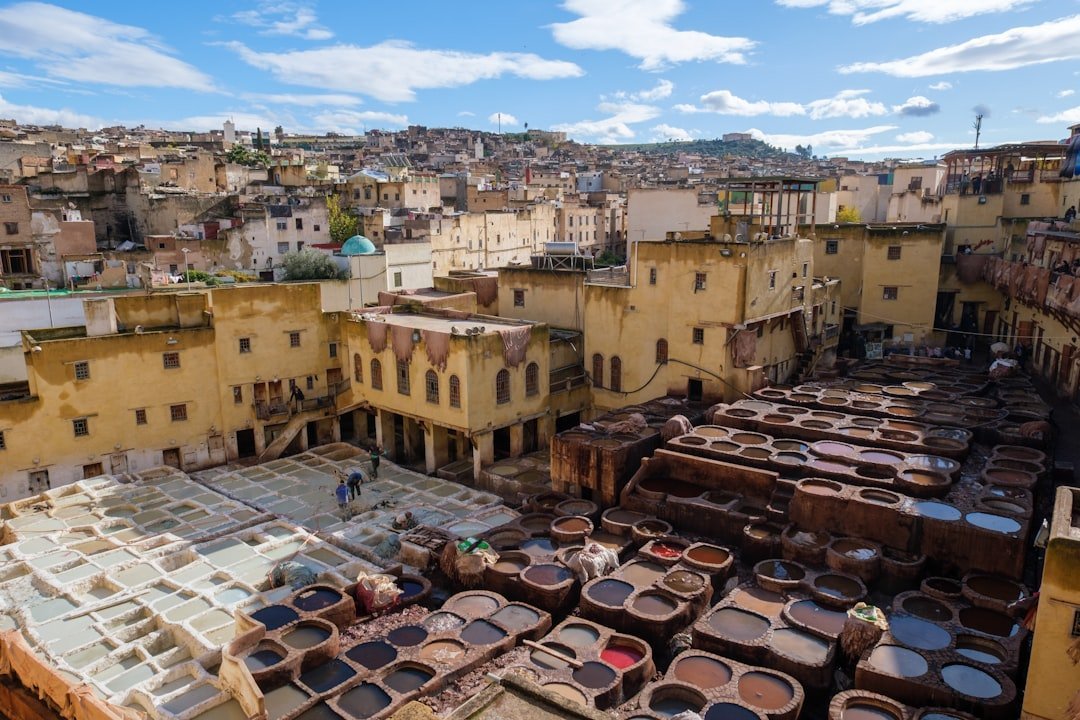
Morocco doesn’t get the dramatic headlines of West African oil stories. It operates quietly, methodically, and with a consistency that investors who actually place capital tend to love. Morocco has quietly built one of the most stable and reform-oriented economies in North Africa, with its strategic location just 14 km from Europe making it a manufacturing hub for automotive, aerospace, and increasingly green technologies – and in 2024, Morocco signed major deals to supply Europe with green hydrogen.
The financial infrastructure is also mature compared to most of the continent. Casablanca Finance City, launched in 2010, has attracted over 240 international companies including Huawei and Schneider Electric and created more than 7,000 jobs due to its appealing tax incentives. In 2024 alone, Morocco’s FDI reached 1.64 billion USD, marking a 55% increase from the previous year.
Morocco is a leader in renewable energy in Africa, and the country aims to generate 52% of its energy from renewables by 2030, creating strong opportunities for investors in energy production and infrastructure development. Green hydrogen, specifically, is a sector worth watching closely here, particularly as European energy dependency reshapes supply chains.
Zambia: The Critical Minerals Turnaround Story
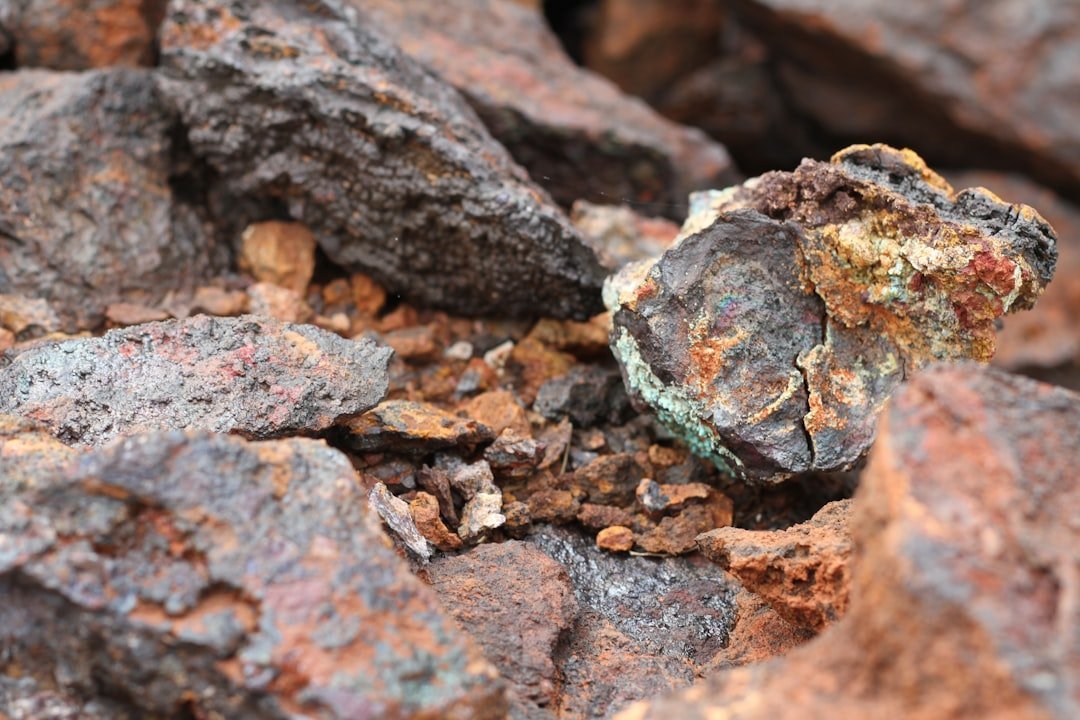
This one requires patience, but the thesis is compelling. Zambia’s post-debt restructuring narrative is beginning to bear fruit – after years of economic turbulence, the country is now enjoying renewed macroeconomic credibility following its agreement with the IMF and multilateral creditors, with inflation stabilising and mining royalties being restructured to encourage new exploration.
Why does this matter so much right now? Because the global energy transition runs on copper and cobalt. Zambia is repositioning itself as a major player in the global copper and green minerals supply chain, and with rising global demand for battery minerals and its proximity to the DRC’s cobalt reserves, Zambia is a natural hub for investment in critical minerals beneficiation.
Sub-Saharan Africa holds roughly a third of the world’s proven critical mineral reserves, and global revenue from cobalt, copper, lithium and nickel alone is projected at 16 trillion USD over the next 25 years according to the IMF, with sub-Saharan Africa potentially capturing more than 10% of that windfall. Zambia sits right at the center of that map. It’s hard to say for sure how quickly the governance reforms will embed themselves, but the direction of travel is unambiguous.
Kenya: Beyond M-Pesa – The Maturing Ecosystem
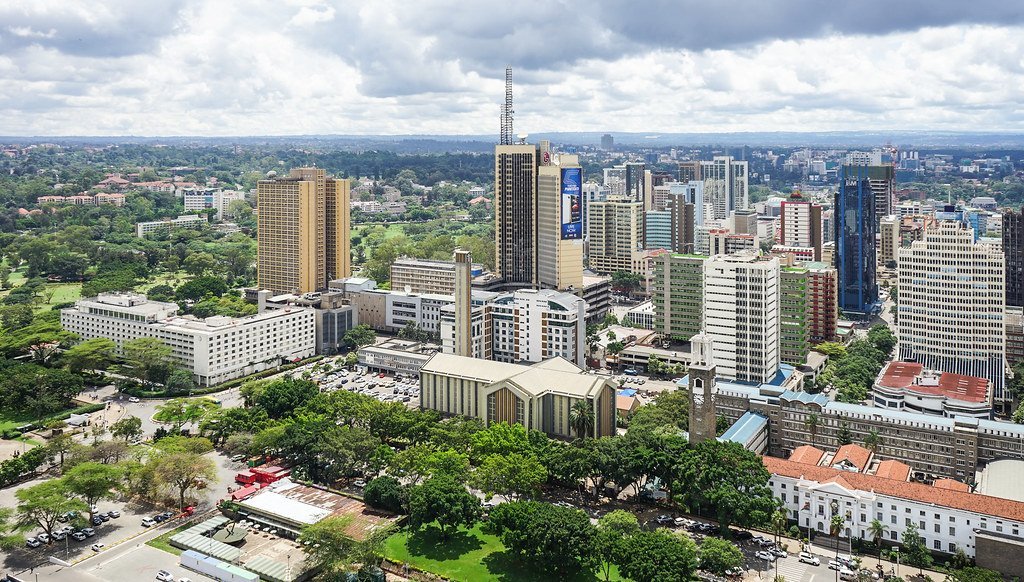
Kenya is the one most investors already know about, so I’ll skip the obvious and go straight to what’s changing. By 2026, Kenya’s digital ecosystem is maturing into a dominant regional force, with Nairobi’s startup scene attracting record venture capital as local players scale rapidly across borders, while the government’s digital transformation strategy is unlocking opportunities in e-health, e-government, and data infrastructure.
The more interesting story is in the capital markets. The Nairobi Securities Exchange has begun drawing ESG-focused listings, giving international investors a cleaner entry point, and a stabilised shilling alongside recent fiscal tightening by the Central Bank suggests a more predictable macro backdrop heading into 2026.
Kenya’s leadership in fintech, mobile technology, and digital infrastructure drives its attractiveness, and large-scale projects in energy, transport, and agribusiness, supported by government incentives, position Kenya as East Africa’s investment hub with its diversified economy offering opportunities in tech, logistics, and renewable energy. The sophistication of the market is genuinely increasing, which reduces some of the execution risk that scared capital away a decade ago.
Africa’s Solar and Clean Energy Wave: The Overlooked Infrastructure Play
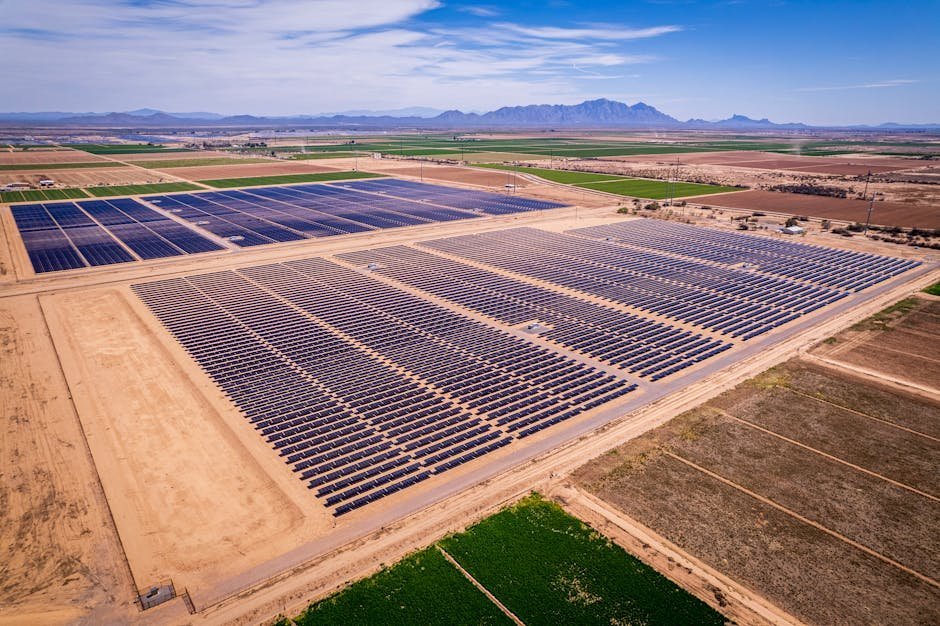
Here’s a sector that cuts across borders and is genuinely underinvested relative to the size of the opportunity. Over 600 million people in Africa lack access to electricity, and this energy gap creates a massive opportunity for investment in renewable solutions. Think of it this way – that’s roughly twice the population of the United States with unreliable or no power. That’s not a development problem. That’s a market gap.
Solar energy was the top-funded category in Africa in 2025, reflecting increased investor focus on infrastructure-like clean tech models with predictable returns. The returns profile is starting to look more like infrastructure than venture capital – which is exactly the kind of asset many institutional investors are seeking right now. The International Energy Agency estimates that Africa’s renewable energy market could attract over 190 billion USD in investment by 2030.
Opportunities abound in utility-scale solar and wind, as well as in off-grid and minigrid solutions for electrification, in nations including Botswana, Egypt, Rwanda, Senegal and Zambia, with the emerging green hydrogen space also attracting attention in Morocco, Namibia and South Africa. Minigrid operators in particular are seeing real commercial traction now, not just pilot-project funding.
The AfCFTA Wildcard: A Structural Shift in the Long Game

Most investors think about individual country bets. The smarter long-game play is to think about what happens when Africa increasingly trades with itself. The African Continental Free Trade Area (AfCFTA) has become the symbol of Africa’s resolve to reduce fragmentation and build resilience, with nearly every country having ratified the agreement, and it has the potential to enable regional value chains, reduce commodity dependency, attract more manufacturing and investment, and create a unified market of 1.4 billion people.
According to the IMF, sub-Saharan Africa is set to be the fastest-growing region globally in 2026. That’s an extraordinary macro backdrop. Initiatives like AfCFTA can harmonize investment policies and promote regional integration, which over time reduces the fragmentation that has historically frustrated investors trying to scale across borders.
Think about what happened when the EU single market enabled European companies to scale. Africa is attempting something analogous, with a population that will soon dwarf every other region on earth.
Where the Smart Money Is Actually Going in 2026

Let’s look at real capital flows, not just the narrative. African companies disclosed 3.8 billion USD in funding in 2025, with deal volume up by 32% and the number of announced deals rising 8% year on year, with South Africa, Kenya, Egypt and Nigeria raising the most funding.
But the concentration is shifting. Fintech and digital financial services remained the most funded sector by value and deal count, while climate-focused solutions recorded the fastest growth. Meanwhile, further growth for non-mineral companies aligns with record foreign investment in 2024, which surged by 75% to an all-time high of 97 billion USD, bolstered by liberalization per UN Trade and Development.
Africa is emerging as one of the most compelling wealth frontiers of the 21st century, not as a speculative bet, but as a strategic allocation for high-net-worth individuals and institutional investors worldwide. The old narrative of Africa as charity case is being replaced by something more accurate: underpriced assets in economies with real structural growth drivers.
What Smart Investors Actually Need to Get Right
None of this means Africa is easy. Political instability, currency fluctuations, and regulatory changes are real challenges, but careful due diligence and local partnerships can mitigate these risks. That point about local partnerships cannot be overstated. Every successful investor I’ve read about operating on the continent says the same thing: you need people on the ground who understand the specific environment you’re entering.
Rwanda’s focus on green urbanisation, innovation policy, and startup acceleration is expected to yield significant investment opportunities by 2026, with its Vision 2050 including heavy emphasis on climate resilience and ICT integration – and its compact size allows for efficient pilot testing of scalable solutions, something increasingly attractive to impact and ESG investors.
The same scalable-pilot logic applies across the continent. Many of the best opportunities in Africa right now aren’t about placing a single large bet. They’re about finding the right regulatory environment, testing a model efficiently, and then scaling regionally using the AfCFTA tailwind.
Conclusion: Stop Waiting for Africa to Be “Safe Enough”
Here’s the uncomfortable truth. Investors who wait for Africa to feel completely safe will arrive after the best returns have already been made. Competition in traditional markets is intense, pushing investors to seek growth regions aligned with long-term value creation, and sophisticated investors are reallocating capital toward emerging markets where growth curves are steeper and opportunities remain underpriced.
Rwanda’s fintech revolution, Senegal’s oil boom and its downstream industrial spillover, Morocco’s green hydrogen positioning, Zambia’s critical minerals renaissance, Kenya’s maturing startup ecosystem – these are not hypotheticals. They are documented, measurable trends, unfolding right now.
The 2025/26 investment landscape reflects a broader transition from aid to investment and trade, with new opportunities emerging for partnerships driven by commerce as African nations redefine their growth trajectories, prioritising sustainable development, regional collaboration and private-sector participation as key drivers of progress.
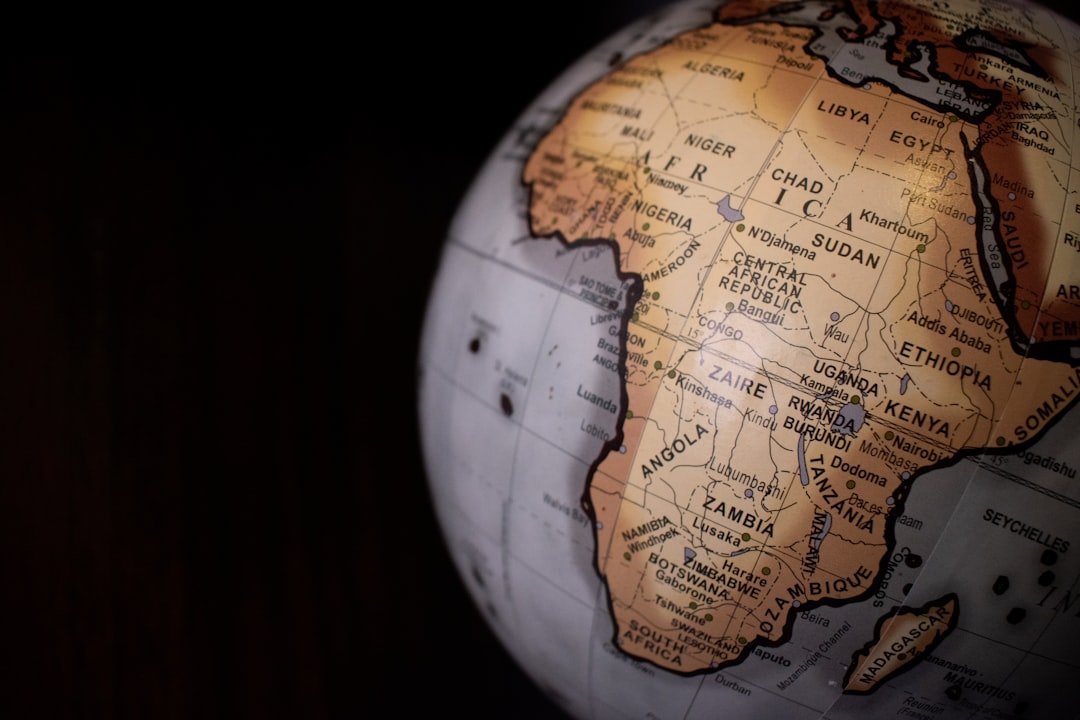
The map is drawn. The sectors are visible. The only question left is whether you’re willing to look past the headlines and actually act on what the data already shows. What’s holding you back – tell us in the comments.