
There’s a quiet standoff happening in the American housing market right now, and it’s been building for years. Millions of large, suburban homes sit occupied by their original owners, doors closed on unused bedrooms, lawns maintained more out of habit than necessity. The people inside have no plans to leave.
Baby boomers, born between 1946 and 1964, have become the undisputed anchor of U.S. real estate. Whether they’re choosing to stay, financially unable to move, or simply too emotionally attached to let go, the result is the same: a locked-up housing supply that is reshaping the market for every generation below them. The full picture is more complicated, and more fascinating, than most people realize. Let’s dive in.
10 Reasons Boomers Are Stuck in Their Forever Homes

From financial lock-ins and emotional ties to market mismatches and retirement cost anxiety, boomers face a maze of obstacles the moment they even consider selling. Here are the ten most powerful forces keeping them in place.
1. The Numbers Don’t Lie: Most Boomers Simply Never Plan to Sell

A new survey from Clever Real Estate shows that 61% of baby boomer homeowners say they “never” plan to sell their homes, a jump of 7 percentage points from 2024. That is not a small number. That is nearly two out of every three homeowners in an entire generation choosing permanent homeownership over anything else life might offer.
The report shows that just 10% of boomers plan to sell within the next five years, down from 15% in 2024, meaning that 90% of the homes owned by this generation won’t hit the market until the 2030s. Think about that for a second. Nine out of ten boomer-owned homes, representing trillions of dollars in real estate, are essentially locked away from the market for the foreseeable future. For younger buyers, that reality is both frustrating and consequential.
2. Boomers Own an Outsized Share of American Housing Wealth

Boomers own 40.6% of all U.S. homes as of 2024, totaling roughly $19.03 trillion in real estate wealth. To put that in perspective, boomers make up just over a fifth of the U.S. population, yet they hold well over a third of all homes. That is a level of generational concentration with no real modern precedent.
More than 54% of homes are owned by seniors, up from 44% in 2008. Additionally, 79% of seniors own their homes, and three-fourths of them don’t have a mortgage, meaning they have an enormous amount of equity that can help cover rising homeownership costs. That financial cushion is, honestly, one of the main reasons they have no urgency to do anything at all. When your home is fully paid off and worth five times what you bought it for, the math on selling gets complicated fast.
3. The Mortgage Lock-In Effect Is a Powerful Invisible Chain
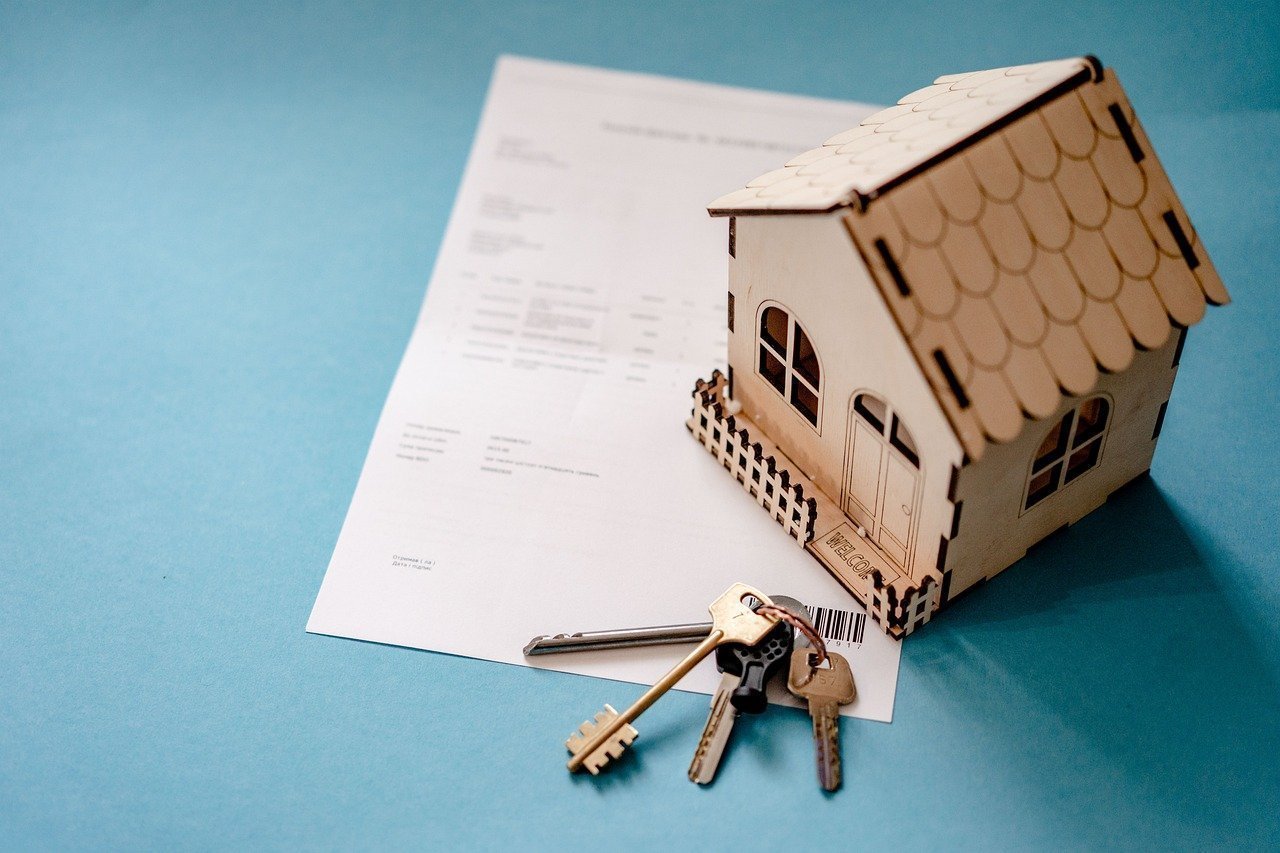
A noteworthy trend throughout 2024 was the “lock-in effect.” Locked-in homeowners are those with ultra-low mortgage rates from previous refinancing waves who opt to stay put rather than sell and assume a higher mortgage interest rate. This behavior intensifies the inventory shortage by further limiting the supply of homes on the market.
Boomers locked in ultra-low mortgage rates during the 2010s, often under 3%. With 2025 rates hovering above 6%, many see no financial upside to moving. Combine that with generous tax benefits like the IRS Section 121 capital gains exclusion of up to $500,000 for married couples, and it’s no wonder boomers are holding their homes tight. Here’s the thing: swapping a mortgage-free or near-free home for one with a 6% rate on top of today’s inflated prices is, financially speaking, a terrible deal. You’d have to be deeply motivated to make that move.
4. The Desire to Age in Place Is Growing Stronger Every Year
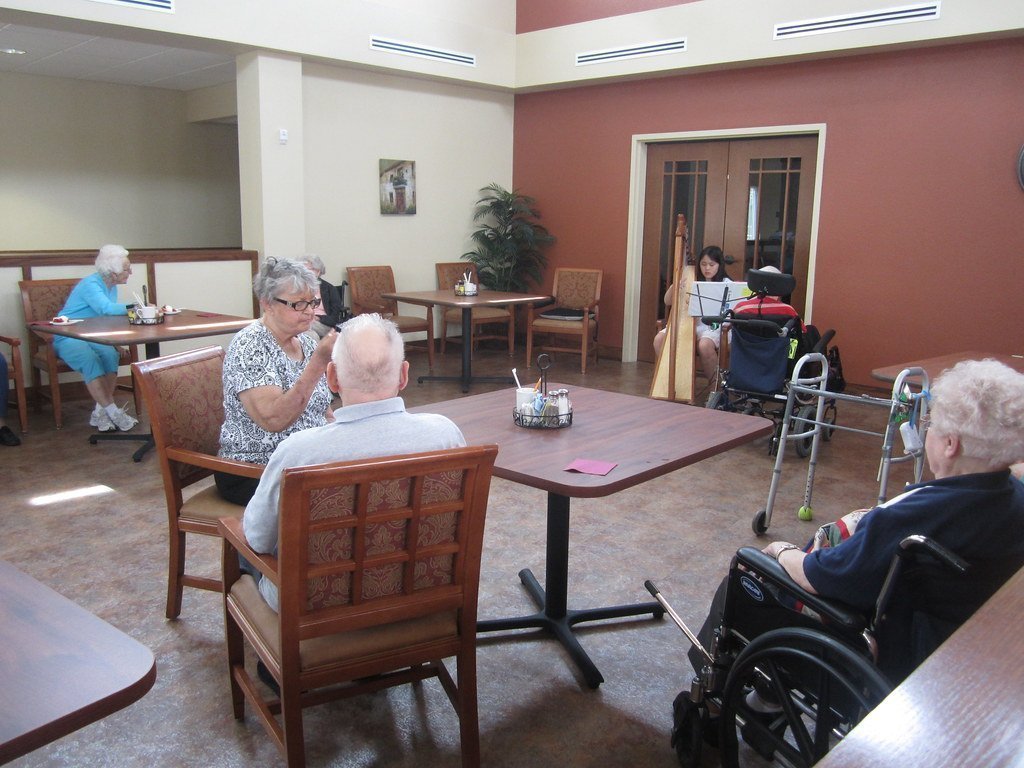
More specifically, 55% of boomer owners say they prefer to age in place, 44% point to their paid-off mortgage, and 36% simply don’t want to start over at their older age. The number of boomers aging in place has risen eight percentage points from the 47% who said so last year, while the number who say they couldn’t afford a new home has grown five points, from 25% in 2024 to 30% in 2025.
One of the top reasons for today’s inventory crunch is that baby boomers are choosing to age in place. Most boomers are investing in home upgrades such as ramps, stairlifts, and walk-in tubs to stay where they are rather than downsizing. Emotional attachments, independence, and a desire for stability are powerful motivators. It’s not hard to understand this on a human level. The house where you raised your kids, threw birthday parties, and built three decades of memory is not just a financial asset. It’s your life, organized by room.
5. The Emotional Cost of Leaving Is Often Too High
It’s not easy to walk away from the home where your children grew up, where you celebrated milestones, or where you’ve lived for decades. Boomers often delay downsizing because the emotional cost feels too high. And this is not irrational. Downsizing at 70 means sorting through a lifetime of belongings, dismantling routines, saying goodbye to neighbors, and rebuilding a social world from scratch.
One of the most common regrets among aging homeowners is not moving while they still had the physical ability to do it. Sorting through decades of belongings, preparing a home for sale, and relocating to a new space is daunting at any age, but it becomes overwhelming past a certain point. Ironically, the longer they wait, the harder it gets. What begins as a lifestyle choice can gradually become a physical impossibility, leaving both the homeowners and their families in a difficult position.
6. There Is Nowhere Affordable to Go
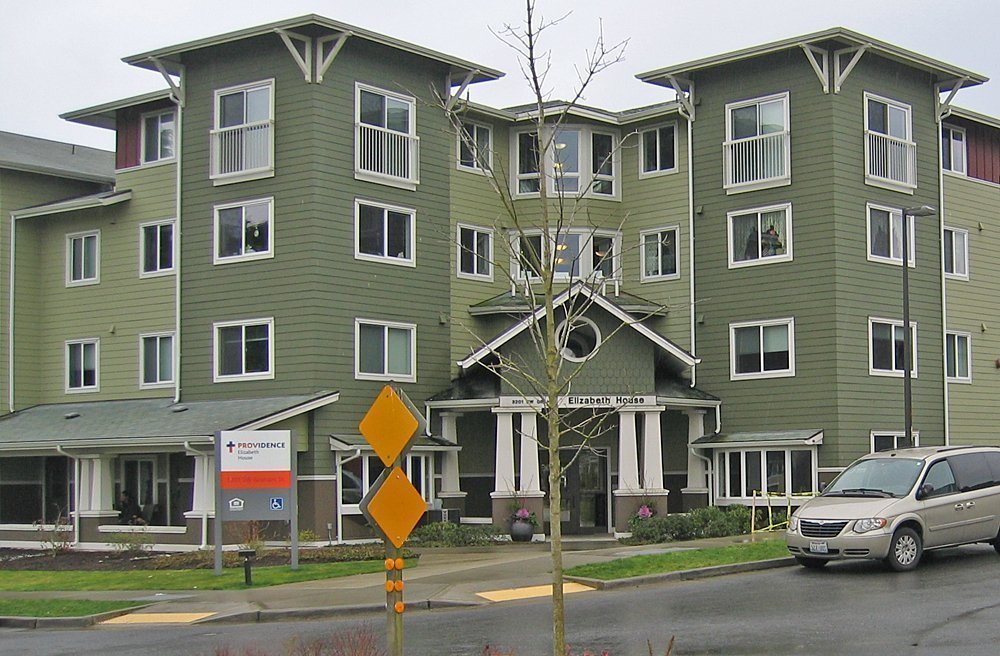
Almost half of boomers (49%) are concerned about the rising cost of living in traditional retirement destinations, such as Florida and Arizona. This is a real and underappreciated problem. The places where boomers traditionally retire have seen massive price inflation, driven in part by demand from boomers themselves. When even the downsizing destination is unaffordable, the case for staying put becomes ironclad.
The shortage of senior-appropriate housing, especially units with one-floor living, elevator access, and proximity to healthcare, has made aging in place harder and more expensive than ever. That demand-supply imbalance is pushing prices up for these niche homes and freezing out lower- and middle-income retirees. It’s a cruel trap. Boomers who want to downsize into something manageable and accessible often find that those very properties are scarce, expensive, and snap off the market within days.
7. The Homes Boomers Own Don’t Match What Younger Buyers Want
Many millennials don’t want the large, suburban, multi-bedroom homes that boomers are now trying to sell. These homes are often in car-dependent areas, require expensive upkeep, and lack the design features such as open floor plans, smart home tech, and sustainability that younger buyers want. As a result, boomers trying to downsize and sell the family home are encountering less interest, longer time on market, and lower-than-expected offers, especially in non-coastal areas.
Millennials, shaped by economic instability and climate anxiety, want smaller, more efficient homes closer to work and amenities. They’re not interested in 3,000-square-foot houses with formal dining rooms and sprawling lawns. That generational mismatch is creating a bottleneck, and boomers are stuck holding properties that no longer align with market desires. I think this point gets underreported. It’s not just that boomers won’t sell. Sometimes they try to sell, and the buyers simply aren’t there, at least not at the price they expect.
8. Homeownership Is Core to Boomer Identity
Homeownership remains central to this generation’s identity. Nearly nine in 10 boomers believe buying a home is almost always a good decision and 84% say it represents financial security. More than 40% consider not owning a home a sign of failure. That’s a deep cultural belief, not just a financial preference. For a generation that came of age during an era when homeownership was almost synonymous with success and stability, selling the family home can feel like a kind of defeat.
Besides wanting to age in place, factors cited by boomers in not selling include having paid off their mortgages (44%), not wanting to start over (36%), planning to leave homes as inheritances (34%), and concerns they can’t afford a new home (30%). Only serious health issues, financial hardships, or the loss of a partner would change their minds. The plan, for many, is simple: stay until something forces a change. That’s not stubbornness. That’s the logical outcome of a generation that was told homeownership was forever.
9. Younger Buyers Are Getting Squeezed Out of the Market

The median age of a first-time home buyer was 28 years old in 1991. That jumped to 38 years old in 2024, according to NAR. Rising home prices and high mortgage rates have pushed the median age of home buyers to a record-high of 56 years old in 2024, up from 46 in 2021. Let that sink in. The average home buyer in America is now 56 years old, a number that would have been unthinkable a generation ago.
With housing prices surging close to 40% from pre-pandemic levels, one-quarter of current millennial and Gen Z renters are not in the market to purchase because they can’t afford where they’d like to live. Similarly, 31% of baby boomer households said they wouldn’t be able to afford to buy their homes today. Nearly 90% of units owned by the boomer generation consist of single-family homes, applying continued downward pressure to inventory suitable for young families. It is a market that is quietly locking younger generations out, one unreleased boomer home at a time.
10. The “Silver Tsunami” That Never Arrived
In early November, Meredith Whitney, deemed the “Oracle of Wall Street” by Bloomberg for accurately predicting the 2008 financial crisis, made the call that a “silver tsunami” of baby boomers would start downsizing in 2024 and 2025. Housing analysts have been waiting for this wave for years. The theory was clean and logical: boomers age, health declines, they sell the big house, inventory floods the market, prices normalize. It hasn’t happened.
The change in home-buying behaviors by younger generations may result in a glut of homes that could grow as high as 15 million by 2040, with homeowners selling for far below what they paid, if they can sell them at all. The longer-term picture raises an even more uncomfortable question. What happens in fifteen years when millions of those boomer homes hit the market simultaneously, in suburbs that younger buyers have already decided they don’t want to live in? The baby boomer generation’s extended hold on properties could mean that the housing market won’t see a massive supply surge anytime soon. Instead, this demographic shift will likely lead to a more gradual transfer of housing stock.
What the Future of Boomer Housing Actually Looks Like
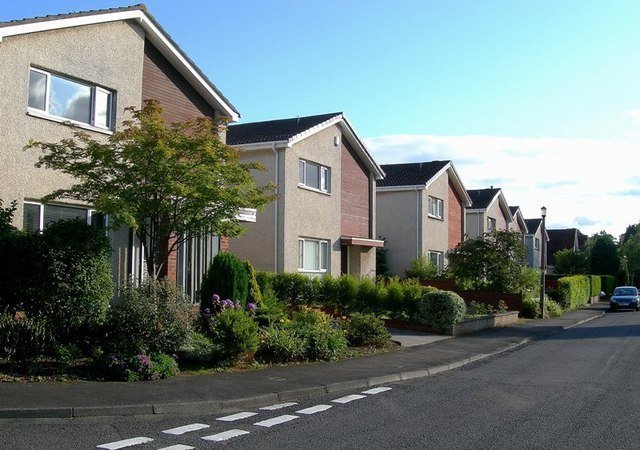
Honesty, the picture is complicated. Not all boomers are refusing to move. Baby boomers make up the largest share of sellers at 53 percent, according to NAR’s 2025 report. Some are selling, some are downsizing, and some are relocating to be near family. The market is not completely frozen. It’s just moving at a glacier’s pace rather than the tsunami speed many had predicted.
The projections indicate that the number of older adults exiting homeownership will accelerate during the next two decades as the bulky boomer generation advances into elderly age groups where homeownership attrition rises sharply. The number of older owner-occupants who exit homeownership between 2026 and 2036 is projected to total between 13.1 million and 14.6 million, an increase of at least 42 percent over the number of older homeowners who exited during the last ten years. So the shift is coming. It’s just on a decades-long timeline, not a five-year one.
The next wave of home availability will come through “DDD” events: death, divorce, and downsizing. As 10,000 boomers turn 80 each day by 2030, expect a slow but steady release of homes into the market. The real estate market tends to reflect life itself: slow, stubborn, and full of surprises. For younger buyers hoping for relief, patience remains the only real strategy available right now.
The boomer housing story is ultimately a deeply human one. It’s about people holding on to the places they love, the lives they built, and the financial security they worked decades to achieve. You can debate the policy implications all you want, but understanding the “why” matters just as much as the data. What do you think, is there a smarter way to unlock this housing gridlock, or are we simply waiting for time to do its work? Share your thoughts in the comments.