
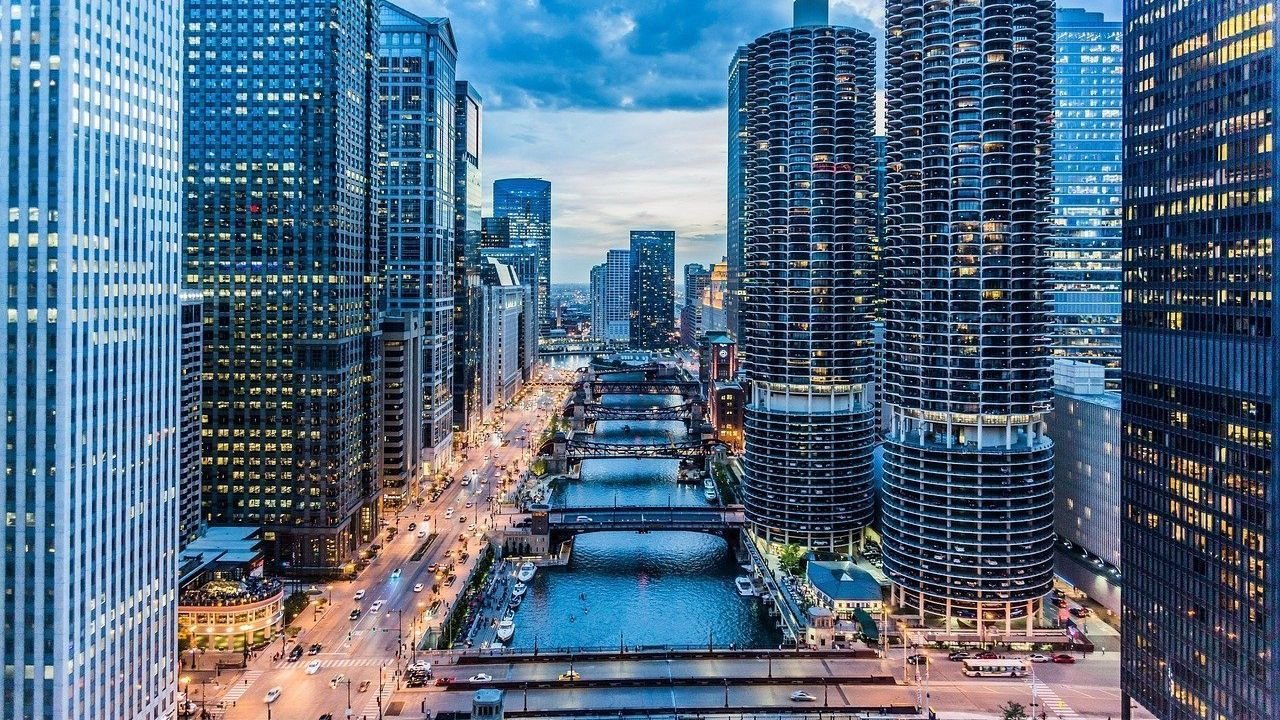
There was a time when hitting one million dollars in net worth meant you had truly made it. You were, by definition, a millionaire. The word carried weight, a certain gravity. Today, in many American cities, that same million dollars barely covers a down payment on a modest home, let alone funds the lifestyle most people associate with genuine wealth.
The gap between the label “high net worth” and the lived reality of actual financial freedom has never been wider. According to the Charles Schwab Modern Wealth Survey’s 2024 findings, Americans believe a net worth of at least $2.5 million is necessary to feel wealthy, a notable increase from the previous year’s $2.2 million threshold, reflecting a trend of rising wealth expectations. Yet even that national figure tells only part of the story. What you really need depends entirely on where you live.
A Closer Look at the Cities Where Wealth Labels No Longer Hold Up

The standard financial industry definition of a “high net worth individual” has remained stubbornly fixed for decades. Individuals with one million dollars in liquid assets are generally classified as having a high net worth. The problem is that the cost of living in America’s most desirable cities has not stayed fixed. It has surged, stretched, and in some cases, outright exploded.
When discussing wealth in the United States, location plays a crucial role. The cost of living, job markets, and local economies vary significantly across the country, leading to substantial differences in what is considered wealthy from one city to another. The 10 cities below illustrate just how dramatic that gap has become, and why a seven-figure net worth no longer guarantees financial comfort, let alone genuine affluence.
1. San Francisco, California

Honestly, no city in America makes the case more brutally than San Francisco. In San Francisco, residents say you need a net worth of $4.4 million to be considered wealthy, the highest among 12 major cities surveyed. Only about one in six of the 750 residents surveyed in San Francisco say they’re on top of their finances, with most citing the city’s high cost of living and outsized home prices as the biggest roadblocks to building more wealth.
San Francisco’s proximity to Silicon Valley has transformed it into a tech industry epicenter, driving up the cost of living. Housing demand outstrips supply, leading to exorbitant rents and property prices. San Francisco requires an income of $321,463 just to buy a median-priced home. A million-dollar net worth here is closer to financial anxiety than financial freedom.
2. New York City, New York
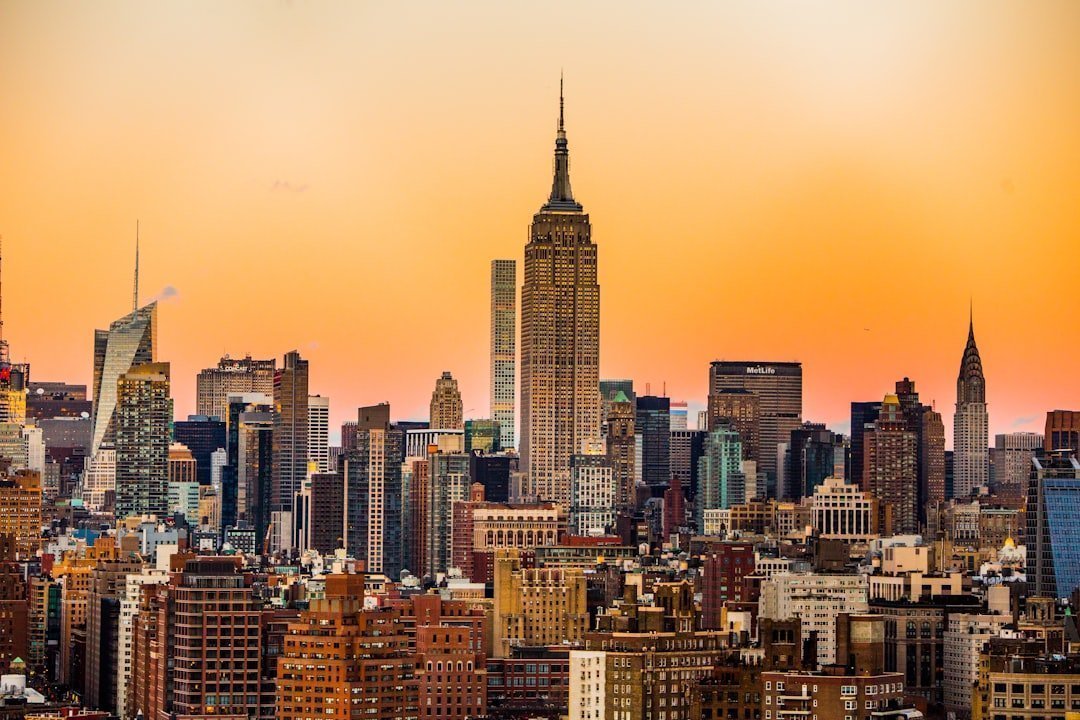
New York City, known for its expensive lifestyle, sets the wealth threshold at $2.9 million. That’s nearly three times the standard “high net worth” definition. New York leads globally, with average monthly rent exceeding $8,300. Think about that. Even someone with a million dollars in net worth could burn through a significant portion of it on rent alone within just a few years.
The total wealth held by New York’s residents now exceeds three trillion dollars, and a staggering 384,500 millionaires, 744 centi-millionaires, and 60 billionaires live in the city. The sheer density of ultra-wealthy individuals here redefines what “wealthy” feels like on the ground. Being a millionaire in Manhattan is a bit like being the tallest person in a basketball arena. You’re still shorter than most people in the room.
3. Los Angeles, California
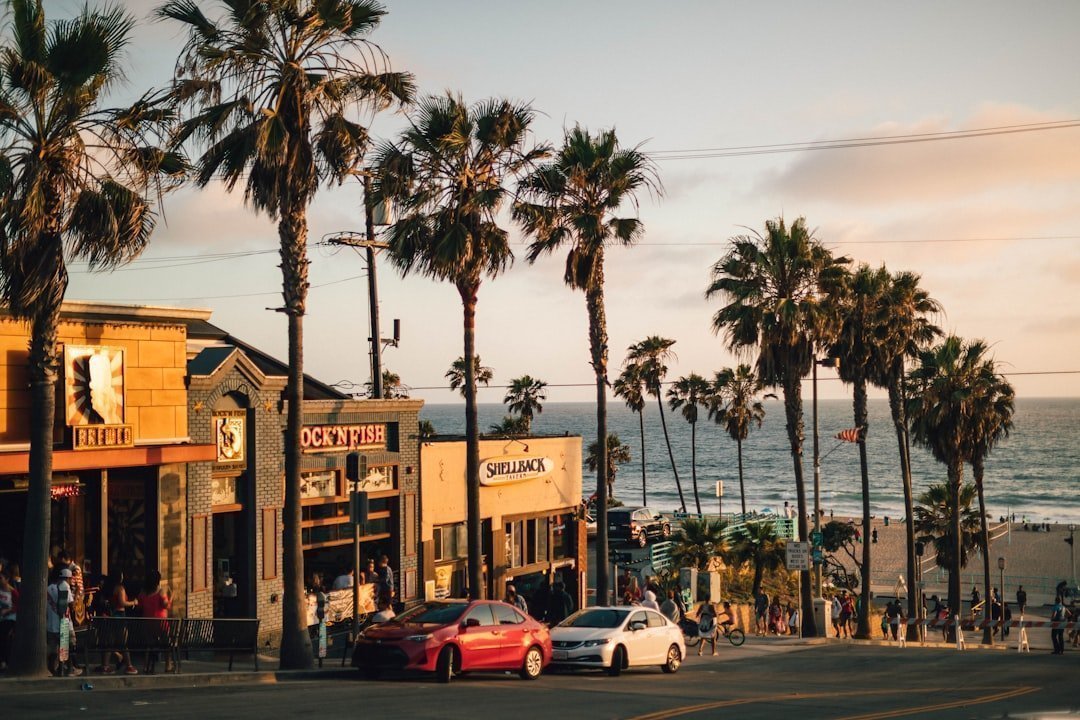
Southern California sets the wealth bar at $3.5 million, a figure that reflects both the region’s premium real estate market and the lifestyle expectations that come with living in one of the world’s most glamorous metro areas. Los Angeles shows a staggering price-to-income ratio of 12.2, making homeownership nearly unattainable for anyone without substantial wealth or dual high incomes.
Being in the top 20% of earners in California means making at least $171,387 a year. The Golden State, known for its pricey real estate and high cost of living, particularly in cities like San Francisco and Los Angeles, demands a substantial income to be considered wealthy. A standard HNWI label here is frankly misleading. Someone with one million dollars in net worth in LA is essentially middle class by local standards.
4. Boston, Massachusetts
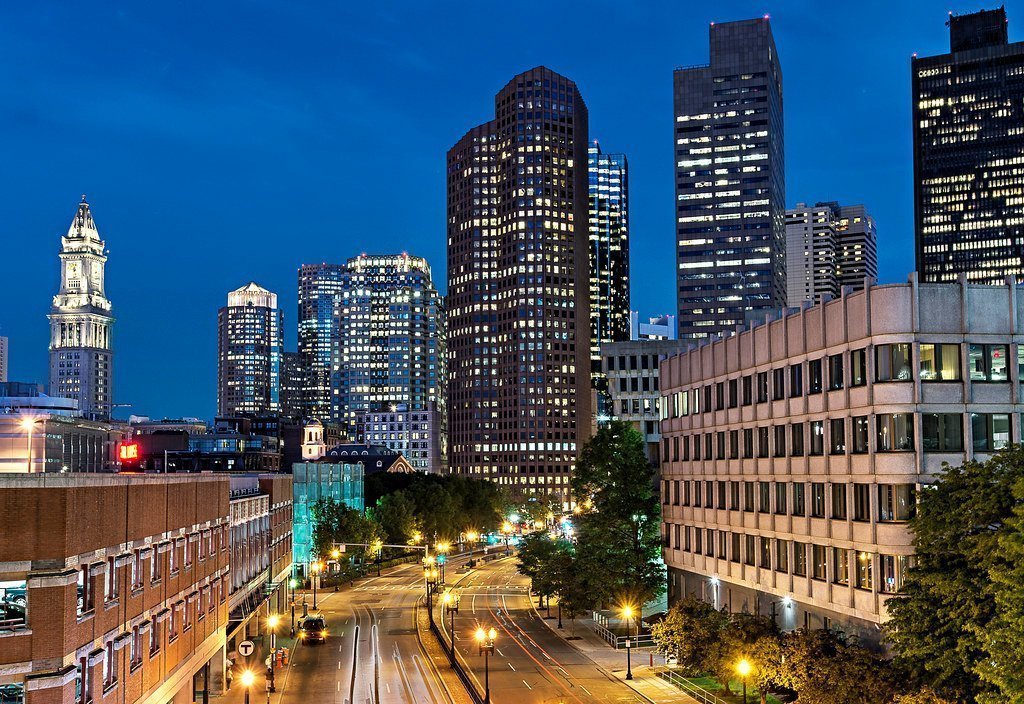
As the world’s largest biotech hub, Boston is a global leader in scientific research, education, medicine, and law. It serves as the headquarters for corporate giants such as General Electric, State Street, and Fidelity Investments, and is home to a significant concentration of wealthy academics affiliated with nearby Harvard and MIT. The city also hosts two of the world’s top management consultancies, Boston Consulting Group and Bain and Company. All of that prestige comes at a steep price.
Boston ranks among the world’s most expensive cities, reflecting strong demand, limited housing supply, and high-income labor markets. New York and Massachusetts also require significant incomes to join just the top 20%. It’s $158,336 in New York, while in Massachusetts, one would need $179,470. These states are known for their high living costs, especially in urban areas like New York City and Boston. Massachusetts has a price-to-income ratio of 6.3, demonstrating that even high wages in technology, finance, and professional services cannot keep pace with escalating housing costs.
5. Seattle, Washington
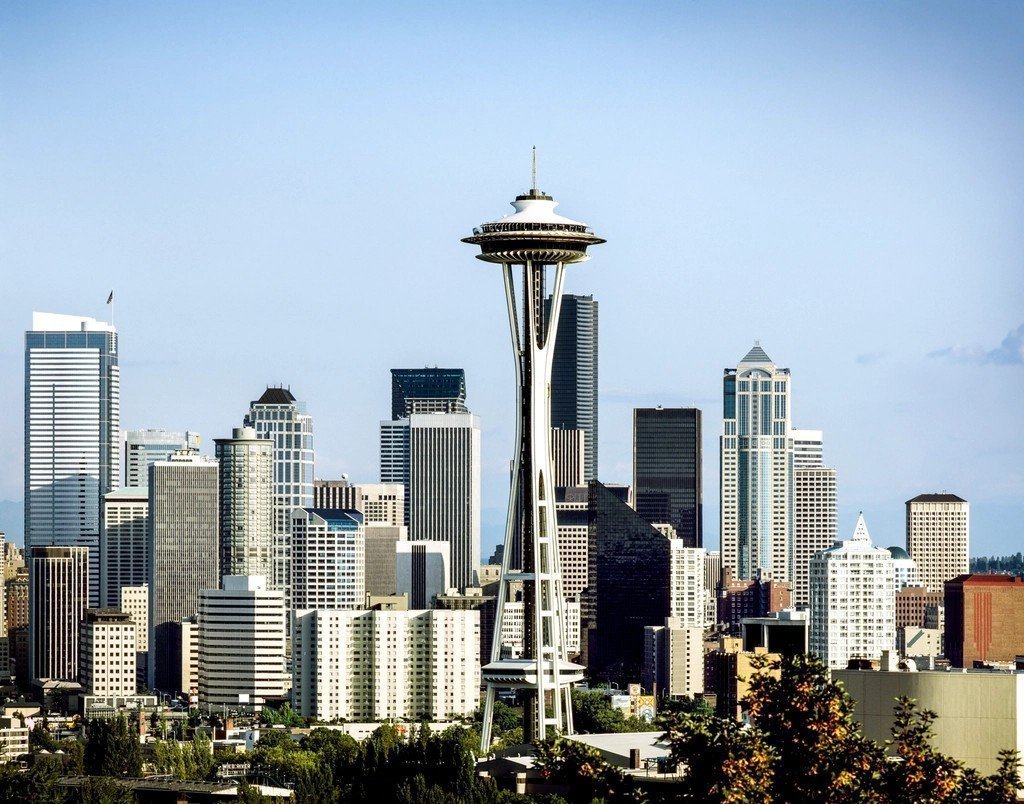
Washington D.C., Denver, and Seattle all share a wealth threshold of $2.8 million. These figures highlight how urban centers, particularly those with strong job markets and high living costs, tend to have higher wealth thresholds. Seattle’s tech-driven economy, anchored by Amazon and Microsoft, has pushed costs to levels that would have seemed unimaginable two decades ago. Cities like Seattle require salaries between $140,000 and $190,000 just to buy a home.
Washington state has a price-to-income ratio of 6.3, demonstrating similar patterns to Massachusetts where even high wages in technology, finance, and professional services cannot keep pace with escalating housing costs. Between 2014 and 2024, the number of millionaires living in Seattle surged by 48%, according to Henley and Partners. More millionaires in a smaller space means higher prices for everyone, including the millionaires themselves.
6. Miami, Florida
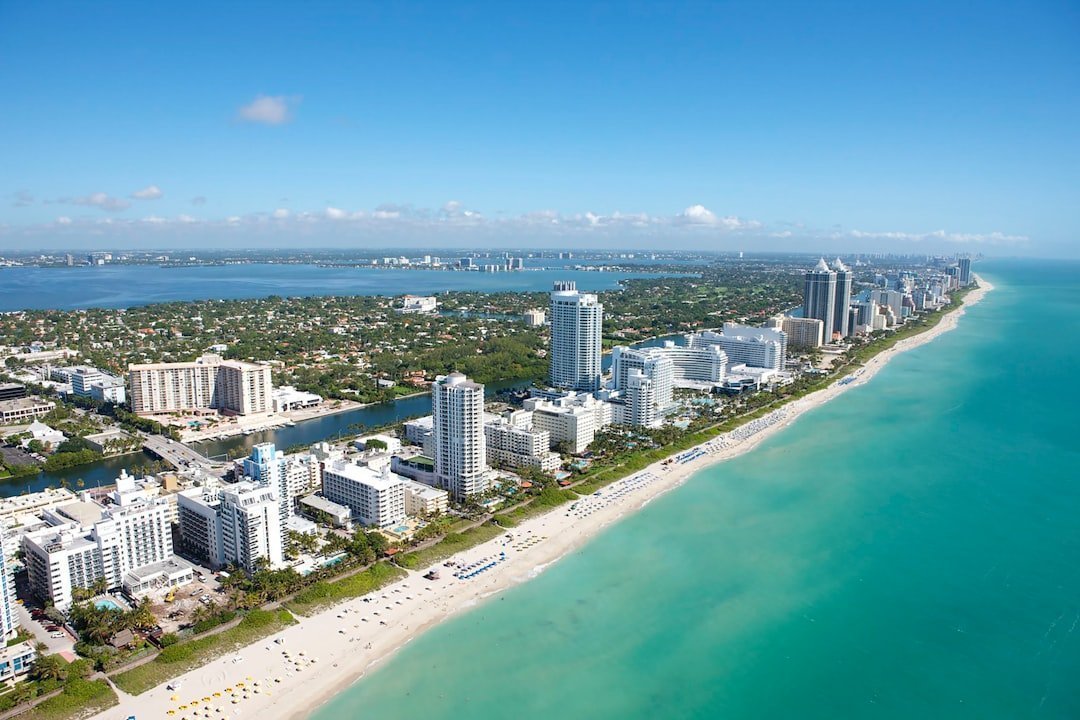
Here’s the thing about Miami. It lures people with the promise of sunshine, no state income tax, and a glamorous lifestyle. Miami is an increasingly popular destination for America’s super-rich, with the lack of state taxes in Florida serving as a major drawcard. In recent years, a notable influx of centi-millionaires and billionaires, particularly from the tech, fund management, media, and entertainment sectors, has relocated to the city. That flood of ultra-wealth has made life expensive for everyone below the very top.
Miami has emerged as the least affordable city in America for housing in 2025. The housing-to-income ratio stands at 36.02%, with median monthly housing costs of $2,025 for homeowners and $1,975 for renters, compared to a median household income of just $66,337. Miami is now the only city where more than one third of median income is consumed by housing. A million-dollar net worth tied up largely in a home equity stake here barely keeps pace with the city’s relentless price inflation.
7. Washington, D.C.
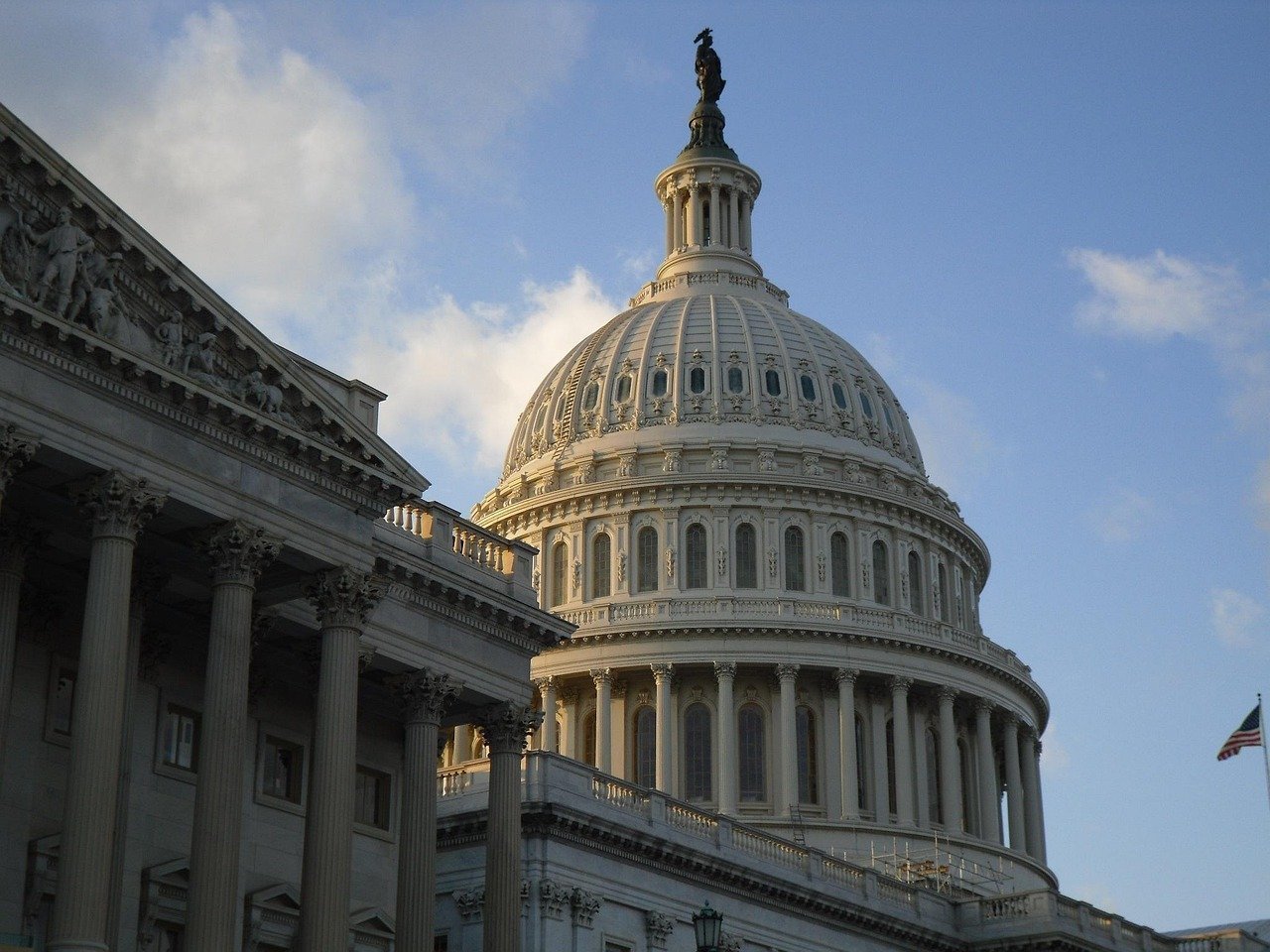
Washington D.C. is a city where lawyers, lobbyists, consultants, and government contractors regularly pull six-figure salaries, and yet somehow still struggle to feel financially secure. Washington D.C. shares a wealth threshold of $2.8 million with Denver and Seattle. These figures highlight how urban centers, particularly those with strong job markets and high living costs, tend to have higher wealth thresholds. The concentration of high-earning professionals here has simply compressed what “wealthy” means locally.
The US capital is home to some of America’s most prestigious residential streets with timeless brownstone apartments and large manor houses. The suburb of Georgetown is among the most sought after in the region. A large number of high-net-worth individuals have moved to the city over the past decade, particularly those in the media, finance, law, and private equity spaces. Only 40.9% of residents in Washington D.C. own real estate, lower than both New York and California. High land values, restrictive zoning, and out-of-state migration are key factors that have reduced affordability in the nation’s capital.
8. Chicago, Illinois
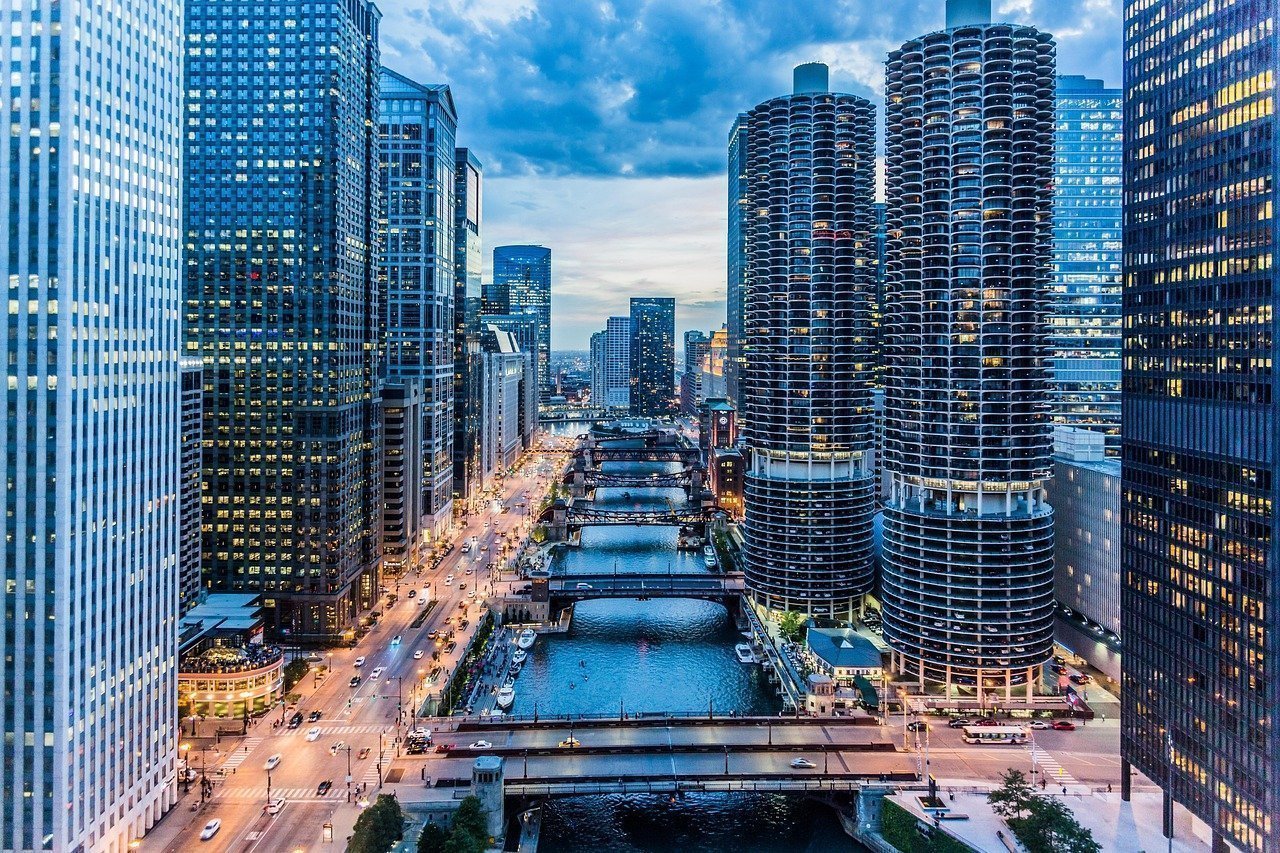
Chicago often gets overlooked in these conversations because it doesn’t have the coastal glamour of New York or San Francisco. Yet the numbers tell a different story. Illinois requires $144,311 to be in its top 20% of earners, indicative of the economic hub around Chicago. In 2024, the city is home to 124,000 millionaires. Its economy is diverse, spanning finance, healthcare, manufacturing, and technology. This blend of industries means there is plenty of wealth circulating.
Dallas at 25.54%, Houston at 26.62%, and Denver at 25.39% fall into a middle tier of housing cost burden, and Chicago fits a similar pattern: above the national average but not yet at crisis levels like Miami. Still, in each case, median incomes fail to keep pace with housing costs. Someone with a modest million-dollar net worth in Chicago, with much of it locked in a home and retirement accounts, is not living the life of luxury that label might suggest.
9. Austin, Texas
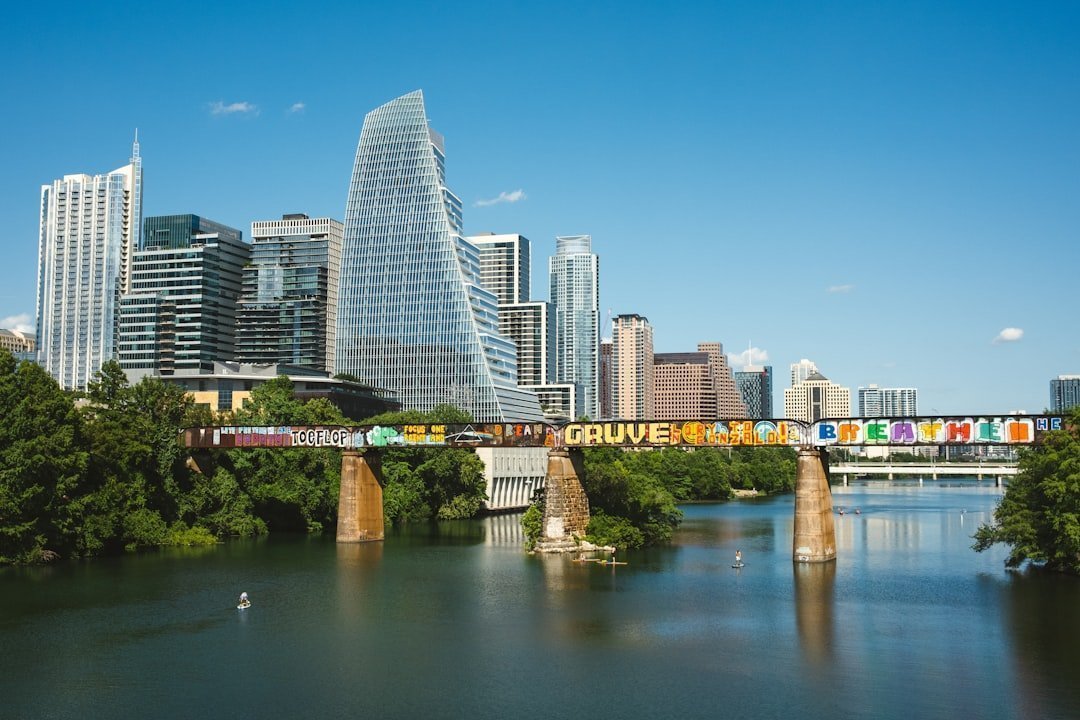
Austin is a fascinating paradox. It sold itself for years on affordability, but the very success of that pitch destroyed the advantage. By 2024, the city is home to 32,700 millionaires. As Silicon Valley’s high costs push tech companies and workers to seek more affordable alternatives, Austin has emerged as a prime destination for tech talent. Major companies like Tesla and Oracle have moved their headquarters or operations to Austin, fueling the city’s wealth boom.
Texas’s low state taxes add to Austin’s appeal. While wealth growth in the city has slowed over the past couple of years, it remains very impressive when viewed over the past decade as a whole. Between 2014 and 2024, Austin’s millionaire population surged by 90%. That rapid accumulation of wealthy residents has driven housing and living costs to levels that make a standard high-net-worth designation feel far less impressive than it sounds.
10. Dallas, Texas
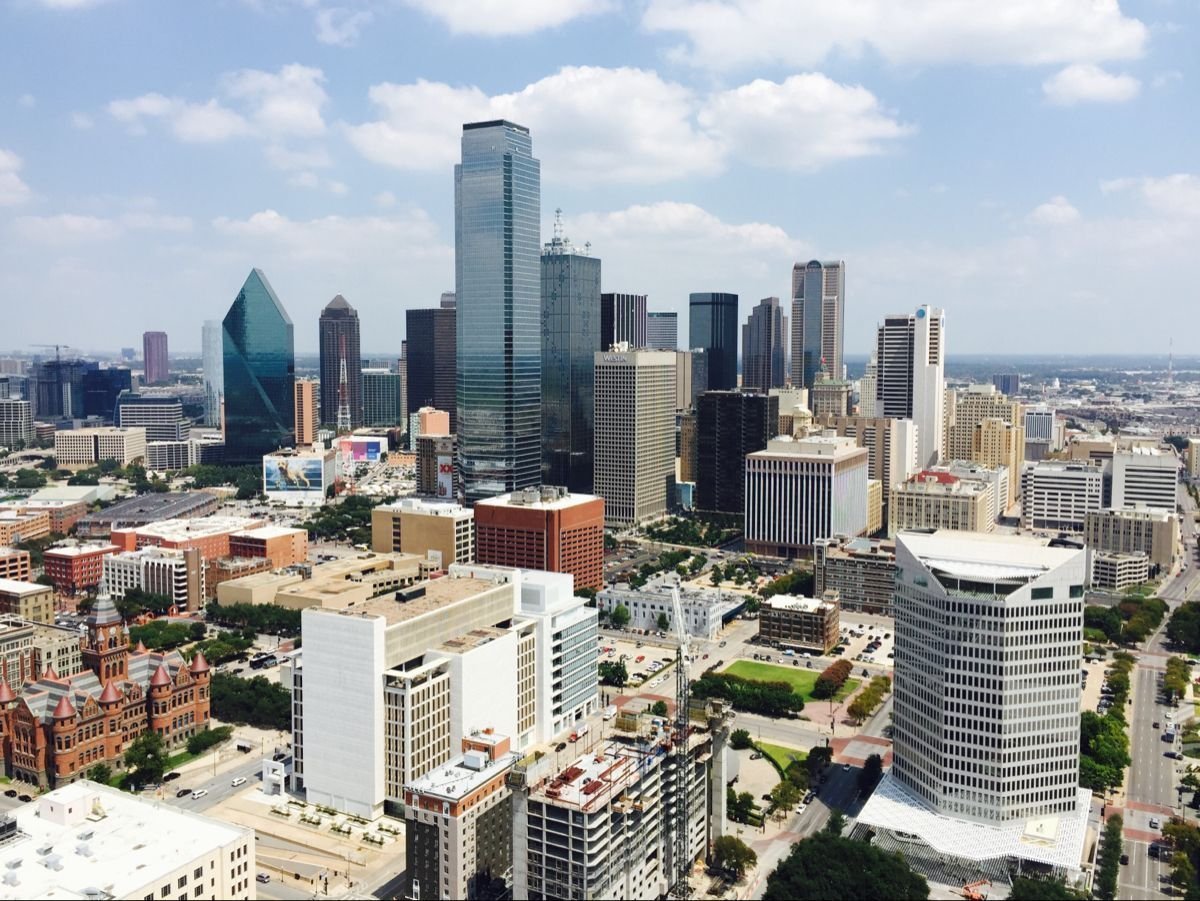
Dallas rounds out this list, and it might be the most surprising entry. It’s not as obviously expensive as coastal cities, but the gap between the HNWI label and genuine financial security has grown considerably here too. With 68,600 millionaires in 2024, the Dallas-Fort Worth area benefits from industries like finance, technology, and telecommunications, which have helped fuel its growth in recent years. That rapid wealth influx has compressed local wealth perceptions significantly.
Dallas saw a millionaire population increase of 85% between 2014 and 2024. Dallas’s housing-to-income ratio sits at 25.54%, falling into a middle tier that is above the national average, with median incomes failing to keep pace with housing costs. The city attracts wealth, but it also inflates the cost of everything that wealth is supposed to buy, quietly eroding the real-world power of a million-dollar label.