
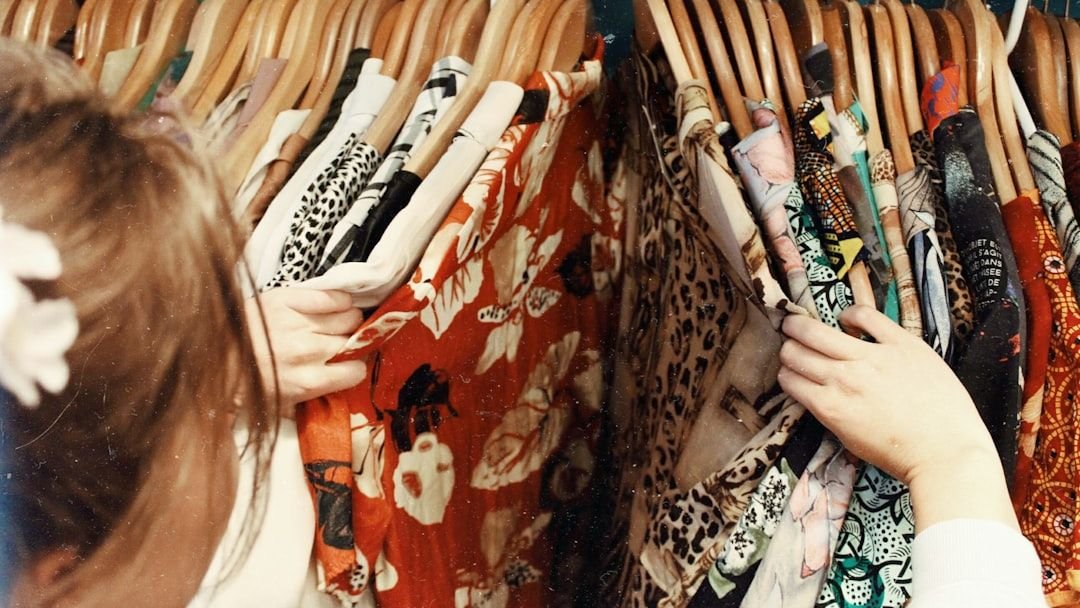
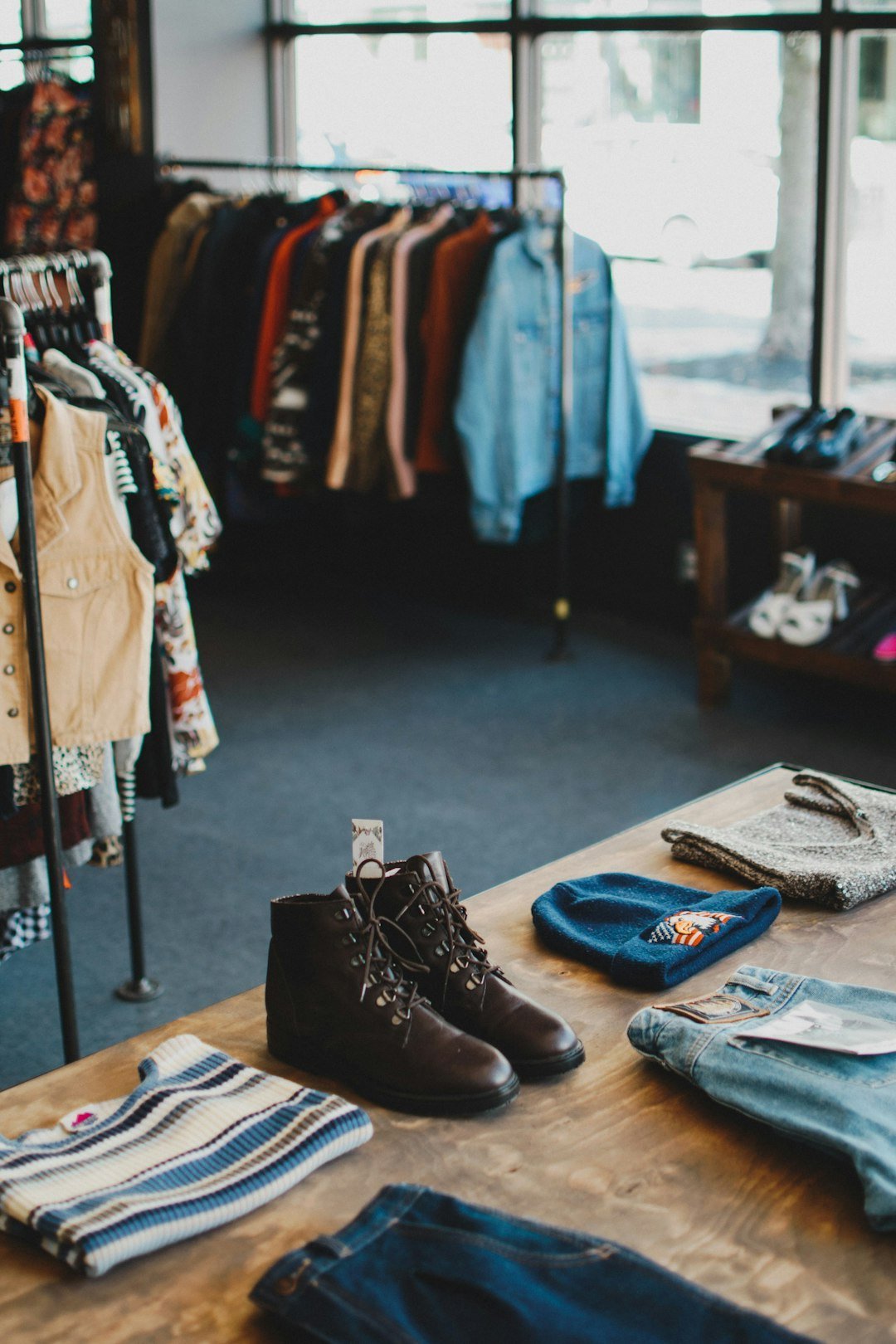
People look at me sideways when I tell them where I shop. I have a healthy savings account, a good income, and no pressing financial anxiety – yet on Saturday mornings, you’ll find me elbow-deep in the racks of my local thrift store, hunting for something that was almost certainly worth ten times what I’m about to pay for it. It sounds eccentric, maybe even performative. But honestly, it’s one of the smartest, most satisfying things I do.
The truth is, having money doesn’t mean spending it carelessly. The more I’ve learned about the state of the fashion industry, the psychology of frugality, and the staggering environmental cost of buying new clothes, the more committed I’ve become to secondhand shopping. Let’s dive in.
The Numbers Behind Thrift Shopping Are Staggering
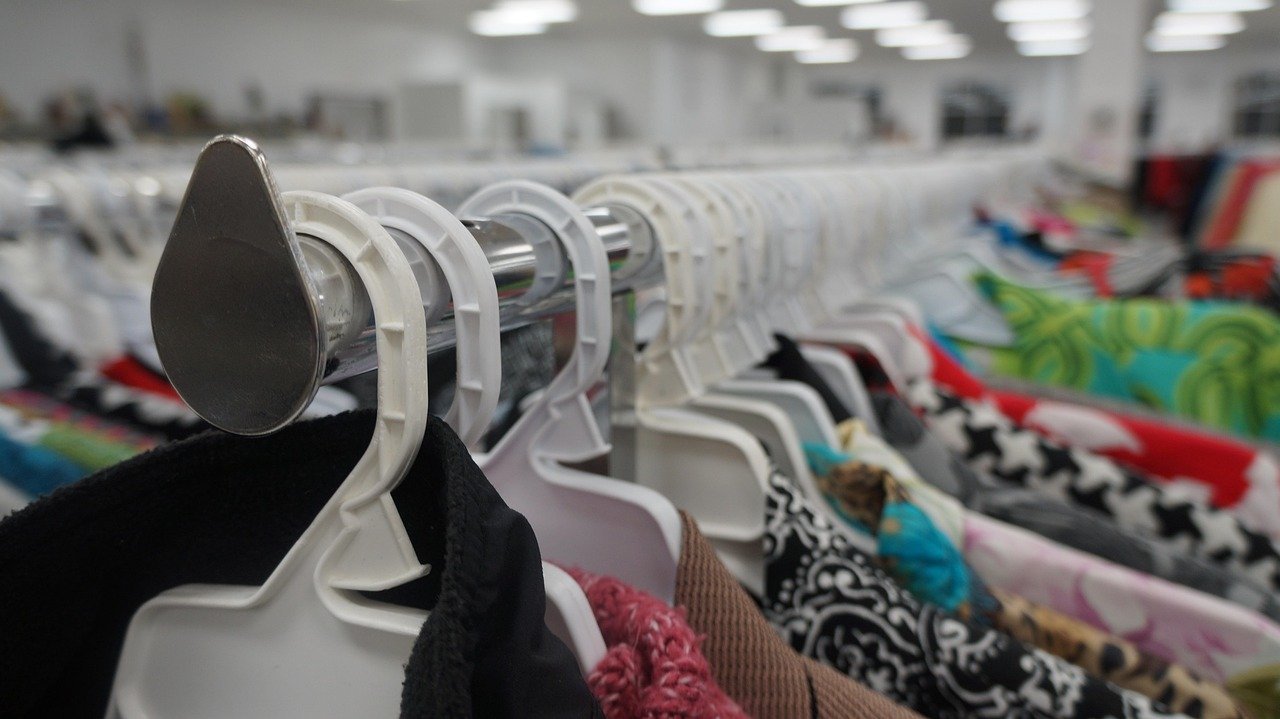
Let’s be real: before you can understand my personal reasons, you need to understand how mainstream this has become. A full 58% of U.S. shoppers purchased secondhand apparel in 2024 – a record high. That’s not a niche habit. That’s a cultural shift.
The U.S. secondhand apparel market grew 14% in 2024, seeing its strongest annual growth since 2021 and outpacing the broader retail clothing market by five times. Think about that for a moment. Secondhand fashion isn’t just surviving – it’s lapping conventional retail.
The U.S. secondhand market, currently worth about $56 billion as of 2025, is up over 14% from 2024. Since 2018, the U.S. secondhand market has grown by about 143.5%, with resale alone growing a massive 650% over that same period. I didn’t expect that last number. Did you?
The Real Savings Are Nothing to Ignore

Here’s the thing people with decent incomes often overlook: saving money is not only for the financially struggling. It’s how wealth is actually built and maintained. On average, secondhand shoppers save approximately $1,760 per year by opting not to buy new. That’s money going directly into my investment account instead of a retail store’s profit margin.
Thrift store shoppers typically save around $150 per month compared to buying new. Spread that across a year and it’s practically a weekend trip to Europe, or more realistically, a nice bump to your emergency fund.
The super-rich are well aware that being able to afford something doesn’t make it a good purchase. Rather than spending to inflate their lifestyle, they save to maintain their wealth for the long-term. I find that oddly reassuring. Frugality at any income level is not deprivation – it’s discipline.
Wealthy People Have Always Done This
Society has this weird idea that affluent people spend extravagantly on everything. The reality, honestly, is almost the opposite. In a world where wealth is often associated with extravagance and wastefulness, there exists a unique breed of millionaires who defy this stereotype – the frugal millionaires, individuals who, despite their substantial wealth, choose to live a life of thrift and simplicity.
Sarah Jessica Parker, who is worth $200 million, loves vintage fashion and shopping at thrift stores. It’s not about the money. It’s about the values and the mindset behind how you treat it.
This is the paradox of wealth: the more money you blow on looking wealthy, the less money goes toward actually building your wealth. Real wealth exists on paper, not in clothing or jewelry, and certainly not in your car. I think about this every time I see someone in a designer outfit carrying a maxed-out credit card.
Fast Fashion Is an Environmental Disaster
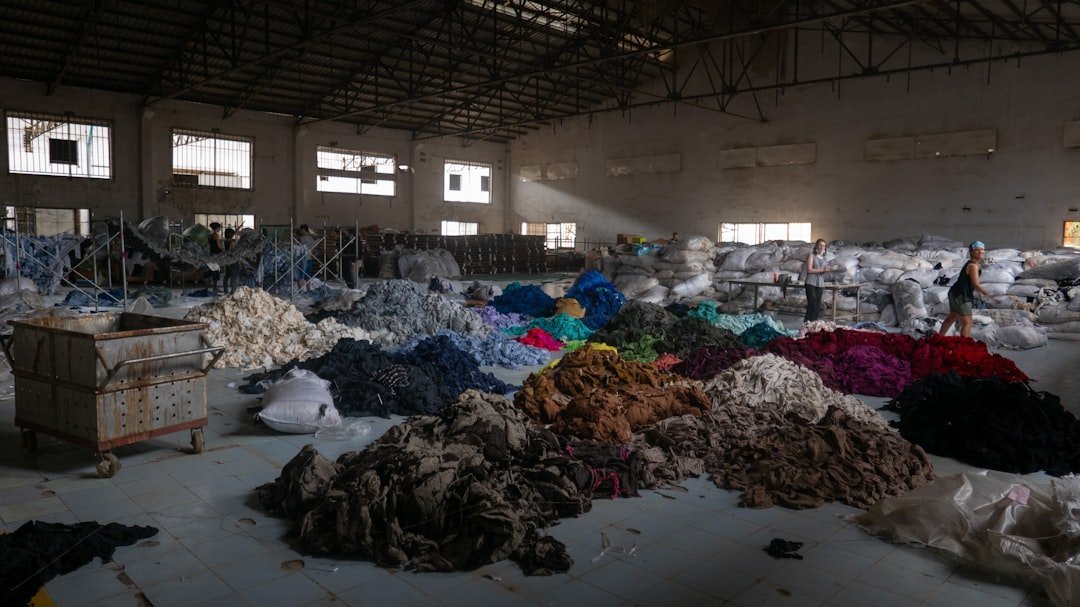
I’m not the most outspoken environmentalist, but when the facts are this stark, you’d have to actively try to ignore them. Fast fashion contributes to 10% of global carbon emissions, consumes massive water resources – for example, 700 gallons for one cotton shirt – and generates 92 million tons of textile waste annually.
Of the 100 billion garments produced each year, 92 million tonnes end up in landfills – the equivalent of a rubbish truck full of clothes ending up on a landfill site every single second. Every. Single. Second. That image should haunt every shopping trip.
Nearly 17 million tons of textile waste were generated in 2018 alone, with only 15% recycled or reused. The remaining textiles are incinerated or sent to landfills, exacerbating greenhouse gas emissions, microplastic pollution, and contamination from chemicals like PFAS. Choosing thrift is one of the most direct ways an individual can opt out of this cycle.
Buying Secondhand Measurably Reduces Your Carbon Footprint
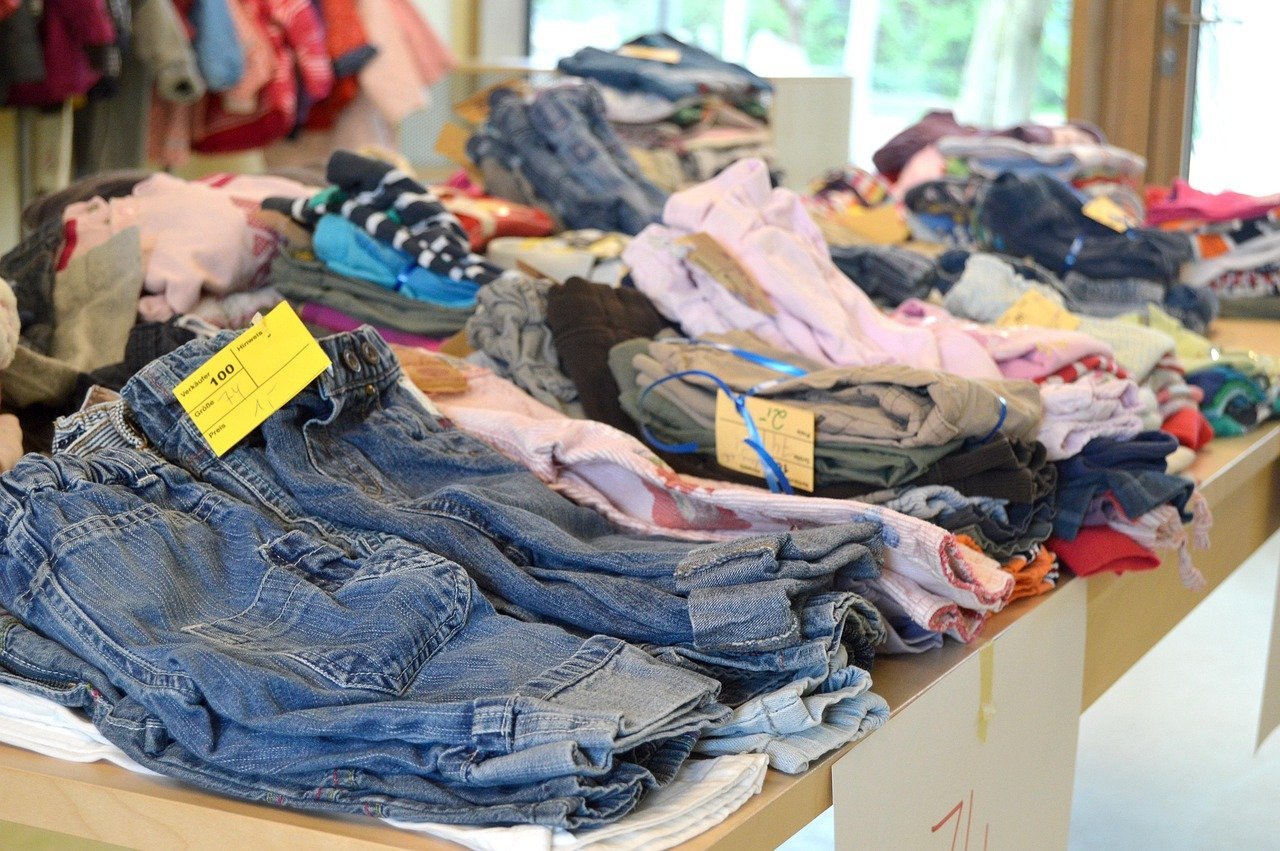
It’s easy to say thrifting is “better for the planet” without backing it up. So let’s get specific. Purchasing secondhand instead of new saves on average 8.41 pounds of carbon emissions, 16.48 kWh of energy, and 88.89 gallons of water per item. Per item. One shirt. One pair of jeans.
Thrift shopping avoids new production impacts, reduces carbon emissions by up to 90% for items like jeans, and saves billions of gallons of water by reusing clothing. Up to 90%. That number genuinely stopped me in my tracks the first time I read it.
Buying second-hand clothing lowers the carbon footprint of an individual’s wardrobe. Because second-hand clothing doesn’t require the energy-intensive processes of manufacturing, dyeing, or shipping new clothes, it helps cut down on the carbon emissions linked to the fashion industry. It’s one of the simplest, most effective climate actions an individual can take.
The Thrill of the Hunt Is Genuinely Addictive

People who haven’t thrifted seriously tend to think it’s purely about necessity or ideology. They’re missing the most entertaining part. Half of thrifters say they hit the thrift stores because they enjoy the thrill of finding a good deal, and I can absolutely confirm that feeling. Finding a quality wool blazer for $6 feels better than buying a new one for $200.
Over 70% of thrift store shoppers say they shop there for the thrill of the hunt. It’s practically a sport. A Saturday morning thrift run has become one of the things I genuinely look forward to each week.
Thrift shopping is also something most secondhand shoppers consider to be self-care, and Gen Z is the most likely out of all generations to label thrifting as part of their self-care routine. I know it sounds funny, but I’d agree. There’s a certain meditative quality to slowly flipping through a rack, fully disconnected from screens and algorithms.
You Can Find Incredible Quality for Almost Nothing
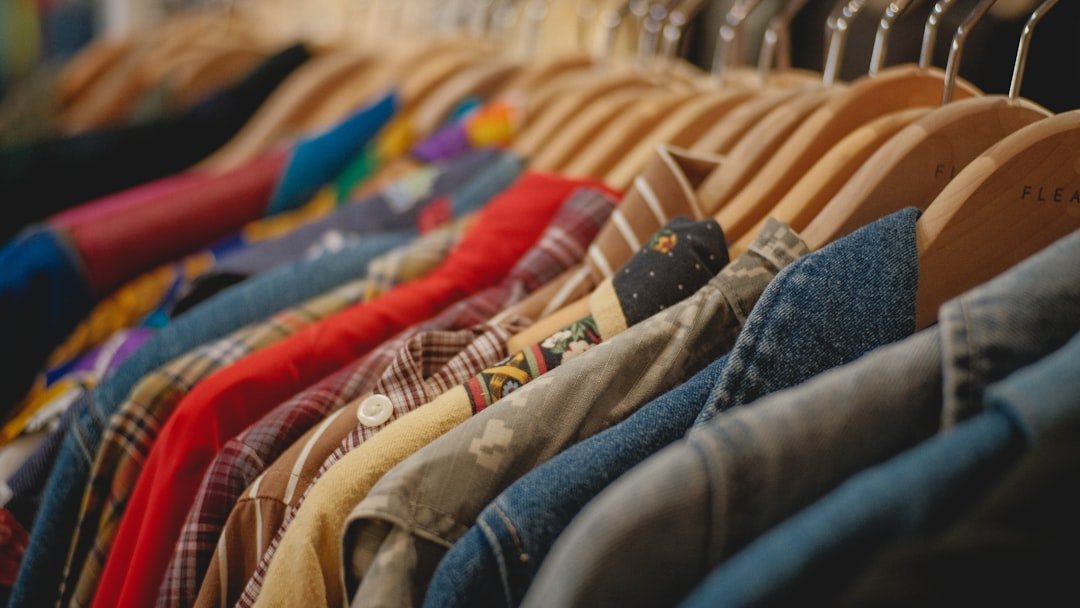
One of the biggest misconceptions is that thrift stores are full of worn-out, low-quality clothing. That’s simply not true – especially not anymore. Thrift stores often have vintage items or designer products at a fraction of the initial cost. You can elevate your wardrobe on a budget.
Think about it this way: wealthy people donate clothing constantly. That blazer that cost someone $400 brand new is sitting on a rack for $12 because they cleaned out their closet. Around 30% of Gen Z buyers choose secondhand items to afford more expensive brands, and that logic extends far beyond Gen Z. I’ve found cashmere sweaters, barely-worn leather boots, and high-end denim that still had their original price tags attached.
More than half of thrift store shoppers prioritize personal style over brand names. That’s the real draw for me. Secondhand shopping forces creativity. You can’t just point at a mannequin and buy the outfit. You have to curate your own look, and the result ends up being far more original.
A Booming Industry Is Validating the Choice
If there’s any lingering stigma attached to thrift shopping, the market data has firmly moved on. The global second-hand apparel market is projected to grow from $230.6 billion in 2025 to $438.1 billion by 2032. This is no longer a fringe movement. It’s a multi-hundred-billion-dollar industry.
The global secondhand apparel market is expected to reach $367 billion by 2029, growing at a compound annual growth rate of 10%. The U.S. secondhand apparel market alone is expected to reach $74 billion by 2029. Major retailers and investment firms are pouring money into this space because they see where consumer behavior is heading.
The resale industry is expected to outpace the broader retail clothing sector by 9 times by 2027. Nine times. That’s not a trend. That’s a structural transformation of how people relate to clothing and consumption.
Gen Z and Millennials Are Redefining Fashion Norms
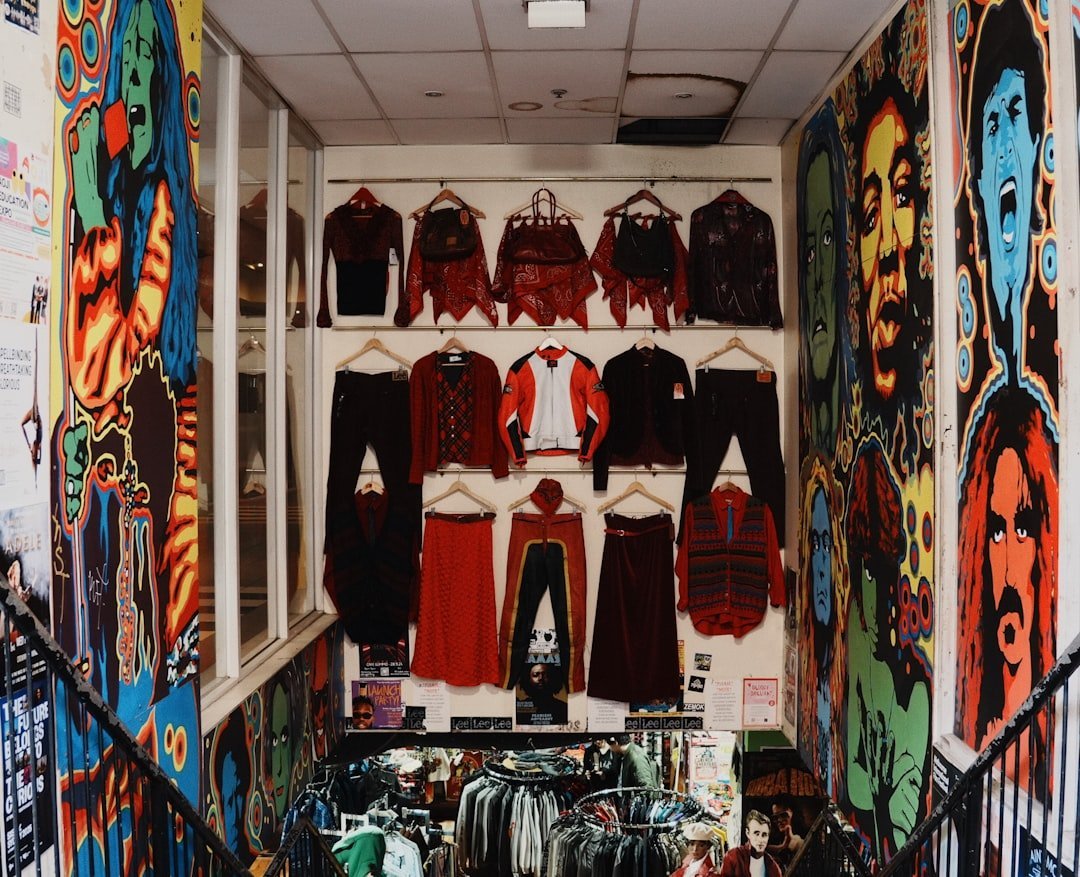
The generational shift here is remarkable and, I think, genuinely encouraging. A full 83% of Gen Z consumers have either bought or are interested in secondhand apparel; 34% always shop thrift stores first. These are people who grew up with social media, with instant access to every trend – and they’re still choosing secondhand.
Two in every five items in Gen Z’s closet are secondhand items. The culture around thrift shopping has been completely reframed by younger generations. It’s no longer associated with struggle. It’s associated with savvy, sustainability, and individual style.
According to ThredUp’s 2025 Resale Report, 59% of consumers indicated a preference for secondhand apparel if government tariffs increased clothing prices, with this figure rising to 69% among Millennials. Influencers and social media trends are normalizing second-hand fashion, especially among Gen Z and Millennials. The cultural momentum is clear, and it’s only accelerating.
It’s a Philosophy, Not Just a Shopping Habit
At the deepest level, the reason I still thrift despite having savings is because having money changed what I value, not what I flaunt. Maintaining frugal habits can remind us of the choices that led to financial security in the first place. Learning to see the value in little everyday activities is what helps people become better budgeters, more confident investors, and ultimately, build real wealth.
In a world where wealth is often associated with extravagance and wastefulness, there exists a unique breed of people who defy this stereotype – the frugal millionaires, individuals who, despite their substantial wealth, choose to live a life of thrift and simplicity. That’s the category I aspire to. Not because I have to, but because it aligns with how I actually want to live.
Thrifting, for me, is not a compromise. It’s a conscious, informed, and genuinely enjoyable decision that saves money, reduces environmental harm, and keeps my values consistent with my behavior. The six-figure savings account didn’t change that logic. If anything, it confirmed it. So the next time someone raises an eyebrow at my thrift store haul, I’ll just smile. I know something they don’t yet.
What would you do with an extra $1,760 a year – would you spend it or invest it? Tell us in the comments.