
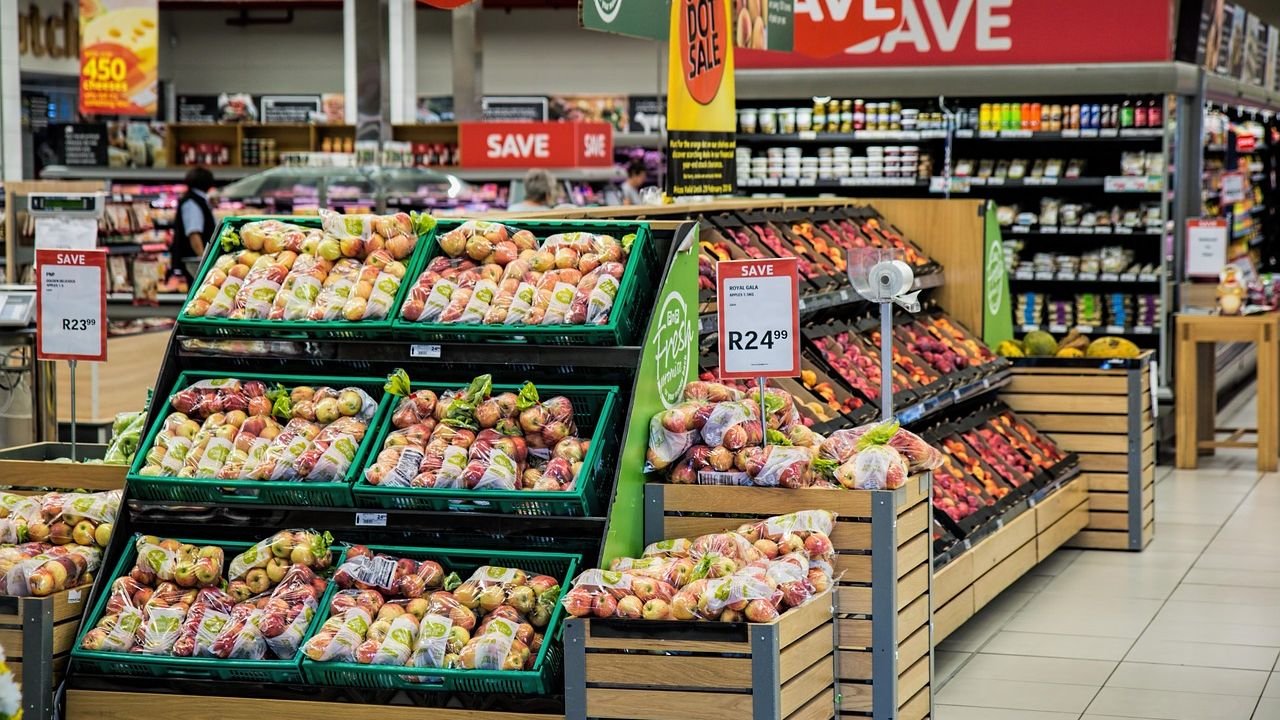
Your retirement savings are quietly under attack – not by a bad stock market or a sneaky fee on your 401(k), but by the grocery store down the street. Every single week, the gap between what you earn and what you spend on food gets a little wider. It’s slow, it’s invisible, and most people don’t even notice until it’s too late.
Honestly, this is the financial conversation nobody wants to have, but everybody needs to hear. Switching where you shop for groceries is one of the most powerful, friction-free money moves you can make in 2026. Let’s dive in.
The Grocery Inflation Reality Check Nobody Warned You About

The price of groceries is up roughly 30 percent since January 2020, and the typical family of four is now spending more than $1,000 per month at the grocery store. That’s not a small number. That’s a car payment, a utility bill, and a streaming subscription all rolled into one line item that keeps creeping upward.
In 2026, prices for all food are predicted to increase 3.1 percent, with a prediction interval of 0.7 to 5.7 percent, according to the USDA. Food and beverage prices are unlikely to return to pre-pandemic levels, yet the pace of inflation should continue to settle during 2026. In other words, things may cool slightly, but they won’t go backward.
More than half of 401(k) participants say inflation is their primary obstacle to saving for a comfortable retirement, according to a July 2025 survey by Charles Schwab. The grocery bill is a huge part of that fear, and it’s completely within your control to fix it.
Why Discount Grocery Shopping Is No Longer “Settling”
Traditional supermarkets are poised to face stiffer competition from their discount grocer rivals as these retailers continue to benefit from a shift in customer buying habits. Increased reliance on discounters took root in 2020 at the height of the COVID-19 pandemic and cemented in the following periods of record-high inflation. In recent years, discounters have gone from being places to buy cheap products to offering compelling value on everyday necessities.
An overwhelming roughly three-quarters of respondents said the primary reason for choosing one store over another is simple: it offers the best prices. This explains why more than a third of respondents switched to dollar or discount stores in 2024, with the majority citing lower prices as their main reason.
Post-pandemic, the popularity of discount and specialty grocers has risen significantly among consumers as the elevated cost of groceries has left many searching for lower prices. This isn’t a frugality trend anymore. It’s just smart living.
Store #1: ALDI – The Gold Standard of Discount Grocers
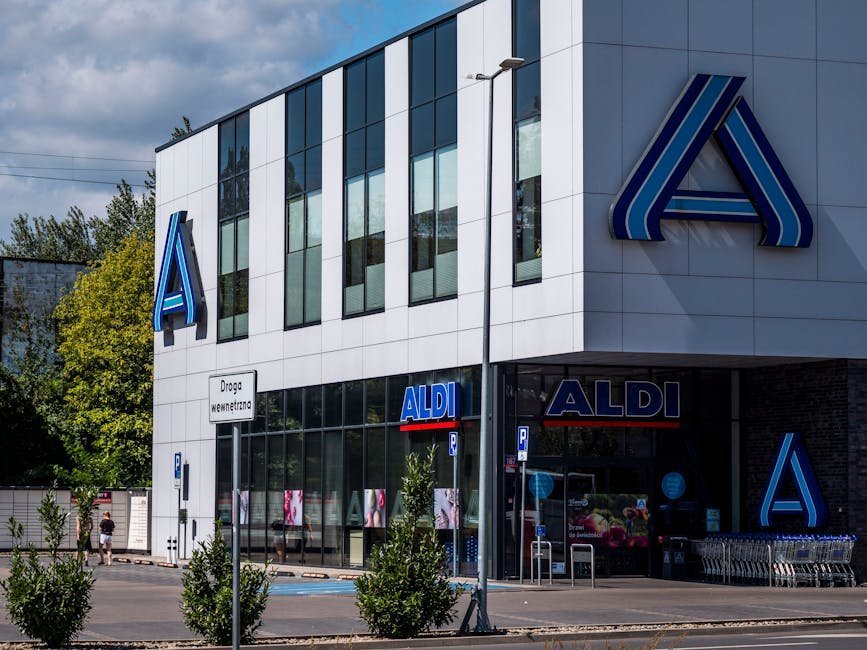
If there’s one name that comes up in every single conversation about saving money on groceries, it’s ALDI. ALDI’s own leadership report states that families of four can save $4,000 per year on groceries from shopping at ALDI, that ALDI-exclusive products are 63 percent cheaper than name-brand equivalents, and that ALDI shoppers save $8.3 billion per year. Those are the kind of numbers that should stop you mid-scroll.
Roughly seven out of ten survey respondents who primarily shop at ALDI do so because of the value it provides for their money. ALDI has opened an impressive 2,400 stores across the U.S. over the past 50 years or so. It aims to offer a no-frills shopping experience with hand-selected, high-quality products and low prices.
Aldi remained at the top of the list for the fastest-growing grocers in 2024. With inflation-weary consumers leaning into discount grocers, Aldi is rapidly expanding, opening 105 locations in 2024, which added over 2.3 million square feet of new space. Growth like that doesn’t happen unless the shoppers are genuinely happy.
Store #2: Lidl – Europe’s Secret Weapon for American Wallets
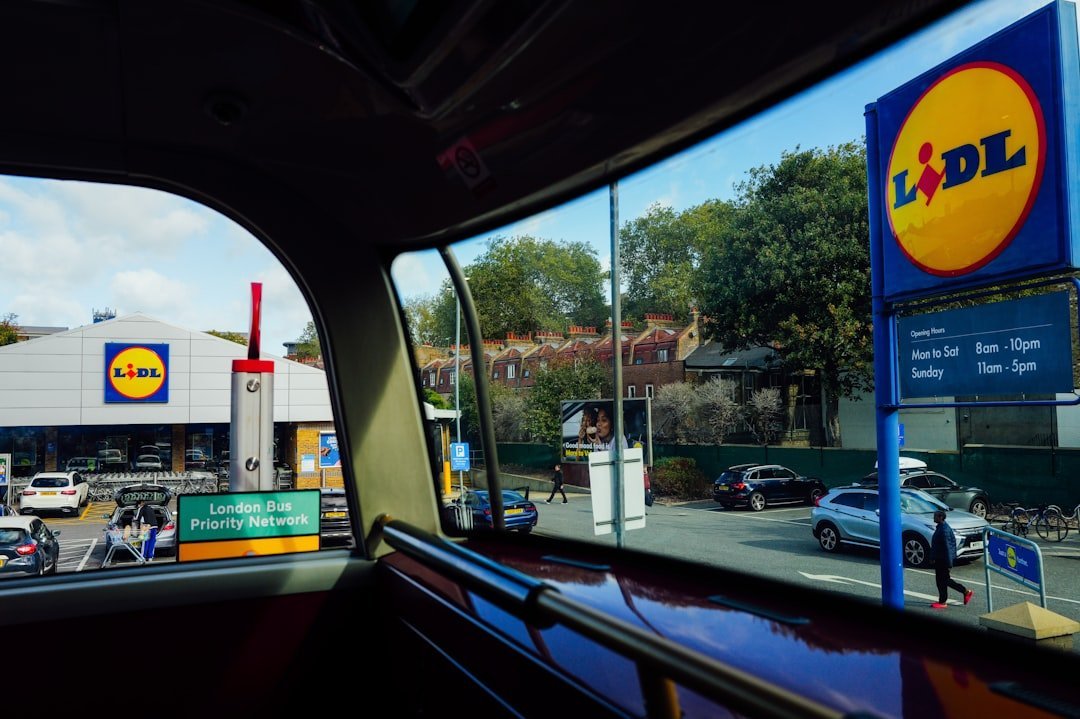
Lidl, which looks a lot like another discount grocer with German roots, is a greatly scaled-down grocery experience, and for budget-friendly reasons too. The smaller staff and warehouse-style staging means you end up paying less on your grocery run, because the overhead is way lower.
ALDI and Lidl were the hands-down winners in comparison shopping tests; their house brands often saved shoppers 50 percent or more over national brands and 20 percent or more over supermarket private-label products. That gap is real, and it adds up fast over a year of weekly shopping trips.
Lidl has won Supermarket Of The Year 2024 and Fresh Produce Retailer Of The Year 2024. Lidl made the top quartile of the dunnhumby Retailer Preference Index for the first time in 2024, a meaningful sign that quality is catching up with the price advantages they’ve always had.
Store #3: Trader Joe’s – Affordable Quirk With Real Savings
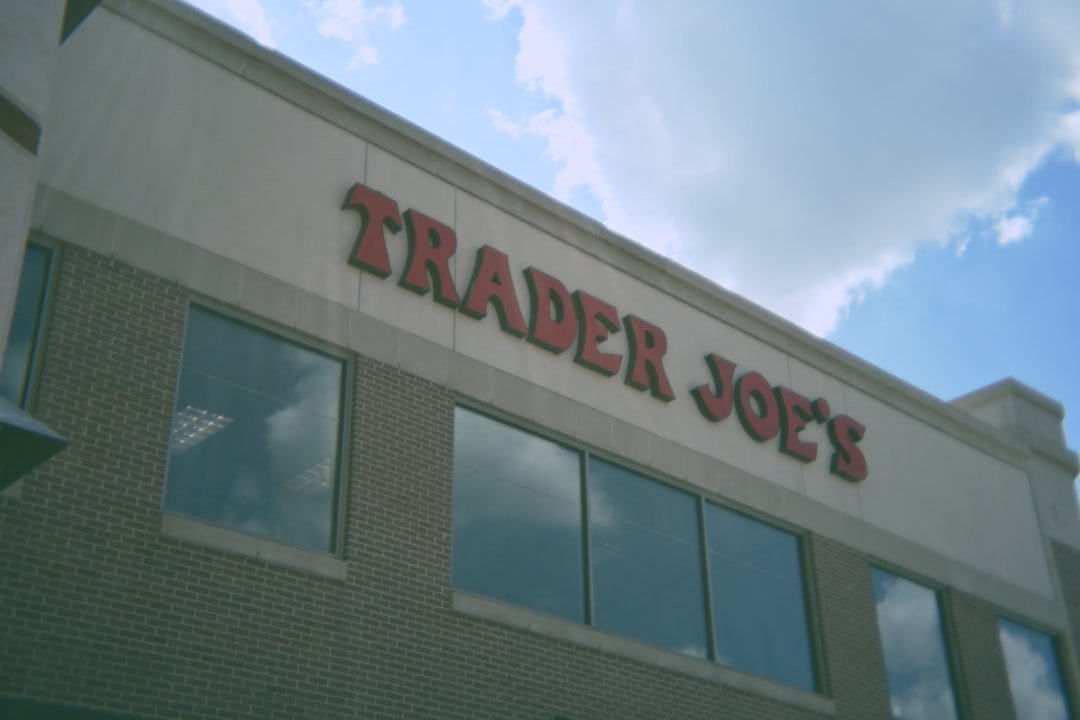
Trader Joe’s has this cult-like following, and I’ll be honest – it’s completely earned. Like Aldi, Trader Joe’s keeps prices low by selling mostly store-brand products. While you won’t find coupons or sales at Trader Joe’s, the company makes an effort to keep prices low every day by buying directly from suppliers whenever possible.
If you combined a convenience store, a produce stand, and an international market into an island-themed grocery store, you’d get a Trader Joe’s. This petite grocery store is more than just a store to its fans – shopping there is an adventure. More importantly, it’s an affordable adventure. They stock mostly store brands with no middleman, they won’t pay for ads, they keep operational costs low, and they buy in volume.
Trader Joe’s moved into the seventh spot in the 2024 dunnhumby rankings, an 8-place gain. Shoppers are clearly noticing the value, especially in a period when every dollar counts more than it did a few years ago.
Store #4: WinCo Foods – The Employee-Owned Underdog
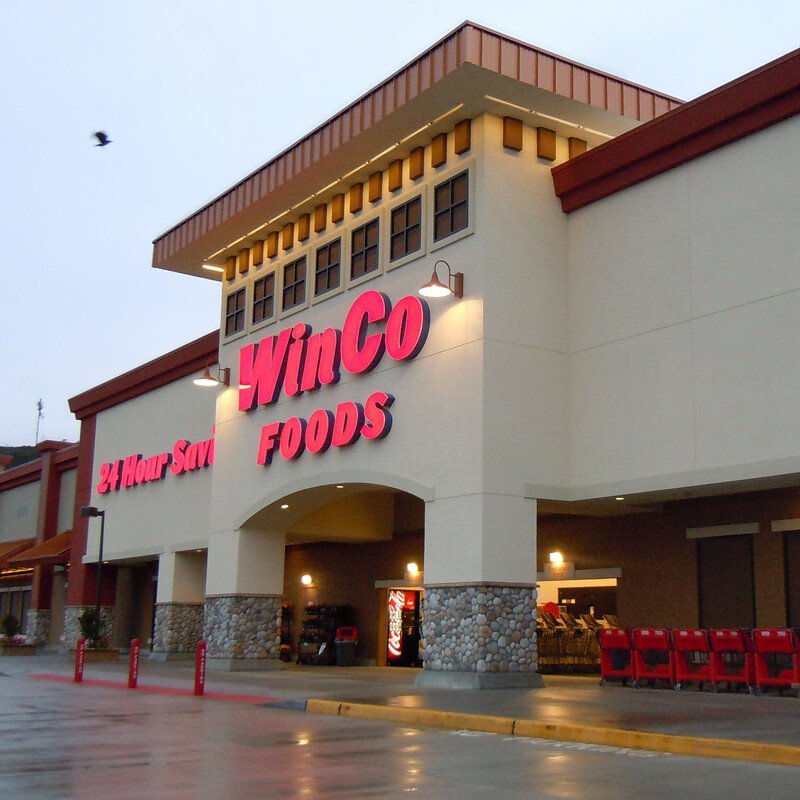
WinCo is the store your financially savvy cousin keeps telling you about. Think of it like a warehouse store without the membership fee or the warehouse-sized commitment. With 139 locations across 10 states from California to Oklahoma, WinCo Foods is a majority employee-owned company, meaning employees earn shares in company stock. Similar to warehouse retailers like Costco and Sam’s Club, WinCo is a no-frills warehouse-style shopping experience, and keeps prices low by buying directly from product manufacturers and enlisting customers to bag their own groceries.
WinCo offered prices about 24 percent lower than the average at all other stores surveyed in an independent evaluation by the nonprofit Consumers’ Checkbook. That’s not a rounding error, that’s serious money.
Warehouse-style grocer WinCo Foods vaulted to No. 4 in the 2024 dunnhumby Retailer Preference Index from No. 14 the year prior, while deep discount chain Aldi jumped to No. 5 from No. 7. That kind of climb in a respected industry ranking tells you everything about consumer confidence in these stores right now.
Store #5: Costco – Bulk Buying as a Retirement Strategy
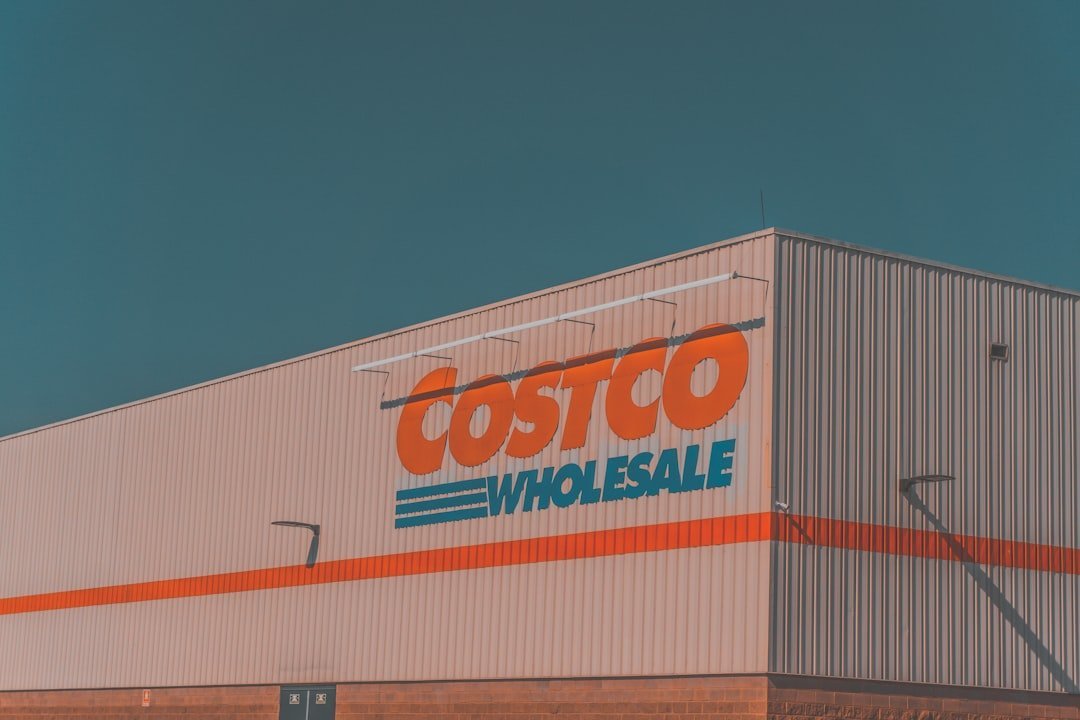
Here’s the thing about Costco: it requires a membership fee, which automatically makes some people dismiss it. That’s a mistake. They offset prices with a membership fee, which ranges from $60 to $120. They have tons of products under their Kirkland Signature brand. Because you’re buying in bulk, you really can save a lot each month. Plus, their Kirkland Signature brand is a great way to save money and still enjoy the quality of your favorite name brands.
Costco was one of the big grocery market share gainers in recent years as consumers flocked to its limited, frequently rotating assortment of bulk items. The USDA’s 2024 Food Price Outlook projects rising grocery prices overall, and warehouse retailers like Costco can help consumers save by buying in bulk.
Think of the membership fee like a cover charge at a restaurant that serves incredible food at half the price. If you cook regularly or have a larger household, the math works out immediately. The Kirkland brand alone has become something of a legend in frugal household circles.
Store #6: Market Basket – The Northeast’s Best-Kept Secret
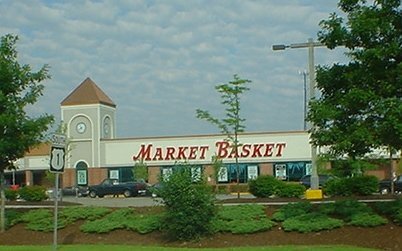
Market Basket’s motto is “More for Your Dollar,” and it lives up to its promise. The over 100-year-old chain has maintained a loyal customer base throughout the Northeast thanks to its low prices. If you live in New England and you’re not shopping here, I’d genuinely ask you why.
For the third straight year, Texas chain H-E-B was rated as the No. 1 US grocery retailer in the eighth annual dunnhumby Retailer Preference Index, with value grocer Market Basket pushing Amazon out of the No. 2 spot to edge past Costco Wholesale. Market Basket beating Amazon for value perception is a remarkable statement about what this regional chain has built.
Market Basket, a regional favorite in New England, has built its reputation on low prices and regular promotions. Market Force Information data from 2024 notes that Market Basket is a leader in providing value for shoppers’ money. The loyalty it inspires is the kind that only comes from genuinely delivering on a price promise week after week, year after year.
Store #7: Grocery Outlet – The Treasure Hunt That Pays You Back

A majority of study respondents head to Grocery Outlet to get the most value for their money. As the name suggests, Grocery Outlet is an outlet-style grocery store, meaning it stocks excess inventory directly from other grocery manufacturers and sells at a discount. It’s like the TJ Maxx of groceries, and I mean that as the highest possible compliment.
If you live in an area with Grocery Outlet stores, you’ve likely heard of them. The company got its start in 1946 when Jim Read opened a discount store for military items. That store grew into a chain that brings customers great brands at low prices. Still owned by the Read family, Grocery Outlet now serves more than 1.5 million shoppers per week.
Grocery Outlet’s private label growth came in tandem with its national expansion in 2024. The chain closed out last year with 533 stores across 16 states after opening 57 locations in new East Coast markets. The selection changes constantly, which means regular visitors get a rotating treasury of deals. It rewards the curious shopper.
Store #8: H-E-B – The Texas Titan That Delivers Real Value
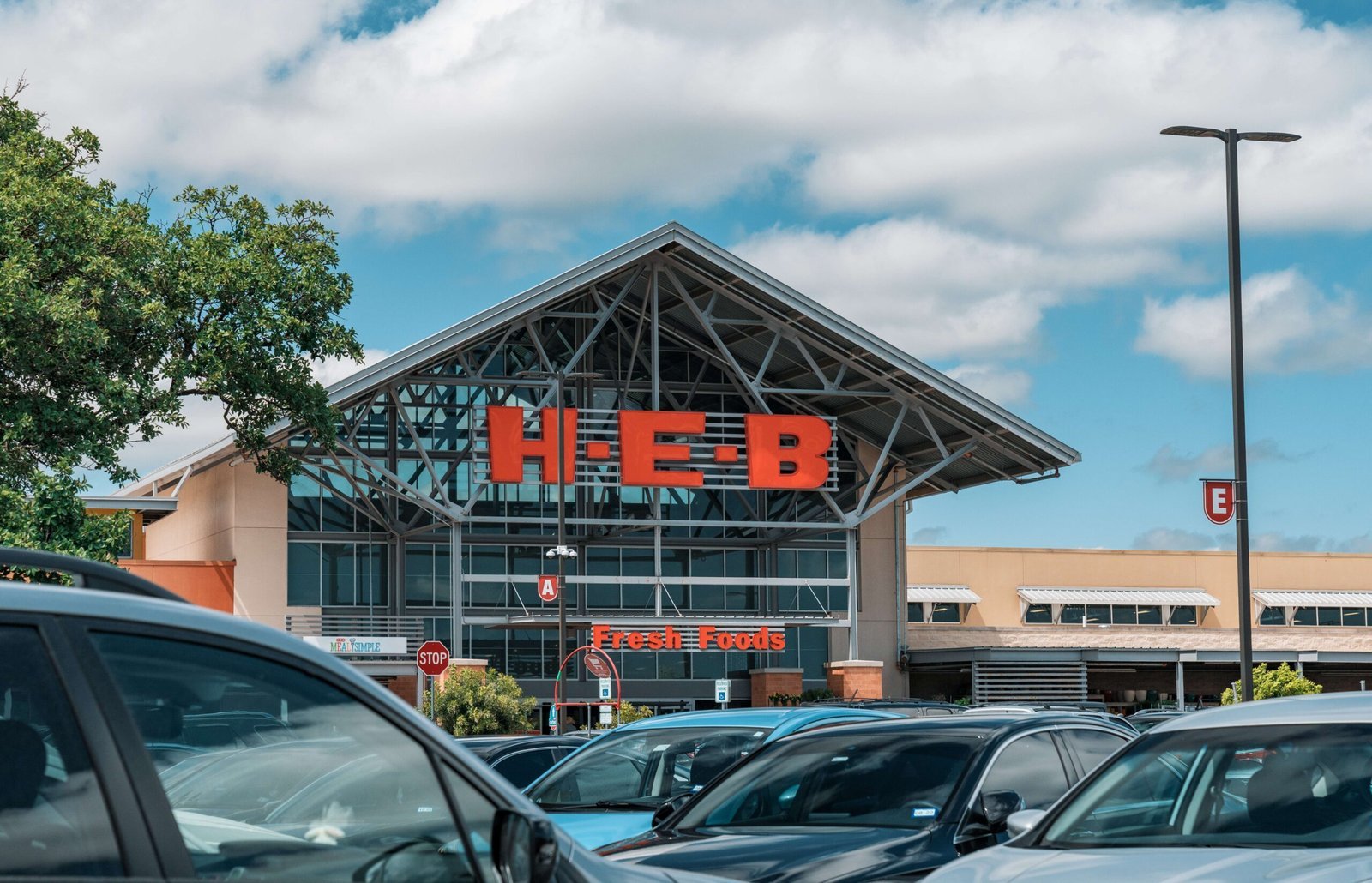
If you’re in Texas or parts of northern Mexico, you already know H-E-B. If you don’t, you’re missing what many industry experts consider the gold standard in American grocery retail. H-E-B was named America’s top grocery store for the fifth time, beating Amazon, Costco and Trader Joe’s in Dunnhumby’s annual ranking of 81 retailers. Five times. That’s not luck.
H-E-B, Market Basket, and WinCo Foods are examples of best-in-class regional supermarkets that have a customer value proposition built to weather the growth of club, discounter, limited-SKU and pure-play formats, as well as the ups-and-downs of shocks to consumer context, according to dunnhumby’s research.
Southeastern grocer Publix added over 2 million square feet of new space in 2024, while H-E-B added over 1 million square feet of new space in the form of 9 new store openings in Texas. H-E-B’s consistent top-tier ranking combined with genuine competitive pricing makes it a nest egg protector that also happens to carry remarkable fresh produce and in-house baked goods.
Store #9: Save A Lot – Reaching Shoppers Where They Live

Uploaded by AlbertHerring, CC BY-SA 2.0)
Discount grocery stores like Aldi and Save A Lot are crucial in enhancing food accessibility, particularly in urban and rural areas where traditional supermarkets are scarce or priced out of reach for the average consumer. By offering affordable food options, these stores help mitigate the impact of food deserts and ensure that nutritious food choices are within reach for more people.
While Walmart remains a top competitor, discounters like Aldi, Lidl and Save A Lot have each queued themselves up for expansion. Aldi announced plans to add 800 new stores across the U.S. by the end of 2028, while Save A Lot is also quickly scaling its business with plans to triple its store count over the next few years.
Both Aldi and Save A Lot have shown a remarkable ability to adapt to their customers’ changing needs and preferences. Whether incorporating more organic and gluten-free options or responding to the demand for more fresh produce and meats, these stores have expanded their product ranges without veering away from their low-price promise. That combination of accessibility, expansion, and product growth makes Save A Lot a genuinely underrated weapon in the budget-conscious shopper’s arsenal.
The Private Label Advantage Hiding in Plain Sight
Every single one of these nine stores has one major financial lever in common: private label products. Store brands can cost 15 to 25 percent less than their brand-name versions, a discount that increases to 35 to 50 percent for personal care and health products. For a family of four spending over a grand a month on food, that gap translates into hundreds of dollars saved every single year.
Many store brands at discount grocers are manufactured by the same companies that produce name-brand products, just with different packaging. Retailers like Aldi, Lidl, and Walmart have invested significantly in improving their private label offerings. Think of it like the generic version of ibuprofen – same active ingredient, dramatically different price tag.
Following a solid year for private-label sales, national grocers like Kroger and Albertsons further expanded their enormous private-label brand catalogs in 2024. Even the mainstream chains are acknowledging what discount-store loyalists have known for years. The store brand is not a compromise. It’s frequently the smarter purchase.
How Much Can You Actually Save Over a Year?
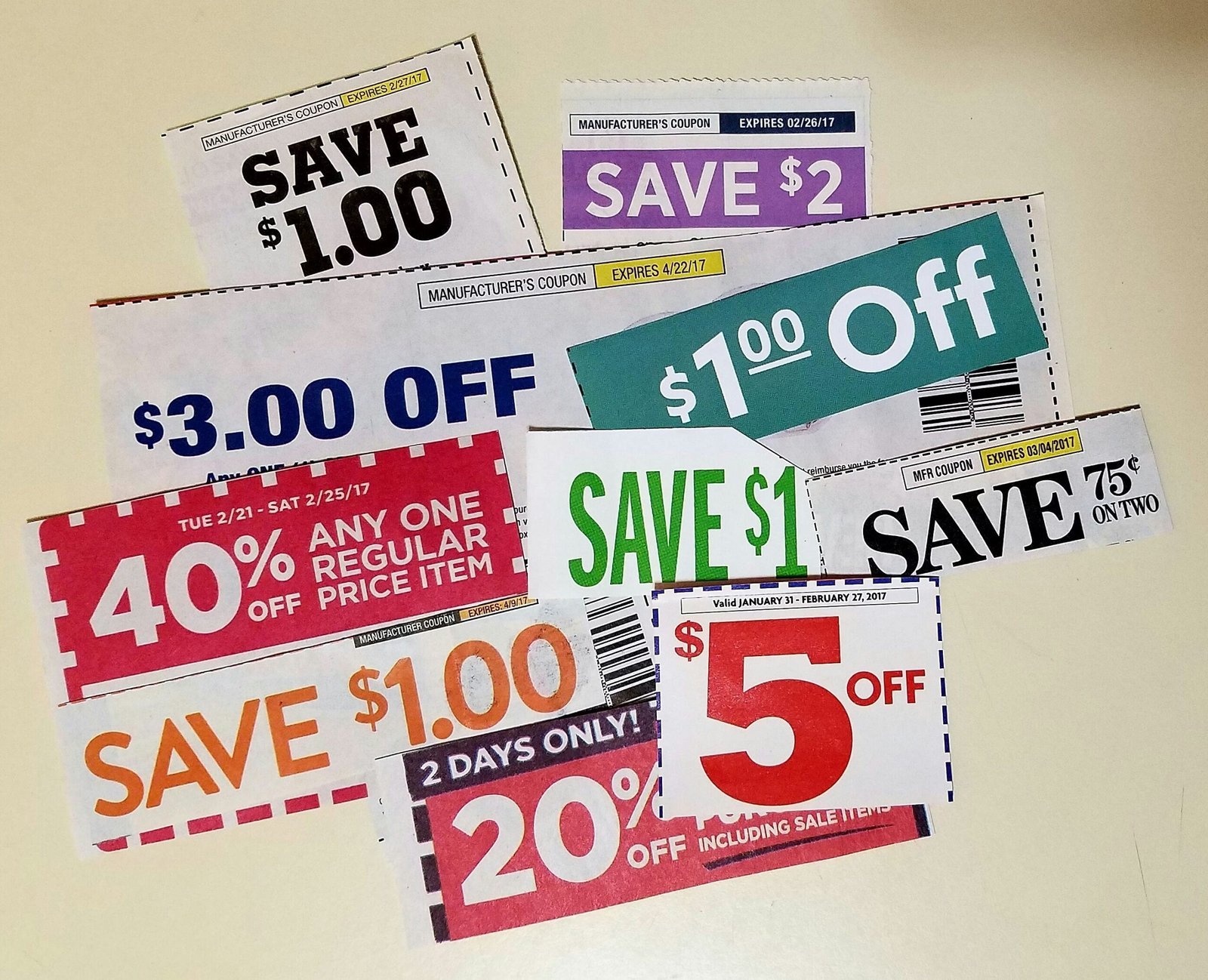
Let’s make this concrete. Households typically save 30 to 40 percent at Aldi or Lidl compared to conventional supermarkets. On a $1,000-per-month grocery budget for a family of four, that’s potentially $300 to $400 back in your pocket. Every. Single. Month.
Rising food prices are forcing many consumers to rethink their grocery budgets. Over the past six months, more than four in ten respondents said they’ve somewhat reduced grocery spending, while another significant share reported making significant cuts. Despite these efforts, a large share of respondents reported spending meaningfully more on groceries in 2024 compared to the previous year.
From July to September 2024, discount grocery stores saw increases between 4 and 7 percent in foot traffic when compared to traditional grocery stores. People are figuring this out. The shoppers moving to discount grocers aren’t cutting corners. They’re being strategic about where their money goes – and that’s exactly the mindset that protects a nest egg.
Conclusion: Every Dollar You Save at the Grocery Store Is a Dollar Working for Your Future
Groceries are one of the few major household expenses where you genuinely have the power to cut costs without sacrificing quality or living miserably. The nine stores in this article aren’t some obscure frugality hack. They’re well-funded, expanding chains that are winning industry awards and growing market share because they deliver real value to real people.
While food price inflation has abated from the levels of two to three years ago, food prices remain high and are not likely to fall back to previous levels. At some point, these new price levels will become the new normal, but for now, consumers still have sticker shock at the checkout line. Waiting for prices to drop is not a strategy. Switching where you shop is.
The math is brutally simple: if you can redirect even $200 to $300 a month back out of your grocery bill and into savings or investments, the compounding effect over a decade is transformative. Your nest egg doesn’t care where you bought your pasta. But your future self absolutely will. What would you do with an extra few hundred dollars every month – have you ever actually sat down and calculated what your grocery store is costing you?