

North Carolina had the marketing pitch perfected. Blue Ridge mountains in the west, Atlantic breezes in the east, mild winters, no state tax on Social Security income, and a cost of living that used to feel almost too good to be true. For years, retirees packed up from New York, Ohio, Michigan, and Florida and headed straight for the Tar Heel State with the confidence of someone who’d just found a life hack.
Honestly, I understand the appeal. I felt it too. But somewhere between the glossy brochures and reality, things shifted. The dream retirement state started showing some serious cracks, and for many, the math simply doesn’t add up anymore. If you’re planning a move to North Carolina for retirement, you need to read every single word of what follows before you sign anything.
1. Home Prices Are Not What They Used to Be
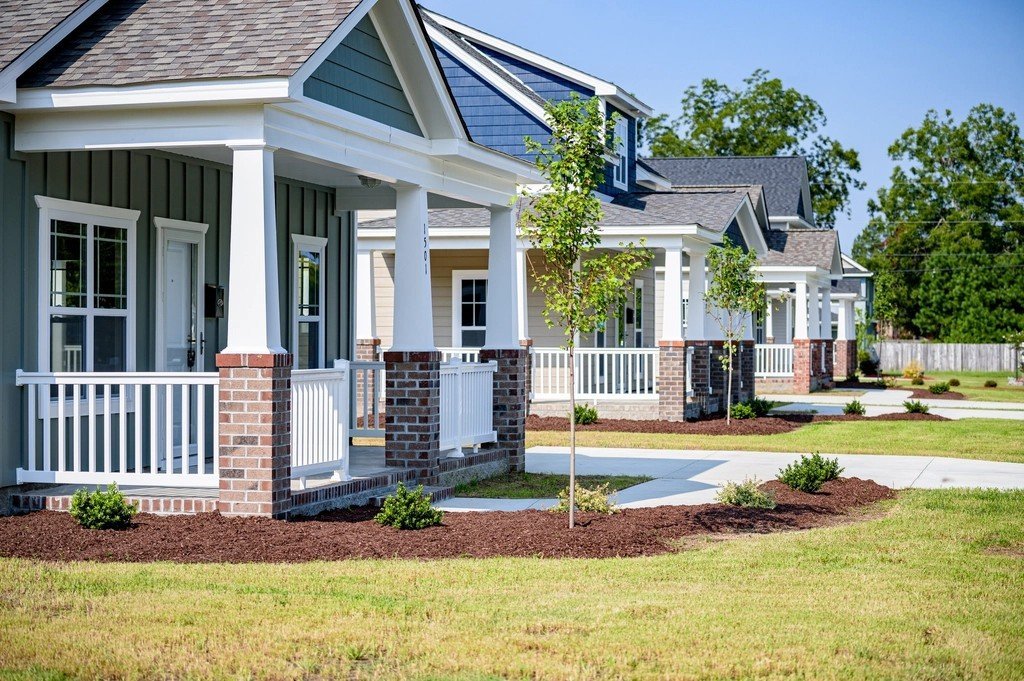
Let’s be real: North Carolina’s housing market used to be the main selling point. Affordable homes, low property taxes, and wide open spaces. That era feels like ancient history now.
As of January 2025, home prices in North Carolina have seen a rise of roughly 1.8% compared to the previous year, with the median price approaching $368,000. That might sound moderate, but context matters: this comes after years of explosive growth.
In 2021, year-over-year home price appreciation surged to 15% and reached a peak of 22% in 2022, surpassing the national average of approximately 17%, marking the highest period of appreciation looking back to 1980. Retirees who waited too long to buy paid dearly for that delay.
Data from the University of North Carolina’s “State of Housing in Charlotte” shows that in September 2024, only about 2% of Charlotte homes sold for under $150,000, and just about 19% sold for under $300,000, showing far fewer affordable housing options than in previous years. For anyone on a fixed income, that’s a sobering picture.
2. The Pension Situation Is Quietly Desperate

Here’s something most retirement guides won’t tell you upfront: the state of North Carolina’s pension situation is complicated, and retirees depending on public pensions have felt the pressure building for years.
The state has estimated that the annual rate of return required for the retirement system to remain viable is somewhere between 6.5% and 7%. However, it undershot that target over the past 20 years, resulting in about $16 billion in unfunded liabilities. That’s not a small gap. That’s a canyon.
Retired state employees and teachers received cost-of-living adjustments (COLAs) nearly every year from 1981 to 2008. From 2009 on, they’ve received only small increases, one-time bonuses, or nothing at all. Think about what that means for someone who retired fifteen years ago and has been watching inflation eat away at their purchasing power ever since.
Retirees have not had any adjustment since November 2023. During this time, inflation in the Southeast has gone up by 5.7%, with inflation on food and housing at close to 6% and 9%, respectively. That gap between what retirees receive and what everything around them costs is the quiet financial crisis nobody warned them about.
3. State Health Insurance Premiums Are Rising

Healthcare is always the wildcard in retirement planning. It doesn’t matter how well you’ve saved if your medical costs spiral out of control. North Carolina’s State Health Plan is now raising its own alarms.
With costs increasing and revenues failing to meet projections, the State Health Plan’s reserve account is projected to fall below its target by January 2028, and a looming deficit pushed State Health Plan trustees to increase beneficiaries’ insurance premiums, out-of-pocket costs, and copays for 2026.
The premium increase was the first in years, and for the first time, premiums will be pegged to employee salaries. This is a structural shift that signals more increases could be on the horizon. It’s not just a one-time adjustment.
Urban regions in North Carolina are dominated by large hospital systems, many of which have merged and reduced competition, contributing to higher prices for patients. Rural communities face the opposite problem of having fewer healthcare options altogether. Either way, the average retiree loses.
4. Traffic and Infrastructure Are Straining Under Growth

You picture yourself driving leisurely through rolling hills to your favorite coffee shop. Then reality hits. North Carolina is one of the fastest-growing states in the country, and its roads simply weren’t designed for the volume of people now living here.
According to a 2024 TRIP report, from 2000 to 2019, annual vehicle miles traveled in North Carolina increased by 37%, the fifth highest rate of growth in the U.S., and the state gains more than 140,000 people annually, outpacing population growth for all U.S. states.
A third of major roads in North Carolina are in poor or mediocre condition. Congestion is worsening. Raleigh drivers lose 36 hours per year in traffic, and Charlotte commuters lose 47. That’s basically a full workweek lost to gridlock. Every single year.
Congestion and bottlenecks cost North Carolina drivers $4 billion annually in lost time and fuel expenses, with urban centers in Charlotte and the Triangle leading all regions in total hours of congestion and cost to drivers. Retirement shouldn’t feel like rush hour in New Jersey.
5. The Population Surge Is Reshaping the State’s Character
North Carolina is changing fast. Too fast for many longtime residents or retirees who moved here seeking a quieter lifestyle. The state that once felt peaceful and manageable is now one of the most in-demand destinations in the entire country.
North Carolina’s 2025 population of nearly 11 million reflects 1.13% growth, and that number compounds every year. The state that charmed retirees with its small-town feel is rapidly becoming something else entirely.
Population growth in North Carolina is increasingly concentrated in major metro areas such as Charlotte, Raleigh, Durham, and Wilmington. Raleigh alone surpassed 500,000 residents in 2024. Coastal and mountain counties are also attracting new residents, particularly retirees and remote workers seeking natural amenities.
Nearly all rural population growth is coming from out-of-state retirees, while younger residents continue to leave. These dual effects worsen birth rates and deepen long-term demographic challenges rural communities face, making it harder for local governments to maintain schools, roads, and essential services. The communities retirees moved to for their charm are slowly losing the very thing that made them appealing.
6. Hurricane Helene Shattered the “Safe Haven” Illusion

If you thought choosing the mountains of western North Carolina meant escaping hurricane risk, September 2024 was a brutal wake-up call. Hurricane Helene devastated vast swaths of the state in a way almost nobody had anticipated.
On October 3, 2024, the North Carolina Department of Revenue announced it was following the federal May 1, 2025, filing postponed dates for Hurricanes Helene and Debby. The fact that an entire state needed coordinated federal disaster tax relief tells you exactly how severe the damage was.
On April 17, 2025, the IRS announced that due to the lingering effects of Hurricane Helene on North Carolina, it would further postpone until September 25, 2025, certain tax filing and payment deadlines for affected taxpayers. Even months later, western North Carolina communities were still working through the aftermath.
While some damages may be covered in part by insurance and FEMA assistance, in many cases, damages from floods and water are only covered if there is an existing flood policy in place at the time of the disaster. Damages from noncovered flood damages may be substantial and result in significant tax losses. Many retirees found themselves financially exposed in ways they had never planned for.
7. Schools and Infrastructure Are Under Enormous Pressure
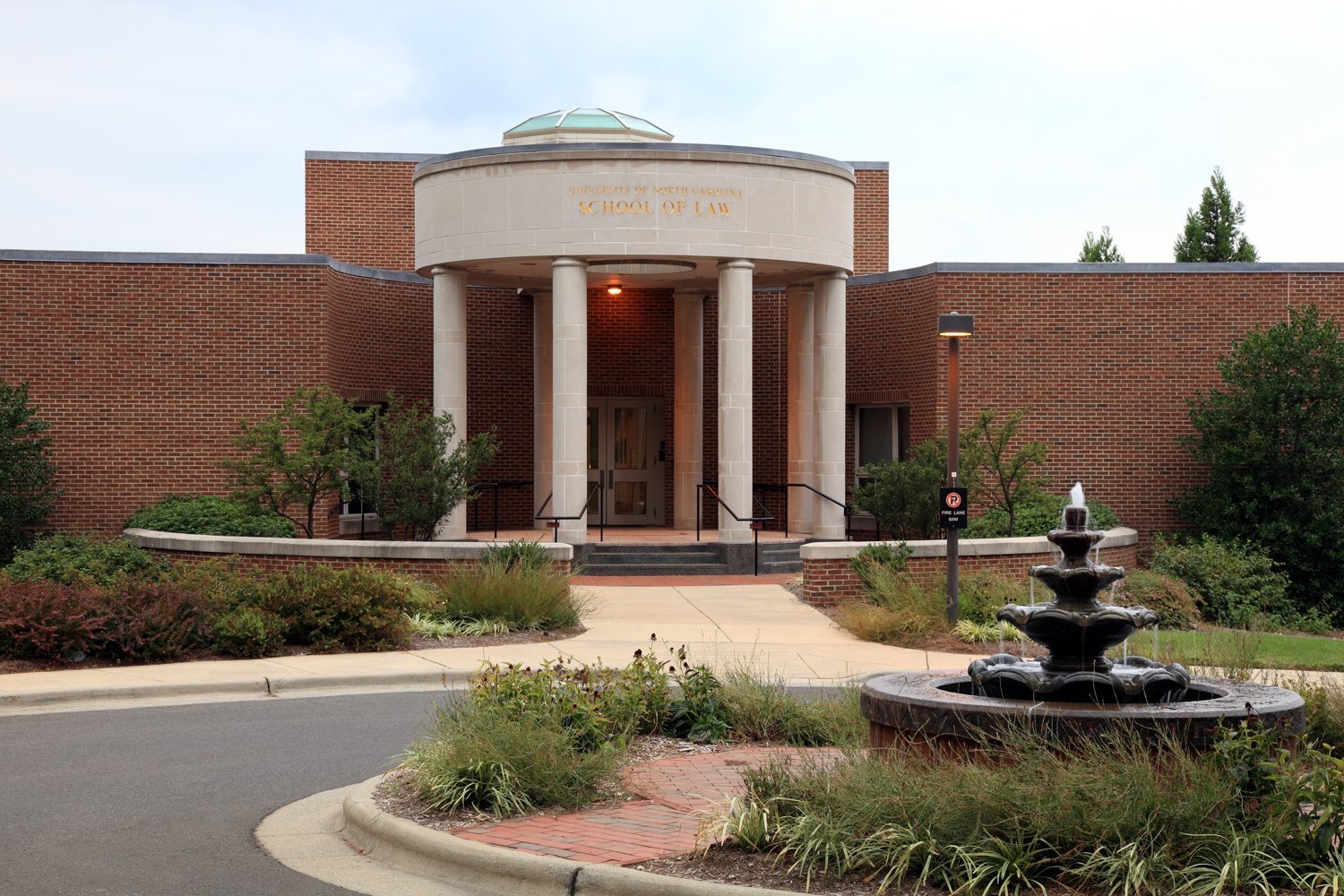
You might wonder what school crowding has to do with retirement. It’s a fair question. The answer is that overwhelmed public infrastructure affects everyone, from property tax rates to emergency services to the overall livability of a community.
Fast-growing counties struggle with overcrowded schools, while rural districts face declining enrollment and shrinking tax bases. North Carolina has not passed a statewide school construction bond since 1996, even though unmet school capital needs now exceed $13.5 billion. That’s an enormous deferred obligation.
Western North Carolina has vast needs for school infrastructure in the aftermath of Hurricane Helene. North Carolina must invest in school infrastructure to ensure public schools provide a high-quality education for every child. Recovery efforts are stretching community budgets even further in 2025 and 2026.
The teacher pipeline has also weakened significantly. Enrollment in UNC education programs has declined by roughly one third. Districts across the state cannot fill positions in subjects such as math, science, and special education. A state struggling to staff its classrooms is a state with deeper systemic challenges that eventually touch every resident.
8. The Aging Population Is Outpacing Support Services

North Carolina is simultaneously attracting huge numbers of retirees while struggling to build the infrastructure needed to actually serve them. It’s a bit like inviting everyone to a dinner party and then realizing you’ve only set six places at the table.
The Senate’s spending plan keeps dollars for other aging services flat, even as the state’s aging population is swelling. The population of people ages 65 and older in North Carolina is projected to grow from 1.9 million in 2022 to more than 2.8 million by 2042. That’s nearly a million more older adults needing services in less than two decades.
Rural counties face even more severe challenges with limited public transit and long distances to jobs and healthcare. For retirees without family nearby and no longer driving, this isn’t a minor inconvenience. It becomes a real quality-of-life crisis.
It’s hard to say for sure how bad the gap will grow, but when government spending on aging services is flat and the population needing those services is exploding, the arithmetic is concerning. Retirees who assumed the state would take care of them may find themselves on their own more than expected.
9. The Rental Market Has Become Punishing for Fixed-Income Seniors
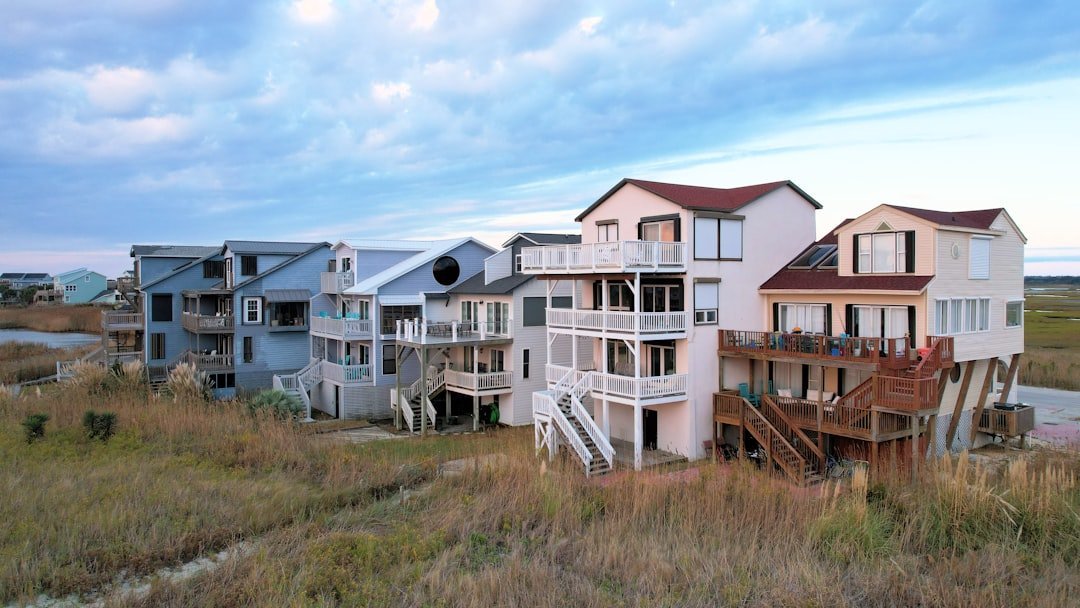
Not everyone who retires in North Carolina owns their home outright. Many rent, and the rental market has become one of the most punishing aspects of the state’s economic transformation in recent years.
Rents were more unaffordable than ever in 2021 and 2022. In 2022, roughly 22.4 million households paying rent nationwide said it was unaffordable, the highest figure ever recorded, according to the Joint Center for Housing Studies at Harvard University.
The study found that about half of all renters in the United States spent over 30% of their income on rent and utilities. For retirees on Social Security and limited savings, spending that proportion of income on housing leaves almost nothing left for food, medication, or emergencies.
By 2024, rental market growth rates returned to approximately 3%, aligning again with historical patterns and national trends. That sounds reassuring until you realize that renters are paying 3% more on top of the 20% or more they absorbed during the previous boom years. The baseline shifted dramatically, and it never came back down.
10. The Dream Doesn’t Match the Budget Anymore
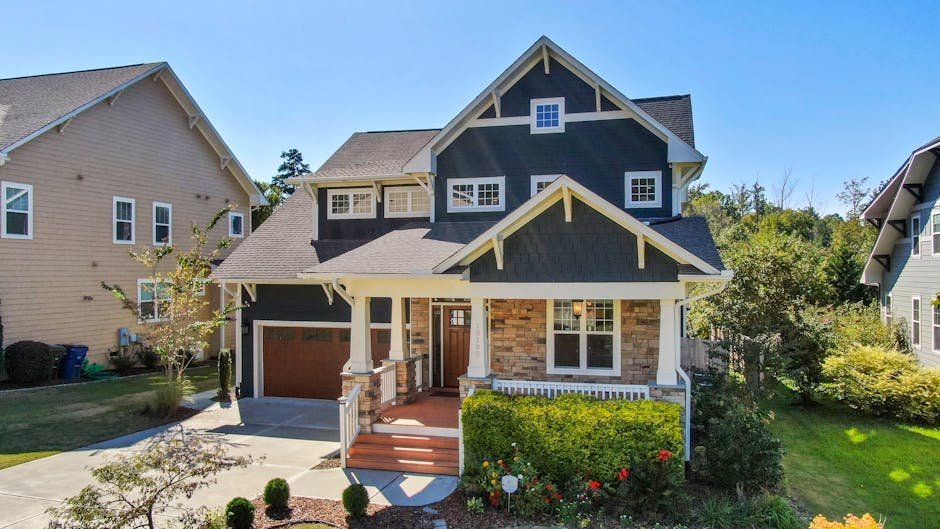
This is perhaps the hardest truth of all. North Carolina worked as a retirement destination in large part because it was genuinely affordable. That fundamental advantage has eroded significantly, and retirement budgets built around the old version of North Carolina are now running into a very different state.
Demand is not likely to lessen anytime soon, even as housing prices and interest rates continue to rise. With so much incoming demand from people escaping other states and from the influx of tech companies moving in, there will be plenty of people keeping the North Carolina market competitive.
The North Carolina State Retirement Systems made huge gains in 2025, but that may not mean imminent cost-of-living adjustments or bonuses for retirees, who are feeling the burn of rising prices. The gains are real, but they’re being directed at paying down unfunded liabilities rather than boosting income for people who need it now.
Local government retirees have gone nearly 20 years without COLAs, and even with some legislative proposals moving forward, the gap between what retirees receive and what daily life actually costs in North Carolina has become genuinely difficult to bridge. The math that made sense a decade ago simply does not compute the same way in 2026.
North Carolina isn’t a bad state. It’s a beautiful, complex, rapidly evolving place that looks very different today than it did when so many retirees first fell in love with the idea of it. The mountains are still stunning, the barbecue is still exceptional, and the people remain warm. What’s changed is the economic reality underneath all of it.
If you’re still dreaming of a Carolina retirement, go in with open eyes and updated numbers. The dream can still work. Just don’t plan for the North Carolina of 2010 when you’re buying into the North Carolina of 2026. What would you do differently if you had planned your retirement in a place that changed this much around you?