

Your grandparents probably had a coffee can tucked behind the cookbooks. Maybe a mason jar in the pantry. “Save for a rainy day,” they said, and that was enough. Put some aside, don’t touch it, and you’ll be fine when life goes sideways. Honest advice for honest times.
But here’s the uncomfortable truth: that same philosophy, applied word for word in 2026, could quietly cost you thousands of dollars. The economy has shifted beneath our feet in ways most people haven’t fully processed yet.
What does it actually mean to save wisely today? Where does the money go, how much is enough, and why do the old rules no longer apply? Let’s dive in.
The Inflation Wound That Hasn’t Fully Healed
Let’s be real about where we stand. The inflation rate peaked at a roughly 40-year high of 9.1% back in 2022, and while it has since come down to around 2.7% as of November 2025, everyday prices that consumers pay remain much higher than before the pandemic. The Consumer Price Index has risen roughly a quarter above where it was six years ago.
While annual inflation is down from those historic highs, prices for everyday essentials remain elevated and continue rising in some categories. In November 2025, coffee prices were up nearly 19% from the previous year, the cost of beef was up around 15%, and housing costs rose over 14% between September 2023 and September 2025, according to Bureau of Labor Statistics data.
In early 2026, the inflation rate is hovering around 2.7%. So if you want your savings to beat inflation, you need to earn more than that just to preserve the purchasing power you already have. Think of it like running on a treadmill. Standing still is actually moving backward.
Americans Are Running Out of Rainy Day Funds at an Alarming Rate

Emergency fund balances are down, and one-third of Americans say their savings wouldn’t cover one month of living expenses. More than two in five Americans couldn’t cover an emergency expense of just $1,000 from savings, according to a new U.S. News survey conducted in January 2026.
The median balance that survey respondents report having in emergency savings is $5,000, just half of the $10,000 reported in the same survey the previous year. The average amount held in emergency savings is about $30,000, although that figure is inflated by a smaller group of respondents with unusually high balances.
A full 60% of Americans are uncomfortable with their level of emergency savings, with nearly a third describing themselves as very uncomfortable. Only 40% of people feel comfortable with what they have set aside. Those are sobering numbers, even if they don’t surprise anyone who’s watched a paycheck disappear faster than expected this year.
The “Three to Six Months” Rule Has a New Price Tag

Financial advisors have long recommended saving three to six months of living expenses. That advice hasn’t changed. What has changed is what that number actually looks like in dollars. A household that needed $9,000 to cover three months of expenses in 2020 may need closer to $11,500 in 2026. Even if their savings balance stayed the same, rising costs would shrink its real value as a financial cushion.
In fact, more than half of Americans surveyed said the three to six month emergency fund rule feels entirely unrealistic to them in today’s economy. I think they have a point. When rent, utilities, food, and healthcare are all hitting record highs at the same time, that’s not defeatism. That’s basic arithmetic.
The majority of Americans say the rising cost of living has made it harder to build or maintain emergency savings, and more than half say saving for emergencies feels “almost impossible” with how expensive everything is right now. Still, the need is real, and the gap between intention and reality has never been wider.
The Housing Trap Is Reshaping What Savings Even Look Like
Housing used to be the one big expense that came with predictability. Own your home, lock in your mortgage, done. Today it’s a moving target for almost everyone. Nationwide, rents are up 36% since January 2020, according to Zillow data, and as housing has gotten more expensive, so has everything that comes along with it.
Approximately 65% of U.S. homeowners with mortgages hold rates below 4%, locked in during the 2020 to 2021 ultra-low rate era. With current rates at 6.6%, selling their home and taking out a new mortgage would add over $1,000 per month to housing costs. This “lock-in effect” has reduced housing inventory by an estimated 40% from normal levels, keeping home prices elevated even as affordability collapses.
From April 2020, the typical U.S. apartment rent climbed by over 28%, while median household income grew by only about 22.5% over the same period. The gap between wage growth and housing costs is a big part of why so many Americans feel like they simply can’t get ahead, no matter how disciplined they are.
Your Standard Savings Account Is Quietly Robbing You

Here’s something most people don’t want to hear. If your emergency fund is sitting in a standard savings account at a big-name bank, you are effectively losing money every single month. You’re not likely to beat inflation if you deposit your savings at a major bank. According to the Federal Reserve, the national average rate on savings accounts is currently just 0.39%, while many community banks, credit unions, and online banks offer rates above 3%.
Traditional savings accounts offer only around 0.6% APY on average, making it far below the current inflation rate. High-yield savings accounts, however, offer much healthier returns, with some top options giving a return of 4.35%, well above the inflation rate.
High-yield savings accounts can help protect your money’s purchasing power by earning returns that outpace inflation. Your money loses purchasing power over time, especially if it’s in a savings account that isn’t earning interest. The good news for savers is that top savings yields have continued to outpace inflation for the past two years. The window of opportunity is real, but it’s also shrinking as the Fed continues cutting rates.
The Fed Rate Cuts Are Changing the Savings Game in Real Time

The Federal Reserve’s decisions have a direct and immediate impact on what your savings account actually earns. The Federal Reserve’s current 3.50 to 3.75% federal funds rate represents a cumulative 175 basis point reduction from the 5.50% peak reached in July 2023, itself the result of 525 basis points of hikes delivered in just 16 months. That’s a dizzying amount of movement in a short time.
The Fed decreased the rate by a total of 175 basis points in 2024 and 2025, and competitive banks have responded by lowering their deposit account rates. Citing recent data showing decreasing inflation and increasing unemployment, analysts predict as many as three additional quarter-point cuts to the federal funds rate in 2026.
For now, many savings accounts are still offering competitive rates, but there’s a good chance they’ll continue to decrease. Exploring options like certificates of deposit may help maximize savings, as CD rates are fixed for the duration of the term, and some allow you to lock in rates above 4% APY. Timing actually matters here, which is a strange new reality for anyone who thought a savings account was a “set it and forget it” situation.
The Cost of Living Crisis Is Hitting Some Harder Than Others

Not all Americans are struggling equally with saving, and the data makes that painfully clear. There remains a significant gender gap when it comes to emergency savings. Nearly half of women surveyed say they don’t have an emergency fund at all, while just one-third of men report the same.
Nearly half of women don’t have an emergency fund, compared with just 36% of men who don’t. Women also have lower balances in their emergency fund compared to men, at $6,500 versus $11,000. The typical woman’s emergency fund is worth roughly 59% as much as that of the typical man. Additionally, just 51% of women could cover a $1,000 emergency expense right now, compared to 70% of men.
Two in three Americans say the affordability crisis has directly affected their emergency savings. Nearly one in five Americans say they couldn’t come up with $1,000 in cash within 24 hours even in a life-or-death scenario. Those are the kinds of figures that should genuinely alarm anyone paying attention to where household finances are headed.
Healthcare and Utility Costs Are Devouring Savings Capacity
Even if wages inch up and inflation cools slightly, two specific cost categories keep undercutting Americans’ ability to save. Healthcare is one of them. Low and middle-income households that previously qualified for tax credits under the ACA could see their premiums rise from an average of $888 in 2025 to $1,904 in 2026, according to a KFF analysis. Employees who get insurance through employer plans are likely to see healthcare costs rise as much as 7% for their 2026 plans.
Americans now pay an average of $265 per month in utility costs, up 12% since last year. The surge stems from a succession of rate hikes across the U.S. as electricity demand outstrips supply. In 2025 alone, more than 124 million Americans were expected to see some kind of rate increase in their energy bill.
For families with younger kids, daycare costs have surged 39% since 2019, according to Care.com. Seven in ten Americans in a 2025 poll said raising a child is unaffordable, up from 58% a year earlier. That stat hit me harder than most. Saving money is difficult enough on your own. With children depending on you, it becomes genuinely brutal.
Younger Generations Are Rewriting the Definition of an Emergency

Something interesting is happening with how younger Americans relate to their emergency funds. It’s not just that they have less. It’s that they’re using what they have very differently. Gen Zers and millennials who withdrew money from their emergency savings in the past 12 months were at least twice as likely as older generations to use their savings for non-essential spending. About 27% of both Gen Z and millennials used emergency funds for vacations or discretionary shopping, compared to only 9% of baby boomers.
Two in three Americans don’t believe they’ll ever save enough to feel financially secure, and one in five had $0 in their savings account at some point in the last six months. About 89% of younger people surveyed believe that saving money is harder today than it was for past generations.
It’s hard to say for sure whether this reflects changed values or simply changed economic realities. Honestly, it’s probably both. When financial security feels like a moving goalpost you’ll never reach, the psychology of saving shifts in ways that older financial advice simply wasn’t designed to address.
What Smart Saving Actually Looks Like in 2026
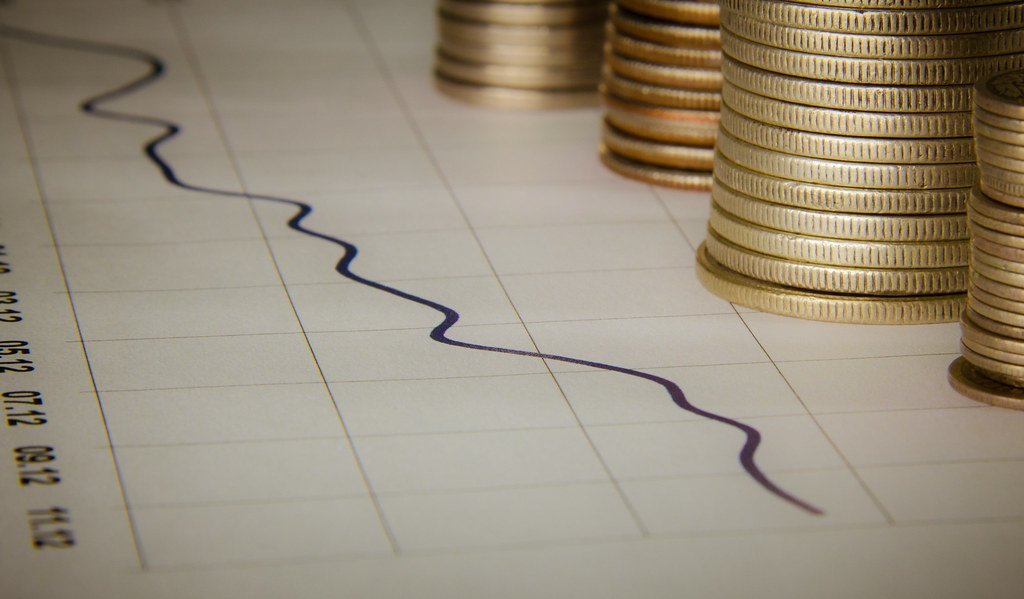
During the last three meetings in 2025, the Fed made cut after cut to the federal funds rate. However, its two most recent meetings, including March 18, 2026, brought no change to the current 3.50% to 3.75% rate. That pause is actually a gift for savers, because it means the window to lock in higher yields hasn’t fully closed yet.
Checking with credit unions that offer high-yield savings rates is a smart move, as unlike traditional banks, credit unions operate under a not-for-profit model that helps them offer members more competitive rates. Another option is putting money in CDs, which generally offer higher interest rates than savings accounts and allow you to lock in an interest rate that stays the same even if market rates drop.
In 2026, competitive means 4.0% APY or higher. Anything below 3.5% means you’re leaving money on the table. The best high-yield savings accounts currently offer between 4.5 and 5.0% APY, which means your money can genuinely grow faster than inflation. That’s the benchmark. If your bank isn’t meeting it, you’re working harder than your money is.
Conclusion: The Rainy Day Has Already Arrived for Millions
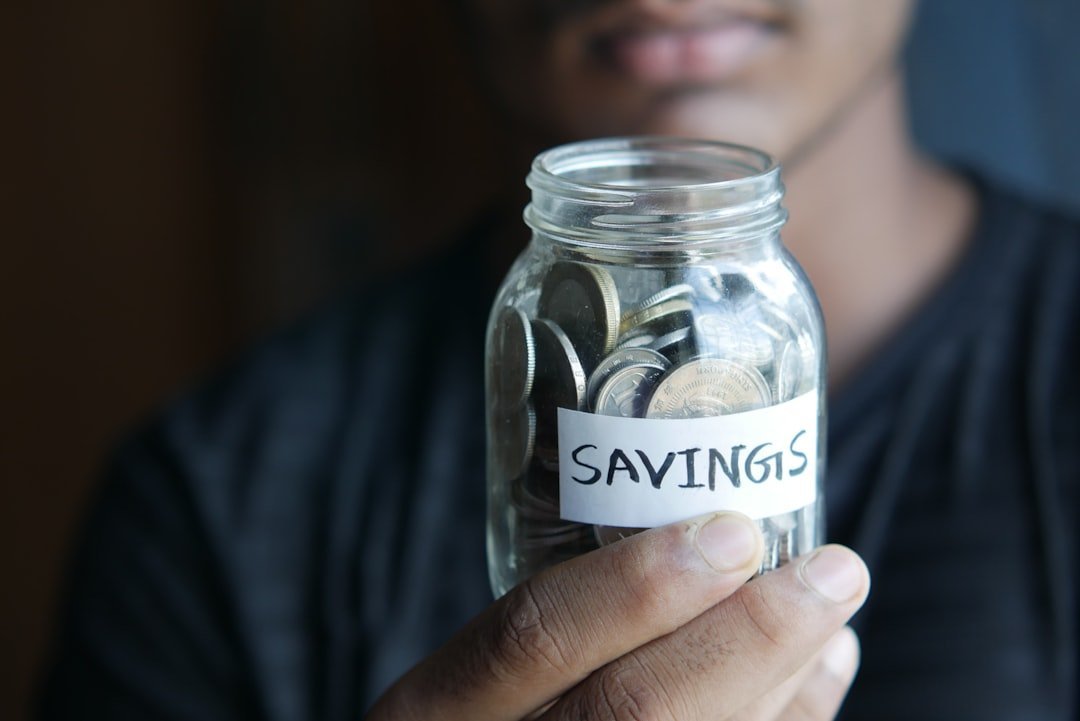
The old image of a rainy day fund was comforting because it implied the rain was a future event. Something hypothetical. Something you prepared for just in case. In 2026, for tens of millions of Americans, the rain is not coming. It’s already here. Just 19% of Americans say they ended 2025 with a bigger emergency savings nest egg than they had at the start of the year.
The personal savings rate was only 4.8% in the third quarter of 2025, which still significantly lags the 7.3% average in 2019, before the pandemic. The gap between where we are and where we were is a real and measurable thing.
Saving for a rainy day in 2026 means knowing which account type preserves your purchasing power, understanding how Fed decisions affect your interest rate in real time, sizing your emergency fund for today’s prices rather than yesterday’s, and accepting that the old coffee-can approach will cost you money you can’t afford to lose. The advice hasn’t disappeared. It’s just gotten more specific. And maybe that’s the most important update of all.
What does your rainy day fund look like today, and does it match the reality of 2026? Tell us in the comments.