

There is something quietly unsettling about a home that sits on the market for weeks, then months, collecting digital dust on listing platforms while the neighbors’ houses come and go. Sellers often assume their home will find a buyer quickly, and honestly, that optimism is completely understandable. You poured years of your life into that place.
The reality of today’s housing market is more complicated. The U.S. housing market slump dragged into its fourth year in 2025, with sales remaining stuck at a 30-year low as rising home prices and elevated mortgage rates kept many prospective buyers out of the market. Knowing why homes fail to sell is not just useful knowledge, it can be the difference between a closed deal and a listing that quietly expires. So here is what real estate agents have been saying, backed by the latest data.
1. The Price Is Simply Too High for the Current Market
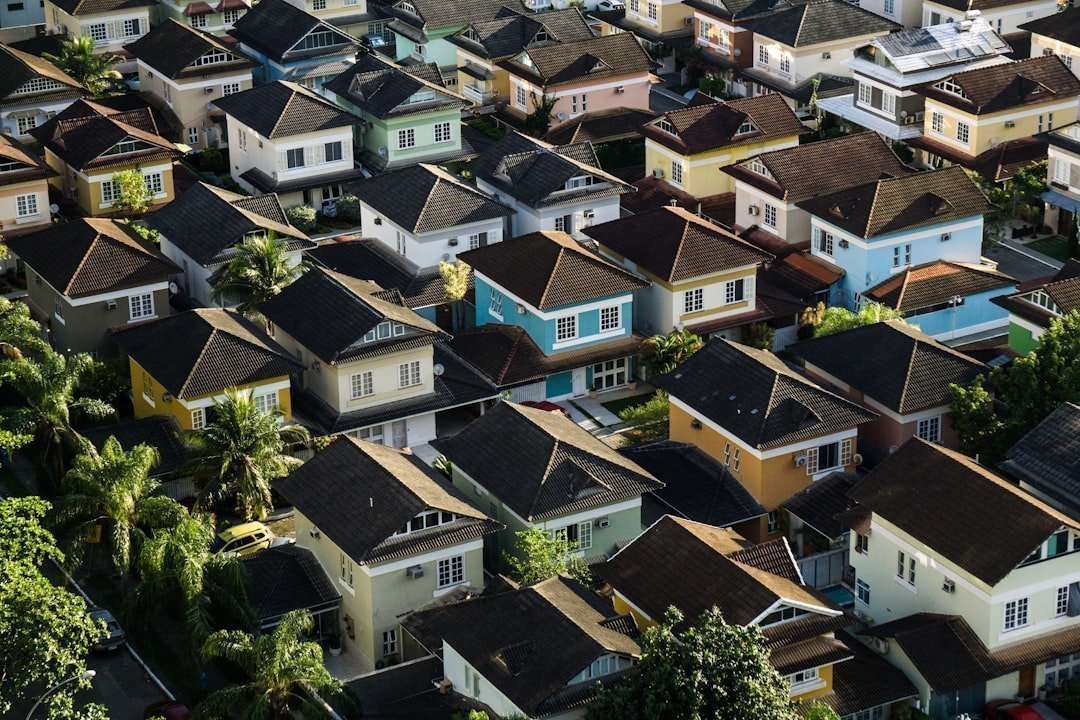
Here’s the thing about overpricing: sellers almost always think they are the exception. They spent money renovating the kitchen or watched their neighbor’s sale from two years ago and priced accordingly. According to HomeLight, one of the most common reasons a house will linger on the market is overpricing. When surveying top real estate agents, HomeLight found that roughly more than half of agents either saw or heard about buyers backing out of contracts because of home prices.
One of the biggest reasons a home sits is pricing it based on yesterday’s market. Buyers today are very informed, and an overpriced home often gets skipped entirely. Think of it like walking past a restaurant with a menu in the window that charges double the street average. You don’t even walk inside. Buyers do the same thing online, scrolling right past listings that feel inflated before they ever schedule a showing.
2. The Home Fails Inspection – and Sellers Aren’t Ready
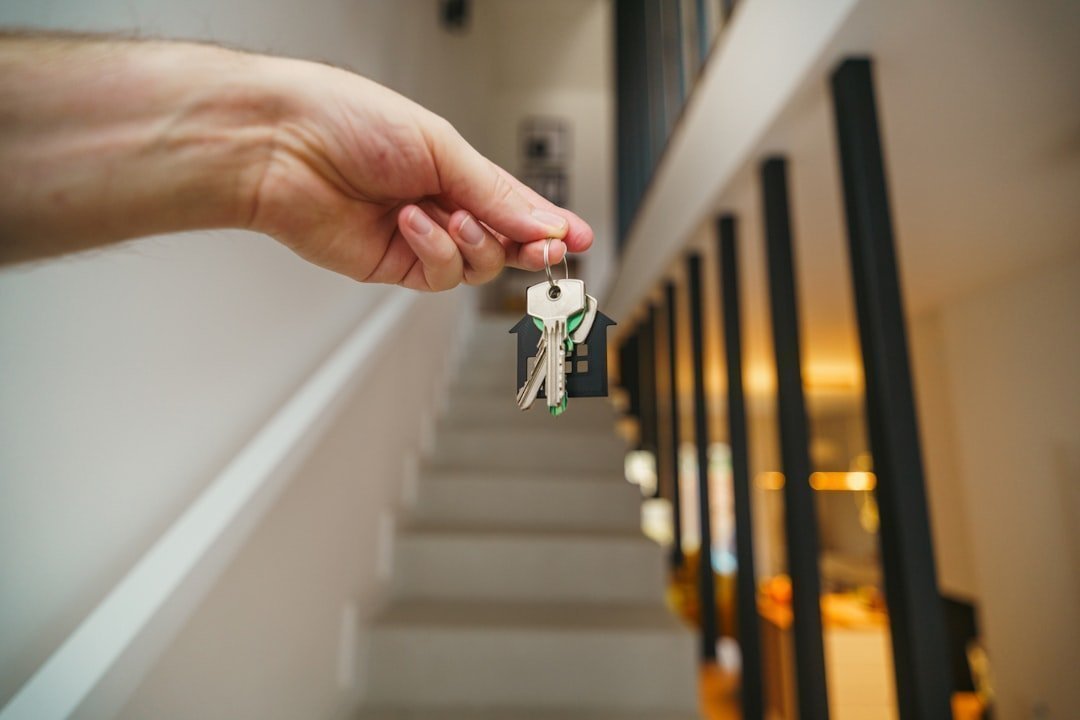
In a survey of Redfin’s real estate agents, more than seventy percent said home inspection or repair issues were the cause of canceled contracts – by far the top reason. That was followed by roughly more than a quarter who said buyer financing fell through, about a fifth who said buyers were unable to sell their current homes, and smaller shares citing financial changes or finding a preferred property.
About 56,000 U.S. purchase agreements were canceled in August of 2025, representing over fifteen percent of homes that went under contract. That was the highest share for August deals falling through in records dating back to 2017 – up from 14.3% in August 2024 and well above the post-pandemic housing frenzy rate of around eleven percent in August 2021. Sellers who ignore visible repair issues or assume buyers won’t notice are setting themselves up for a deal that collapses right before closing. It’s expensive, stressful, and usually avoidable.
3. Poor Staging and Weak Photography Kill Online Interest
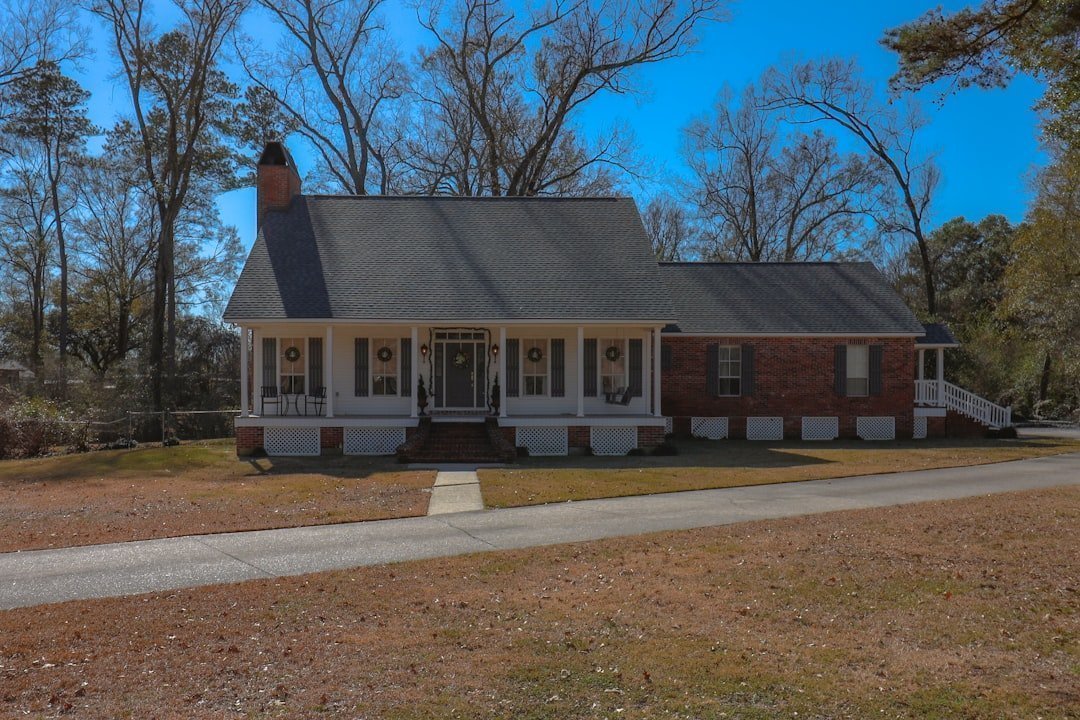
Your online listing is often the first “showing.” If photos are poorly lit or the home looks cluttered, buyers may move on. This is not a small problem. The overwhelming majority of buyers today begin their search online, which means a dark, poorly framed photo of a cramped living room is the first impression your home makes – and often the last.
According to a report from the National Association of Real Estate agents, over eighty percent of agents claim that staging a house with furniture, decor, and artwork that feels warm and inviting helps entice buyers. If your listing only includes a few dimly lit photos taken with a phone camera, you might make your house look more like a set from a horror film than an appealing place to live. Getting professional-quality photos or even virtual video walkthroughs can distinguish your home from other options on the market. Staging is not about deception. It is about helping buyers connect emotionally to a space.
4. Rising Home Insurance Costs Are Killing Deals Before They Close

This one surprises a lot of people. Most sellers never imagine that insurance could be the reason their deal falls apart. A survey found that nearly half of respondents who bought or sold a house encountered some sort of issue with their home insurance, and among those who purchased or sold a home, more than one in five had a sale fall through or backed out of a deal because of the insurance cost.
Insurance premiums have surged in states like Florida and California that have seen more natural disasters, contributing to an increase in homeownership costs. Rising premiums have made it harder for borrowers to maintain affordable coverage, affecting debt-to-income ratios and, for some, limiting mortgage qualification. Nearly two thirds of lenders surveyed reported that at least one borrower they recently worked with had a problem securing home insurance. A home that cannot be insured at a reasonable cost is effectively unsellable to most buyers who need a mortgage.
5. The Location Has Deal-Breaking Drawbacks
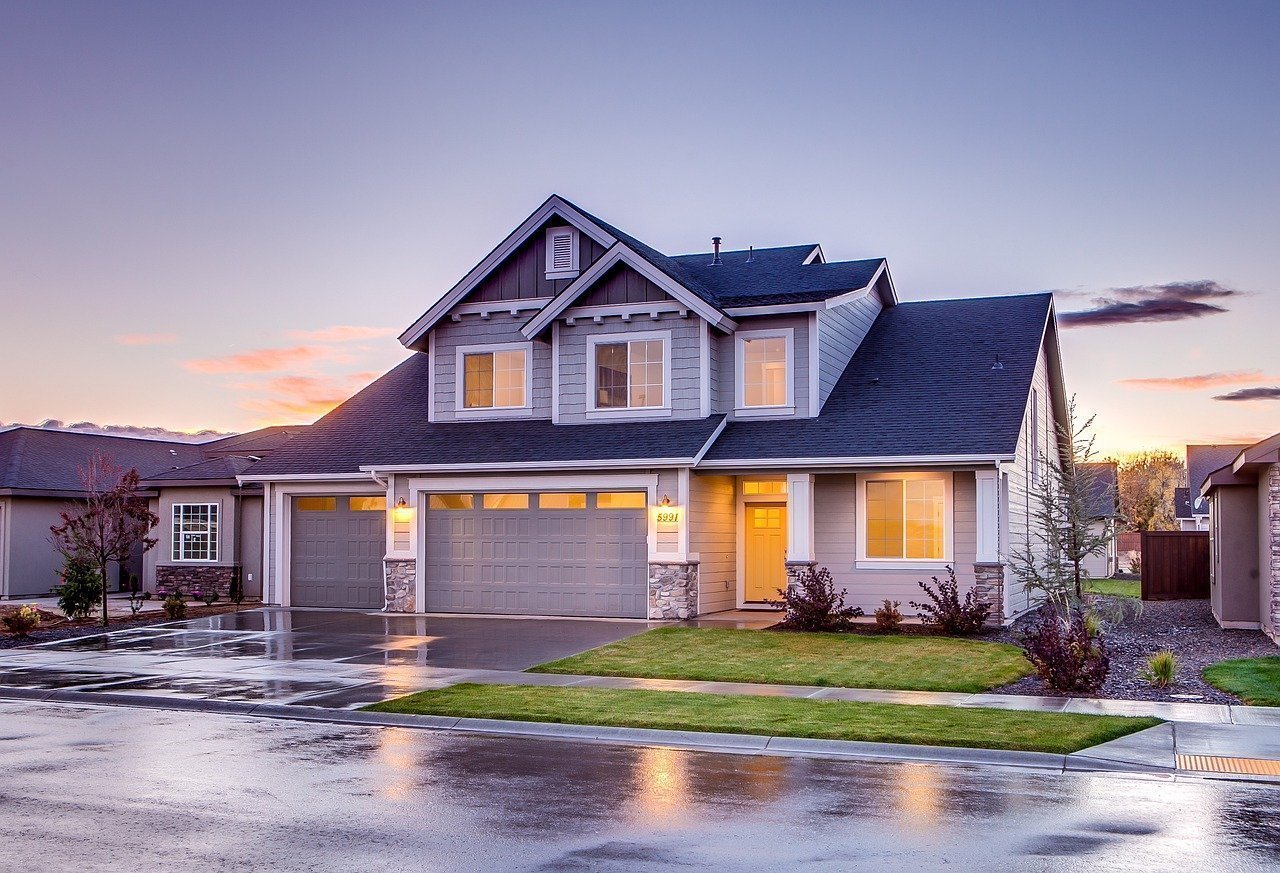
Agents will tell you quietly: you can fix a kitchen, you cannot fix a location. If the neighborhood your home is in is not appealing, it could be making it harder to sell. Things that can make a neighborhood less desirable include high crime rates, bad schools, or a lack of amenities. These are not opinions – they are primary search filters buyers use on every major real estate platform.
Homes near busy highways, industrial zones, or with persistent flooding histories face a compounded challenge. The intersection of climate risk and insurance costs has created a new credit transmission channel. As premiums soar, some insurers are pulling back from high-risk areas, leading to a sharp rise in policy non-renewals. A 2025 report from the U.S. Treasury’s Federal Insurance Office found that non-renewal rates are eighty percent higher in the highest-risk ZIP codes. Location risk, in 2026, is no longer just about aesthetics. It is a financial and insurance question.
6. Mortgage Rates Are Squeezing the Pool of Qualified Buyers
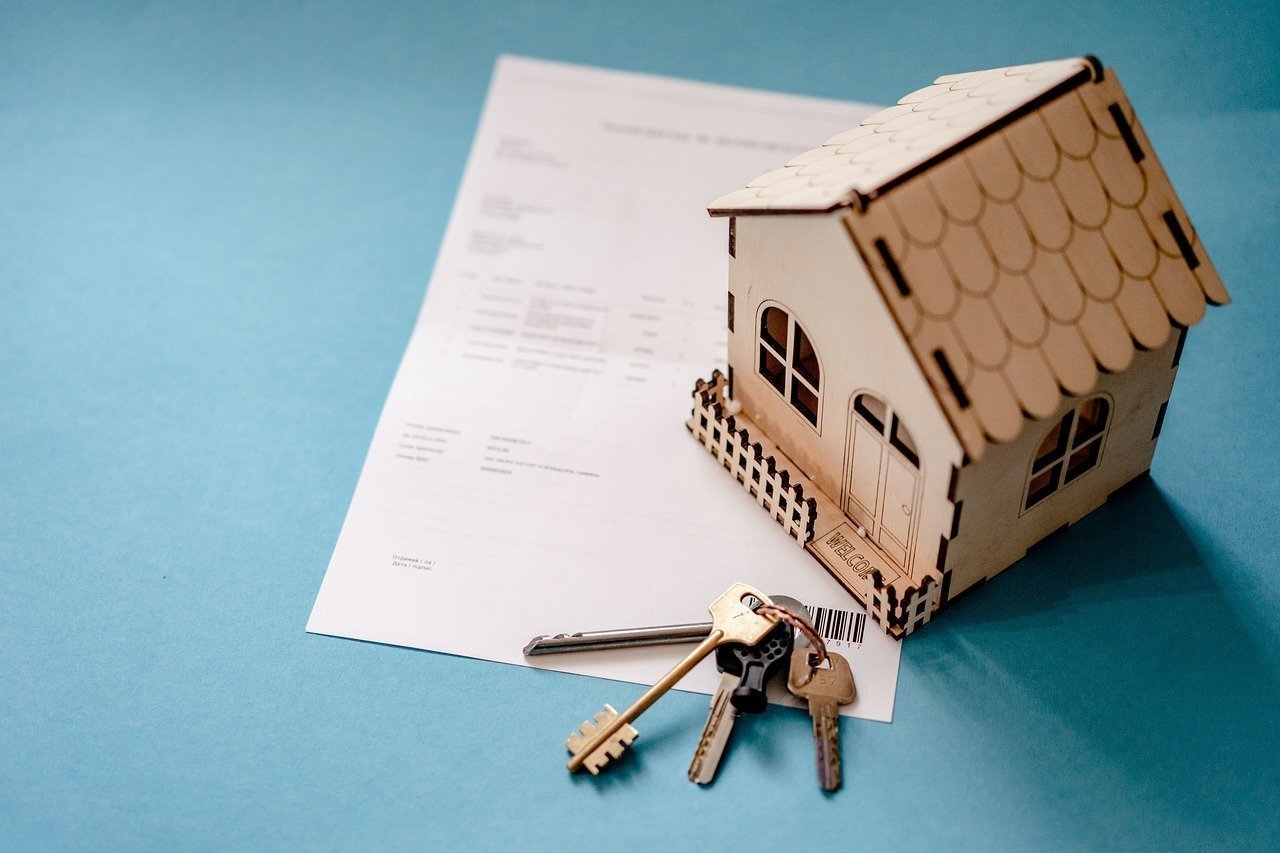
As of May 2025, homes in the United States stayed on the market for 38 days, representing a slight increase from previous years. Current mortgage rates around 6.8 to 7 percent continue to impact buyer behavior and market dynamics. When borrowing costs are this high, the number of people who can actually qualify for a loan on your asking price shrinks dramatically.
If mortgage interest rates rise, buyers’ purchasing power decreases. A home that was once affordable at a lower interest rate may become too expensive with higher monthly payments, leading buyers to negotiate a lower price. As of mid-2025, the Atlanta Fed’s Housing Ownership Affordability Monitor showed that owning a median-priced home consumes a staggering 47.7% of the median household’s income, a level that has hovered in the punishing 40 to 50 percent range for two years. That is not a buyer who feels confident making an offer at your full ask.
7. The Home Has an Awkward or Outdated Layout
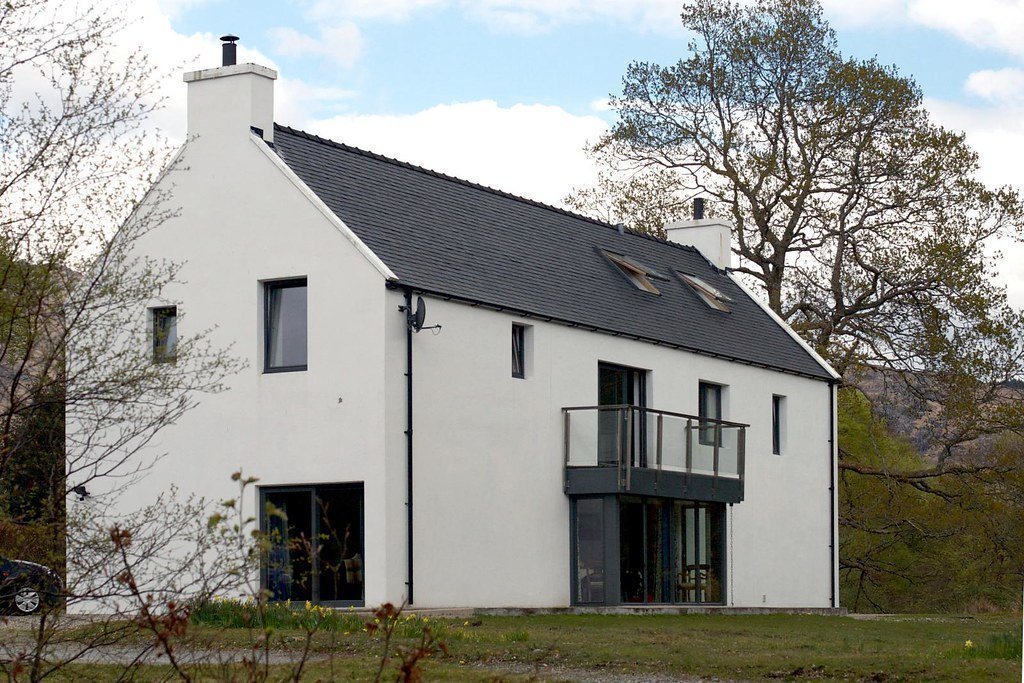
Buyers in 2025 and 2026 are practical. After years of working from home, they want dedicated office space, open-concept living areas, and functional floor plans. Some homes have a layout that is just plain strange or unusual. This can be a turn-off for buyers because it makes the space feel less functional. If your home has a weird layout, it might be making it harder to sell.
The problem becomes especially stubborn when the layout cannot be easily changed without significant renovation costs. Imagine trying to sell a home where the only bathroom is accessible only through the main bedroom, or where the living room is somehow sandwiched between two bedrooms. Buyers walk through, squint a little, and quietly decide it just will not work for them. In a competitive market, homes that need updates, repairs, or better staging can quickly fall behind move-in-ready properties. A strange floor plan is a hard obstacle to negotiate past.
8. The Home Has Lingered Too Long and Now Carries a Stigma
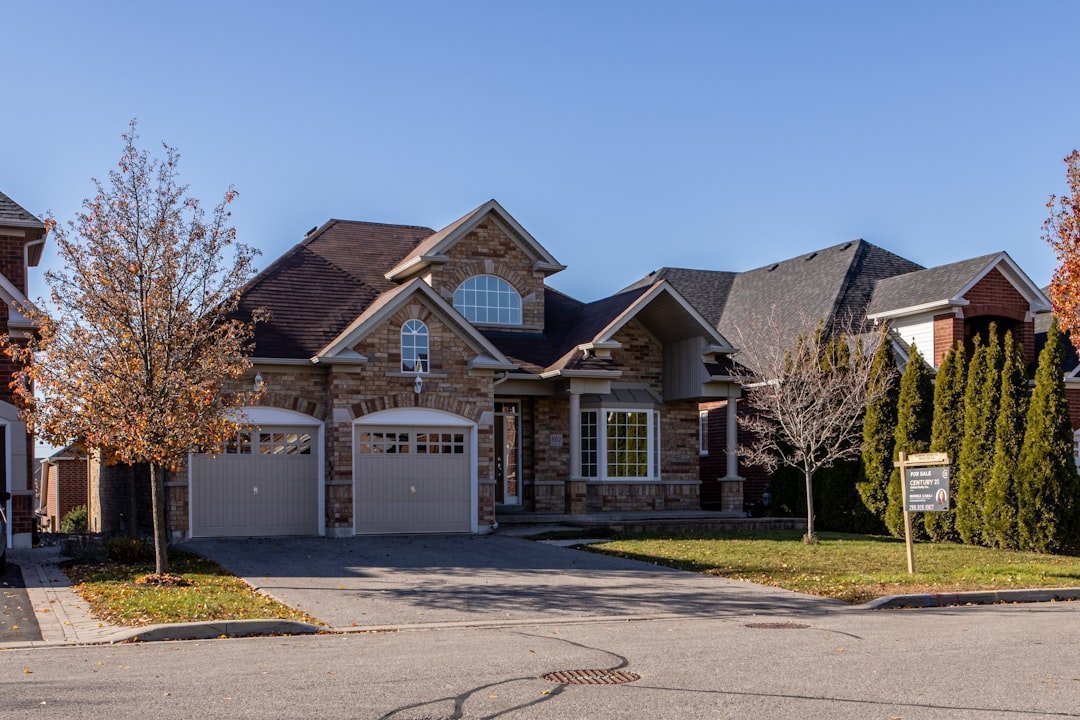
There is a psychological phenomenon in real estate sometimes called “listing fatigue.” When a home has been sitting on the market for months, buyers start asking uncomfortable questions: Why has nobody bought it yet? What is wrong with it? Even if the original reason for the slow start was something as simple as a bad listing photo or a brief price test, the damage compounds over time.
The median time listings spent on the market ticked up to 64 days in late 2025. The share of listings with price reductions hit 18%, up annually from 16.7% the year before. A number of sellers are retreating after listing if the market does not meet their price expectations, while buyers are strategically redirecting to metros that remain affordable. Once a listing gets a reputation for sitting, it often requires a meaningful price drop – or a complete relisting strategy – to reset buyer perception.
9. Inadequate Marketing Keeps the Right Buyers from Ever Seeing It
Simply putting a home on the MLS is not enough anymore. Listings that lack professional photos, compelling descriptions, or broad online exposure can get lost in the crowd. This is a quiet killer. A home can be beautifully priced and perfectly staged, but if only a handful of buyers see it, the odds of a fast sale drop sharply.
Real estate marketing in 2026 includes social media campaigns, virtual tours, targeted digital ads, and detailed neighborhood guides that help buyers imagine the lifestyle, not just the square footage. While yard signs and printed ads were the traditional go-to marketing techniques of the past, today’s buyers are spending more time online, requiring a digitally savvy approach from sellers. The best real estate agents don’t list homes and hope for the best – they strategize, market aggressively, and negotiate relentlessly to get results. Anything less, and you are leaving outcomes to chance.
10. Sellers Are Stuck in the Pandemic-Era Mentality

Many sellers still think their homes will command high asking prices as they did during the housing bonanza in 2020 and 2021, or they paid so much for their properties and are not willing to budge on the price. This disconnect is one of the most stubborn and emotionally difficult problems agents deal with every day. The seller experienced a frenzied market, and they expect it to still exist. It does not.
In 2025, 4.061 million homes were sold compared to a 2024 total of 4.062 million. This means 2025 is now the lowest annual total since 1995, though by a very small margin – a difference of just 1,000 home sales. People are reluctant to give up an extremely low mortgage rate on an existing home, which is creating a lock-in effect with more constrained home sales and mobility. Both buyers and sellers are stuck: buyers locked out by rates and prices and sellers locked in by psychology and fear of losing their low-rate mortgage. That standoff is exactly why some homes just cannot seem to sell.