
They were supposed to be the pinnacle. The addresses people spend entire careers working toward, zip codes printed on business cards and name-dropped at dinner parties. Atherton, Tribeca, the Upper East Side, Palo Alto’s goldest streets. For decades, America’s wealthiest clustered in a handful of elite neighborhoods and stayed put, building dynasties, funding art museums, bankrolling hospital wings.
Something has shifted. The data is real, the trends are measurable, and the reasons are more layered than most headlines admit. Taxes are part of the story, sure. So are crime patterns, quality of life, remote work, and something harder to quantify: the growing sense that these places simply aren’t worth it anymore. Buckle up, because what’s driving America’s wealthiest out of their prestige zip codes might surprise you.
1. Manhattan’s Financial District (ZIP 10007) – The Fiscal Math No Longer Works
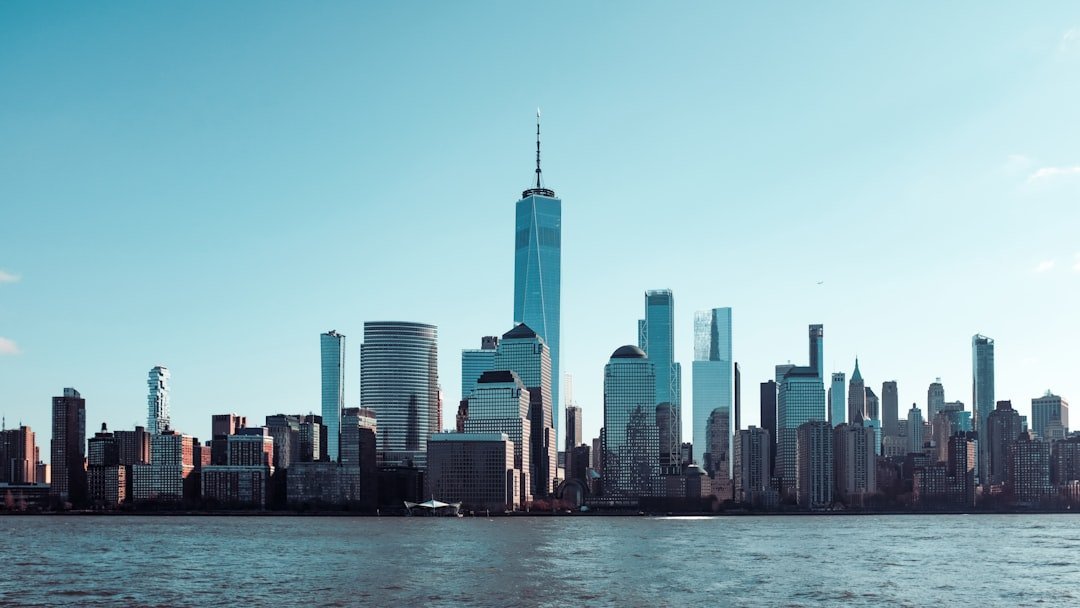
Manhattan’s Financial District has long been one of the most coveted addresses in the world. The zip code 10007 in Lower Manhattan ranks among the highest-income zip codes in the entire country. Executives, lawyers, and Wall Street heavy-hitters paid a premium to live where the action was. Honestly, for a long time, it made complete sense.
It’s easy to forget that New York’s gleaming infrastructure, vast public services, and social programs are underwritten disproportionately by a tiny number of residents. Fewer than one percent of taxpayers account for more than 40 percent of all income tax revenue collected in the state. That’s an extraordinary concentration of fiscal dependence, and high-earners know it.
New York imposes a state estate tax with a relatively low threshold of $6.94 million (as of 2024), far below the federal exemption of $13.61 million, creating additional complexity and cost for wealthy families planning generational wealth transfers. The estate tax also includes a “cliff” provision where estates exceeding the exemption by less than 5% face taxation on the entire estate, not just the excess. For families sitting on multi-generational wealth, this is not a technicality. It’s a financial catastrophe in slow motion.
From May 2024 to October 2025, New York City saw 15,552 high-income earners making over $201,000 leave the city. The prestige of a downtown Manhattan address is real, but the cost is increasingly hard to justify when Florida, Texas, and even Connecticut offer dramatically different tax environments.
2. Tribeca (ZIP 10013) – The Neighborhood That Priced Out Its Own Identity

Manhattan’s Tribeca carries zip code 10013, and it sits among the most elite handful of zip codes in the entire country. The cobblestone streets, the converted warehouses, the celebrity neighbors – Tribeca once had an effortless, understated cool that attracted creative elites alongside finance titans. That identity is under strain now.
These elite zip codes aren’t just expensive areas. They’re communities where the typical household earns $300,000 to $450,000 annually, with median home values ranging from $1.3 million to over $7 million. For anyone not in that top tier, Tribeca became essentially uninhabitable. The result is a neighborhood increasingly hollowed out of the very middle-wealthy class that once gave it energy.
While residents show mixed patterns, New York City lost 8,400 financial jobs and over 1,200 retail stores in recent years. When the dry cleaner, the local bistro, and the neighborhood gym shut down because they can’t afford rent either, even the wealthy start asking what exactly they’re paying for. It’s a feedback loop that’s hard to stop once it starts.
3. Atherton, California (ZIP 94027) – Tech Wealth’s Ground Zero Is Getting Nervous

Atherton might be the single most concentrated pocket of wealth in the United States. A recent analysis found that Atherton residents collectively hold equity in tech companies worth an estimated $80 billion or more, the highest concentration of tech wealth anywhere in the world. These aren’t merely rich people. These are people who changed entire industries.
Atherton’s schools rank among California’s best, and the town has virtually no crime. However, property taxes on a $7 million home exceed $80,000 annually, and state income taxes up to 13.3% make California’s total tax burden significant even for high earners. Even the most loyally Californian tech billionaire has a breaking point, and California’s proposed wealth taxes are testing exactly where that point is.
A ballot initiative sponsored by a union health workers organization seeks to impose a 5% tax on the net worth of California billionaires. Organizers need to gather nearly 900,000 signatures to place the measure on the November ballot, then it would need approval from 50% of California voters. A tax and immigration adviser to ultra-wealthy clients said he has already helped four billionaires shift away from California in recent months, buying homes mostly in Miami or Texas. The exodus from this zip code is not hypothetical.
4. Palo Alto (ZIP 94301) – The Startup Capital That Startled Its Own Founders
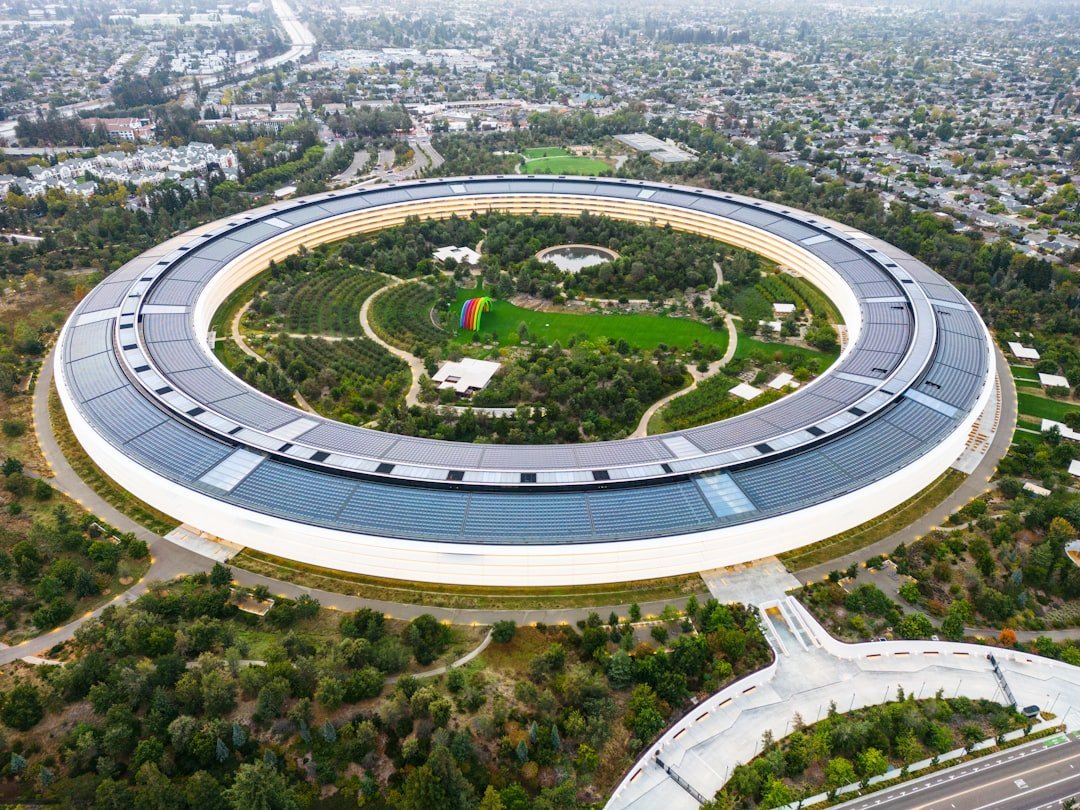
Palo Alto’s 94301 zip code has been the spiritual home of Silicon Valley for decades. Google, Stanford, venture capital firms lining Sand Hill Road – it all radiated outward from here. For a long time, the idea that anyone would leave was almost laughable. Then California started seriously debating a wealth tax.
At least 25 billionaires listed among Forbes magazine’s 2025 rankings of the world’s 500 wealthiest people either lived in California or had some significant ties to the state. Aaron Levie, CEO of Silicon Valley company Box, fears that a proposed tax would drive entrepreneurs to look elsewhere to run their companies and launch startups. That concern is widely shared, and it’s not just bluster.
Many companies have already moved headquarters from California to Texas, including CBRE Group, Charles Schwab, Hewlett Packard Enterprise, Oracle, and Pabst Brewing, and in August 2024 Chevron announced it would move its company headquarters out of San Ramon, California, and into Houston, Texas. When the companies go, the highly-paid executives follow. Palo Alto’s residential elite is watching this unfold in real time.
5. Upper East Side, Manhattan (ZIP 10021) – Old Money Is Choosing New Addresses
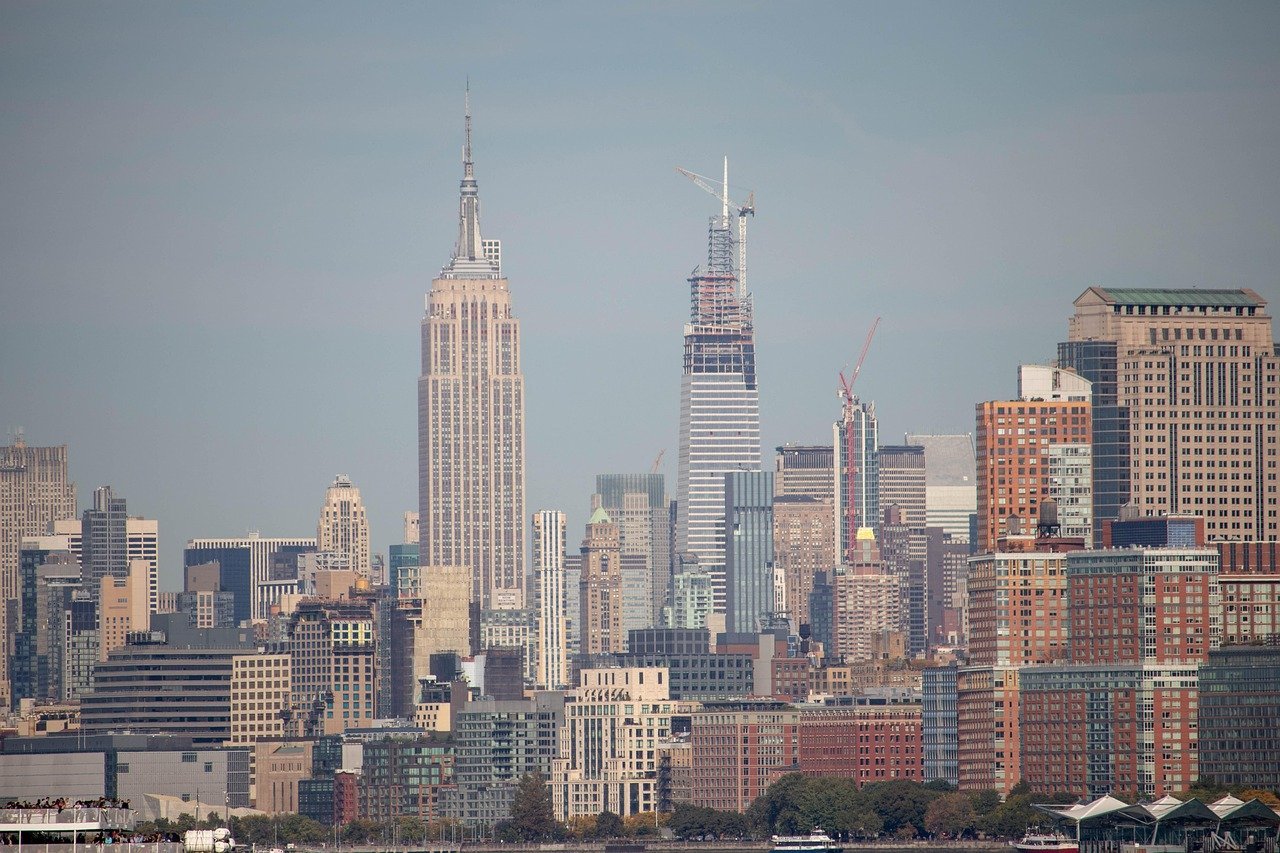
The Upper East Side has been New York’s old-money neighborhood for over a century. Park Avenue penthouses, private school networks, museum boards. It carries a social cachet that goes far beyond a simple property investment. Yet even here, the calculus is changing for established wealthy families.
Among taxpayers with $200,000 or more in adjusted gross income, the most attractive destinations were Florida, Texas, North Carolina, South Carolina, and Arizona, while the least attractive states were California, New York, Illinois, Massachusetts, and New Jersey. On net, Florida gained 29,771 affluent taxpayers with $200,000 or more in AGI, increasing the state’s combined AGI by $28.7 billion, while California lost 24,670 of them. New York’s figures tell a similar story.
New York employs aggressive statutory residency rules that make leaving the state far more complex than simply purchasing property elsewhere. An individual is a statutory resident if they maintain a permanent place of abode in New York and spends more than 183 days in the state during the tax year, and New York defines “day” strictly – any portion of a day counts as a full day for the 183-day test. The city essentially tries to trap its wealthiest residents on paper even after they leave physically. Wealthy families are increasingly hiring lawyers specifically to escape this web.
6. Greenwich, Connecticut (ZIP 06830) – The Hedge Fund Haven Faces Its Own Challenges
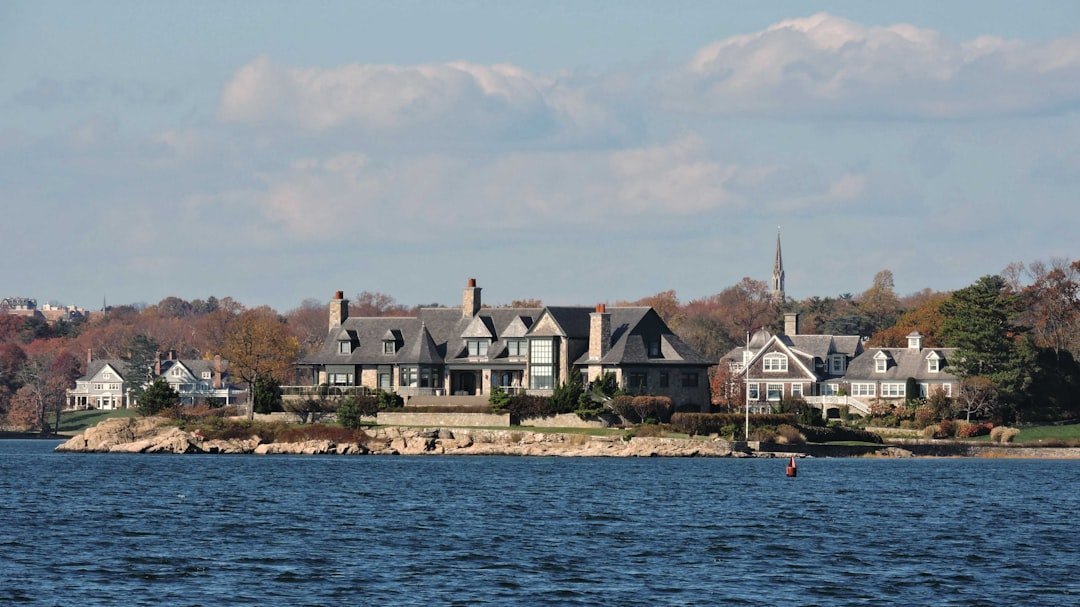
Greenwich has long functioned as New York’s pressure valve. When Manhattan became too much, the wealthy simply decamped across the state border to Greenwich, with its grand estates, elite private schools, and hedge fund neighbors. It was the classic “close enough to the city, far enough from the city” solution.
Data shows that Florida and Connecticut attract the highest volume of wealthy New York City residents, a predictable pattern given their tax advantages and proximity. So Greenwich was, until recently, a beneficiary of Manhattan’s outflow. The question is whether it can sustain that advantage as southern alternatives grow increasingly attractive.
Several of the states losing higher-income taxpayers, especially New York, California, and New Jersey, have highly progressive tax codes under which tax liability rises steeply with income. States that structure their tax codes in this manner have consistently lost higher-income residents to lower-tax states, and not only the residents but also any associated tax revenue and entrepreneurial activity that goes along with them. Even Greenwich, long a sanctuary from New York’s taxes, is seeing some of its financial elite push further south. Florida’s Palm Beach County now competes directly for the same households Greenwich used to capture automatically.
7. Beverly Hills (ZIP 90210) – The Most Famous Zip Code in America Is Losing Its Shine
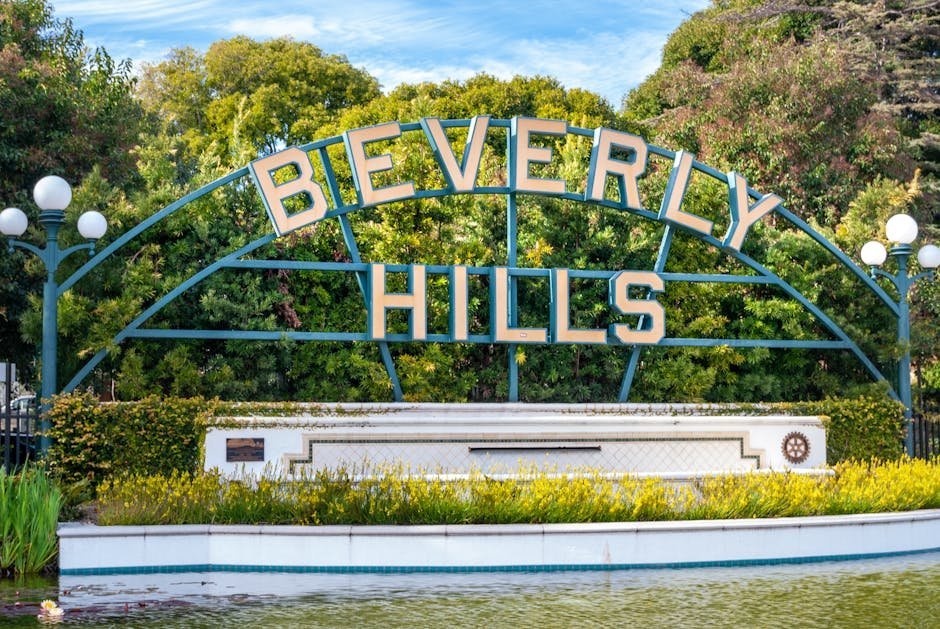
Let’s be real. No zip code on earth carries more cultural mythology than 90210. It is synonymous with wealth, glamour, and the California dream. Yet the state’s top marginal income tax rate is something most Beverly Hills residents deal with every single April.
California imposes a 1.1% payroll tax on wage income, bringing the all-in top rate to 14.4% as of 2024. That is, by some measures, the highest combined state-level income tax burden in the entire country for top earners. Layer that on top of federal rates, and the effective tax rate for a Beverly Hills entertainment executive or studio head starts to look staggering.
State and local income tax rates in California, New York, and New Jersey are two to three times higher than in most other states. The entertainment industry, which defined Beverly Hills for generations, is increasingly distributed. Streaming means productions happen anywhere. Talent agencies and production companies are opening serious outposts in Nashville and Austin, and some executives are quietly following them out of state.
8. Chicago’s Gold Coast (ZIP 60611) – The Midwest’s Most Elite Neighborhood Under Pressure
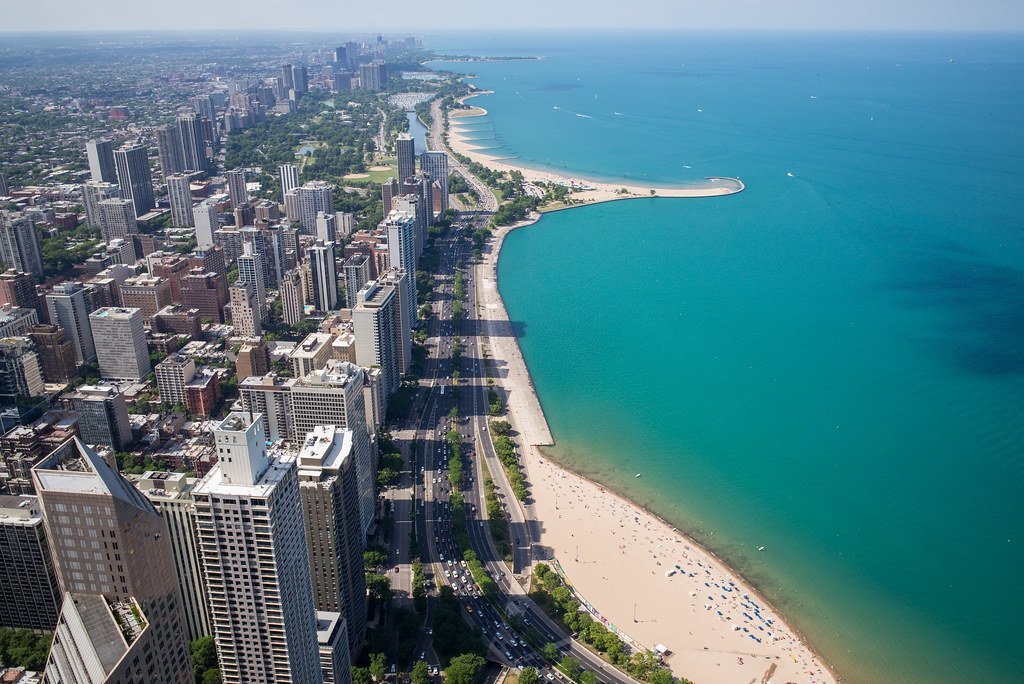
Chicago’s Gold Coast stretches along Lake Michigan like a promise, offering beautiful architecture, world-class restaurants, and the cultural weight of a major American city. For Illinois’s wealthiest, this zip code was the obvious choice. It’s still desirable, but it’s facing some uncomfortable realities.
Between 2021 and 2022, Illinois lost 45,460 net income tax filers from interstate migration, placing it among the worst-performing states for retention of income tax filers in the country, alongside California and New York. Illinois has been hemorrhaging residents and tax base for years, and the Gold Coast is not immune to that broader state dynamic.
As has been seen in San Francisco and Chicago, New York is experiencing a steady exodus of millionaires and ultra-high-net-worth individuals. That observation places Chicago in explicit company with America’s most high-profile wealth-exit stories. The city’s property tax structure, combined with Illinois’s broader fiscal instability and pension obligations, creates a long-term uncertainty that wealth management advisers are actively flagging for their clients with Chicago addresses.
9. Miami Beach’s Star Island (ZIP 33109) – The Arrival Destination That’s Now Also Losing People
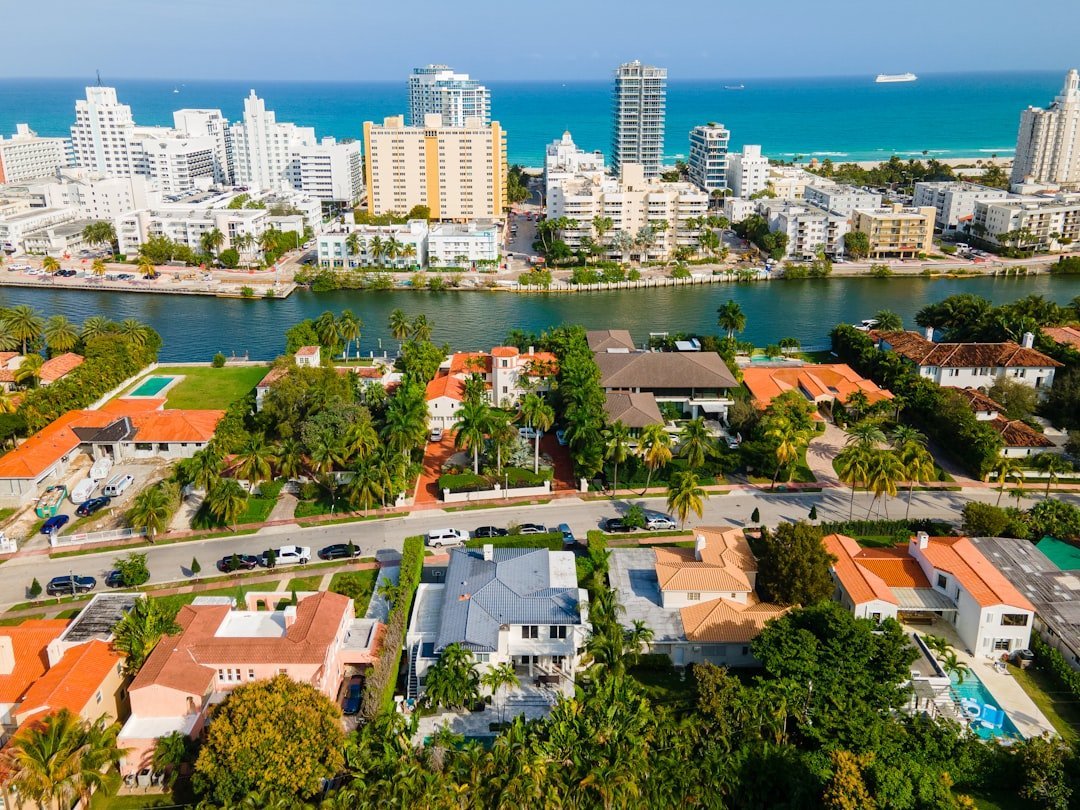
Here’s an irony worth sitting with. Miami was supposed to be the solution. The tax-free destination, the sun-drenched alternative to frozen, over-taxed northern cities. For several years, Star Island and the broader South Florida luxury market absorbed enormous waves of wealth from New York, California, and Illinois. It worked remarkably well, for a while.
The first half of 2025 saw a 33% surge in New York licenses converting to Miami-Dade County, according to Miami Realtors data. That’s a massive, measurable wave of arriving wealth. The side effect, however, is that Miami’s most elite zip codes are now experiencing their own affordability distortions that are starting to push even the super-wealthy further out.
Across regions, the reasons driving millionaire migration are becoming more nuanced, including political and economic stability, lifestyle factors and education quality, and tax efficiency with transparent compliance frameworks. Some ultra-wealthy families who fled to Miami in 2021 and 2022 are now looking at the Bahamas, Puerto Rico’s Act 60 tax incentives, or even international destinations. The irony of Miami becoming “too expensive” is not lost on real estate insiders watching the data.
10. San Francisco’s Pacific Heights (ZIP 94115) – A City Rethinking Everything

Pacific Heights sits on some of the most spectacular urban real estate in North America, with views of the Golden Gate, Alcatraz, and the bay. It has historically housed San Francisco’s most established old-money families, tech founders post-exit, and the city’s philanthropic class. The neighborhood’s fundamentals are extraordinary. The city’s trajectory is harder to defend.
Thousands of high-earning professionals left expensive cities like San Francisco, New York, and Los Angeles for more affordable regions while maintaining their salaries. Remote work unlocked this possibility at scale starting around 2020, and it fundamentally changed the calculus for even the most committed urbanites. Why pay Pacific Heights prices when you can work from Montana or Colorado with the same paycheck?
In 2025, global millionaire migration is set to rise to a projected 142,000 relocations, up from around 134,000 in 2024. As millionaire migration accelerates toward 165,000 annual relocations by 2026, traditional advantages including historical prestige, cultural attractions, and established financial centers no longer guarantee wealth retention without supportive policy frameworks. San Francisco, once the apex of American ambition, is living proof of that warning. Pacific Heights is still beautiful. Whether its wealthy residents stay is now genuinely an open question.
The Bigger Picture: What the Data Actually Shows
It’s important to be honest about the complexity here. Top earners are often thought of as “mobile millionaires” who are ever searching for lower-tax places to live. In reality, they’re often reluctant to leave the places where they built their careers and raised their families. The “mass exodus” narrative contains real data, but it also contains real nuance worth acknowledging.
People making $1 million-plus a year move only about half as often as the lowest-wage workers, with just 2.4% of them relocating each year. When millionaires do move, it rarely appears to be for tax reasons alone. Still, even a slow, steady trickle from the most elite zip codes matters enormously for the tax bases of cities that are disproportionately dependent on very few very wealthy residents.
Recipient regions gain capital inflows, boosts in property markets, startup initiatives, higher foreign exchange reserves, and raised global profiles. Origin communities suffer potential dips in investment, entrepreneurial activity, philanthropy, and tax revenues. The ripple effects go far beyond a few wealthy families choosing different addresses. They reshape cities, defund services, and alter the social fabric of entire communities that these earners leave behind.
The uncomfortable truth is this: the elite zip codes of America aren’t losing their wealthy residents because they suddenly became bad addresses. They’re losing them because competing destinations got dramatically better at making the case for why leaving is worth it. Whether that trend continues, or whether these iconic neighborhoods adapt and hold on, is a story still very much being written. What do you think – is the age of the elite American zip code finally over?