

Everyone loves the idea of downsizing. Fewer rooms to clean. No lawn to mow. A sleek, modern condo with a rooftop pool and a concierge downstairs. It sounds like the dream retirement – or simply a smarter, leaner life. Honestly, on paper it almost always looks like a win.
The problem is what happens after you sign the papers. The “downsizing” savings people expect tend to erode, sometimes shockingly fast, under a pile of costs that nobody warned them about. If you are considering making the leap into a luxury condo, you need to see the full picture first. Let’s dive in.
1. HOA Fees That Never Stop Climbing

Here is the thing most buyers underestimate: HOA fees are not a one-time cost or even a fixed one. A key force driving the current condo sell-off is the escalating cost of ownership, particularly skyrocketing HOA fees. Many condominium owners pay monthly homeowners association fees for building maintenance, amenities, and reserves, and in the last five years, these fees have surged dramatically in numerous markets.
In newer luxury developments or coastal areas, it is not uncommon to see HOA dues ranging from $1,000 up to $2,000 per month, and in parts of South Florida some condo owners now face HOA bills in that range every single month. That is not a mortgage. That is just the fee to live there.
The median HOA fee reached $135 in 2025, up from $125 the year before and $108 in 2019, continuing a multiyear upward trend in monthly dues. Unlike a mortgage, these fees never disappear. Buyers who overlook them often face much tighter budgets than anticipated.
These hefty fees, combined with rising insurance premiums, property taxes, and higher mortgage interest rates, have made owning a condo far more expensive. When you tally up a typical condo owner’s total outlay, the monthly cost can easily reach $4,000 to $6,000 for a mid-range unit in a major city.
2. Special Assessments: The Bill Nobody Budgets For

Even with HOA fees in place, condos sometimes impose special assessments for major repairs or upgrades. Roof replacements, elevator fixes, or storm damage can lead to sudden bills of thousands of dollars. Think of it like a shared credit card bill that arrives without warning, and everyone in the building has to pay their portion.
In the wake of the tragic Surfside condominium collapse in Florida, condo owners across the state are facing massive special assessments to comply with new safety regulations. The collapse of Champlain Towers South in 2021 prompted the state legislature to pass stricter laws requiring condominiums to undergo thorough inspections and maintain adequate financial reserves. These laws mandate that condos must conduct Structural Integrity Reserve Studies and Milestone Inspections. As a result, many associations are now imposing large special assessments to cover funding shortfalls, hitting owners with unexpected and sometimes unaffordable costs.
Sometimes unexpected costs emerge that the association cannot afford with monthly dues alone. In some cases condo associations may also mismanage funds, leading to a situation where large-scale maintenance that should have been financially planned for was not.
Standard coverage is often too low. Most basic policies include only $1,000 in loss assessment coverage, but assessments can easily reach five figures. So yes, a single bad year for your building can become a very bad year for your wallet too.
3. Insurance Costs That Will Genuinely Shock You

An annual review of condo buildings managed by First Service Residential finds the average association fee of a Miami-Dade high-rise condo is up almost $500 a month compared to just last year. Average monthly assessments now run more than $1,900 a month for these types of buildings, and the cost is just over $1,800 a month for units in Fort Lauderdale and Palm Beach.
The proportion of a condo unit’s monthly fees going toward insurance alone rose 25% to $377 a month. The average high-rise condo owner in Fort Lauderdale and Palm Beach paid $438 a month for the association’s insurance. And that is just your share of the building’s master policy. It does not fully replace your own personal condo insurance.
According to recent industry data from 2024 to 2025, the average personal condo insurance policy costs around $531 per year, typically including $100,000 in personal property coverage, $300,000 in liability protection, and a $1,000 deductible. Your location dramatically impacts cost. Florida condo owners pay around $1,130 annually while residents in lower-risk states pay just $255.
As the state grapples with rising construction costs, increased storm frequency, and evolving legislative requirements, the financial burden placed on individual unit owners has never been higher. The Florida property insurance market has undergone significant shifts in recent years, with many carriers leaving the state or drastically increasing premiums. This has forced many condo associations to accept higher deductibles and lower coverage limits to keep their annual budgets manageable.
4. Amenities You Pay For But May Never Use

Pools, gyms, and clubhouses sound appealing, but they drive up monthly fees. Residents who don’t use these amenities still pay for them. Over time, the cost of maintaining luxury features can strain community budgets. What looks like a perk at first often feels like a burden later.
Let’s be real. If you move into a luxury building with a rooftop bar, a spa, a pet grooming salon, and a private movie room, those things are not free. They are baked into your monthly dues, whether you visit them once a week or never. It is like paying for a gym membership you forget you have, but it is automatically deducted from your bank account forever.
These fees typically cover the cost of maintaining common areas such as lobbies, hallways, elevators, swimming pools, gyms, landscaping, security, and other amenities. The amount of condo fees can vary significantly based on the size of the condo, the number and extent of shared amenities, and the overall maintenance requirements of the building.
While condo fees are known and expected expenses, buyers must be vigilant about the potential hidden costs within these fees. Some hidden costs include specialized services such as concierge services, dog walking, or package handling. While these services can be convenient, they might come at an extra cost beyond the standard condo fees.
5. Parking and Storage: The Sneaky Monthly Bills

Not all condos include free parking or storage space. Residents with multiple vehicles or extra belongings may face additional monthly charges. In urban areas, parking costs can rival mortgage payments. Storage rentals also add up quickly.
I know it sounds crazy, but this is one of the most overlooked surprises in city condo living. When you are coming from a home with a two-car garage and a full basement, the reality of paying $300 or more each month just to park your car can feel surreal. You have basically traded your free garage for a monthly subscription.
Downsizing space doesn’t always mean downsizing expenses. This is especially true for people who are used to storing seasonal items, holiday decorations, or sports equipment in a home. When all of that goes into rented storage, the bill grows. It rarely shrinks.
6. Utility Arrangements That Catch You Off Guard
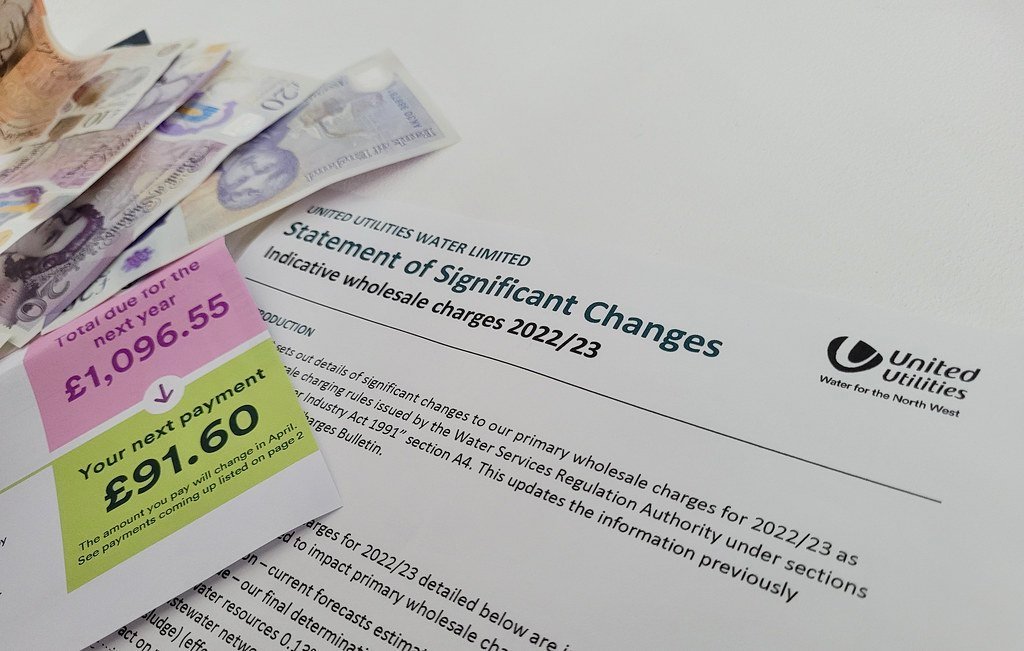
Condos sometimes include utilities in HOA fees, but not always. Residents may discover they’re still responsible for water, electricity, or internet bills. Worse, shared utility systems can create uneven cost-sharing. Budgeting becomes tricky when bills fluctuate unexpectedly. Utility arrangements should always be clarified before signing.
The confusion here is real. Some luxury condo buildings fold water and trash collection into HOA dues and then bill electricity and internet separately. Others do the reverse. It is worth spending serious time with the fine print before you assume anything is included. Think of it like reading the ingredients on a food label – the small print is often where the real story lives.
Utilities, HOA fees, and property taxes can still rise based on location and amenities. Condos or retirement communities often include monthly maintenance fees that rival the savings from downsizing. The total number on your budget sheet at month’s end can leave you genuinely surprised.
7. The Resale Risk: Condos Can Lose Value Fast

Here is a fact that should genuinely give you pause. One in three condo resales in Manhattan between July 2024 and June 2025 were sold at a loss. When including inflation, transaction costs, and renovations, the share of losses by condo sellers is likely even higher, according to real estate analysts.
On a long-term basis, condo price growth is somewhat stagnant. Prices rose just 3% from spring 2022 to spring 2025, much lower than the inflation rate for that period. Moreover, one in ten units are at risk of selling at a loss. That is a larger share than other property types, according to a recent Redfin analysis.
For condos purchased during the post-pandemic period, as much as 28.7% of nationwide condo listings are potentially priced below their original purchase price. That is close to roughly one in three buyers who could be underwater if they needed to sell today.
Condos also tend to sell at a premium on a per-square-foot basis, which means buyers often get less space for the money. You pay more per foot going in, and you may get less on the way out. That is a particularly uncomfortable equation for anyone counting on real estate appreciation as part of their financial plan.
8. Rising Reserve Requirements Changing the Rules Mid-Game

Rising HOA dues, insurance premiums, and new reserve requirements are already discouraging buyers, and in many cases, those higher costs are baked into the lower sale prices. New legislation, particularly in high-risk states, is reshaping what condo associations are legally required to set aside for repairs and future maintenance.
Miami-Dade condo associations directed roughly 12 cents of every HOA budget dollar into reserves in 2025, up from 9 cents in 2024. That increase matters because reserve funding is no longer a nice-to-have. After Surfside, many buildings face milestone structural inspections and reinforced reserve requirements, raising the immediate cost of compliance and the longer-term savings target.
Regular reserve fund studies frequently uncover necessary expenses that weren’t initially factored into the budget. When these studies reveal shortfalls, condo boards have no choice but to increase fees, sometimes dramatically. These are not theoretical risks. They are increasingly routine events.
Florida has instituted several new owners’ association regulations in the wake of the tragic 2021 Surfside condo collapse, including heightened inspection requirements and increased reserve funding. California, meanwhile, has instituted new requirements about balcony inspections that can increase association fees and trigger special assessments.
9. The Condo Market Correction Nobody Is Talking About Loudly Enough
The American condo market is clearly in the midst of a serious correction. Rapidly rising HOA fees, a wave of new construction, and shifting buyer preferences have all converged to drive condo prices downward in 2024 and 2025. This correction, while painful for current owners, may ultimately restore some balance to urban housing markets where costs had become untenable.
The price drop for condos is largely driven by oversupply. As of May 2025, there were about 80% more condo sellers than buyers. In that month, active condo listings climbed to their highest level in a decade, and homes took longer to sell than in any May since 2015.
Investor purchases of condos fell 3% in Q1 2025, and nearly 70% of condos sold below list price, the highest rate in five years. Many investors are offloading their holdings, citing poor rental yields and increasing costs.
It is hard to say for sure whether this is a short-term blip or a structural shift, but the trend lines are not reassuring for someone buying a luxury condo today and hoping to sell it at a profit in five years. The math simply does not add up the way it once did.
10. The Emotional and Lifestyle Costs Everyone Ignores

Not all costs show up in a bank statement. Moving from a spacious home into a condo, regardless of how luxurious it is, comes with a real psychological adjustment. You lose storage. You lose privacy. You lose the ability to decide anything about the exterior of your property without a board vote. Condo owners planning to rent out or eventually sell may find their flexibility reduced. Restrictions can lower resale value or delay sales. These rules are easy to miss in the fine print but matter enormously long-term.
There is also the cost of the actual move. Selling your current home, paying real estate commissions, paying closing costs on the new condo, hiring movers, possibly renovating to fit a smaller space – these transition costs alone can run into tens of thousands of dollars before you even unlock the front door of your new home.
Moving from a house to a condo often looks like a cost-saving strategy, but hidden fees tell a different story. HOA dues, assessments, insurance gaps, and transaction costs can add thousands annually. The people who avoid the biggest surprises are those who do their research and read the fine print very carefully before committing.
Downsizing into a condo can be a great lifestyle shift, but it is not something to rush into. By understanding what is involved and planning ahead, you can avoid surprises and make a confident move. The key, honestly, is going in with open eyes and a full picture of the real monthly number, not just the sticker price on the listing.
Before You Sign, Do the Real Math

Downsizing sounds simple. Move somewhere smaller, spend less money, enjoy more freedom. The reality, as the data from 2024 and 2025 clearly shows, is far more layered. Hefty fees, combined with rising insurance premiums, property taxes, and higher mortgage interest rates, have made owning a condo far more expensive. When you tally up the total monthly outlay, it can easily reach $4,000 to $6,000 for a mid-range unit in a major city.
The luxury condo lifestyle is real, and for the right buyer with the right financial cushion, it can genuinely be wonderful. Still, the gap between the fantasy and the full financial reality is where most downsizing plans quietly fall apart. Those who research carefully and read the fine print avoid unpleasant surprises. Downsizing works best when budgets reflect the real numbers, not just assumptions.
So the question worth sitting with is this: when you calculated your downsizing savings, did you include all ten of these costs? If not, it might be time to run those numbers again.
What do you think about it? Tell us in the comments.