
The crypto dream of everyday payments meets the harsh reality of the checkout line.
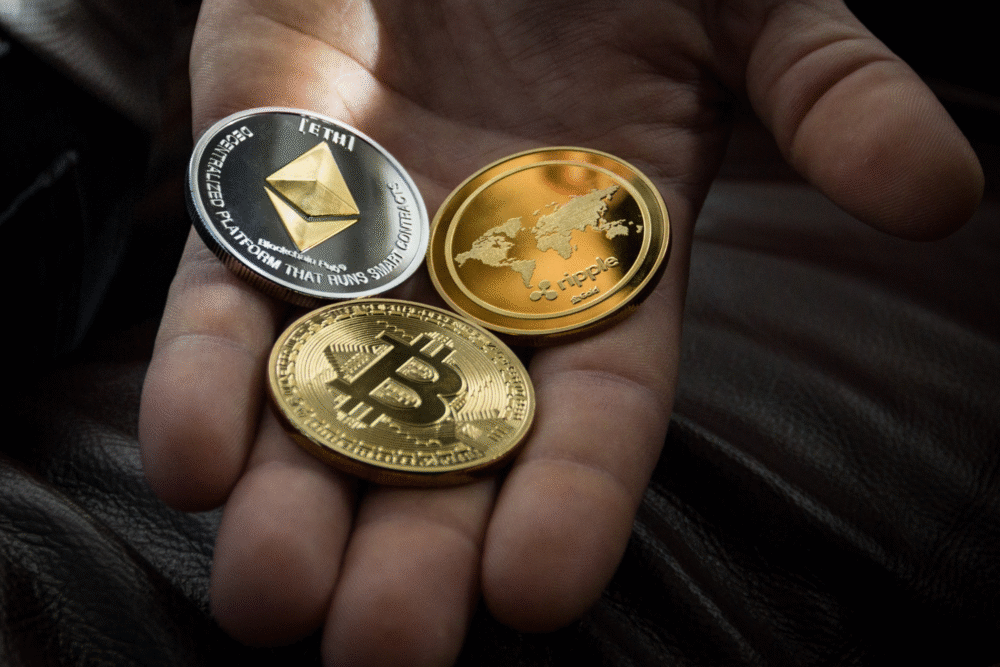
For years, the prophets of cryptocurrency have preached a gospel of decentralized finance, a world where we could break free from the shackles of traditional banks and transact directly with one another. The ultimate expression of this vision is the simple act of buying a cup of coffee or a new pair of shoes with crypto. The “pay with crypto” button is now appearing on more checkouts, promising a glimpse of this futuristic economy.
But behind the utopian promise lies a thicket of practical and financial complications. For the average consumer, the question is not whether you can pay with crypto, but whether you should. The reality is that for most everyday purchases, using crypto is a financially complex and potentially costly choice.
1. The volatility problem makes every purchase a gamble.

The most fundamental challenge of using cryptocurrencies like Bitcoin or Ethereum for payments is their wild price volatility. The value of your crypto holdings can swing dramatically from one day to the next. The $5 worth of Bitcoin you use to buy a latte today might be worth $7 tomorrow, meaning you effectively overpaid for your coffee. Conversely, it could be worth $3, meaning you got a discount.
This turns every single transaction into a speculative trade. You are not just buying a product; you are also making a bet on the future value of the asset you are spending. This level of uncertainty is impractical for everyday budgeting and financial planning.
2. Network fees can make small purchases incredibly expensive.

When you make a transaction on a major blockchain like Ethereum, you have to pay a network fee, often called a “gas fee,” to the miners or validators who process your transaction. During times of high network congestion, these fees can become shockingly expensive, sometimes costing far more than the item you are trying to purchase.
Imagine paying a $15 gas fee to buy a $4 digital comic book. It makes no financial sense. While newer networks and “Layer 2” solutions are working to solve this problem, for now, the risk of a high network fee makes using crypto for small, everyday purchases a non-starter for many people.
3. Every purchase is a taxable event you have to track.

In the eyes of the IRS, cryptocurrency is treated as property, not currency. This has a massive and burdensome implication for anyone using it for payments. Every time you use crypto to buy something, you are technically selling your crypto for its fair market value at that moment. This is a taxable event.
If the value of the crypto has increased since you acquired it, you have realized a capital gain and you owe taxes on that profit. This means you need to keep meticulous records of every single purchase: the date you bought the crypto, its cost basis, the date you spent it, and its value when you spent it. This is a bookkeeping nightmare.
4. You lose the consumer protections of credit cards.

When you pay for something with a credit card and the product is defective or the service is never delivered, you have a powerful recourse: the chargeback. You can dispute the charge with your bank, and they will investigate and likely reverse the transaction. This is a fundamental consumer protection in modern finance.
Cryptocurrency transactions, by their nature, are irreversible. Once you send the funds, they are gone forever. If you are a victim of a scam or a dispute with a merchant, there is no central authority to appeal to. This lack of a safety net puts all the risk squarely on the consumer.
5. The process is still far too complex for most people.

Paying with a credit card is effortless: you tap, swipe, or insert, and you’re done. Paying with crypto involves a multi-step process that is far from user-friendly. You need to have a funded crypto wallet, copy the merchant’s long wallet address correctly (or scan a QR code), select the right network, and then approve the transaction, all while hoping you’ve done everything correctly.
This complexity creates a significant barrier to mainstream adoption. Until the user experience of paying with crypto becomes as seamless and foolproof as using a traditional payment method, it will remain a niche activity for enthusiasts rather than a practical option for the general public.
6. The limited acceptance means it’s not a reliable option.

Despite the hype, the number of merchants who directly accept cryptocurrency payments is still very small. You can’t rely on being able to pay with crypto for your groceries, gas, or a restaurant meal. This makes it an unreliable payment method for day-to-day life. While some third-party services allow you to use a crypto-funded debit card, this is different from a true on-chain crypto payment.
This lack of widespread acceptance means you can’t abandon your traditional payment methods. Crypto payments remain a novelty at a select few online and brick-and-mortar stores, not a universal solution you can depend on.
7. The potential for crypto rewards is a small silver lining.
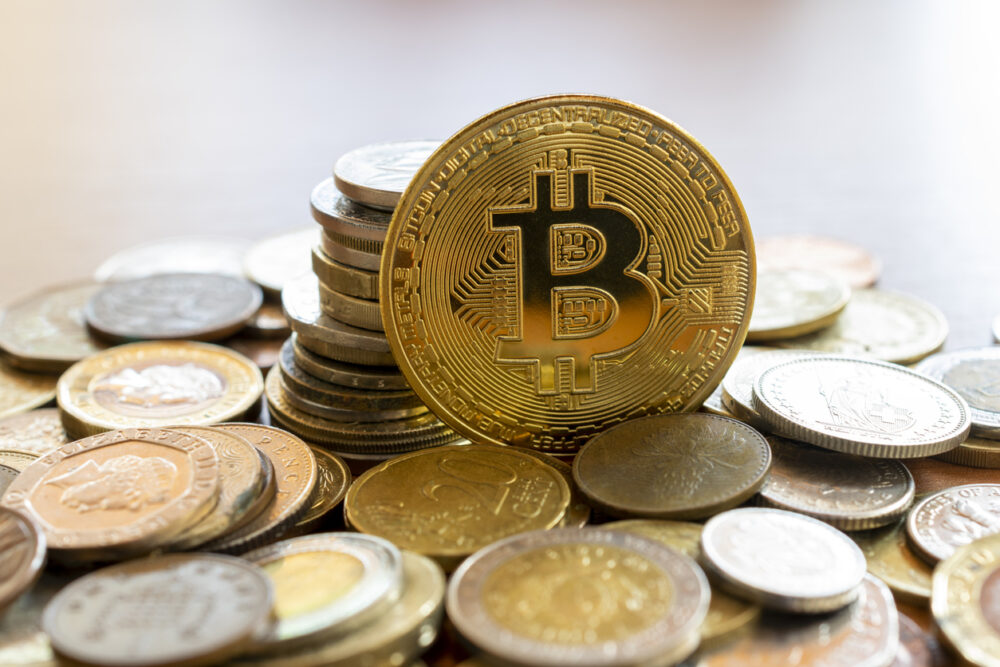
Some crypto platforms and debit cards are trying to incentivize usage by offering rewards in the form of cryptocurrency. Similar to a traditional cashback credit card, these services will give you a small percentage of your spending back in Bitcoin or another cryptocurrency. For people who are bullish on the long-term value of crypto, this can be an attractive proposition.
This is arguably one of the few ways that using crypto for payments could potentially save or make you money. You are effectively dollar-cost averaging into a crypto asset with every purchase you make. However, the value of these rewards is still subject to the same volatility as the underlying asset.
8. The stablecoin exception changes the financial equation.

Not all cryptocurrencies are volatile. Stablecoins are a class of crypto that are pegged to the value of a stable asset, most commonly the U.S. dollar. Using a stablecoin like USDC or Tether for payments eliminates the problem of price volatility. A dollar-pegged stablecoin will always be worth one dollar.
This also simplifies the tax implications, as you are unlikely to have a capital gain or loss when you spend it. Paying with stablecoins is a much more practical and predictable way to use crypto for transactions, but you still face the challenges of network fees and limited acceptance.
9. It can be cheaper for certain international transactions.

One area where paying with crypto can offer real savings is in cross-border payments. Traditional international bank transfers can be slow and expensive, involving multiple intermediary banks and high fees for currency conversion. A crypto transaction can be sent directly from a wallet in one country to another in minutes, often for a lower fee.
For freelancers getting paid by international clients or for people sending remittances to family overseas, using crypto (particularly stablecoins) can be a faster and more cost-effective alternative to the legacy banking system. This is a specific use case where the benefits can outweigh the drawbacks.