

Think about the last person you would expect to be sitting on a million-dollar portfolio. Maybe it’s the colleague who brings lunch from home every day, never mentions investing, and drives a car that’s at least a decade old. There’s a good chance you’d be completely wrong about their bank balance. Wealth, it turns out, often looks nothing like what we imagine it to look like.
Just because someone’s lifestyle may seem simple doesn’t mean their bank account is. In fact, many of the world’s most well-off people live in a way that’s quietly elegant and effortlessly understated. This concept has a name. It’s called stealth wealth. And it’s far more common than you might think. Let’s dive in.
Sign #1: They Don’t Talk About Money

Here’s the thing about genuinely wealthy people: they’re almost never the ones bringing up money at dinner. For a host of reasons, from the desire for privacy to an inherent sense of self-assurance, these millionaires keep their wealth details on the down low. When asked about their situation, they aren’t keen to mention numbers. It’s not shyness. It’s strategy.
Instead of bragging about how much money they spend, stealth wealth folks talk about money in productive ways. They encourage healthy financial habits for their partners, friends, and family. They want to be uplifting to others in their lives to help them build wealth too. In other words, they’re generous with knowledge, not with ego.
Sign #2: Their Wardrobe Is Deliberately Unremarkable
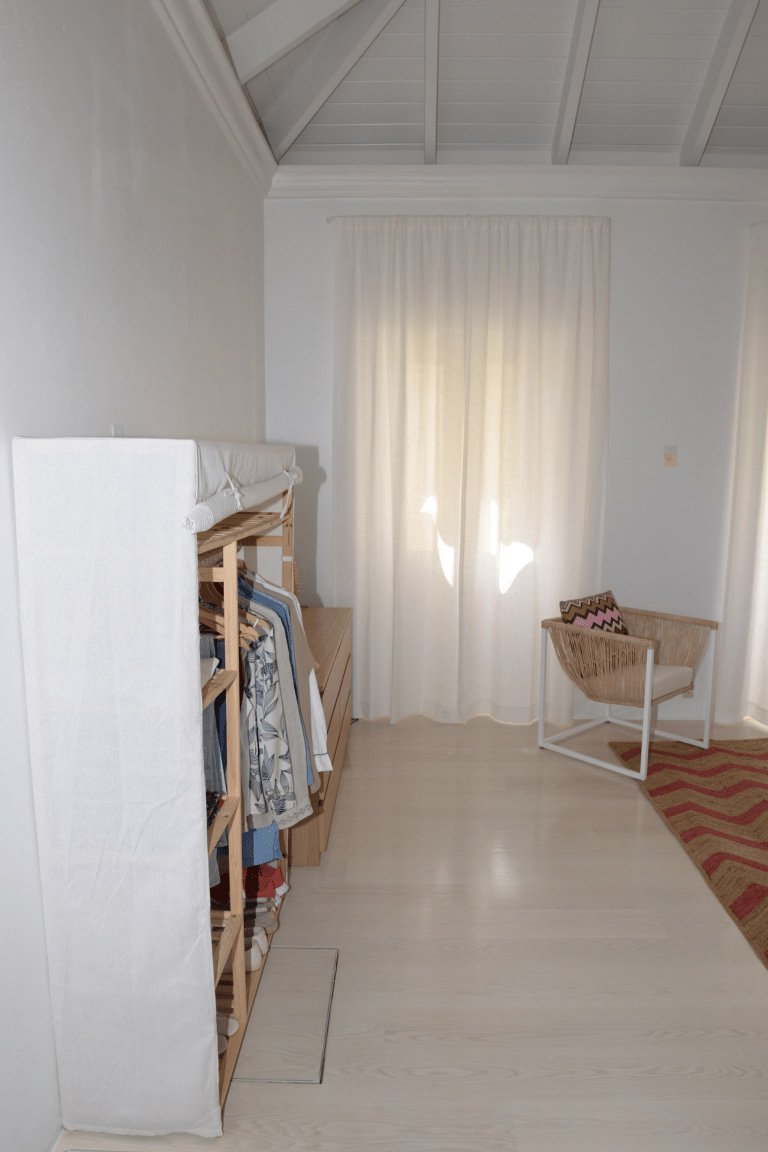
Forget the logos. Stealth wealth is defined by what’s absent from someone’s outfit, not by what’s flashy about it. One of the most common subtle signs of stealth wealth comes down to someone’s wardrobe, which can throw you off because it’s not usually filled with luxurious brands. By the very definition, those who have stealth wealth are actively keeping their full financial means private, which is why they aren’t fans of wearing big-name, luxury brands.
Quiet millionaires eschew the usual trappings of wealth as wasteful and ostentatious. They might pick Costco’s Kirkland jeans and thrift store finds over Armani slacks and leave the fancy logos at the door. Honestly, if you see someone dressed in plain, well-cut basics that simply last forever, look a little closer. That wardrobe choice might be one of the biggest financial clues in the room.
Sign #3: They Drive Paid-Off, Practical Cars
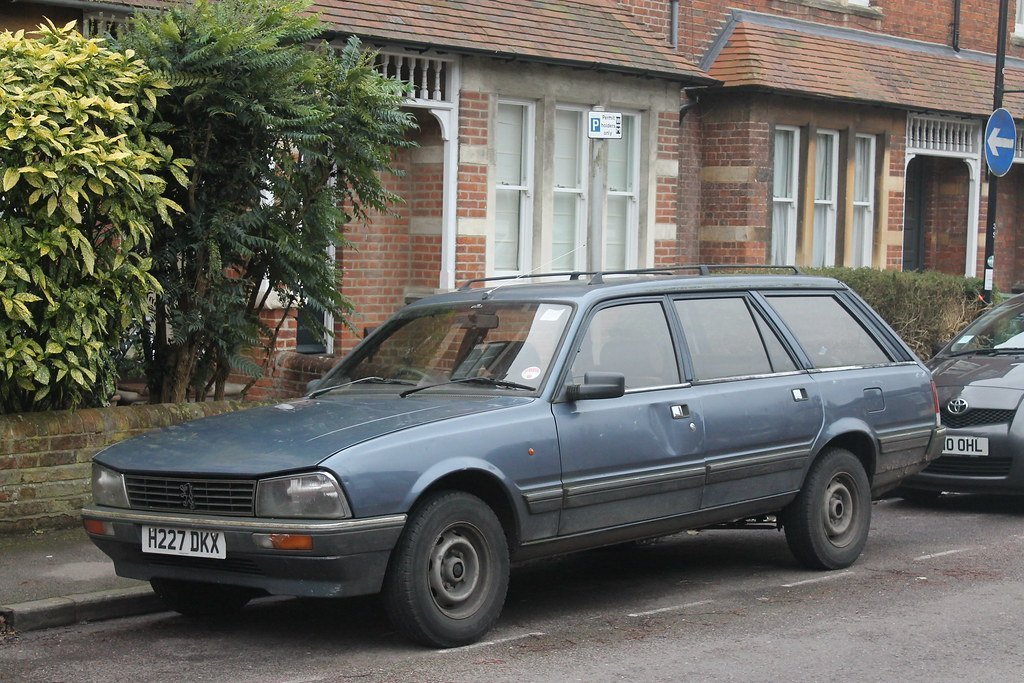
Stealth wealth starts in the driveway. The quiet rich drive reliable, paid-off cars, not luxury leases that drain their cash flow. A well-kept Honda or Toyota may not turn heads, but it keeps their money working elsewhere, like in a portfolio. It sounds counterintuitive, but it’s one of the most reliable tells.
The guy with the Porsche may be up to his neck in car payments and debt while his neighbor driving a 2012 Honda Civic, paid off, of course, has squirreled away savings and invested for decades. Stealth-wealth families avoid debt wherever possible: no car payments, no revolving credit card balances, and modest mortgages they can pay off early. The car is a choice. A deliberate one.
Sign #4: Their Wealth Is Hidden in Assets, Not Appearances

If you want to understand where a quietly wealthy person keeps their money, you won’t find it in their jewelry box or their driveway. Someone who is silently wealthy also might not have visible signs of being rich because of where their money is kept. Usually all their money is in assets that make them money. For example, it could be in stocks, bonds, private businesses, or rental real estate.
The investor class crushed it in 2020, 2021, 2023, 2024, and so far in 2025. Both the stock market and housing market boomed, making millions of investors much richer. The quietly wealthy were right there, riding those markets silently, without a single Instagram story about their gains. Their balance sheet grows invisibly, and that’s exactly the point.
Sign #5: They Live in Modest, Middle-Class Neighborhoods
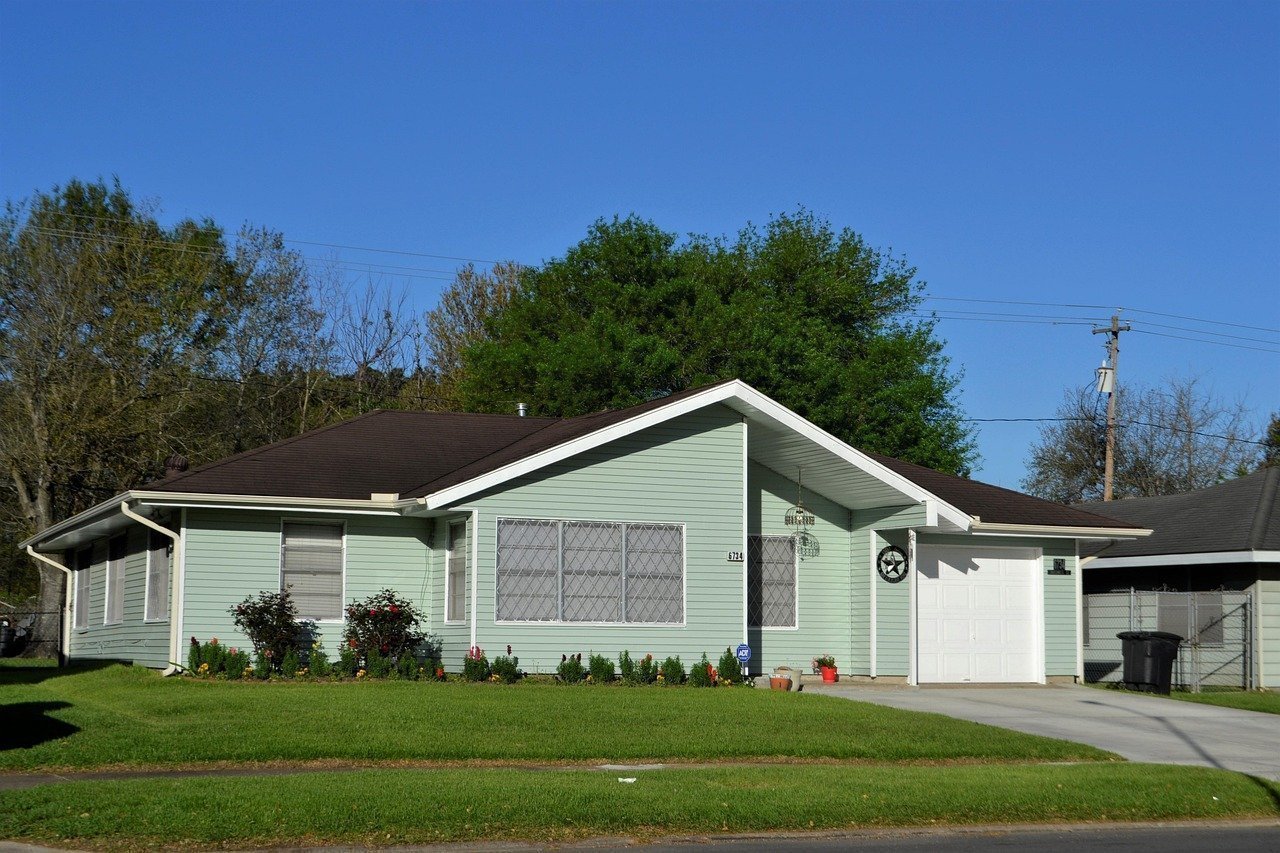
You won’t find the stealth wealthy in the biggest house on the block. Those with stealth wealth frequently pick modest homes in middle-class areas instead of flashy mansions, even when they could easily afford more, because a smaller home costs less to maintain, heat, cool, and furnish. It doesn’t tie up capital that could be working harder somewhere else.
While we might think that most millionaires would opt to live in affluent neighborhoods, they are disproportionately clustered in middle-class and blue-collar communities. They focus more on investing a large percentage of their household income than on purchasing material items that signal wealth. This pattern goes back to the groundbreaking research in “The Millionaire Next Door,” which found these habits among real millionaires across America, not in gated communities.
Sign #6: They Have Virtually No Social Media Presence

I think this one surprises people the most. In an era where everyone is performing their life online, the absence of a digital footprint is its own kind of quiet power. Wealthy people who practice stealth wealth are often barely active on social media, working to avoid spotlights that would expose their financial situation. No vacation photos. No luxury hauls. Nothing.
While wannabes flood feeds with #jetlife selfies, the ultra-rich often reduce their digital footprints. Think about it like this: the people loudest on social media about their wealth are usually the ones who need the audience’s validation most. Real financial security doesn’t require an audience. It requires discipline. And silence is often the loudest signal of all.
Sign #7: They Are Almost Always Self-Made

Here’s a fact that flips a lot of assumptions upside down. Nearly 80 percent of American millionaires say their net worth was “self-made,” whereas only 11% say they inherited their wealth and 6% say they came into it through a windfall event like winning the lottery. These aren’t trust fund kids flying under the radar. They built everything themselves.
Nearly 80% of millionaires earned wealth through hard work and smart financial decisions. Only 11% inherited their money, and just 6% came into it through a windfall like winning the lottery. This self-made status contributes to their cautious mindset. They’ve built their fortunes, often through years of saving and investing, and they’re acutely aware of how easily it could all disappear. That awareness keeps them grounded. And invisible.
Sign #8: They Work With Financial Advisors and Plan Obsessively

One of the clearest behavioral patterns among the stealthily wealthy is their relationship with professional financial planning. About 69% of millionaires work with financial advisors, which is double the rate of the general public. They don’t wing it. They plan, and they pay professionals to make sure those plans hold up under pressure.
Financial discipline and planning can also play a significant role in reaching or surpassing the million-dollar net-worth threshold. According to survey findings, roughly three quarters of millionaires consider themselves “disciplined financial planners,” compared with less than half of the general population who describe themselves this way. It’s a mindset difference, not just an income difference. The person quietly asking their advisor about tax-loss harvesting at a dinner party might just be sitting on a fortune you never suspected.
Sign #9: They Don’t Feel Rich, Even Though They Are

I know it sounds crazy, but some of the wealthiest people you know genuinely don’t think of themselves as wealthy. Just one-third, or 32%, of American millionaires consider themselves “wealthy,” and nearly half, 48%, believe that their financial plans need improvement. That modesty is partly cultural and partly a product of always living around people with comparable or greater wealth.
Charles Schwab’s 2024 Modern Wealth Survey found the average American now thinks it takes $2.5 million to be considered “wealthy,” a 14% jump from past years. According to a study by Ameriprise Financial, about 60% of people with one million dollars or more in investable assets classified themselves as upper-middle class, and another 31% placed themselves squarely in the middle class. The bar keeps moving. So they keep working. And they keep blending in.
Sign #10: They Have One Surprising “Splurge” That Seems Out of Place

Here’s something I find genuinely fascinating. Stealth wealth doesn’t always mean zero luxury. It means selective luxury. People practicing stealth wealth often have one outlet for their money that seems out of proportion to everything else in their life. They might dress in clothes that average fifty dollars but finish their outfit with a watch that only fellow enthusiasts would recognize. Or they drive a basic car but have an extraordinary wine collection. Or they live modestly but travel extensively to places most people have never heard of.
It’s like finding a Michelin-starred kitchen hidden inside a plain white building. Nothing about the outside hints at what’s happening within. Extreme attention to quiet quality in the micro details usually signals serious resources in the macro picture, because maintaining that level of curation, indefinitely, is expensive. Watch for that one odd, expensive outlier. It tends to be more revealing than a dozen designer logos ever could be.
The Millionaire You Already Know

The research is clear and honestly a little humbling. The concept of stealth wealth found its roots in the classic book “The Millionaire Next Door,” written by Thomas J. Stanley and William D. Danko in 1996. This book examines the lifestyles and habits of real millionaires. These authors discovered that our preconceived notions about what wealth looks like don’t necessarily match the reality of it. Decades later, the data still proves the same point.
There are real, living examples of this in the most unexpected places. Ronald Read, a gas attendant and then a janitor, amassed eight million dollars without anyone knowing. On his death, he gave his local hospital and library the biggest donations they had ever seen. That story is not an exception. It’s a pattern.
Stealth wealth is everywhere, hiding in plain sight, sitting across from you at a neighborhood cookout or filling a cart at the local grocery store. The person quietly building a fortune isn’t the one with the loudest car or the biggest watch. They’re the one who just nodded politely when you complimented their very ordinary shoes. What would you guess about the quietest person in your circle?