

The person next to you in the grocery store queue, carefully comparing prices on cereal boxes, could have a seven-figure investment portfolio sitting quietly in a brokerage account. That is not a quirky hypothetical. Many millionaires deliberately hide their wealth, choosing to blend in with middle-class life rather than flaunt their success. The gap between what wealth looks like and what it actually is has never been wider, and most people have no idea how to read the real signals.
The United States added 562,000 new millionaires in 2024, an increase of 7.6%. That is a staggering number of quietly rich people moving through ordinary neighborhoods, shopping at ordinary stores, and driving decidedly ordinary cars. According to finance experts, “stealth wealth” is also known as “quiet luxury,” describing people who blend in with the middle class while being very wealthy or even uber wealthy, yet you would not know it from their homes, cars, or clothes. Understanding how this works changes everything about the way you see the world around you.
The Signs That Give Away Quietly Wealthy People

Spotting stealth wealth requires a completely different lens than the one most of us use. We have been trained by social media and popular culture to associate wealth with visible symbols, loud logos, and flashy displays. People who practice stealth wealth value privacy over performance and substance over show, and to them it is not a choice of deprivation but a choice to be intentional and thoughtful about how they are spending their money, especially the money that is visible to others. Strip those assumptions away and a very different picture emerges.
The checklist below covers six of the clearest, most well-documented signals that someone around you may be worth far more than they appear. These are the people who value privacy over performance and substance over show, and they don’t need validation because they already have what most people are chasing. Each point digs into the psychology, the habits, and the real-world data behind the stealth wealth phenomenon.
1. They Drive Reliable, Unglamorous Cars They Actually Own

In a study of 10,000 U.S. millionaires, most of them avoided driving expensive luxury brands. Instead, nearly one-third of all millionaires drove Toyotas and Hondas. The top American brand was Ford, placing third on the list and tying with Lexus, the first luxury model, at only 8%. This is not a coincidence or an accident. It is a deliberate financial philosophy that prioritizes net worth over the appearance of net worth.
Stealth wealth starts in the driveway. The quiet rich drive reliable, paid-off cars, not luxury leases that drain their cash flow. A well-kept Honda or Toyota may not turn heads, but it keeps money working elsewhere, like in a portfolio. That is how net worth compounds quietly, month after month. The person in the sensible, older-model sedan parked outside a modest house may well be the most financially secure person on the street. The guy with the Porsche may be up to his neck in car payments and debt while his neighbor driving a 2012 Honda Civic, paid off, has squirreled away savings and invested for decades.
2. They Live in Modest Homes in Middle-Class Neighborhoods

While we might think that most millionaires would opt to live in affluent neighborhoods, they are disproportionately clustered in middle-class and blue-collar communities. They focus more on investing a large percentage of their household income than on purchasing material items that signal wealth. This pattern has been documented consistently across decades of research and holds true even as overall wealth levels rise. It is one of the most counterintuitive facts about how real money actually behaves.
According to one study, 90% of millionaires own their primary residences. The typical homeowner is 40 times wealthier than if they had never bought a home and rented instead. Yet six out of 10 millionaires live in homes worth less than $500,000. A more modest home also has lower carrying costs in terms of taxes and maintenance, giving people a sense of security. The house itself may look entirely unremarkable, while the land value, the paid-off mortgage, and the investment accounts behind it tell a wildly different story.
3. They Are Obsessive, Consistent Investors Who Never Stop

Most millionaires utilize their company’s 401(k) and attribute their financial success to consistent, long-term investing. This is not glamorous. There are no dramatic single-stock bets or overnight fortunes here. Three out of four millionaires said that regular, consistent investing over a long period of time is the reason for their success. The story about the young computer genius who developed an app that earned millions overnight is the exception, not the rule.
The stealthy rich are not talking about GameStop or timing the market. They are quietly contributing to index funds, maxing out their Roth IRA, and reinvesting dividends. Setting up automatic transfers into brokerage or retirement accounts lets compounding work behind the scenes. The stealthy rich love tax-advantaged accounts because they are incredibly powerful. Maxing a 401(k), Roth IRA, HSA, and 529 plan quietly lowers taxes and accelerates the path to financial freedom. The money is never seen because it is always working.
4. They Are Almost Entirely Self-Made and Debt-Averse

The overwhelming majority of millionaires, 79%, did not receive any inheritance at all from their parents or other family members. While 1 in 5 millionaires received some inheritance, only 3% received an inheritance of $1 million or more. In fact, the majority of millionaires didn’t even grow up around a lot of money. This demolishes the persistent myth that wealthy people simply inherited their way there. Only 15% of millionaires were in senior leadership roles such as vice president or C-suite positions. Ninety-three percent said they got their wealth because they worked hard, not because they had big salaries. Only 31% averaged $100,000 a year over the course of their career.
Debt steals your options. Stealth-wealth families avoid it wherever possible: no car payments, no revolving credit card balances, and modest mortgages they can pay off early. Their aversion to debt is not about being tight-fisted. It is about understanding that every dollar paid in interest is a dollar that cannot compound. Almost all millionaires, 94%, strictly live below their means, regardless of how much they earn. That discipline, maintained quietly over years and decades, is the real engine of their wealth.
5. Their Clothes and Accessories Are Understated but Quietly Excellent

You might know someone who wears simple, unbranded clothes, but they seem to fit them incredibly well and are made of high-quality materials. Rich people that don’t feel the need to flaunt their wealth often do recognize the importance of comfort. This is the uniform of stealth wealth in action. No logos, no billboard branding, just clothing that works and lasts. After a decade dominated by hype drops, logo mania, and influencer-driven extravagance, the pendulum has swung back toward refined understatement. Think premium fabrics instead of visible logos. Investment-grade tailoring instead of trend cycles. Luxury that whispers instead of shouts.
As Bain and Company’s 2024 luxury market report noted, “savvy affluents are prioritizing longevity and craftsmanship over conspicuous consumption.” This shift is measurable and growing. A 2024 Accenture survey revealed that 52% of global shoppers now prefer influencers who showcase “practical luxury” rather than aspirational excess. The quietly wealthy person choosing a well-made cashmere jumper with no visible brand is not being frugal. They are signaling something far more sophisticated to those who know how to read it, and nothing at all to those who don’t.
6. They Guard Their Privacy and Never Discuss Their Finances Publicly

For a host of reasons, from the desire for privacy to an inherent sense of self-assurance, these millionaires keep their wealth details on the down low. When asked about their situation, they aren’t keen to mention numbers. They may also understand that getting into seven-digit details may cause discomfort in those they converse with. This is not secretiveness for its own sake. It is a protective instinct built from genuine awareness of how wealth changes relationships. Another hallmark of the stealthy wealthy is their deep respect for privacy. By keeping finances discreet, you not only protect yourself from fraud and financial crimes, but also improve your chances of securing better deals and avoiding tension in personal relationships.
These stealth millionaires skip the flashy social media posts about luxury purchases. Instead, they focus on building real connections through shared interests and values. You will find them volunteering at local charities or coaching youth sports teams. Their social footprint is deliberately small. A Vanguard survey found that almost 30% of millionaires feel their finances control their lives, which helps explain why so many choose to keep their financial identity separate from their public one. Wealth, for this group, is a tool for freedom, not a badge to wear.
What the Stealth Wealth Checklist Really Tells Us
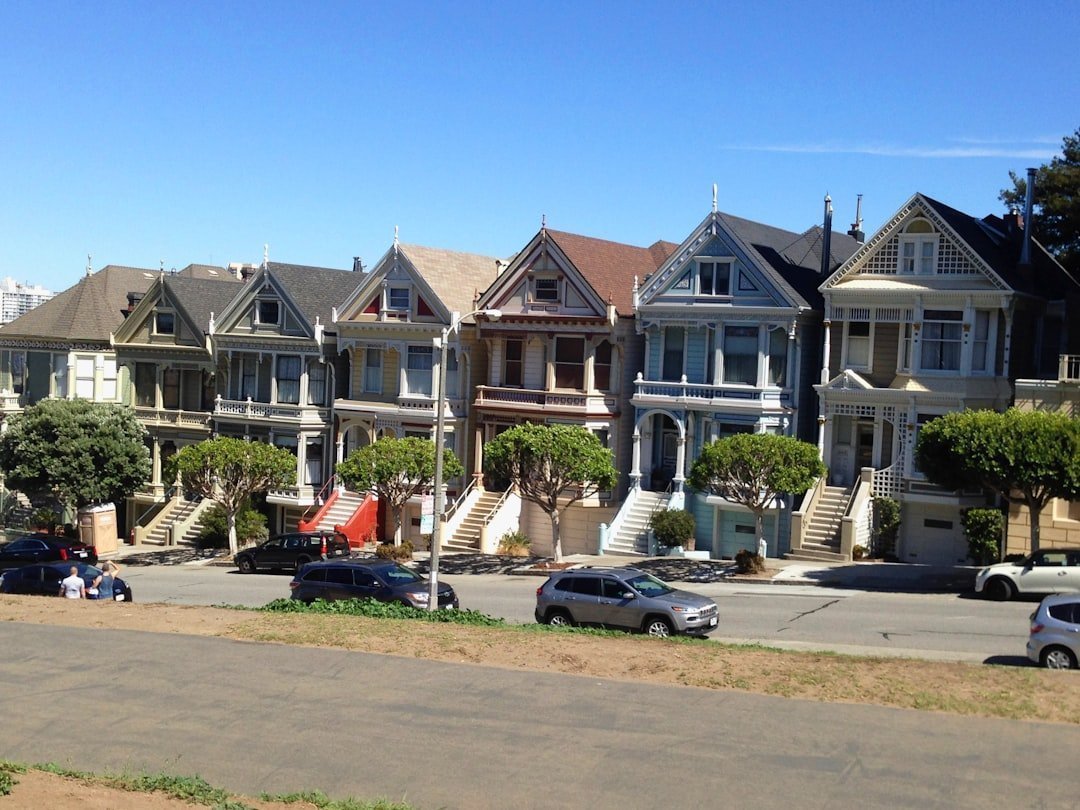
The broader takeaway here is not just about spotting rich neighbors. It is about recognizing what real, lasting wealth actually looks like in practice. In studies of millionaires, most of them don’t look the part. The majority live in normal, middle-class neighborhoods and drive modest cars. They’ve sacrificed, saved, and invested. The cultural obsession with visible luxury has led most people to deeply misunderstand how wealth is built and how it is kept. The total number of millionaires worldwide has crossed 80 million for the first time in history, meaning nearly 1% of the adult global population now holds net assets of at least $1 million.
That is an enormous number of people living ordinary-looking lives while quietly sitting on extraordinary wealth. In 2025, it is not the person posting luxury vacations on Instagram who is winning. It is the one with a paid-off mortgage and maxed-out retirement accounts. The stealth-wealth crowd doesn’t brag. They build. The next time you encounter someone who seems unremarkable, remember that the most interesting financial story in the room is almost never the one being told out loud.