

Walk into any high-end boutique, and something happens the moment you cross the threshold. Eyes move. Not conspicuously, not rudely – just quickly. Trained eyes. A seasoned luxury retail associate can clock more about your financial life in four seconds of downward glance than most people reveal in an entire conversation.
Sounds dramatic? It really isn’t. The luxury retail world runs on cues, and your shoes happen to be one of the loudest ones in the room. Let’s dive into exactly what they’re reading.
1. The Condition of Your Soles Speaks Before You Do

Here’s the thing about shoes – they age in ways that are very hard to fake or fix quickly. Worn-out soles, peeling leather, and broken laces are not just style issues. They reflect mental bandwidth and a certain kind of discipline breakdown. A boutique clerk sees this immediately and begins calibrating their approach before you’ve said a single word.
A polished mid-range leather shoe actually outranks a dusty luxury one. Condition reflects discipline, and status is less about logo and more about competence. The dirty secret of the luxury floor? The staff often pays more attention to whether your shoes are clean than whether they carry a recognizable brand name.
2. Loud Logos vs. Quiet Leather: The New Wealth Divide
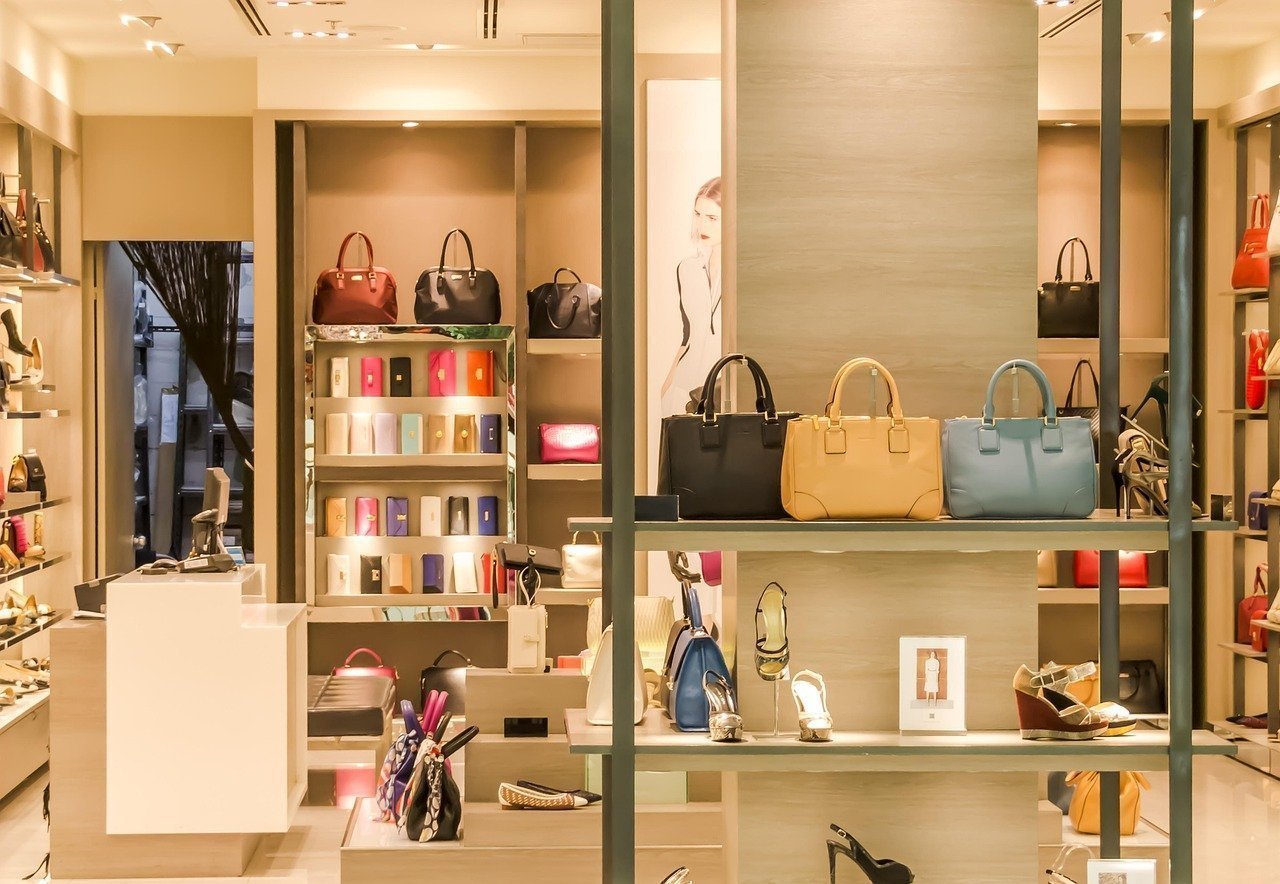
Research published in the Journal of Marketing proposes a taxonomy of four consumer groups based on wealth and need for status. Wealthy consumers low in the need for status prefer to pay a premium for quiet goods only they can recognize, while wealthy consumers high in need for status use loud luxury goods to signal to the less affluent that they are not one of them. A boutique clerk knows this taxonomy intuitively, even without having read the study.
Quiet luxury is characterized by understated design, high-quality materials, and timeless styling, while avoiding conspicuous logos. The aesthetic emphasizes muted colours, craftsmanship, and refined materials, expressing luxury through subtle sophistication rather than overt branding. When you walk in wearing logo-free loafers in buttery calfskin, the clerk’s mental register shifts into a very different gear than if you arrive in monogrammed sneakers. Both can signal money, but they signal entirely different kinds of it.
3. Material Quality Is Readable From Across the Room
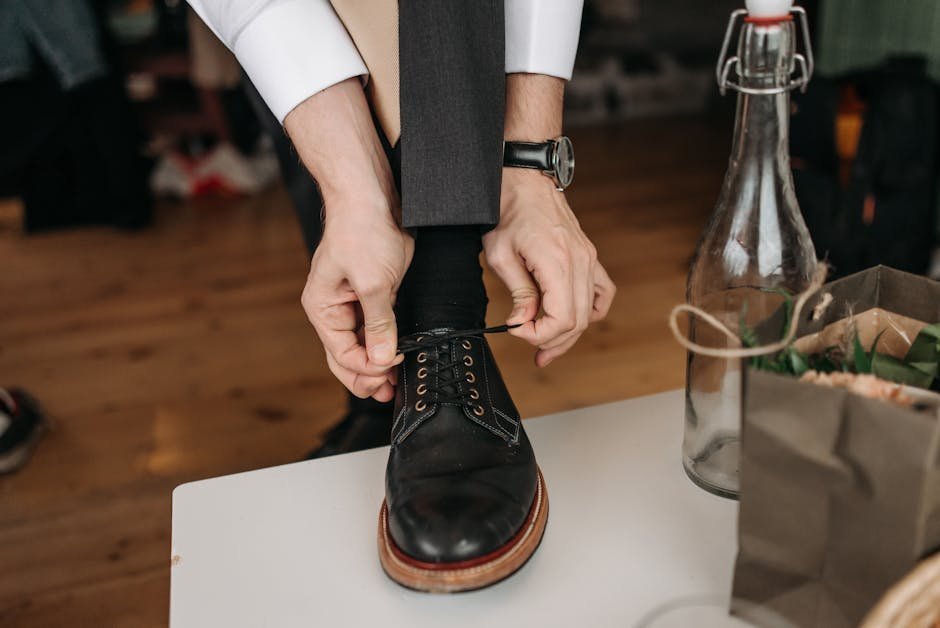
Historically, footwear marked class divisions. Leather quality, construction technique, and ornamentation indicated wealth and social rank. Full-grain leather shoes signal long-term thinking and an investment mindset. This hasn’t changed. If anything, the distinction has sharpened in an era flooded with convincing synthetics.
Cheap synthetic shoes signal short-term decisions. Goodyear-welted or well-constructed footwear suggests you understand durability and value. Disposable glued soles suggest a fast-fashion mentality. And crucially, this matters more than the brand itself. Think of it this way: a pair of hand-stitched Italian leather shoes communicates the same message as a long-term investment portfolio. You’re not spending, you’re allocating.
4. Whether You Know the Craft Tells Them If You’re a Regular Buyer
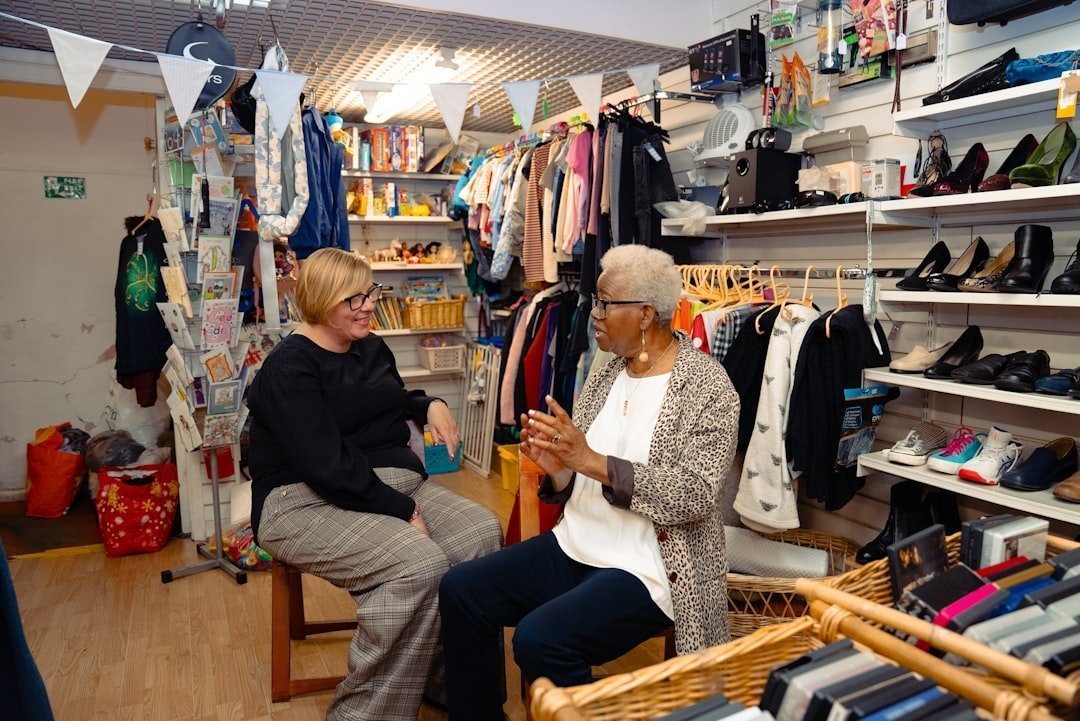
Customers from wealthier backgrounds tend to ask about longevity, materials, repairs, care, and how an item ages over time – and how it fits into a bigger picture. The same mindset shows up in their shoes. Seasoned affluent shoppers tend to wear footwear that shows deliberate, informed purchase decisions rather than impulse buys.
The 2024 Bain luxury market study found that more than 70 percent of younger luxury buyers consider craftsmanship and material quality as the top factor influencing repeat purchases. So when someone strolls in wearing a recognizable Goodyear-welted Oxford, the clerk doesn’t just see a shoe. They see someone who did their homework. That signals a high-value customer before the first greeting is exchanged.
5. The “No Logo” Signal Is the New Power Move
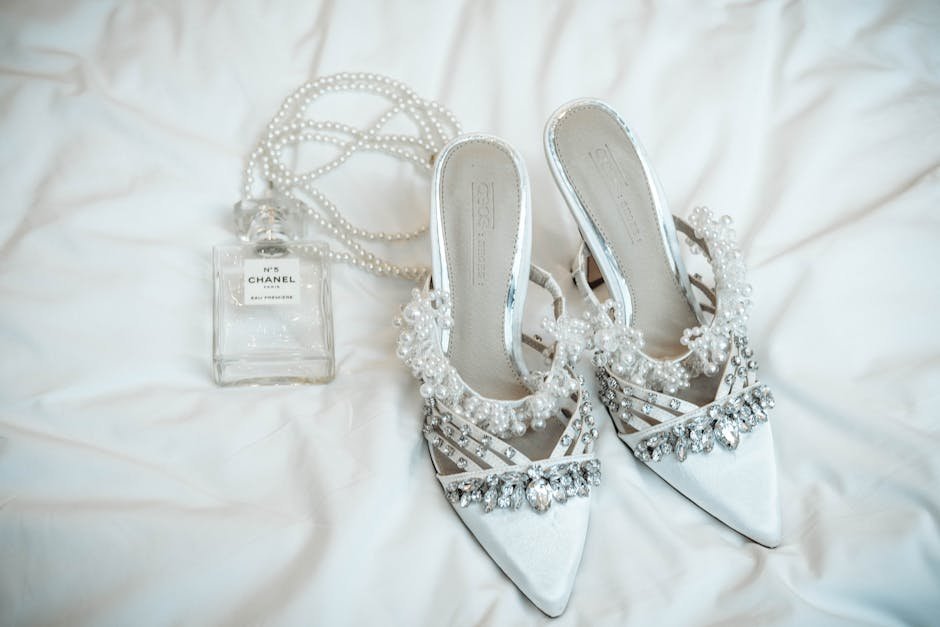
According to the 2024 Deloitte Global Fashion and Luxury Report, high-net-worth consumers increasingly prefer brands that communicate “intellectual luxury,” where rarity, craftsmanship, and heritage supersede logos or hype. This has transformed how clerks decode footwear. Plain, unbranded shoes in extraordinary materials are now the most prestigious signal you can walk in with.
Today’s affluence is coded. Instead of a logoed handbag or monogrammed sneakers, social currency emerges through knowledge of niche artisans, bespoke tailoring, and old-money aesthetics. When someone enters a Bottega Veneta or Hermès store in what appears to be unassuming neutral leather shoes that retail for well over a thousand dollars, the trained staff knows. They always know. That’s precisely the point.
6. Sneakers Are Not a Pass – But the Right Ones Are a Golden Ticket
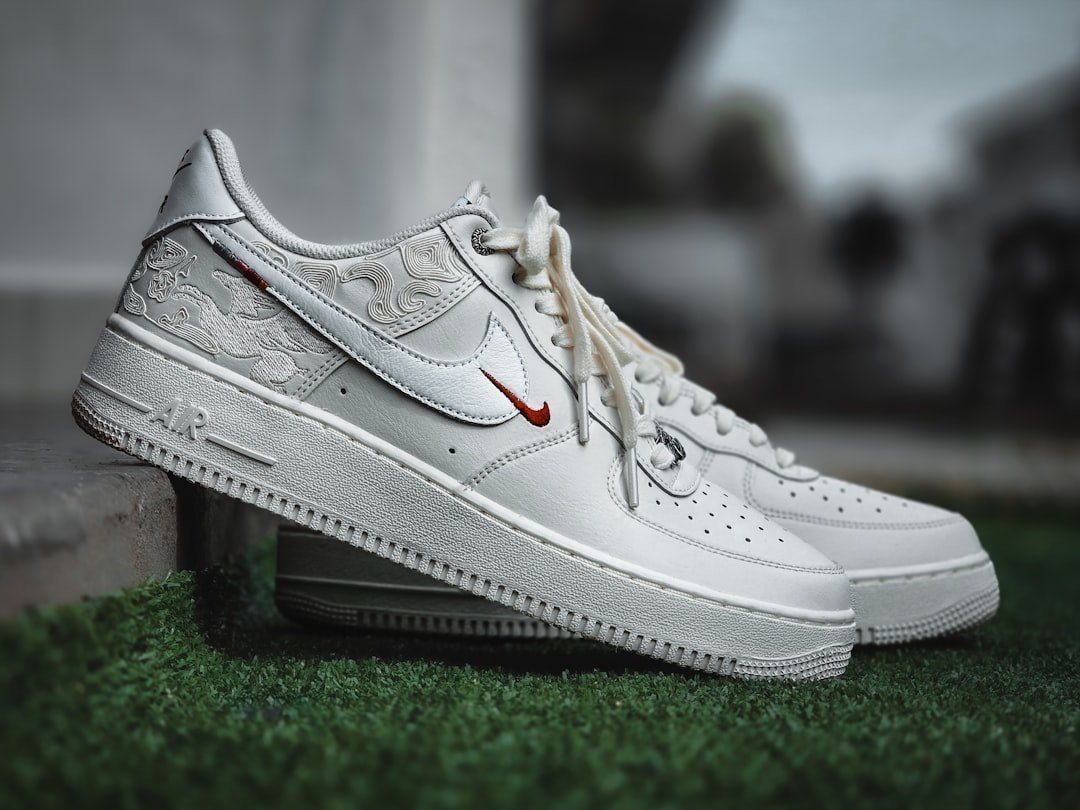
Let’s be real: sneakers have completely transformed luxury retail dynamics in recent years. The rise of streetwear collections in luxury retail, including baggy pants, jackets, and sneakers, represents one of the most defining shifts in how younger wealth expresses itself. But not all sneakers are created equal in the eyes of the floor staff.
Flashy designer sneakers may signal spending ability, but established wealth signals restraint, durability, and quiet confidence. A limited-edition collaboration sneaker worn comfortably and casually – as though it’s just another Tuesday – reads very differently from the same sneaker worn stiffly as a centerpiece outfit. Clerks notice that ease. Real luxury buyers don’t perform in their shoes. They just wear them.
7. Wear Patterns Reveal How You Actually Live
This one surprises people. Clerks aren’t just looking at what your shoes are made of, they’re looking at how they’ve been worn. Scuff patterns on the inner heel versus the outer sole tell a story about posture, gait, and lifestyle. Shoes tell people how seriously you take yourself. They reveal your habits. They hint at your income level. They expose whether you understand context. In professional and social environments, they quietly determine whether you are perceived as sharp, careless, powerful, or trying too hard.
Evenly worn soles on a well-maintained shoe suggests someone who moves at a measured pace through life – unhurried, grounded. Heavily damaged heels on otherwise pristine uppers suggest someone who is rushing constantly, possibly stressed, possibly overstretched financially. It sounds like a stretch, but luxury retail veterans will tell you this kind of reading becomes second nature within months on the floor.
8. How You Carry Yourself In Your Shoes Seals the Assessment
When someone wears or uses a luxury product, it acts as a signal to others who are “in the know” – people who recognize the financial and social status attached to the brand. But the signal only completes itself with posture and carriage. A pair of handmade shoes worn with visible discomfort or self-consciousness tells the clerk that the shoes might be new, or borrowed, or a stretch purchase.
Luxury retail teaches very little about products and a lot about psychology. Economic background doesn’t announce itself through brands or vocabulary. It leaks through comfort, timing, emotion, and expectation. The person who glides in wearing worn-but-flawless loafers and doesn’t even glance at price tags is far more likely to leave with a five-figure purchase than the person telegraphing anxiety from the doorway, regardless of what shoes either of them has on.
9. The Ratio of Shoe Age to Shoe Quality Is a Dead Giveaway
This is probably the most nuanced read on the list. High-status individuals often follow one simple rule: maintain before upgrade. They polish. They rotate pairs. They use shoe trees. That consistency compounds over years. When a clerk sees shoes that are visibly several years old but still immaculate, that’s the profile of someone with both wealth and discipline.
Compare that to someone in brand-new shoes that already show signs of uneven wear or poor maintenance. New money or aspirational spending tends to come with a certain over-newness. The quieter definition of value skewed wealthier. Once basic needs and social safety are met, signaling becomes less urgent. Function takes priority. Truly old shoes in truly good condition say more about your bank account than a fresh-from-the-box luxury unboxing ever could.
10. Mix-and-Match Dressing Is the Most Sophisticated Signal of All
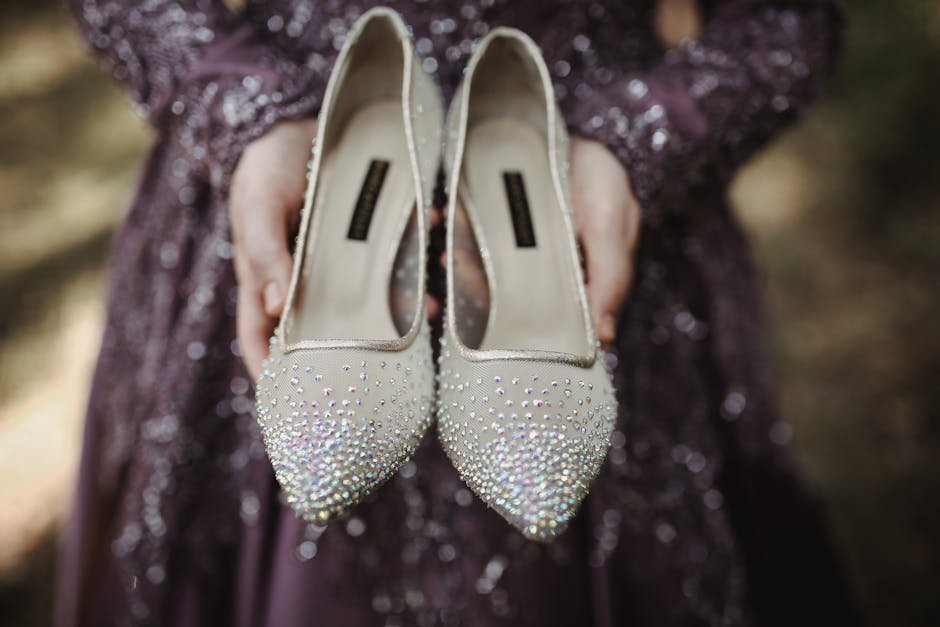
Here’s what many people don’t expect: wearing extremely expensive shoes with otherwise casual or even budget clothing is one of the highest-status signals a person can send into a luxury store. When multiple status-signaling is possible, high-status individuals are more likely to mix and match high signals with low signals. This mix-and-match tendency is driven by the desire to differentiate from middle-status individuals. It’s counterintuitive until you think about it.
A study by Han, Nunes, and Drèze found that wealthy consumers with little need for status signaling tend to prefer inconspicuous luxury goods with subtle branding, while consumers with a stronger desire to signal status, regardless of actual wealth, are more likely to prefer conspicuously branded luxury products. The person wearing unremarkable jeans and a plain sweater with a pair of Loro Piana leather sneakers is telling the clerk everything. They’re comfortable enough in their wealth to not need the whole outfit to shout. That kind of calculated quiet is, by the current standards of luxury retail, the loudest thing in the room.
Final Thought: The Floor Is a Mirror
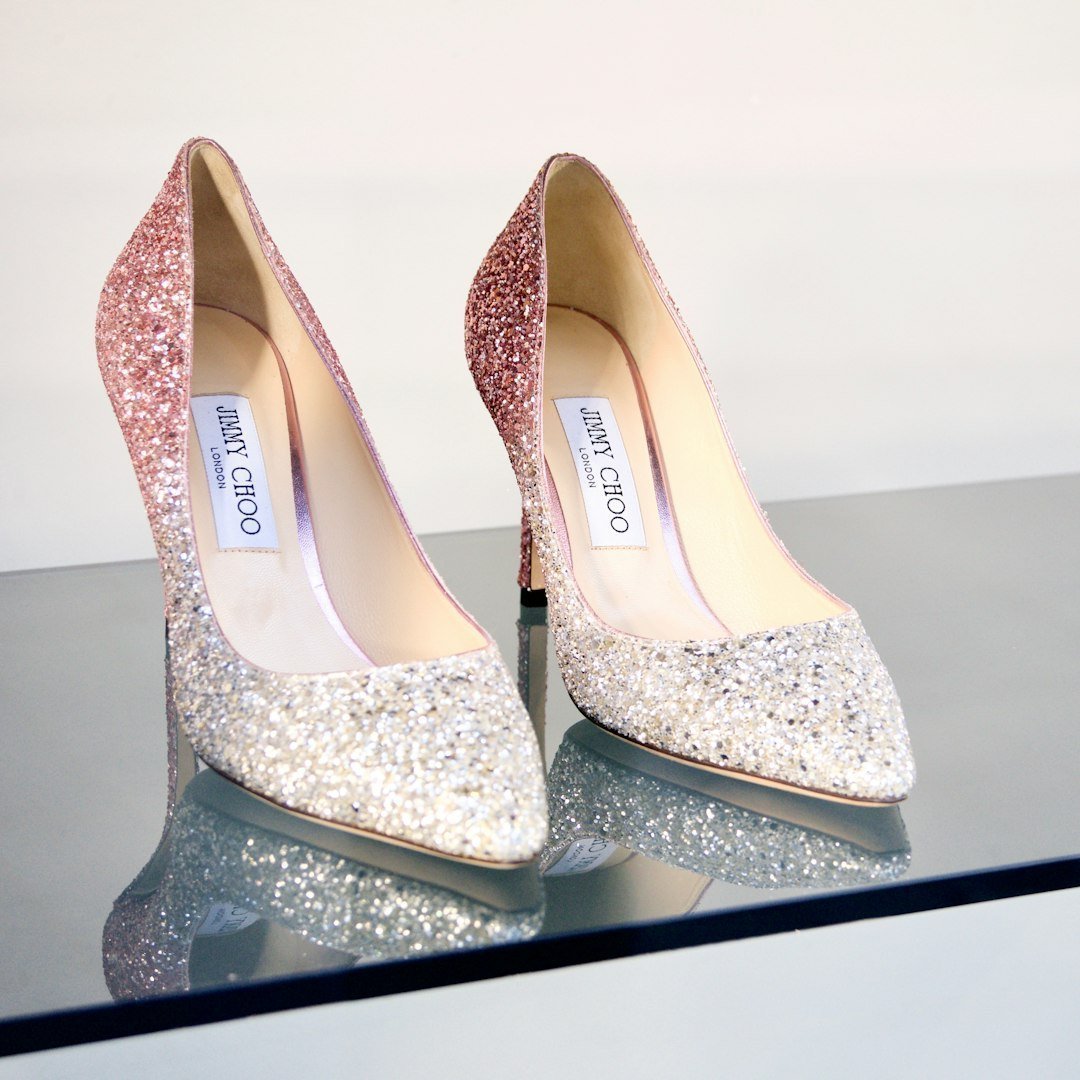
Luxury boutique clerks aren’t judging you, at least not the good ones. They’re reading you, quickly and accurately, because their job depends on matching the right product to the right person in the right moment. Economic background doesn’t announce itself through brands or vocabulary. It leaks through comfort, timing, emotion, and expectation. Your shoes just happen to be the most honest part of your outfit.
The market itself reinforces all of this. The luxury footwear market is forecast to increase by nearly $20 billion between 2024 and 2029, driven by increasing demand for exclusive designer collections and customized footwear. Consumers are willing to pay a premium for unique, high-quality footwear that sets them apart. That willingness to pay is exactly what a trained clerk is trying to detect the second you walk through the door.
Next time you head into a high-end boutique, look down for a moment. Your shoes are already talking. The only question is – what are they saying? What do you think about it? Tell us in the comments.