

You check your bag, walk to your gate, maybe grab a coffee, board your flight. You think your suitcase is safe. Most of the time it is. But sometimes, while you were sipping that latte, someone was sizing up your bag on a conveyor belt, at a carousel, or even in the hands of an airline employee – and making a very deliberate choice.
Airport luggage theft is more calculated than most travelers realize. Thieves, whether opportunistic outsiders or insiders with access, don’t just grab any bag. They pick certain ones. Color, material, brand visibility, lock type – it all matters. Understanding what makes a bag a target, and what makes a thief skip it entirely, could be the difference between arriving with everything you packed and arriving with a whole lot less. Let’s dive in.
—
The Shocking Scale of Airport Luggage Theft You Were Never Told About
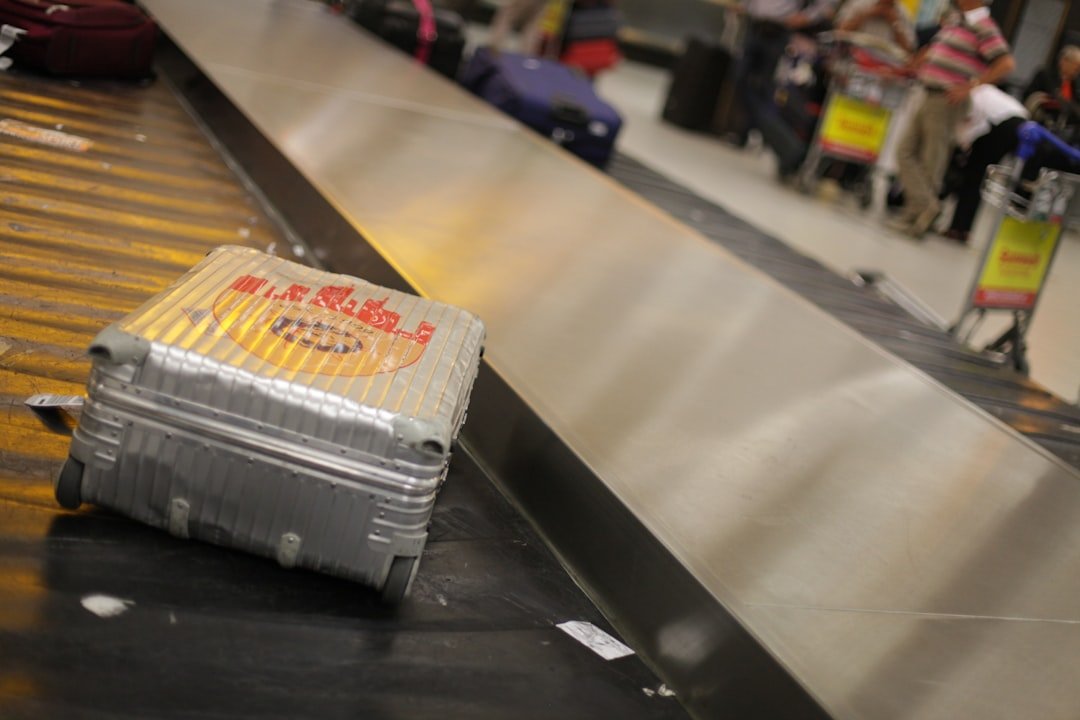
A total of 25,016 thefts were reported over the five-year period from 2010 to 2014 in the U.S. alone. That number, staggering as it sounds, is almost certainly an undercount. Many passengers may not even report if something has been stolen from them, or they may not realize it on time or may end up assuming they have lost or misplaced it.
In 2024, airlines and airports mishandled around 33.4 million bags worldwide, costing the industry an estimated 5 billion dollars in recovery, compensation, and logistics. Lost or stolen bags made up about 8 percent of those mishandled cases, while damaged or pilfered luggage climbed to 18 percent – a sign that opportunistic theft and “sticky fingers” behind the scenes are becoming a bigger slice of the problem.
The data suggests that theft by employees is more likely than theft by other people. So it’s not always a stranger at the carousel. Sometimes it’s someone who has full, legitimate access to your bag long before you ever reach baggage claim. That’s uncomfortable – but knowing it changes how you should pack and what bag you choose.
—
Easy Target #1: Plain Black Soft-Sided Suitcases
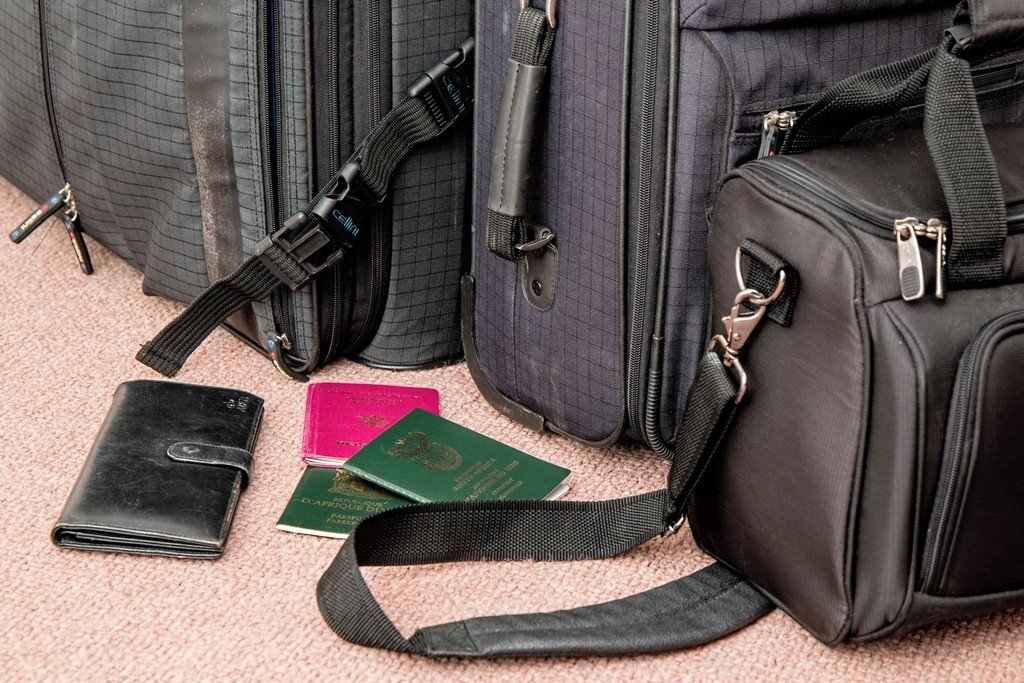
Here’s the thing – black soft-sided suitcases are practically a thief’s best friend. The reason is devastatingly simple. Thieves prefer to steal black luggage because so much of it looks alike. If the thief is caught red-handed by the bag’s owner, he only has to say “sorry, it looks just like mine” – and he’s out of there. Scot-free.
A Phoenix couple made a living stealing luggage off airport carousels, and police found almost a thousand suitcases in their house. Almost all of them were black. That pattern repeated across multiple theft investigations at various airports. It’s not a coincidence – it’s a method.
Soft-sided bags, especially those with exposed zippers or nylon panels, are far easier to pierce with a knife or pen. Thieves often target these bags because they can quietly slip in and grab valuables. The combination of a black color with a soft shell is essentially a worst-case scenario for theft risk.
—
Easy Target #2: Designer and Luxury-Branded Luggage
I think most people assume that flashy, expensive luggage signals status. And it does – just not the kind of status you’re hoping for at an airport. A Rimowa, a Gucci travel bag, or any high-end branded piece announces loudly that its owner likely has valuable things inside. The Cologne-based luxury luggage brand Rimowa was crowned 2024’s most popular luggage brand, and their hardshell aluminum suitcases with parallel grooves have become a staple of the brand and a status symbol in airports worldwide.
Thieves target primarily small expensive objects such as jewelry and electronics. When they see a recognizable luxury brand on the outside of a bag, they’re essentially getting a preview of what might be inside. The bag itself is an advertisement. That’s a problem.
Unsurprisingly, small luxury items seem to be a major focus for airborne criminals. Packing your best jewelry, your most expensive watches, or your latest gadgets into a bag that screams “wealthy owner” is one of the riskiest things you can do. Keep that in mind next time you check that designer suitcase.
—
Easy Target #3: Unlocked or Weakly Secured Bags
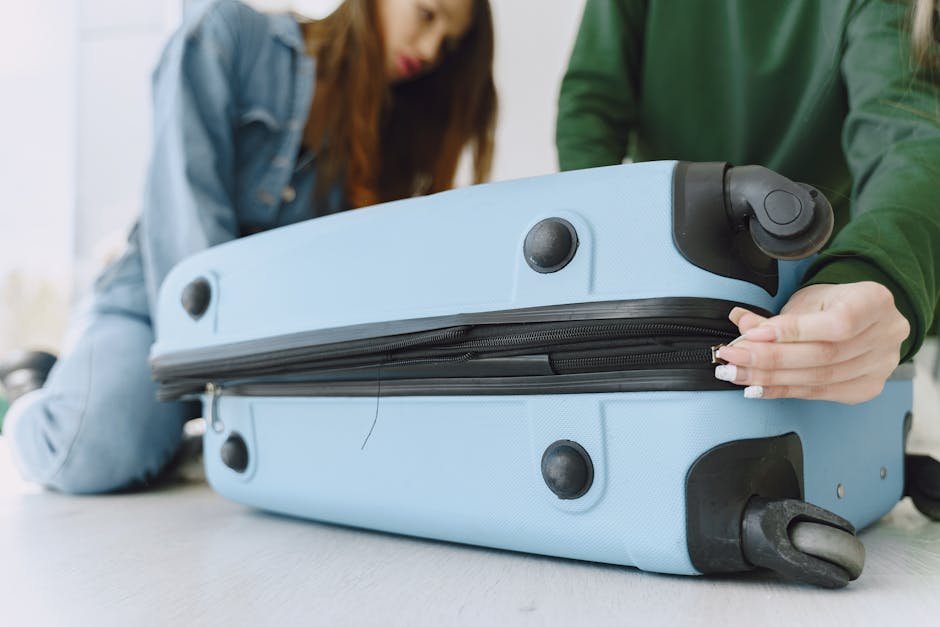
Most travelers lock their bags – sort of. The issue is that the average zipper lock, especially on a soft-sided suitcase, offers almost no real protection. Most travellers rely on zips and built-in locks to secure their suitcases, but experienced thieves can easily break into luggage with just a pen. Yes – a pen. A sharp object, a quick motion, and the zipper pops open without ever breaking the lock.
Locks keep out casual thieves and protect bags when out of sight. Built-in locks, now standard on most hard-shell suitcases, are simple but block opportunistic hands. TSA-approved locks stand out because airport security can open them without breaking the lock or your luggage. The difference between a casual thief and a determined one, though, is whether the bag slows them down enough to move on to the next one.
An unlocked or visibly flimsy-locked bag sends a clear invitation. It’s the luggage equivalent of leaving your car with the window down and the keys in the ignition. Lockable luggage straps add an extra layer of protection by keeping your bag tightly secured and harder to tamper with. They also make your suitcase easier to identify on the baggage carousel, reducing the risk of someone accidentally – or intentionally – walking away with your bag.
—
Easy Target #4: Bags Left Unattended or Picked Up Late at Carousels
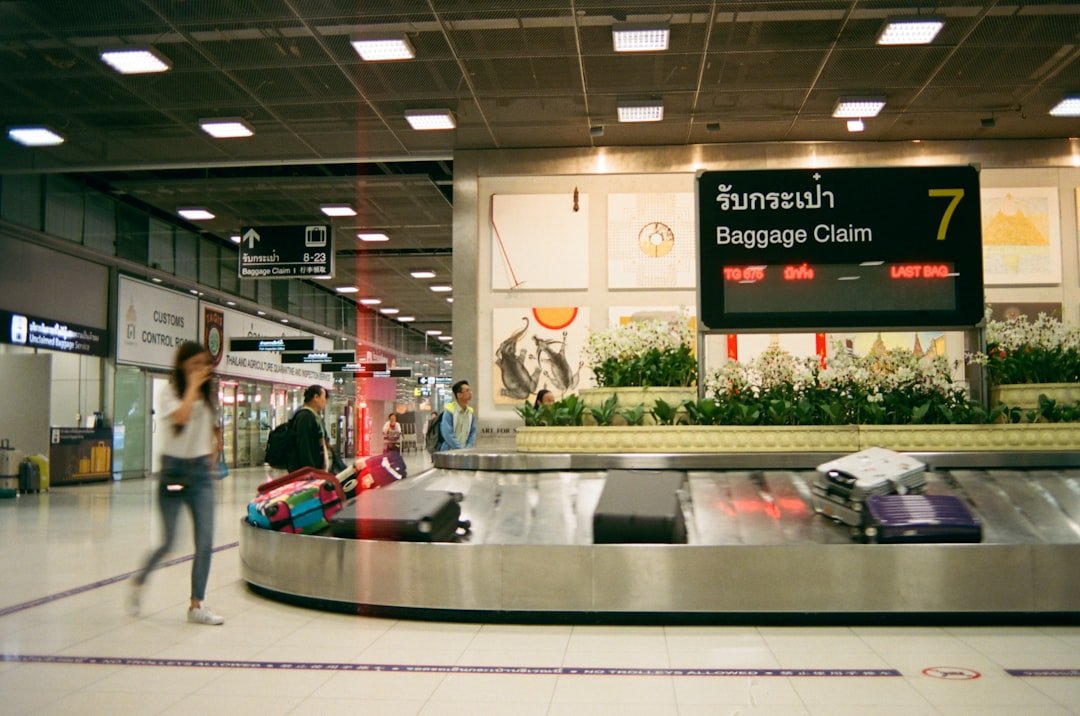
Theft from luggage occurs in parts of the airport with restricted access, while theft of luggage is most likely to happen at the luggage carousel. This is the critical window most travelers don’t think about – the bag is sitting on the belt, going around and around, waiting. And you’re nowhere near it.
A long walk from the gate to baggage claim gives thieves ample time to strike, with no real ID checks or security preventing them from simply walking up and grabbing any unattended bag. This lack of oversight, combined with the sheer scale of traffic, makes certain airports prime targets for opportunistic thieves. In the U.S., Dallas-Fort Worth International Airport takes the number one spot for theft risk, partly due to a 43-minute walk from the gate to baggage claim.
Many reclaim areas are completely open to the public. No boarding pass checks, no ID scans – just an honor system where everyone politely pretends they’d never walk off with a stranger’s bag. It sounds almost funny until it’s your bag going around for the fifth time with no sign of you there to claim it.
—
Bags That DON’T Make You a Target #1 to #3: Hard-Shell, Distinctive Color, and GPS-Tracked Luggage
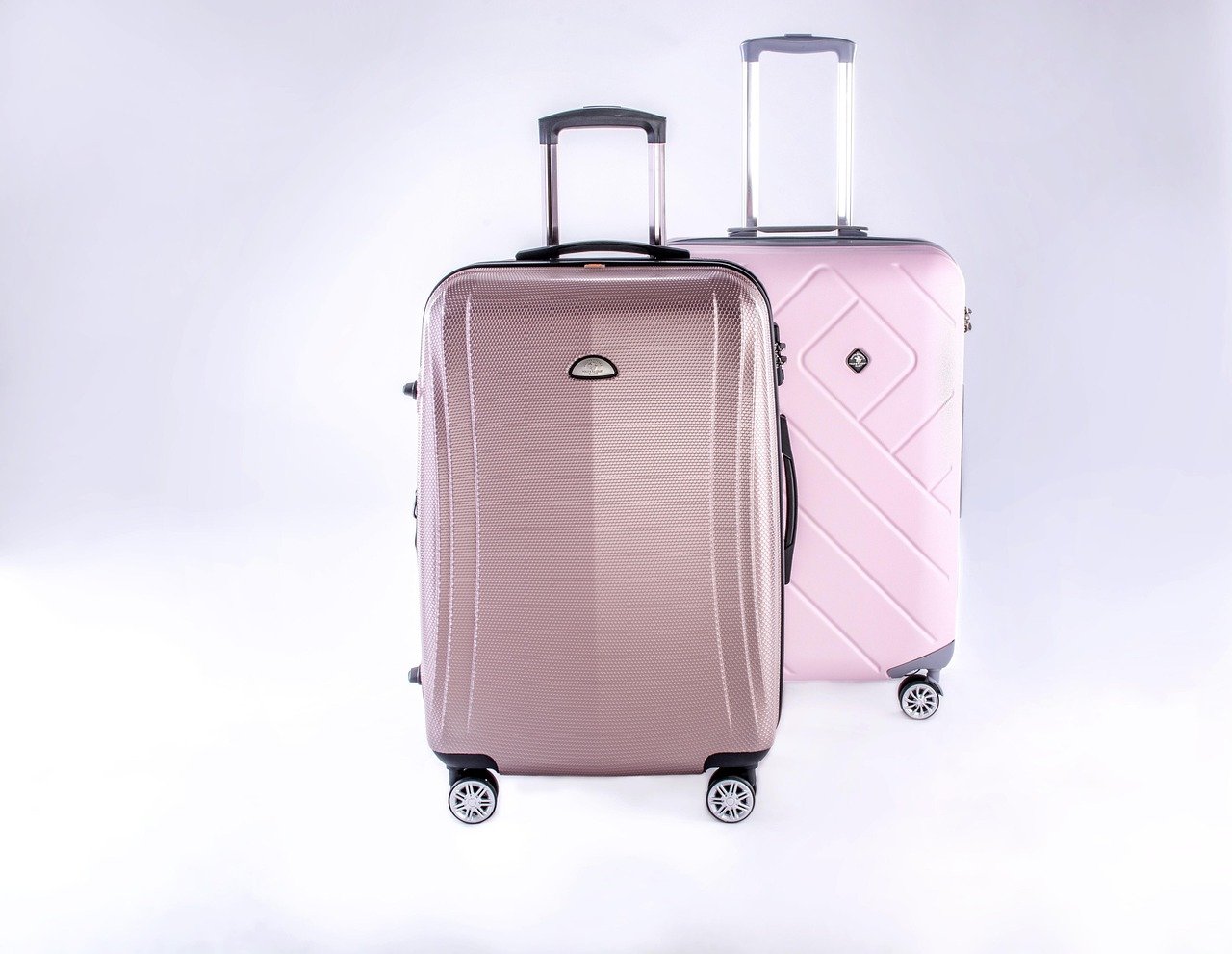
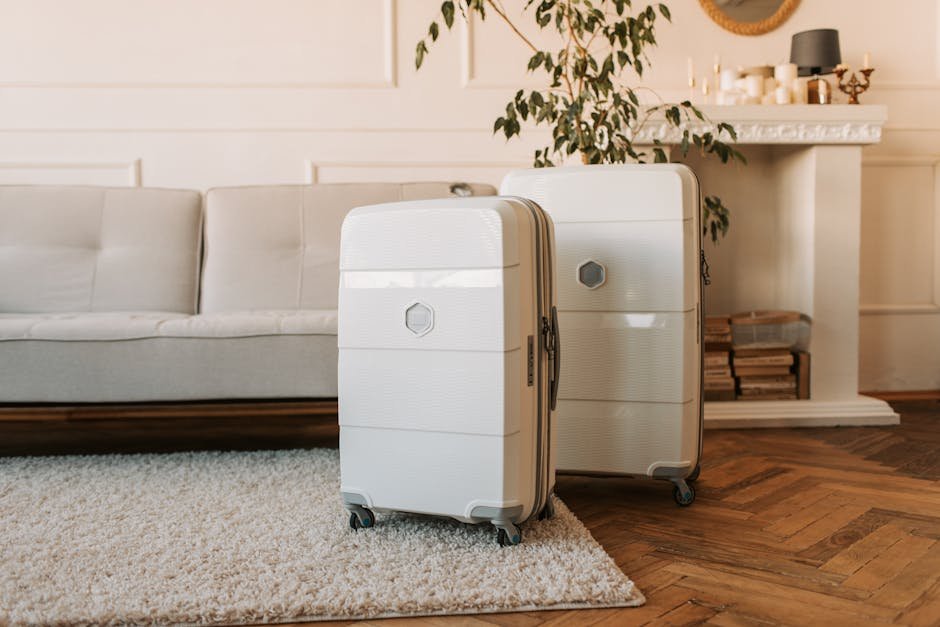
Let’s be real – the best protection starts with the shell. Hard-sided luggage stands up to tampering better than soft or fabric bags. Most sturdy models use polycarbonate or tough plastics that resist slashing or prying. In 2025, many top brands like Travelpro, Briggs and Riley, and Away build their shells to handle rough handling, attempted break-ins, and bad weather.
Color matters enormously too. Avoid the endless search of your bag in a sea of black luggage by buying a brightly colored or printed suitcase. Checked bags should be easily recognizable to save time and avoid theft or mix-ups, because leaving the airport with someone else’s bag unknowingly happens all too often. A vivid orange, teal, or patterned bag doesn’t blend into a crowd of identical suitcases – and that alone changes a thief’s calculus entirely.
GPS and Bluetooth trackers are now genuinely game-changing. Tech makes it much easier to track and recover lost or stolen luggage than ever before. Devices like Apple AirTags, Samsung Smart Tags, Chipolo Pop, and Eufy SmartTrack Link can be game-changers when airline staff can’t find your bag. Apple’s Find My network, which powers AirTag functionality, comprises over 1 billion active Apple devices worldwide, creating an extensive mesh network for tracking.
—
Bags That DON’T Make You a Target #4 to #6: Locked Hard-Shell, Nondescript, and Carry-On Kept Close
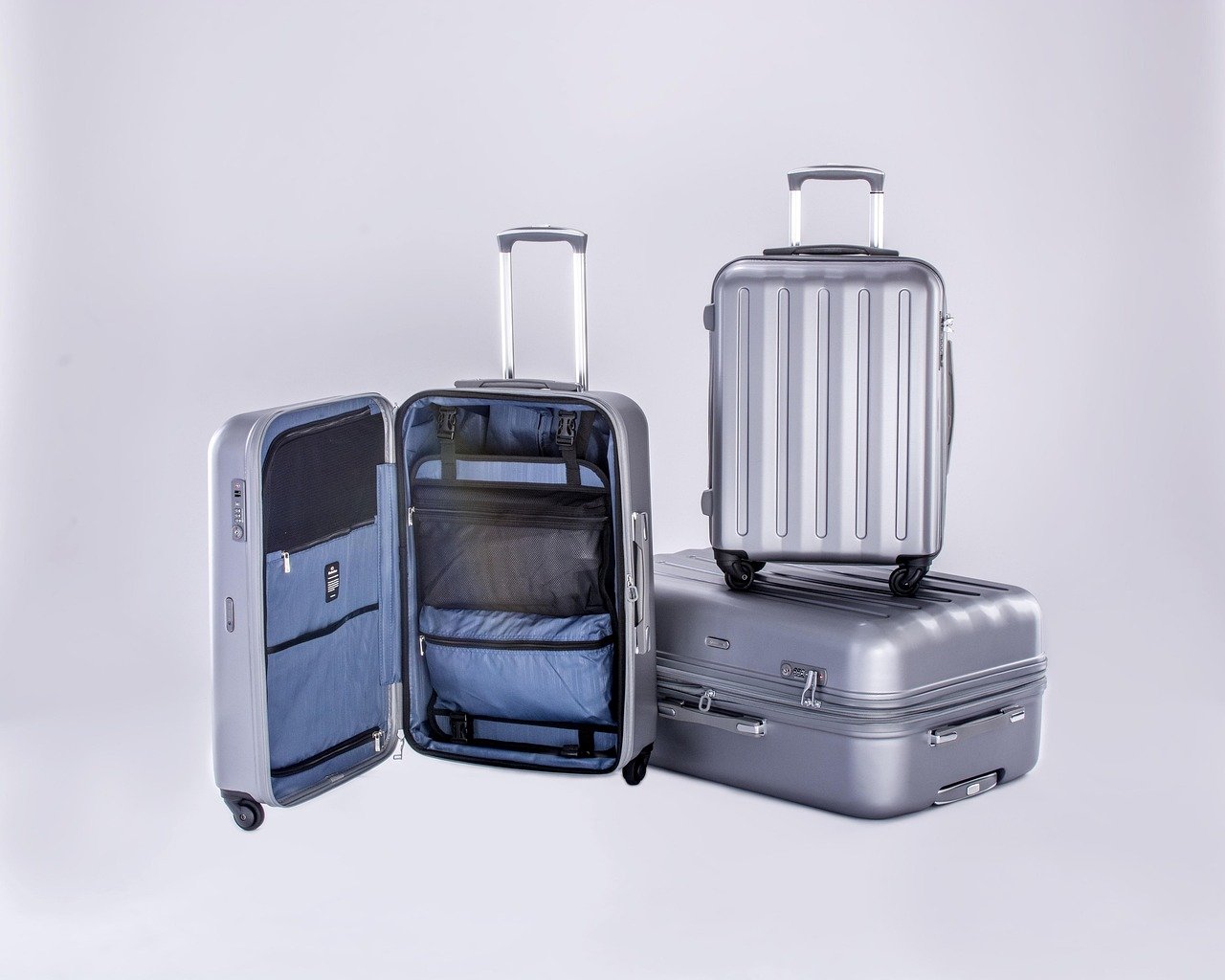
A locked hard-shell case in a non-black, non-designer color is close to the gold standard for checked bag security. Its polycarbonate construction offers a solid, rigid design and better organization with a 50/50 split opening which provides greater security against theft and damage to fragile items. Thieves look for easy wins. A hard locked shell forces them to work, and they generally don’t want to.
Nondescript bags, honestly, are underrated heroes. The boring, generic-looking suitcase that nobody notices is, in theft terms, the safest choice you can make. Multivariate analyses show that business destinations experience less theft than non-business destinations. This is consistent with the idea that business travelers tend to rely heavily on carry-on luggage, which reduces the amount of valuables transported in checked-in suitcases. Business travelers are frequent and savvy passengers, who are probably familiar with the risks of checking in expensive or valuable objects.
Carry-on bags that stay on your person or in overhead bins under your watch are the ultimate theft-resistant option. Instead of placing your bag directly overhead where it might be more vulnerable, place it in the bin across the aisle, where you’ll have a clearer line of sight. Keep your most valuable items on your person. Passports, phones, credit cards, medication, and tech you can fit in your pockets should be with you at all times.
—
Which Airports Have the Worst Records – and What That Means for Your Bag
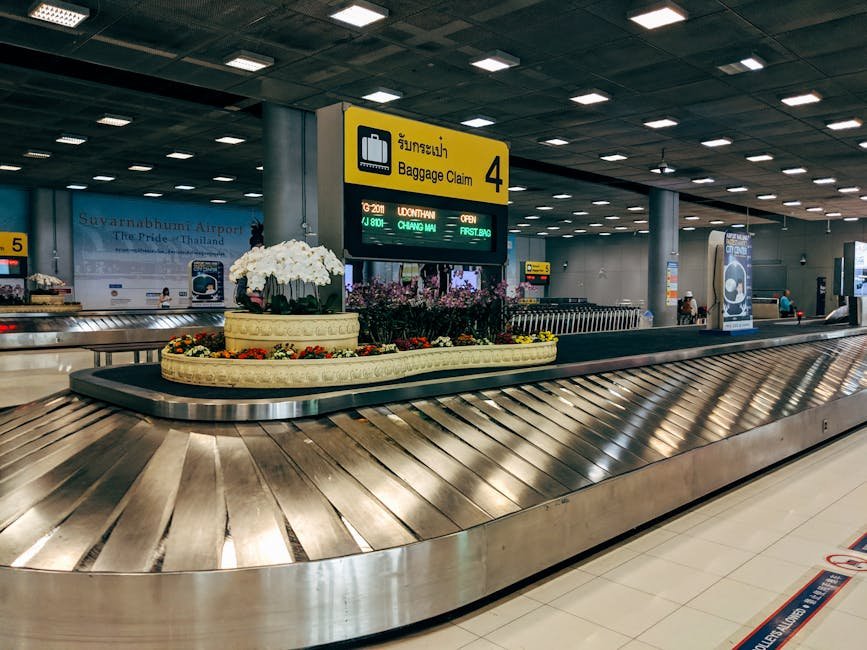
The airports with the most mishandled baggage complaints per 100,000 passengers include Orlando International Airport with 1.81 complaints, John F. Kennedy International Airport with 1.72, Palm Beach International Airport with 1.71, Ted Stevens Anchorage International Airport with 1.69, and Fort Lauderdale-Hollywood International Airport with 1.68. These aren’t just numbers. They represent thousands of real travelers who landed with a problem they didn’t cause.
From a low in 2011 of 97 reported incidences of bag theft, numbers at Sea-Tac Airport soared to a record high of 477 cases in 2022. Records show that cases of baggage theft have increased over the years at Sea-Tac, especially after the post-pandemic crush of passengers. The post-pandemic travel surge brought more people, more bags, more chaos – and more opportunity.
In 2024, mishandled baggage dropped by 7.6% industry-wide compared to 2023, hinting that airlines are paying attention to consumer frustrations and prioritizing smoother, more efficient operations. That’s encouraging – but it doesn’t mean the risk has disappeared. It means being at a high-theft airport with a high-risk bag is still a gamble not worth taking.
—
The Smart Traveler’s Playbook: What Actually Works in 2026
The anti-theft luggage market size is estimated to be USD 1.2 billion in 2024 and is expected to reach USD 2.5 billion by 2033 at a compound annual growth rate of 8.5%. The industry is growing fast because travelers are getting smarter – and so are the solutions available to them. The shift toward layered protection is real and measurable.
Mark your bags clearly and don’t use luggage that looks like everyone else’s bags, because sometimes theft is inadvertent – and when someone realizes they have the wrong bag they may not return it. That advice sounds almost too simple, but it’s backed by years of theft pattern analysis. Distinctiveness is a deterrent. Anonymity in a crowd of identical black bags is a risk.
It’s hard to say for sure that any single strategy eliminates the risk entirely – but combining a hard-shell case, a distinctive non-black color, a TSA-approved lock, a luggage strap, and a Bluetooth tracker inside gives you a layered defense that most thieves simply won’t bother with. To enhance luggage safety, choose hard-sided bags with locks, pack valuables in carry-ons, and use tracking devices. Staying alert, securing bags in public, and reporting theft quickly are crucial steps in protecting your belongings during travel. The target that takes time, effort, and risk will almost always be passed over for the one that doesn’t. Make sure your bag is the one that doesn’t.
What kind of luggage are you currently traveling with – would you reconsider your choice? Tell us in the comments.