
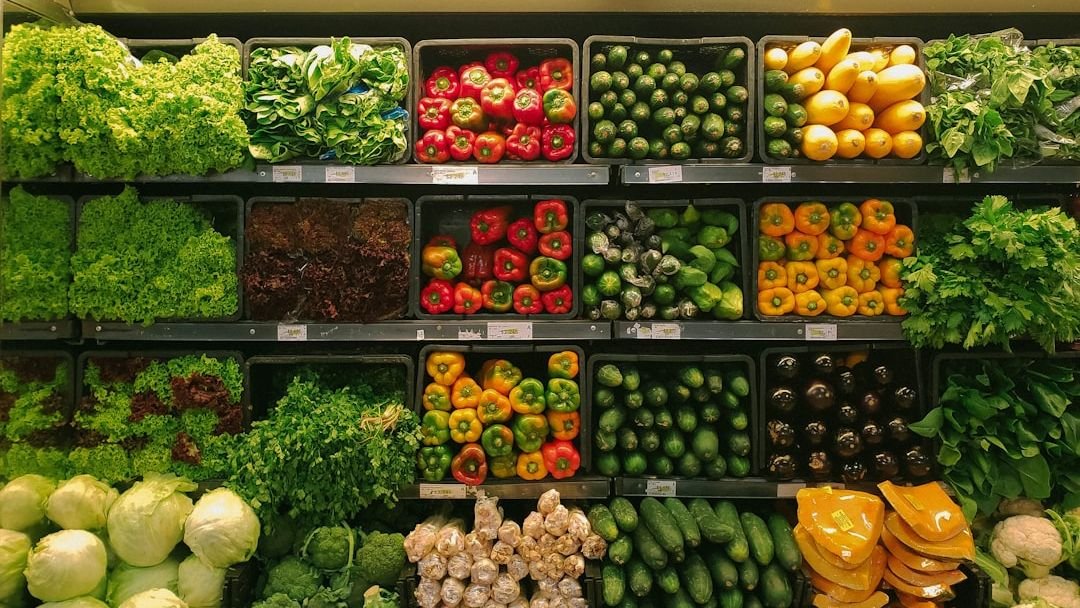
There is something quietly fascinating about watching a high-net-worth individual move through a grocery store. They do not flinch at prices, they rarely pick up a coupon flyer, and they almost never detour toward the “special offer” aisle. That is not arrogance. It is a pattern, and research is beginning to confirm what many have suspected for years: the wealthiest people in America shop fundamentally differently from everyone else.
It is not just about what they buy. It is about what they refuse to put in their cart, regardless of what the sale sticker says. Scroll through and prepare to rethink what you grab without thinking.
1. Sugar-Sweetened Sodas and Soft Drinks

Let’s be real: a two-liter bottle of soda on sale for 99 cents is one of the most tempting items in the grocery store. The value looks obvious. Yet, high earners are quietly opting out of this category in much larger numbers than lower-income shoppers. Research confirms that wealthier people consume fewer sugary drinks, supporting the idea that soda consumption contributes to health inequities along the economic distribution.
The reasons go beyond preference. According to the CDC, frequent consumption of sugary drinks is linked to adverse health outcomes including obesity, type 2 diabetes, heart disease, and nonalcoholic liver disease. The top 1% tend to know this, and they act on it, even when a case of cola is half price. Everyone is drinking fewer sugar-sweetened beverages like soda and sports drinks overall, but high-income people are drinking significantly less than low-income people.
2. Ultra-Processed Snack Foods
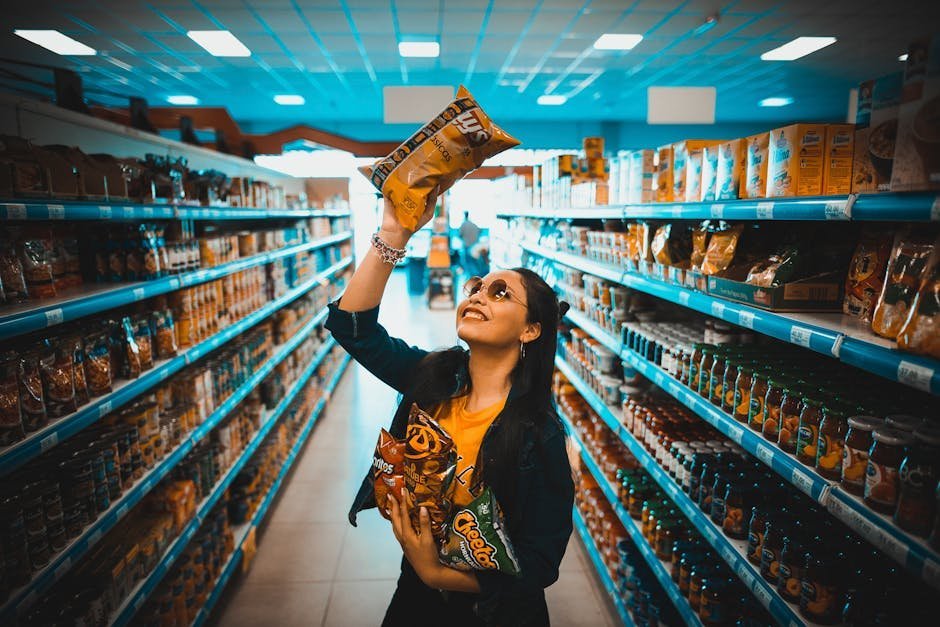
Chips, puffed cheese snacks, heavily flavored crackers: the shelves are full of them, and the deals can look irresistible. Walk past any “buy two get one free” display and you’ll see carts filling up fast. High earners, however, are far less likely to be among those shoppers. Disparities were observed across socioeconomic groups, with households having lower incomes and lower education levels purchasing a higher proportion of ultra-processed foods compared to higher-income, higher-education households.
Higher intakes of ultra-processed foods are associated with a range of adverse health outcomes including obesity, type 2 diabetes, cardiometabolic disease, and all-cause mortality. Honestly, the science on this has become impossible to ignore. Overall, ultra-processed foods comprised more than half of all calories consumed at home, rising from 51% in 2003 to 54% in 2018 – a trajectory the wealthiest shoppers have largely escaped.
3. White Bread and Refined Grain Products

There is always a big stack of white bread loaves near the entrance of most grocery stores, often marked down and practically begging to be grabbed. Yet income and refined grain consumption have a remarkably clear inverse relationship. Only high-income people are dropping their consumption of refined grains like white bread and corn flakes. That shift has been documented across multiple studies and it has not reversed.
A large body of epidemiologic data shows that diet quality follows a socioeconomic gradient. Higher-quality diets are associated with greater affluence, while energy-dense, nutrient-poor diets are preferentially consumed by persons of lower socioeconomic status. Whole grains, lean meats, fish, low-fat dairy products, and fresh vegetables and fruit are more likely to be consumed by groups of higher socioeconomic status. Think of it like this: white bread is the dietary equivalent of cheap furniture. It fills a space, but it adds very little real value.
4. Pre-Packaged Frozen Meals

A frozen lasagna for four dollars. A microwavable teriyaki bowl. These items move fast off the shelves when they go on sale, and they make complete sense for someone juggling a tight budget. But high-income households approach them differently. For lower-income groups, a full stomach is far more important than it is among their richer counterparts. By contrast, more affluent populations tend to prefer food that is healthy over food that is filling.
Ultra-processed foods contain substances with little or no nutritional value, such as colorings, emulsifiers, artificial flavors, and sweeteners. Examples cover a wide range of products, from chips and hot dogs to prepackaged meals. The top 1% view time and health as premium assets, and pre-packaged frozen meals spend both poorly. They are not skipping them because they cannot afford them. They are skipping them because they have decided the trade-off is not worth it.
5. Conventional Seed Oils in Bulk

Those giant jugs of cheap vegetable oil or corn oil almost always have a sale tag dangling from them. For budget shoppers, they are a practical staple. For high earners, they represent a category increasingly associated with inflammation and metabolic health concerns. Higher consumption of fats and oils, added sugars, and refined grains was associated with sharply lower diet costs – which makes them attractive to budget-focused shoppers, but much less attractive to those who prioritize quality over savings.
The consumption of refined grains and added fats has been associated with lower socioeconomic status. High-net-worth individuals gravitate toward cold-pressed extra virgin olive oil, avocado oil, and other premium alternatives. It is not a flex. It is a considered choice based on what the research increasingly supports about dietary fat quality and long-term health outcomes.
6. Store-Brand Candy and Cheap Confectionery

Seasonal candy sales, holiday chocolates, gummy bags in every flavor: grocery stores are expert at making these feel like celebrations. The markdown bin after a holiday is genuinely tempting. Yet the link between income levels and added sugar consumption is well documented. Sugary drinks remain a major source of added sugars across all age groups, and sugar-sweetened beverages are the top food category contributor to added sugars intake.
The pattern extends across the entire added sugar category, not just beverages. Diet quality has improved among people of high socioeconomic status but deteriorated among those at the other end of the spectrum, and the gap between the two groups doubled between 2000 and 2010. The top 1% did not get there by filling their carts with discounted gummies on a Tuesday afternoon. I know that sounds harsh. It is also pretty much what the data says.
7. Processed Deli Meats

Packaged bologna, pre-sliced salami tubes, shelf-stable cured sausages – these are perpetually on sale and carry a certain nostalgic comfort for a lot of people. They are also heavily processed, high in sodium, and packed with preservatives. High earners, particularly those with health-focused orientations, tend to steer clear. Whole grains, lean meats, fish, low-fat dairy products, and fresh vegetables and fruit are more likely to be consumed by groups of higher socioeconomic status.
The contrast here is stark. Affluent shoppers move toward freshly sliced charcuterie from the deli counter, grass-fed meats, or high-quality canned fish like wild sardines or sockeye salmon. These cost more per unit. But the 1% are playing a long game with their health, viewing the grocery cart as a form of preventive medicine rather than simply a vehicle for caloric intake.
8. Name-Brand Breakfast Cereals
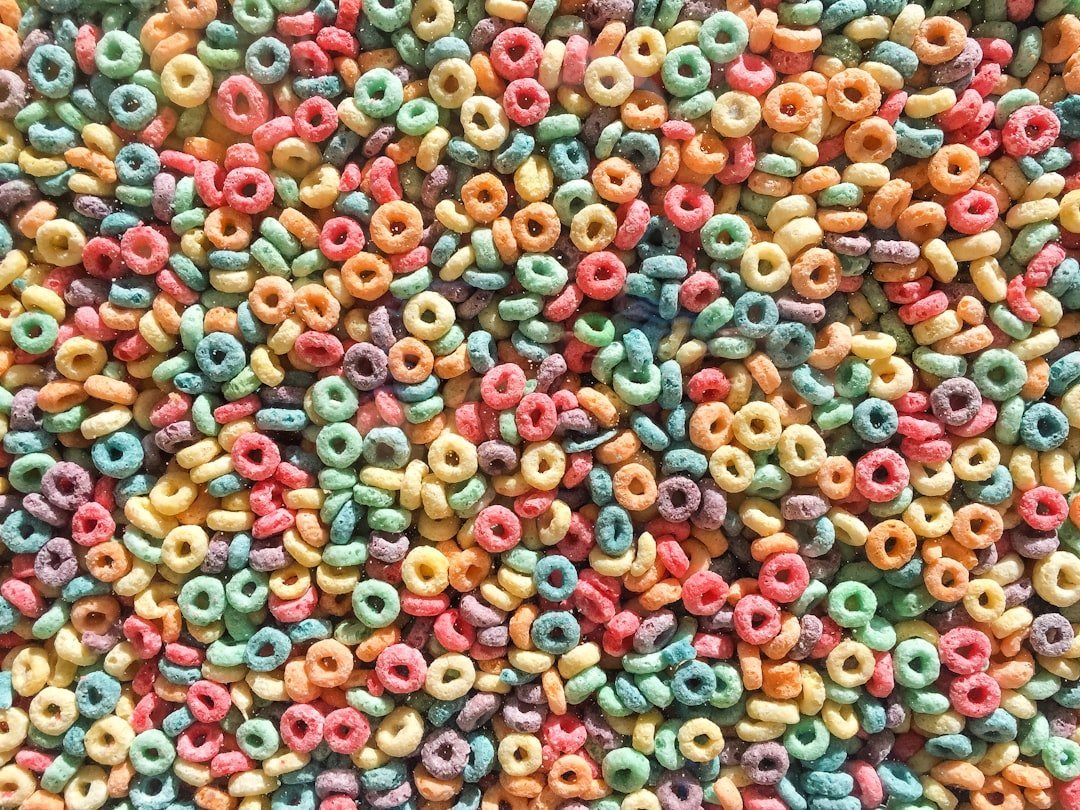
This one might surprise people. It seems contradictory that wealthy people would avoid name-brand cereals. Here is the thing: it is less about the brand and more about what those cereals actually are. Most popular breakfast cereals, including the ones marketed to adults as “heart healthy,” are heavily refined, sugar-forward, and ultra-processed by definition. The consumption of ultra-processed foods increased among all U.S. adults from 2001 to 2017-2018, rising from roughly 53.5 to 57 percent of daily caloric intake.
High earners who stay informed about nutrition have largely replaced cereal with eggs, whole food breakfasts, or foods with far lower glycemic impact. High-income Americans are eating better than ever, swapping fruit juice for whole fruits, replacing refined grains with whole grains, and eating more nuts, while the breakfast cereal aisle remains largely a middle and lower-income battleground, regardless of which box has the biggest discount sticker on it.
9. Sports Drinks and Flavored Energy Beverages
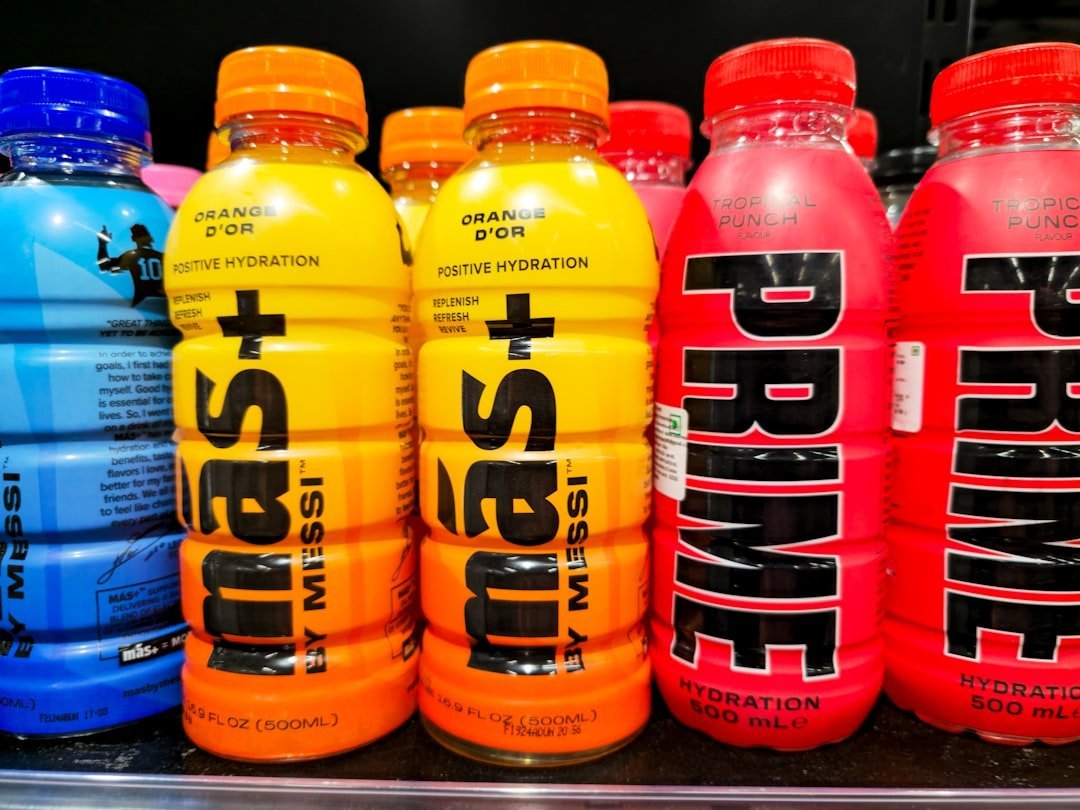
Bright blue, electric yellow, candy red: sports drinks are marketed with extraordinary energy, and their sale prices can make them feel like a smart buy. But the research increasingly paints a different picture. Frequent consumption of sugary beverages is defined as drinking between one and two cans per day, with these drinks reported to be the top source of empty calories in the U.S. Wealthier, health-literate consumers are aware of this and have largely moved on.
Instead, they hydrate with filtered water, mineral water, quality green teas, or functional beverages with clinically studied ingredients. While consumption of water has increased over the past decade, intake of milk, juice, and sweetened beverages has declined, contributing to a drop in nutrient intake from beverages. The top 1% are not buying neon-colored sports drinks, even when a rack of them is sitting at two dollars off. Their hydration philosophy is just built differently.
10. Highly Discounted, Near-Expiry Convenience Foods

The manager’s special section, the clearance bakery shelf, the marked-down dips and ready-made meals approaching their sell-by date: many savvy shoppers see these as wins. For certain budget-conscious families, they genuinely are. But the top 1% view these purchases through a completely different lens. Even when cost and supply are not an issue, people from poorer backgrounds tend to choose what they believe are more filling and tasty options rather than health-optimized choices.
Wealthy shoppers are not driven by scarcity thinking. They plan their meals around quality ingredients purchased fresh, and they are comfortable paying full price for what they consider to be the right product. According to NielsenIQ data, warehouse clubs are growing their share of food spending among higher-income households, with those retailers seeing growth of more than one-third among shoppers with household incomes above $150,000. They invest in bulk quality, not discounted convenience.
The grocery store is, in many ways, a window into someone’s relationship with their own health and future. What the top 1% systematically avoid are not just unhealthy products. They are avoiding the short-term thinking that those products often represent. The sale price is never really the point. The long-term cost always is. What would change about your own cart if you shopped with that mindset? Tell us in the comments.